Source Professional Sunless Spray Tan Machine for Body Art, Nails, and Skin Care
Compare 14 Professional Sunless Spray Tan Machine options featuring industrial-grade motors, various nozzle diameters, and customizable bottle volumes. These units support body art, manicure supplies, and fragrance applications with voltage options for global use.
Key considerations
Products List

Home Hide Sunless Body Tanning Bed Professional Spray Tan Machine for Salon
$68.50 - $73.50
MOQ: 100 Pieces

Professional Sunless Self Tan HVLP 700 Spray Tanning Machine for Home Salon
$55.50 - $59.50
MOQ: 100 Pieces


Home Sunless Body Tanning Bed Machine Professional Spray Tan Gun for Salon
$55.50 - $59.50
MOQ: 100 Pieces


Comprehensive Sourcing Guide
Professional Sunless Spray Tan Machine Sourcing Guide
Sourcing professional sunless spray tan machines requires a careful balance between technical performance, regulatory compliance, and commercial viability. These devices are specialized equipment designed for the beauty and wellness industry, specifically for applying self-tanning solutions via aerosol or spray mechanisms. Buyers must navigate a market that ranges from compact, portable units to larger, bed-style systems, each serving distinct operational needs. The procurement process is not merely about selecting a device but ensuring that the chosen equipment aligns with the specific service model, whether it is a high-volume salon, a mobile beauty service, or a specialized tanning studio.
The following guide provides evidence-based procurement advice for sourcing these machines. It focuses on verifying technical specifications, understanding cost structures, and ensuring supplier reliability. By adhering to the principles outlined below, procurement professionals can mitigate risks associated with equipment failure, non-compliance, and inconsistent product quality. The goal is to establish a supply chain that supports long-term operational efficiency and customer satisfaction in the competitive sunless tanning sector.
Product Scope and Observed Listing Signals
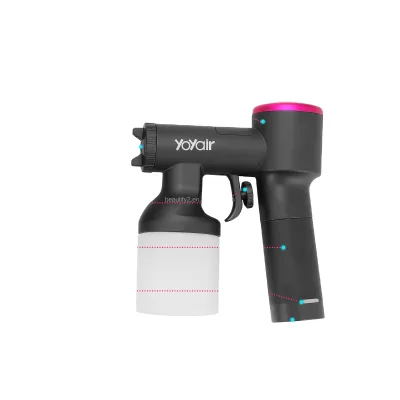
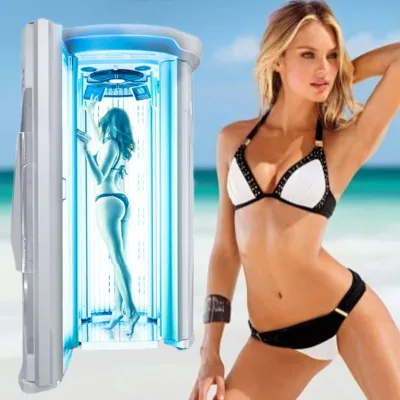
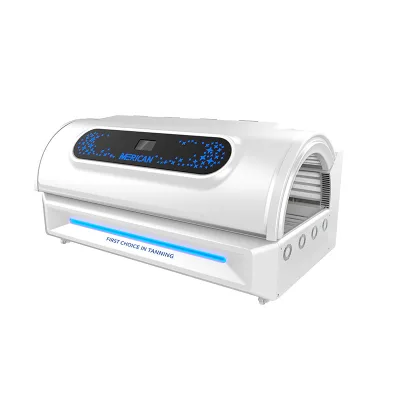
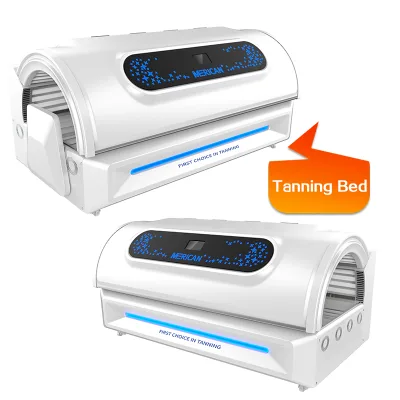
The current market for professional sunless spray tan machines exhibits a diverse range of product configurations, primarily categorized by form factor and intended usage. Listings indicate the presence of both handheld spray units and larger tanning bed machines. Handheld units, such as the "Professional Mini Tanning Machine" and "Spray Tan Machine," are typically designed for portability and precision application. These models often feature bottle volumes ranging from 150ml to 200ml and are constructed with plastic materials, emphasizing lightweight design for ease of use by technicians. In contrast, tanning bed machines, such as the "Tanning Machine Bed" and "FJ03 Tanning Bed Machine," are larger, stationary units intended for full-body application, often requiring more robust structural components and higher power inputs.
Observed listing signals reveal significant variation in technical attributes and packaging standards. For instance, nozzle diameters vary from 0.5mm to 1.5mm, directly impacting the spray pattern and solution consumption. Some models offer multiple nozzle options, allowing for customization based on client preference or solution viscosity. Packaging also differs, with some units shipped in color boxes with specific carton quantities, while others offer standard or customized packaging. These variations suggest that buyers must carefully review product-specific details rather than assuming uniformity across all listings. The presence of "Industrial High Quality" and "Professional" grade labels indicates a tiered market where quality claims should be verified through technical documentation and supplier audits.
Technical Specifications to Verify
When evaluating technical specifications, buyers should prioritize motor power, voltage compatibility, and hose length, as these factors directly influence operational efficiency and safety. Motor power ratings observed in listings range from 450W to 650W, with higher wattage typically associated with more consistent spray pressure and faster application times. Voltage compatibility is critical, especially for international procurement, as listings show options for 110V, 230V, and dual-voltage (110V-240V) systems. Buyers must ensure that the selected machine matches the electrical infrastructure of the deployment location to prevent damage or performance issues. Additionally, hose length, such as the 2.5m option noted in some models, affects technician mobility and workflow efficiency, making it a key consideration for salon layout planning.
Bottle volume and nozzle diameter are equally important technical parameters that affect solution usage and application quality. Bottle capacities observed range from 150ml to 250ml, with larger volumes reducing the frequency of refills during high-volume sessions. Nozzle diameters, typically ranging from 0.5mm to 1.5mm, determine the fineness of the spray; smaller diameters provide a finer mist, while larger diameters may offer faster coverage but with a coarser texture. Buyers should verify whether the machine allows for nozzle customization, as this flexibility can enhance service versatility. Furthermore, the inclusion of accessories such as quick-release hoses, carry straps, and power cords should be confirmed to ensure the machine is ready for immediate use upon delivery.
Compliance and Safety Documentation
Compliance with safety standards is non-negotiable for professional sunless spray tan machines, particularly regarding electrical safety and material compatibility. Buyers must request certification documentation, such as CE marks, to verify that the equipment meets European safety, health, and environmental protection requirements. While some listings explicitly mention CE certification, others may not, necessitating direct inquiry to the supplier. It is essential to ensure that the certification is valid and covers the specific model being purchased, as certifications can vary by product variant and manufacturing batch. Additionally, buyers should verify that the machine’s electrical components, including motors and wiring, comply with local regulatory standards in the destination country.
Material safety is another critical aspect of compliance, especially given the direct contact between the machine and tanning solutions. The plastic materials used in the construction of these machines should be resistant to chemical degradation from common tanning agents, such as DHA-based solutions. Buyers should request material safety data sheets (MSDS) or chemical compatibility reports from the supplier to ensure that the machine’s components will not degrade over time, which could lead to leaks or contamination. Furthermore, the non-disposable nature of these products implies a need for durable, easy-to-clean surfaces that maintain hygiene standards. Procurement teams should include clauses in purchase agreements that hold suppliers accountable for material safety and compliance with relevant health regulations.
Cost Drivers and Commercial Terms
Cost drivers for professional sunless spray tan machines include motor power, build quality, and included accessories, which collectively influence the final price point. Listings show a wide price range, reflecting the diversity in specifications and quality grades. Higher-priced models typically feature more powerful motors, larger bottle capacities, and premium materials, while budget-friendly options may offer basic functionality with smaller capacities. Buyers should analyze the total cost of ownership, including maintenance, replacement parts, and energy consumption, rather than focusing solely on the initial purchase price. Understanding these cost drivers allows for more accurate budgeting and comparison across different suppliers.
Commercial terms, such as minimum order quantity (MOQ) and packaging standards, also play a significant role in procurement planning. MOQs observed in listings range from 1 to 500 units, catering to both individual buyers and large-scale distributors. Buyers with smaller volumes may need to negotiate MOQs or seek suppliers with flexible ordering policies. Packaging standards vary, with some suppliers offering customized packaging to meet branding requirements, while others provide standard packaging. Buyers should clarify packaging details, including carton dimensions and unit counts, to optimize logistics and storage. Additionally, lead times and payment terms should be negotiated to ensure alignment with business needs and cash flow requirements.
Supplier Qualification and Quality Control
Supplier qualification is a critical step in ensuring the reliability and consistency of professional sunless spray tan machines. Buyers should conduct thorough due diligence on potential suppliers, verifying their manufacturing capabilities, quality control processes, and track record in the industry. Suppliers with "Industrial High Quality" or "Professional" grade labels should be evaluated based on their production standards and ability to maintain consistency across batches. Requesting samples for testing is a recommended practice to assess build quality, performance, and ease of use before committing to larger orders. Buyers should also inquire about the supplier’s warranty policies and after-sales support to ensure long-term reliability.
Quality control measures should be integrated into the procurement process to minimize the risk of defects and non-conformance. Buyers should request quality inspection reports, including factory audits and product testing results, to verify that the machines meet specified technical and safety standards. Establishing clear quality acceptance criteria, such as motor performance tests and spray pattern consistency checks, can help ensure that delivered products meet expectations. Additionally, buyers should consider implementing incoming quality control checks upon receipt of goods to identify any issues early in the supply chain. Building a strong relationship with suppliers through regular communication and feedback can further enhance quality outcomes and foster continuous improvement.
Long-Term Procurement Checks
Long-term procurement success depends on establishing robust monitoring and evaluation mechanisms for professional sunless spray tan machines. Buyers should implement a system for tracking equipment performance, maintenance needs, and customer feedback to identify potential issues and opportunities for improvement. Regular reviews of supplier performance, including delivery times, product quality, and responsiveness, can help maintain high standards and address any emerging concerns. Buyers should also stay informed about industry trends and technological advancements to ensure that their equipment remains competitive and relevant. This proactive approach enables continuous optimization of the procurement strategy and supports long-term business growth.
Sustainability and regulatory changes are also important considerations for long-term procurement planning. Buyers should monitor developments in environmental regulations and industry standards that may impact the design and operation of sunless spray tan machines. Adapting to these changes, such as by sourcing more energy-efficient models or eco-friendly materials, can enhance brand reputation and compliance. Additionally, buyers should consider the lifecycle management of their equipment, including disposal and recycling options, to minimize environmental impact. By integrating these long-term checks into their procurement processes, buyers can ensure that their investment in professional sunless spray tan machines delivers sustained value and supports their business objectives.
FAQs
What nozzle diameters are available for spray tan machines?
Nozzle diameters vary by model, with options including 0.5mm, 1.0mm, 1.5mm, and 0.8mm. The FJ02-B model features a 0.5mm nozzle, while the Professional Mini Tanning Machine uses a 1.5mm nozzle. The Big Cup Spray Tanning Machine offers 0.5mm as standard with 0.8mm, 1.0mm, and 1.5mm as available options. Selecting the correct diameter ensures optimal mist coverage for different tanning solutions.
Can these tanning machines be customized for specific needs?
Yes, customization is available for various product attributes. Buyers can request customized packaging or standard specifications based on their requirements. The product line supports tailored solutions for different operational scales. This flexibility allows businesses to align equipment with their specific workflow preferences and branding needs without compromising on industrial-grade quality or performance standards.
What is the rated voltage for the spray tan machines?
The spray tan machines support dual voltage inputs of 110V and 230V. The FJ05 model operates at 110V/230V with a rated frequency of 50Hz/60Hz. The Big Cup model accepts 110V-240V. This wide voltage range ensures compatibility with electrical systems in different regions, allowing for versatile deployment in various salon or studio environments without requiring additional transformers.
Which certification do the tanning bed machines hold?
The tanning bed machines hold CE certification, ensuring compliance with relevant safety and quality standards. This certification indicates that the equipment meets essential requirements for health, safety, and environmental protection. Buyers can rely on this documented compliance when sourcing industrial-grade equipment for professional use, providing assurance regarding the manufacturing quality and operational safety of the devices.
What is the bottle volume capacity for these machines?
Bottle volumes range from 150ml to 250ml depending on the specific model. The Professional Mini Tanning Machine has a 150ml bottle, while the Tanning Machine Bed holds 180ml. The Big Cup model features a 200ml capacity, and the FJ03 Tanning Bed Machine offers a 250ml bottle. These capacities cater to different session lengths and solution consumption rates.
Where are these professional spray tan machines manufactured?
These professional spray tan machines originate from Ningbo, China. This location is a known hub for manufacturing such equipment. Buyers sourcing from this region can expect established supply chains and industrial-grade production capabilities. The origin information helps in calculating logistics and understanding the manufacturing context for the provided industrial quality products.