Source Rechargeable USB Eye Therapy Massager with Music for Relaxation
Find and compare 30 models of Rechargeable USB Eye Therapy Massager with Music featuring air pressure, vibration, and heating. These devices help relieve visual fatigue, improve sleep, and support eye care routines for diverse buyer needs.
Key considerations
Products List


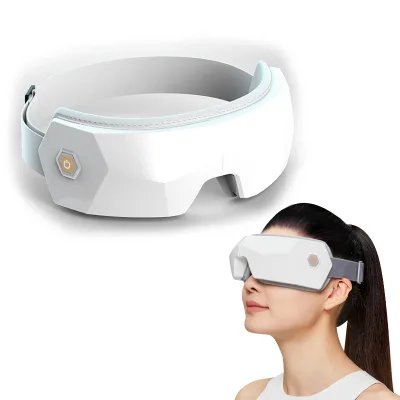
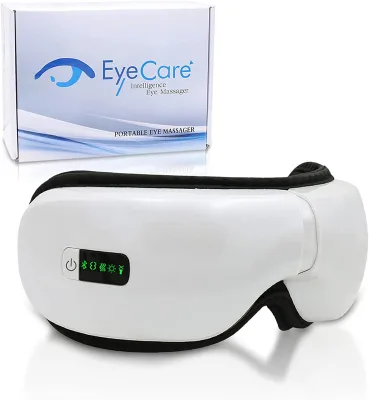
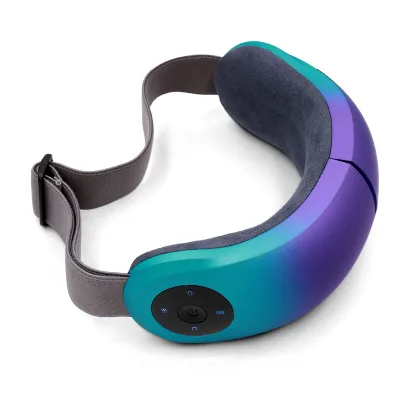
Wireless Air Pressure Vibration Eye Massager Heating Eye Massage with Music
$15.30 - $17.92
MOQ: 20 Pieces


Rechargeable Heating Vibrating Wireless Eye Massager Music Eyes Care Massager
$0.00 - $0.00
MOQ: 20 Pieces




Comprehensive Sourcing Guide
Rechargeable USB Eye Therapy Massager with Music Sourcing Guide
The global demand for personal wellness devices has accelerated the need for specialized eye care solutions, particularly those that combine physical therapy with sensory relaxation. Buyers in the B2B sector are increasingly seeking rechargeable USB eye therapy massagers with music capabilities to address modern lifestyle challenges such as digital eye strain, sleep disturbances, and general fatigue. These devices are not merely cosmetic accessories but functional health tools designed to improve eyesight, relieve visual fatigue, and enhance overall sleep quality through targeted interventions. Understanding the technical nuances of these products is essential for procurement teams aiming to source reliable inventory that meets specific market demands and regulatory standards.
Sourcing this category requires a careful balance between technical verification and commercial due diligence. The market offers a variety of models, each with distinct features ranging from air pressure massage to vibration and heating functions. Buyers must navigate a landscape where product specifications vary significantly, including differences in battery capacity, material composition, and included accessories. This guide provides a structured approach to evaluating suppliers, verifying technical claims, and ensuring compliance, enabling procurement professionals to make informed decisions that mitigate risk and maximize value in their supply chain operations.
Product Scope and Observed Listing Signals
The current market landscape for rechargeable eye massagers reveals a diverse range of product configurations, with observed listings indicating a price range of 0-55 USD and minimum order quantities (MOQs) spanning from 1 to 500 units. This variability suggests that suppliers cater to different market segments, from small-scale retailers testing new products to large distributors seeking bulk inventory. The presence of customization options across multiple listings indicates that manufacturers are flexible in adapting designs, colors, and packaging to meet specific brand requirements. Buyers should recognize that while the core function remains consistent, the specific implementation of features like music playback, USB connectivity, and power supply methods can differ significantly between models.
Observed product attributes highlight key functional differentiators that buyers must evaluate during the sourcing process. For instance, some models are equipped with MP3 music capabilities and come with earplugs, while others operate without music features. Materials such as ABS are commonly used for durability, with specific models noting leather-like finishes or specific color options like white, gray, or warm yellow. The inclusion of accessories such as remote controls, manuals, and adapters is standard, but the specific packing configurations, ranging from individual massager boxes to larger cartons, vary by supplier. Understanding these observed signals helps buyers align their procurement strategy with the actual capabilities and offerings available in the market.
Technical Specifications to Verify
Technical verification is critical when sourcing eye massagers, as performance claims must be validated against actual product specifications. Buyers should prioritize models that offer multiple working modes, such as cold compress, warm compress, point vibration, and air pressure massage, to ensure comprehensive therapeutic benefits. The principle of operation, whether based on pressure, vibration, or heat, directly impacts the user experience and effectiveness of the device. It is essential to confirm the power supply method, with many modern units being rechargeable via USB, which offers convenience and portability. Additionally, verifying the battery capacity, which ranges from 1000-1200mAh to 1500mAh in observed listings, is crucial for ensuring adequate usage time and device longevity.
Dimensions and weight are also important technical factors that influence user comfort and shipping logistics. Observed specifications indicate that products vary in size, with some models measuring approximately 26259.5cm and others being more compact at 19.814.89.5cm. Weight considerations are equally important, with net weights ranging from 250g to 370g, affecting both the tactile experience for the end-user and the freight costs for the buyer. Buyers should also verify the workable hours, with some devices offering a 15-minute automatic shut-off feature to prevent overuse. Confirming these technical details ensures that the sourced products meet the intended functional requirements and fit within the desired logistical parameters.
Compliance and Safety Documentation
Compliance with international safety and quality standards is non-negotiable for electronic wellness devices. Buyers must ensure that suppliers provide necessary certification documents, such as CE marks, which indicate conformity with health, safety, and environmental protection standards for products sold within the European Economic Area. While specific certification statuses may vary by supplier, the presence of such documentation is a strong indicator of a manufacturer’s commitment to quality and regulatory adherence. Procurement teams should request copies of these certificates and verify their validity with the issuing bodies to avoid potential legal and reputational risks associated with non-compliant products.
In addition to regulatory certifications, buyers should inquire about product warranties and after-sales support structures. Observed listings indicate a standard warranty period of one year, which serves as a baseline for evaluating supplier confidence in their product quality. However, buyers should negotiate terms that align with their specific market needs, potentially extending warranty coverage or clarifying the process for repairs and replacements. Understanding the warranty terms helps in assessing the total cost of ownership and mitigating the financial impact of potential product failures. Furthermore, verifying the manufacturer’s identity, such as Hexi, can provide additional context regarding their track record and reliability in the industry.
Cost Drivers and Commercial Terms
Several factors influence the cost structure of rechargeable eye massagers, including material quality, feature complexity, and order volume. The use of durable materials like ABS and the inclusion of advanced features such as music playback and multiple massage modes can increase production costs, which are reflected in the final price. Buyers should analyze the price range of 0-55 USD in the context of these features to determine the value proposition of each supplier. Additionally, the MOQ range of 1-500 units allows for flexibility, but larger orders may offer better unit economics. Understanding these cost drivers enables buyers to negotiate effectively and align their procurement budgets with their strategic goals.
Commercial terms, including delivery times and payment conditions, also play a significant role in the sourcing decision. Observed lead times indicate a delivery window of 3-5 days for samples and 30-35 days for general orders, which buyers must factor into their inventory planning. Suppliers located in regions like Fujian, Ningde, and broader China offer access to established manufacturing hubs, but buyers should verify the exact origin and logistics capabilities of each supplier. Clear communication regarding these terms helps in avoiding delays and ensuring that products arrive in time for market launches. Buyers should also consider the impact of customization on lead times and costs, as tailored designs may require additional production time.
Supplier Qualification and Quality Control
Supplier qualification is a critical step in ensuring the reliability and consistency of the sourced products. Buyers should conduct thorough due diligence on potential suppliers, verifying their manufacturing capabilities, quality control processes, and business stability. Observing the diversity of models and specifications available from different suppliers can provide insights into their technical expertise and flexibility. Buyers should prioritize suppliers who demonstrate a clear understanding of product standards and are willing to provide detailed technical documentation and samples for evaluation. Establishing a strong relationship with qualified suppliers helps in building a resilient supply chain capable of meeting fluctuating market demands.
Quality control measures should be integrated into the procurement process to minimize the risk of receiving defective products. Buyers should implement pre-shipment inspections to verify that the products meet the agreed-upon specifications, including dimensions, weight, and functional performance. Checking the packing configurations, such as the inclusion of remote controls, manuals, and adapters, is also essential to ensure that the products are ready for retail distribution. Additionally, buyers should establish clear communication channels with suppliers to address any quality issues promptly. By maintaining high standards for supplier qualification and quality control, buyers can protect their brand reputation and ensure customer satisfaction.
Long-Term Procurement Checks
Long-term procurement success depends on continuous monitoring and evaluation of supplier performance and product quality. Buyers should establish key performance indicators (KPIs) to track metrics such as on-time delivery, product defect rates, and customer feedback. Regularly reviewing these metrics helps in identifying potential issues early and taking corrective actions before they escalate. Additionally, buyers should stay informed about market trends and technological advancements in the eye massager category to ensure that their product offerings remain competitive. Engaging in ongoing dialogue with suppliers about product improvements and new features can also drive innovation and enhance the value proposition for end-users.
Sustainability and ethical sourcing practices are increasingly important considerations for modern procurement strategies. Buyers should assess their suppliers’ commitment to environmental responsibility and ethical labor practices, aligning their sourcing decisions with their corporate social responsibility goals. Verifying the origin of materials and the manufacturing processes can help in ensuring that the products are sourced responsibly. By integrating these long-term checks into their procurement processes, buyers can build a sustainable and ethical supply chain that supports their business growth and contributes positively to society. This holistic approach ensures that the sourcing of rechargeable USB eye therapy massagers with music is not only commercially viable but also socially and environmentally responsible.
FAQs
Can this Rechargeable USB Eye Therapy Massager with Music improve sleep?
Yes, the device is designed to improve sleep and relieve visual fatigue. It features air pressure, vibration, and heating functions to enhance relaxation. Some models include MP3 music capabilities for a soothing experience during use.
What is the working principle of the Rechargeable USB Eye Therapy Massager with Music?
The massager operates using air pressure, vibration, and heat principles. It utilizes electric power supplied via AC or rechargeable batteries. The device targets the eye area to provide therapeutic relief and beauty benefits for users.
Which materials are used to construct the Rechargeable USB Eye Therapy Massager with Music?
The product is primarily constructed from ABS material for durability and comfort. It features a white or gray color option depending on the specific model. The design ensures a lightweight feel while maintaining structural integrity for daily use.
How long does the Rechargeable USB Eye Therapy Massager with Music work on a single charge?
The device typically operates for 15 minutes per session. Battery capacity varies by model, ranging from 1000 to 1500mAh. This duration is sufficient for a standard therapeutic eye massage routine without requiring frequent recharging.
Can I customize the Rechargeable USB Eye Therapy Massager with Music for my brand?
Yes, customization is available for this product line. Buyers can request specific colors or packaging options to match their brand identity. This flexibility allows businesses to tailor the massager to their specific market requirements effectively.
What is the delivery time for the Rechargeable USB Eye Therapy Massager with Music?
Sample delivery takes 3 to 5 days, while general orders require 30 to 35 days. The products originate from Fujian, Ningde, China. This timeline ensures efficient logistics for both small trial orders and larger bulk procurement needs.
What warranty is provided for the Rechargeable USB Eye Therapy Massager with Music?
A one-year warranty is standard for this product. This coverage protects against manufacturing defects and ensures product reliability. Buyers can purchase with confidence knowing their investment is safeguarded for the first year of operation.