Source Infrared Remote Control Thyristor Dimmer for LED, Machinery, Doors
Compare 30 Infrared Remote Control Thyristor Dimmer options from verified Chinese suppliers. Buyers can evaluate specifications like voltage, protection grade, and control modes for LED products, industrial machinery, and automatic doors; compare the available evidence and request quotations based on your requirements.
Updated
Key considerations
Products List
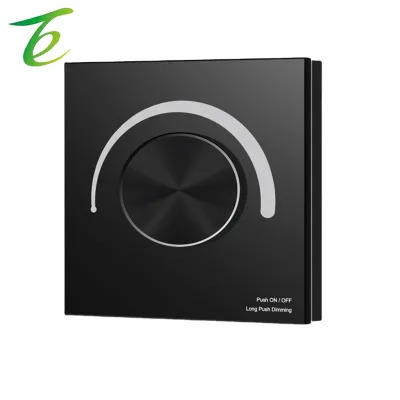
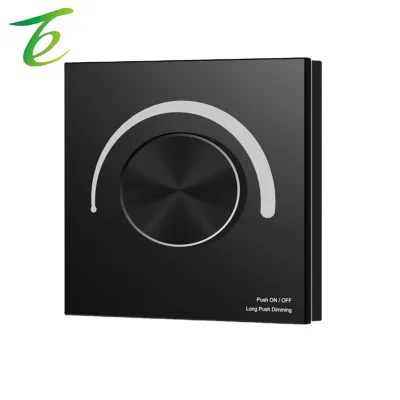
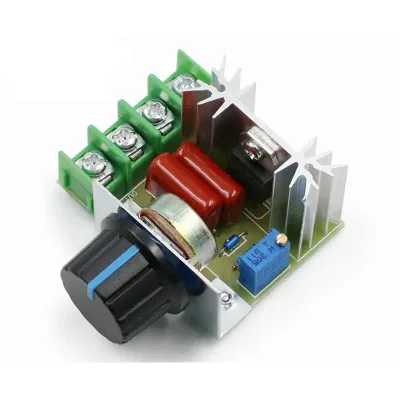


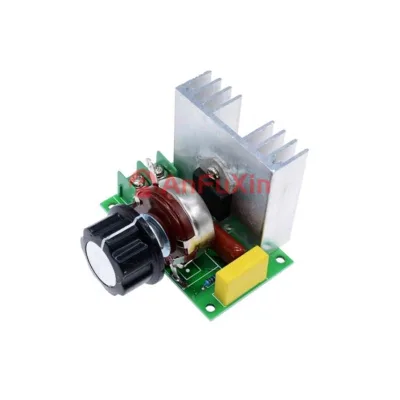
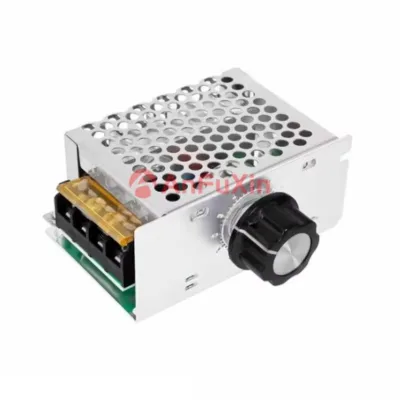
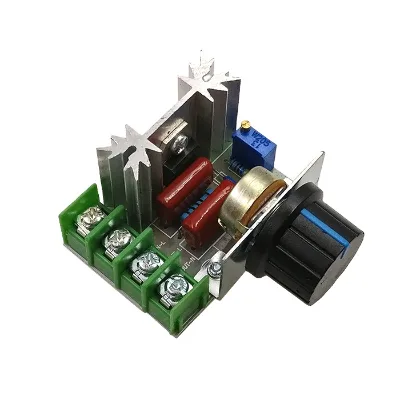

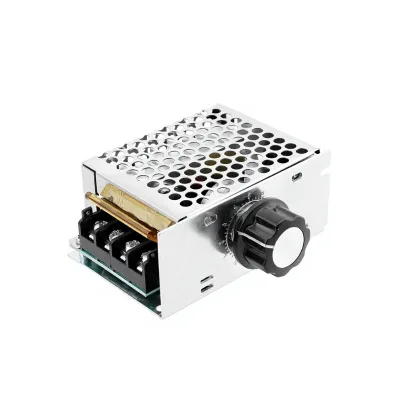
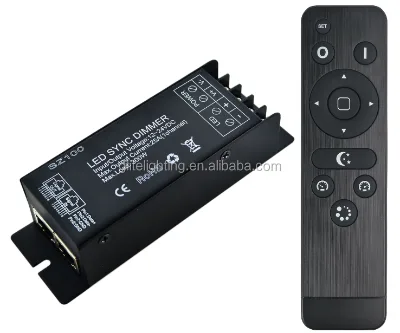

Comprehensive Sourcing Guide
Infrared Remote Control Thyristor Dimmer Sourcing Guide
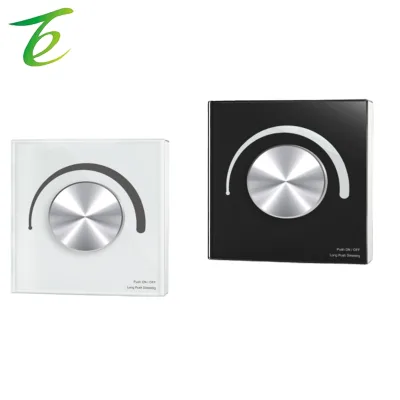
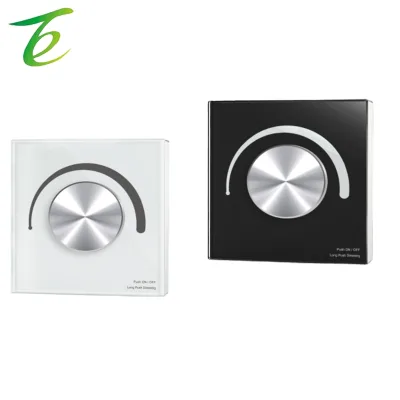
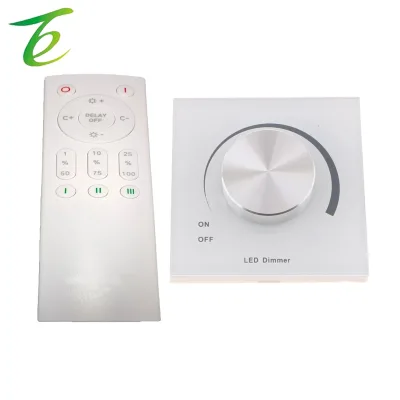
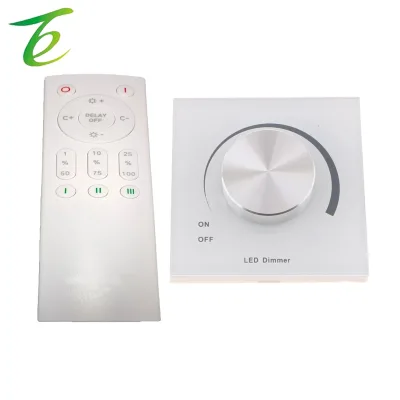
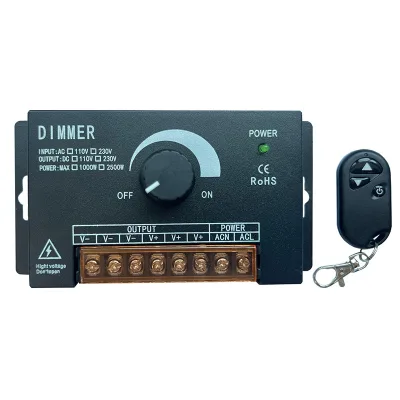
Sourcing infrared remote control thyristor dimmers requires a clear understanding of the intersection between manual interface design and wireless signal transmission. These devices typically combine a physical rotary knob or switch with an IR receiver, allowing users to adjust voltage or brightness levels from a distance. The core technology relies on thyristor-based voltage regulation, which modulates the AC waveform to control power delivery to connected loads. Buyers must distinguish between simple manual dimmers and those equipped with remote capabilities, as the latter introduces additional complexity in signal reliability and battery management.
The market offers a variety of form factors, ranging from standard 86mm wall-mounted units to specialized industrial controllers. Observed listings indicate a strong presence of products originating from China, with brands such as EBY and HXW appearing in the supply chain. These manufacturers often provide customizable options, including universal compatibility and specific protection grades. Procurement teams should evaluate whether the device supports both manual rotation and remote control modes, as this dual functionality is a key differentiator in residential and light commercial applications.
Product Scope and Observed Listing Signals
The observed product landscape includes dimming switches and thyristor voltage regulators that support AC 220V inputs with power ratings up to 2000W. Listings frequently highlight an adjustment range of 0-100%, indicating full-spectrum control capability for compatible loads. The interface type is often standardized to 86mm, ensuring compatibility with common wall boxes in many regions. Buyers should note that while some products are labeled as "universal," others are tailored for specific applications such as LED products, industrial machinery, or automatic doors, requiring careful matching of load types.
Signal transmission is a critical variable, with IR remote control being a prominent feature in many listings. Some products specify a transmission distance of over 100 meters, which is advantageous for large spaces or industrial settings. The control mode may be described as manual rotation, remote control, or a combination of infrared and knob operation. Additionally, the protection grade is often cited as IP42 or IP44, providing basic protection against solid objects and water splashes, which is suitable for indoor environments but may require additional housing for harsher conditions.
Technical Specifications to Verify
Voltage compatibility is a primary technical consideration, with observed products supporting rated voltages of 110/220V or specific 12V configurations. Buyers must verify the load type, as thyristor dimmers are often designed for direct loads or specific resistive/inductive combinations. The single gross weight of approximately 0.200 kg suggests a compact design, but the internal components must be robust enough to handle the specified power ratings. It is essential to confirm whether the device includes a button battery for the remote unit, as this affects long-term maintenance and operational readiness.
The model numbers and item numbers, such as PE382, PE386, and UT-01, vary across suppliers, indicating a fragmented market with multiple SKUs. Buyers should cross-reference these identifiers with the specific technical datasheets to ensure alignment with their electrical requirements. The signal mode may be listed as IR or SCR, which refers to the underlying switching technology. Understanding the distinction between the control interface (IR) and the power switching mechanism (SCR/thyristor) is crucial for troubleshooting and compatibility assessment during the procurement process.
Compliance and Safety Documentation
Certification status is a non-negotiable aspect of procurement, with observed products frequently listing CE, RoHS, EMC, and FCC certifications. These marks indicate adherence to European and international standards for electromagnetic compatibility and hazardous substance restrictions. Buyers must request valid certificates from suppliers to verify that the products meet the regulatory requirements of their target markets. The presence of multiple certifications, such as EMC and FCC alongside CE, suggests a higher level of compliance rigor, which is particularly important for electronic devices that emit radio frequency signals.
Safety documentation should also include details on the protection grade, with IP42 and IP44 being common observations. These ratings define the level of protection against ingress of solids and liquids, which is vital for ensuring the longevity and safety of the dimmer in various environments. Buyers should verify that the materials used, such as metal components, meet relevant safety standards for fire resistance and electrical insulation. Additionally, warranty terms, such as the observed 3-year warranty, provide a layer of protection against early failures, but the specific conditions and coverage limits must be clearly defined in the purchase agreement.
Cost Drivers and Commercial Terms
Pricing in the observed market ranges from $0.1 to $143, reflecting a wide spectrum of product quality, feature sets, and brand positioning. The minimum order quantity (MOQ) varies significantly, from 1 unit for sample orders to 99,999 units for bulk industrial purchases. Buyers should consider the total cost of ownership, including shipping, tariffs, and potential customization fees, rather than focusing solely on the unit price. Customization options, such as branded packaging or specific technical modifications, may incur additional costs but can enhance brand value and market fit.
Lead times are another critical commercial factor, with observed standard lead times of 8 working days for production. However, this timeline may extend for customized orders or during peak manufacturing seasons. Buyers should negotiate clear delivery terms and penalties for delays to mitigate supply chain risks. The selling unit is typically listed as a single item, but bulk pricing structures should be clarified to ensure cost efficiency for larger orders. Understanding the payment terms and currency exchange risks is also essential for maintaining healthy cash flow and protecting profit margins.
Supplier Qualification and Quality Control
Supplier qualification begins with verifying the place of origin, which is consistently listed as China or P. R. China. Buyers should conduct due diligence on the manufacturer’s production capabilities, including factory audits and quality management system certifications. The availability of customization services indicates a flexible manufacturing process, but it also requires robust quality control measures to ensure consistency across different product variants. Buyers should request samples to test the actual performance of the IR signal and the durability of the mechanical components before placing large orders.
Quality control protocols should include incoming material inspections, in-process checks, and final random inspections. The observed single package size of 9x9x5 cm and carton packing for export suggest standardized packaging solutions, but buyers should verify that the packaging provides adequate protection during transit. Testing for signal reliability, especially at the claimed transmission distance of over 100 meters, is essential to ensure user satisfaction. Establishing a clear communication channel with the supplier for technical support and issue resolution is also a key component of a successful sourcing relationship.
Long-Term Procurement Checks
Long-term procurement success depends on continuous monitoring of product performance and supplier reliability. Buyers should track failure rates and customer feedback to identify any recurring issues with the IR remote or the thyristor switching mechanism. Regular reviews of certification validity are necessary to ensure ongoing compliance with changing regulatory landscapes. Maintaining a diversified supplier base can mitigate risks associated with single-source dependencies, especially for critical components like dimmers used in essential infrastructure or commercial buildings.
Supply chain resilience should be enhanced by establishing clear agreements for spare parts and technical support. The observed warranty period of 3 years provides a baseline for expected product lifespan, but buyers should plan for potential replacements or upgrades as technology evolves. Keeping abreast of industry trends, such as the integration of smart home protocols or energy efficiency standards, will help in making informed sourcing decisions. Regular communication with suppliers regarding product updates and new models can ensure that the procurement strategy remains aligned with market demands and technological advancements.
FAQs
What is the rated voltage for this dimmer?
The rated voltage is 110/220V AC. This thyristor voltage regulator supports universal input ranges for broad compatibility. It is designed for standard AC applications without requiring special transformers. The device handles up to 2000W load capacity. Ensure your power supply matches these specifications for safe operation.
How does the control mode work?
Control is achieved via manual rotation or infrared remote. The unit features an IR signal mode for wireless operation. Users can also adjust settings directly using the knob interface. This dual-mode approach offers flexibility for different installation environments. The remote control provides convenient access without physical interaction.
What certifications does the product hold?
The product holds RoHS and CE certifications. Some variants also include EMC and FCC approvals. These certifications ensure compliance with international safety and environmental standards. Buyers can verify specific documents based on the model number. Always check the packaging for the exact certification list provided.
Can I customize the length or specifications?
Customization is available for specific requirements. The product supports customized lengths such as 1M, 2M, or 3M options. Buyers can request tailored specifications to fit unique project needs. Contact the supplier to discuss available customization parameters. This flexibility allows for precise integration into various industrial or decorative applications.
What is the lead time for orders?
The standard lead time is 8 working days. This duration applies to typical order processing and preparation. Expedited options may be available for urgent requirements. Buyers should confirm exact timelines with the supplier before placing orders. Packaging is done in export cartons to ensure safe transit.
What is the protection grade of the device?
The protection grade is IP42. This level offers protection against solid objects larger than 1mm and dripping water. It ensures reliable operation in typical indoor environments. The IP42 rating helps prevent dust and moisture ingress. Verify the specific protection level for your intended installation area.