Source Heeled Sandal for Beach, Outdoor, and Business Use
Source Heeled Sandal options for beach, outdoor, and business settings. Compare 30 listings featuring PU uppers, rubber soles, and customizable logos. Find suitable styles for spring, autumn, and summer seasons with various heel heights and toe caps; compare the available evidence and request quotations based on your requirements.
Key considerations
Products List


Elegant Pointed Toe Sandal Heels Stiletto Heel Women Mule High Heeled Shoes
$18.00 - $21.00
MOQ: 20 Pairs

Gladiator Ankle Strap Lace up High Heels Open Toe Heeled Sandals for Women
$18.00 - $23.00
MOQ: 20 Pairs


Ladies Heels 2020 Women Heeled Mule Shoes Pointed Open Toe High Heel Sandals
$17.00 - $23.00
MOQ: 20 Pairs


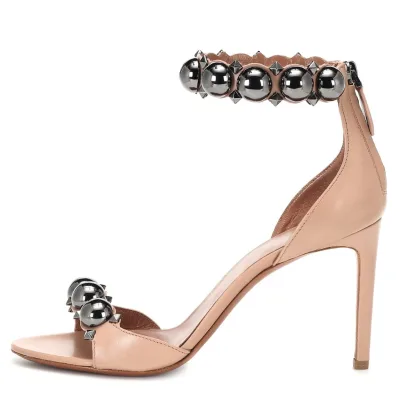
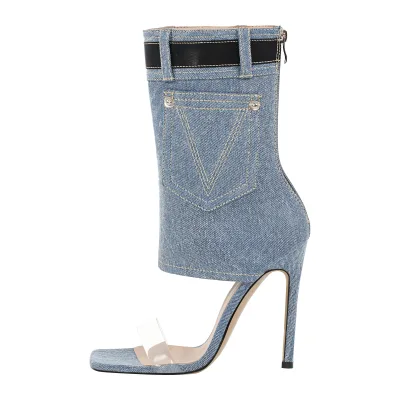
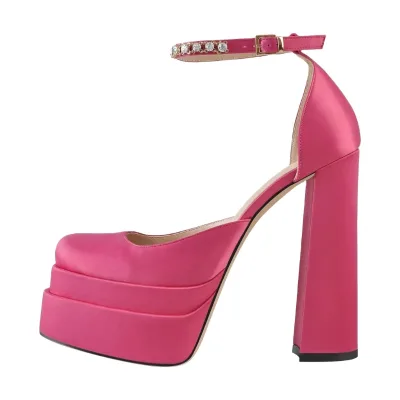

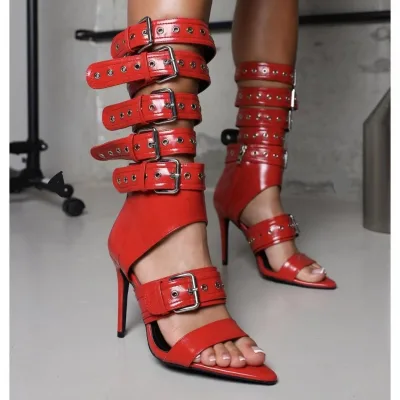
European and American Patent Leather Pointed High-Heeled Sandals for Women
$8.01 - $8.21
MOQ: 150 Pairs


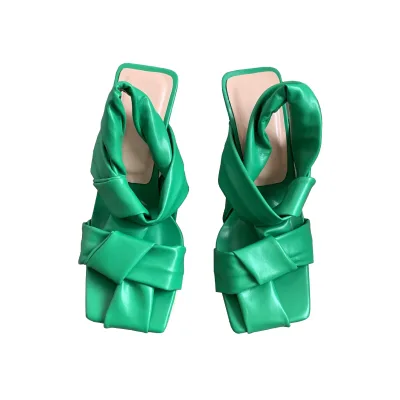

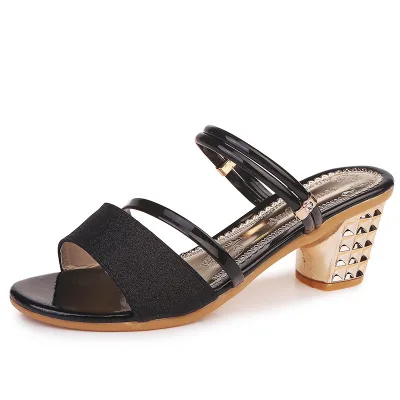


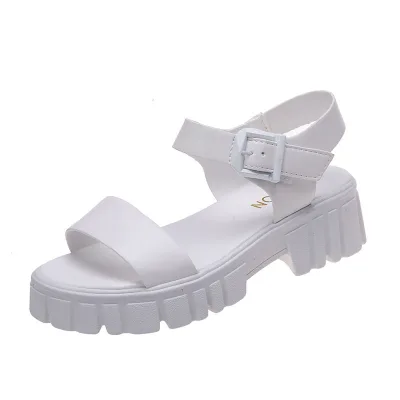
Comprehensive Sourcing Guide
Heeled Sandal Sourcing Guide
The global market for heeled sandals presents distinct opportunities for buyers targeting seasonal fashion cycles, particularly for spring, autumn, and summer collections. Current listings indicate a strong focus on PU leather and PVC uppers paired with rubber outsoles, catering to both male and female demographics with specific emphasis on women's business and outdoor wear. Procurement strategies must account for the variability in heel heights, which often range from 11 to 13 centimeters, and the prevalence of stiletto designs that define the aesthetic profile of these products.
Buyers should prioritize suppliers who offer customization capabilities for logos and colors, as this flexibility is a key differentiator in the current supply landscape. The observed data suggests that while some models are designed for specific uses like beach or outdoor activities, the majority target fashion-forward consumers seeking height-increasing features. Understanding these application nuances is essential for aligning inventory with regional demand patterns and ensuring that the selected footwear meets the specific style expectations of the target market.
Product Scope and Observed Listing Signals
Product listings reveal a diverse range of specifications, including models like T808 and W2015SC009, which feature square toes and solid patterns suitable for business environments. The observed price range spans from 2.4 to 95 USD, reflecting significant variation in material quality and brand positioning. While some entries highlight high-heeled pink sandals, others focus on black and pink combinations, indicating that color customization is a critical factor for buyers aiming to match specific seasonal trends or corporate dress codes.
The manufacturing origin is predominantly China, with specific production hubs noted in regions like Si Chuan and Nanjing, Jiangsu. This geographic concentration suggests a mature supply chain capable of handling large volumes, yet it requires careful vetting to ensure consistency across different factories. Buyers must verify the specific production location for each order, as regional differences can impact lead times and the ability to meet strict quality standards for leather insoles and rubber outsoles.
Technical Specifications to Verify
Technical due diligence must focus on the structural integrity of the heel and the durability of the upper materials. Specifications often cite PU leather or PVC for the upper and rubber for the outsole, but buyers should request physical samples to confirm the thickness and flexibility of these materials. The heel height is frequently listed as 11-13 cm, but this can vary by size; therefore, verifying the exact measurement for the target size range is necessary to ensure the product meets the intended comfort and style requirements.
Insole composition is another critical technical parameter, with leather insoles observed in several listings, offering breathability and comfort for extended wear. However, the distinction between hand-made and machine-made production is inconsistent across listings, with some items marked as handmade and others as not handmade. Buyers must explicitly confirm the manufacturing method for their specific order, as this directly influences the final product's finish, durability, and overall cost structure.
Compliance and Safety Documentation
Compliance verification is essential, as listings reference various quality standards such as CE, RoHS, SGS, and GMP, though specific certification status for individual items is not universally guaranteed. Procurement teams should require valid test reports from accredited laboratories to confirm that the rubber outsoles and PU uppers meet international safety and chemical regulations. Relying solely on general standard claims without supporting documentation poses a significant risk of non-compliance in regulated markets.
Packaging standards also play a vital role in compliance, with observed details ranging from single pairs in boxes with dust bags to bulk cartons containing ten or twelve pairs. The packaging dimensions, such as 32x21x12 cm, must be verified to ensure they align with shipping constraints and retail display requirements. Buyers should confirm that the packaging materials are sustainable and that the labeling accurately reflects the product origin and material composition to avoid customs delays or consumer disputes.
Cost Drivers and Commercial Terms
Cost structures are heavily influenced by the Minimum Order Quantity (MOQ), which is observed to range from 1 to 300 units, with 300 units being a common threshold for customized orders. The unit price fluctuates significantly based on the complexity of the design, the specific heel height, and the level of customization required for logos and colors. Buyers must negotiate terms that balance the MOQ requirements with their inventory turnover rates to avoid overstocking or underutilizing production capacity.
Shipping methods are typically arranged by sea, which impacts the total landed cost and delivery timeline. The single gross weight of items, often around 1.000 kg per pair, must be factored into freight calculations, especially for mixed container loads. Understanding the relationship between the selling units, such as single items versus bulk cartons, is crucial for optimizing logistics costs and ensuring that the final retail price remains competitive in the target market.
Supplier Qualification and Quality Control
Supplier qualification requires a rigorous assessment of their production capabilities, particularly regarding the consistency of hand-made versus machine-made processes. Given the mixed signals in the data, buyers should conduct on-site audits or request detailed video evidence of the assembly line to verify the claimed manufacturing methods. This verification is critical for ensuring that the final product matches the quality expectations set by the initial samples and marketing materials.
Quality control protocols must address the specific attributes of heeled sandals, such as the stability of the stiletto heel and the adhesion of the rubber outsole. Buyers should implement a pre-shipment inspection plan that checks for defects in the square toe shape, the uniformity of the solid pattern, and the accuracy of the heel height measurements. Establishing clear acceptance criteria based on the observed specifications will help mitigate the risk of receiving substandard goods that could damage brand reputation.
Long-Term Procurement Checks
Long-term success in sourcing heeled sandals depends on maintaining a dynamic relationship with suppliers who can adapt to changing fashion trends and seasonal demands. The ability to customize colors and logos, as observed in the current market, should be a core component of the supplier agreement to ensure flexibility in responding to consumer preferences. Regular reviews of the supplier's performance against the agreed-upon standards for materials and craftsmanship are necessary to sustain product quality over time.
Buyers must also monitor the supply chain for potential disruptions, particularly given the reliance on specific production locations in China. Establishing a diversified supplier base can mitigate risks associated with regional production issues or logistical bottlenecks. Continuous communication regarding lead times, shipping schedules, and inventory levels will ensure that the procurement strategy remains agile and responsive to market fluctuations.
FAQs
What materials are used for the upper and insole?
The upper is made of PU or PU leather and PVC, while the insole is constructed from leather. These materials ensure durability and comfort for the wearer during extended use in various seasonal conditions.
Can I request a customized logo for these sandals?
Yes, you can request a customized logo for these sandals. The supplier accepts custom logo requests to help you brand the product effectively for your specific market needs and business identity requirements.
What is the minimum order quantity for these items?
The minimum order quantity is 300 pairs for this specific product model. Buyers must meet this threshold to proceed with the order, ensuring efficient production and shipping logistics for the manufacturer.
How are the sandals packaged for international shipping?
The sandals are packed one pair per box with a dust bag, and ten or twelve pairs per carton. This packaging method protects the product during transit and simplifies inventory management for the buyer.
Which heel height options are available for these styles?
The available heel height ranges from 11 to 13 centimeters, though this may change slightly due to different sizes. The heels feature a stiletto shape designed to provide height and a fashionable silhouette.
What is the origin location for these heeled sandals?
The origin location is China, with specific production places including Si Chuan and Nanjing, Jiangsu. This location allows for efficient manufacturing and shipping options primarily by sea for bulk orders.