Find Insulated Camping Tumbler with Lid and Straw for Travel, Office, Outdoor
Explore 30 Insulated Camping Tumbler with Lid and Straw options to compare materials, capacities, and insulation performance. This guide helps buyers evaluate double-walled stainless steel designs suitable for travel, office, and outdoor use; compare the available evidence and request quotations based on your requirements.
Key considerations
Products List


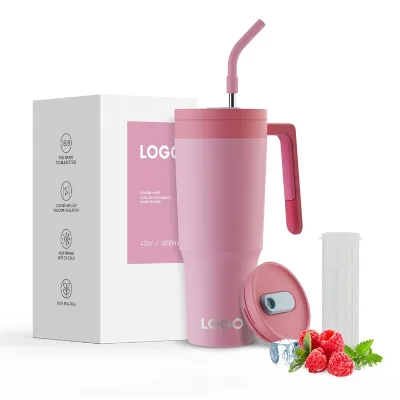

40oz Stainless Steel Insulated Tumbler with Handle & Straw Leakproof Travel Mug
$3.05 - $4.28
MOQ: 100 Pieces


Stainless Steel Vacuum Insulated Tumbler with Retractable Straw for Travel
$6.70 - $7.40
MOQ: 1000 Pieces


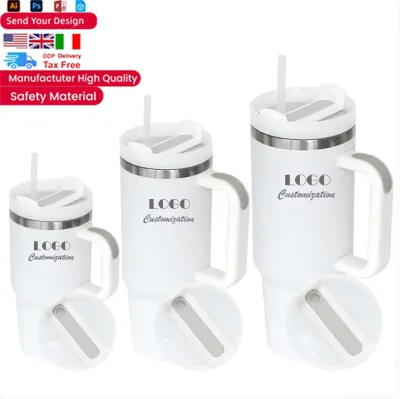


40oz Stainless Steel Insulated Travel Tumbler with Straw Lid Custom Bulk Supply
$1.39 - $2.40
MOQ: 100 Pieces

Customizable Stainless Steel Insulated Tumbler with Handle Straw Travel Mug
$3.68 - $3.98
MOQ: 200 Pieces


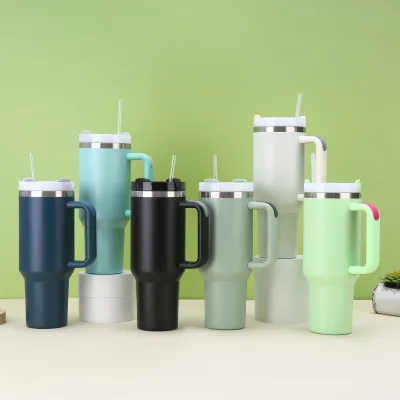
Comprehensive Sourcing Guide
Insulated Camping Tumbler with Lid and Straw Sourcing Guide
Buyers must first distinguish between general travel tumblers and specialized camping units by verifying specific capacity and insulation claims. The market data indicates a wide range of capacities, from 24 oz to 40 oz, with insulation times varying significantly between 12 and 48 hours depending on the specific model. Procurement teams should prioritize suppliers who explicitly state double-wall vacuum insulation capabilities, as this is the primary mechanism for maintaining beverage temperature during extended outdoor exposure.
When evaluating product listings, attention must be paid to the presence of lids and straws, which are critical for spill prevention in rugged environments. Some observed listings feature dual-lid configurations or specific straw-compatible designs, while others focus on standard travel lids. Buyers should confirm that the selected model includes a secure lid mechanism and a straw option if the intended use involves active movement, ensuring the product meets the functional requirements of camping scenarios without relying on unverified marketing claims.
Product Scope and Observed Listing Signals
The observed product scope reveals a diverse array of stainless steel tumblers designed for unisex use across indoor, outdoor, and in-car settings. Listings frequently highlight customization options for logos and colors, suggesting that many suppliers offer tailored branding for corporate or retail clients. The material composition is consistently noted as stainless steel, often specified as SS304, which provides the necessary durability and corrosion resistance required for camping gear exposed to varying environmental conditions.
Pricing signals in the current market range from approximately $0.99 to $8.00, reflecting differences in material quality, insulation performance, and order volume. Minimum order quantities vary drastically, from as low as 2 pieces for samples to 5,000 pieces for bulk production, indicating a flexible supply chain structure. Buyers should analyze these signals to determine whether they are sourcing for immediate sample evaluation or large-scale inventory replenishment, ensuring the selected supplier aligns with their specific volume requirements and budget constraints.
Technical Specifications to Verify
Verification of the physical dimensions and standard specifications is essential to ensure the tumbler fits intended storage and usage scenarios. Observed data points to specific dimensions such as 21.5×7.0 cm and various capacities including 24 oz and 40 oz, which directly impact portability and drink volume. Buyers must cross-reference these measurements with their packaging and shipping requirements, as the physical footprint of the product influences logistics costs and shelf space allocation in retail environments.
Insulation performance is a critical technical parameter that requires strict validation against supplier claims. While some listings advertise insulation times of up to 48 hours, others specify 12 or 24 hours, necessitating a clear understanding of the testing conditions under which these figures were derived. Procurement teams should request detailed technical sheets that define the hot and cold retention capabilities, ensuring the product can reliably maintain beverage temperature for the duration of a typical camping trip or outdoor excursion.
Compliance and Safety Documentation
Safety compliance is paramount when sourcing food-contact products, particularly those intended for holding hot and cold beverages. Buyers should verify that the stainless steel construction is free from harmful substances such as BPA, lead, and phthalates, as these are common safety concerns in insulated drinkware. Documentation confirming the material safety and non-toxic nature of the product is essential to meet regulatory standards in target markets and to protect the brand from potential liability issues.
Packaging standards also play a significant role in product safety and presentation during transit. Observed packaging methods include OPP bags, cartons, and white boxes, each offering different levels of protection against damage and contamination. Buyers must ensure that the chosen packaging method maintains the integrity of the tumbler and its accessories, such as lids and straws, throughout the supply chain. Additionally, verifying that the packaging materials themselves are safe and compliant with relevant environmental regulations is a necessary step in the procurement process.
Cost Drivers and Commercial Terms
The cost of insulated camping tumblers is heavily influenced by the complexity of customization and the volume of the order. Suppliers offering custom logos, colors, and specific design features often have higher unit costs, which are mitigated by larger order quantities. Buyers should carefully evaluate the trade-off between customization levels and total cost, ensuring that the added expense aligns with the perceived value and branding strategy for the final product.
Commercial terms, including minimum order quantities and sample lead times, vary significantly among suppliers and must be negotiated to fit the buyer's operational timeline. Sample times can range from 3 to 7 days, while production lead times are not explicitly stated but are implied to be longer for bulk orders. Procurement teams should establish clear agreements on payment terms, shipping responsibilities, and delivery schedules to avoid delays and ensure a smooth transition from sample approval to mass production.
Supplier Qualification and Quality Control
Supplier qualification requires a thorough assessment of their manufacturing capabilities and quality control processes. Buyers should verify the supplier's origin, with many listings indicating production in China, specifically in regions like Zhejiang and Guangdong. Understanding the supplier's location helps in assessing logistics costs and potential risks associated with international trade, while also providing insight into the local manufacturing ecosystem and expertise in stainless steel production.
Quality control measures must be robust to ensure consistency across large production runs. Buyers should implement pre-shipment inspections to verify that the tumblers meet the specified standards for insulation, leak-proofing, and material integrity. Establishing a clear quality assurance protocol, including random sampling and functional testing of lids and straws, is essential to maintain product reliability and customer satisfaction. Regular communication with the supplier regarding quality metrics helps in identifying and resolving issues before they impact the final delivery.
Long-Term Procurement Checks
Long-term procurement success depends on maintaining a reliable supply chain and adapting to market changes. Buyers should regularly review supplier performance metrics, including on-time delivery rates, product quality consistency, and responsiveness to issues. Building a strong relationship with suppliers fosters trust and facilitates better communication, which is crucial for addressing any challenges that may arise during the production or delivery phases.
Continuous monitoring of product specifications and market trends ensures that the sourced tumblers remain competitive and relevant. As consumer preferences evolve, buyers must stay informed about new features, materials, and design trends that could enhance the product's appeal. Regularly updating procurement strategies based on these insights helps in maintaining a competitive edge and ensuring that the product line continues to meet the evolving needs of the target market.
FAQs
What is the standard capacity for insulated camping tumblers with straws?
The standard capacity observed for these tumblers is 40 oz. This size is suitable for outdoor activities and travel, providing enough volume for a full day of hydration. Buyers should verify the specific model dimensions to ensure it fits their storage needs.
How long does the insulation keep drinks cold or hot?
Insulation performance varies by model, with observed times ranging from 12 to 48 hours. Most standard double-walled stainless steel tumblers maintain temperature for 24 hours. The exact duration depends on the specific product design and ambient conditions during use.
What material is used for the tumbler body?
The primary material is 304 stainless steel, which is durable and resistant to corrosion. This grade of steel is commonly used for food-grade containers to ensure safety and longevity. It provides a robust structure for double-wall insulation and leak-proof performance.
Can I customize the logo and color of the tumbler?
Yes, customization for both logo and color is available. Suppliers offer options for custom branding, which is ideal for corporate gifts or promotional items. You can request specific color schemes and logo placements to match your brand identity during the ordering process.
What is the typical MOQ for ordering these tumblers?
The minimum order quantity varies significantly, with observed ranges from 2 to 5000 pieces. Some suppliers allow small trial orders of 2 pieces, while others require bulk orders of 300 or 500 pieces. Check the specific supplier's policy to determine the best fit for your volume.
What packaging options are available for these tumblers?
Common packaging includes OPP bags with boxes or standard cartons. Some models come in white box packing, which is suitable for retail display. You can discuss specific packaging requirements with the supplier to ensure the product arrives in the condition needed for your sales channel.
Where are these insulated tumblers manufactured?
The products are primarily manufactured in China, with specific origins noted in Zhejiang and Guangdong. These regions are known for their strong manufacturing capabilities in stainless steel products. Sourcing from these locations often provides competitive pricing and established supply chains for global buyers.