Source Insulated Electric Voltage Detector Pen for Home, Industry, and Testing
Find 30 insulated electric voltage detector pens with features like digital displays, LED lights, and AC power sources. Buyers can compare specifications including test ranges, materials, and customization options from suppliers in China.
Key considerations
Products List


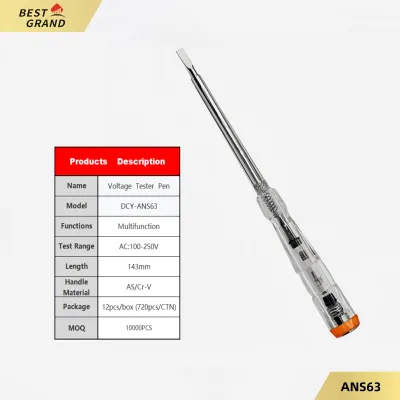
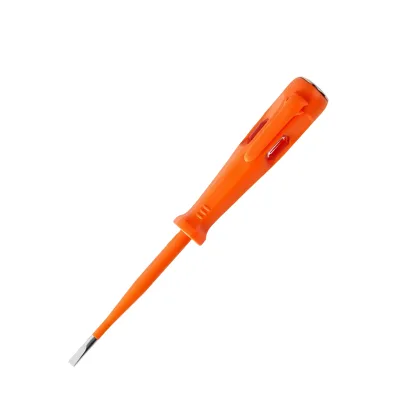
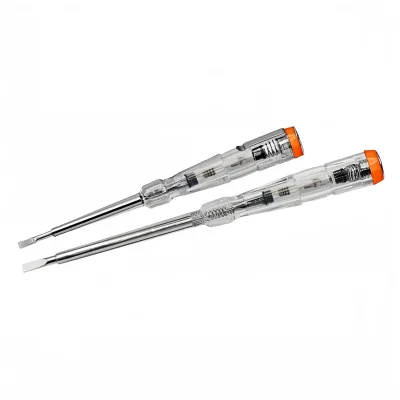
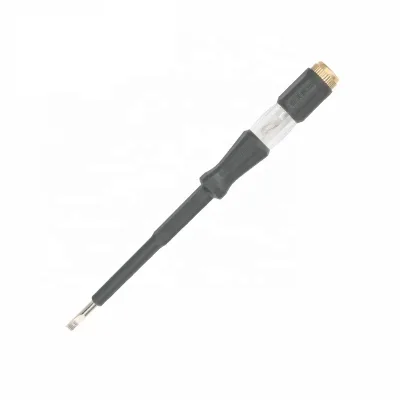


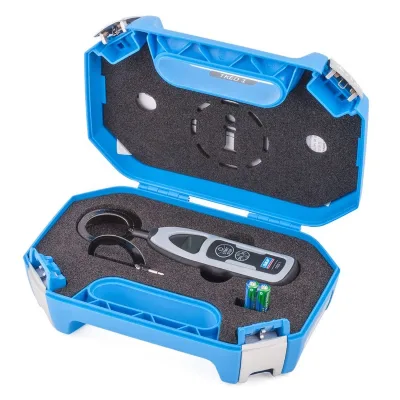
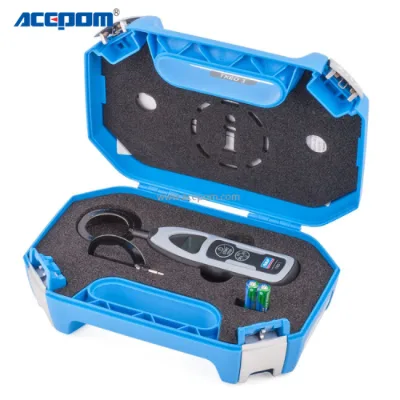
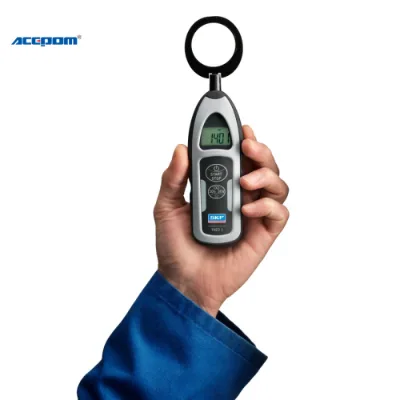
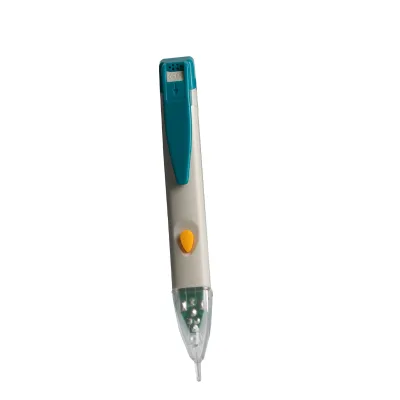
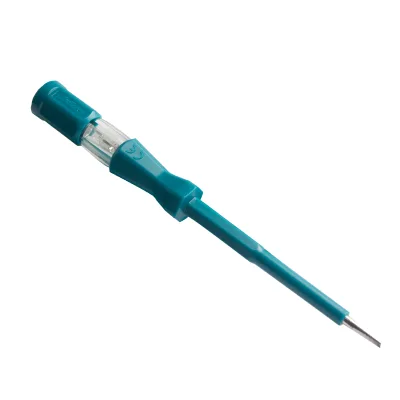
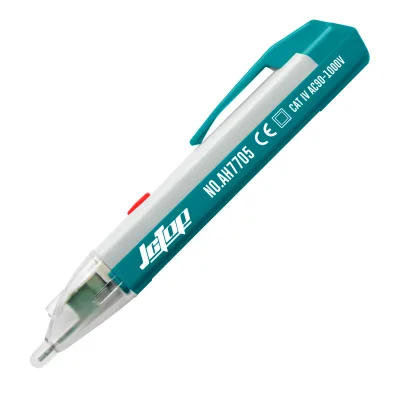
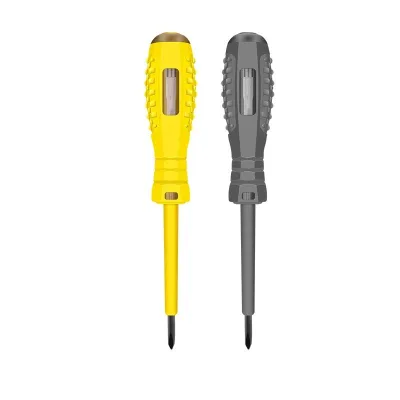
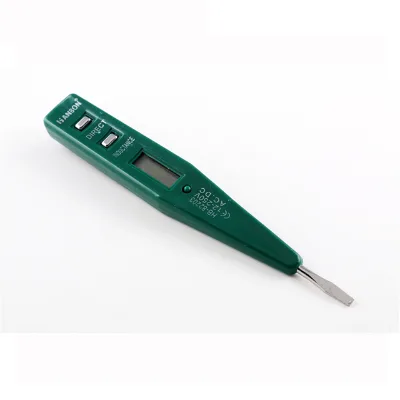
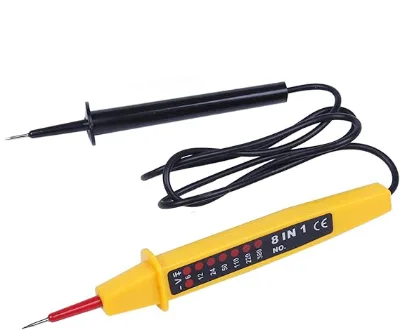
Test Pencil Voltage Detector Pen Digital Electrical Fiber Optic test Pen
$0.37 - $0.52
MOQ: 1000 pieces
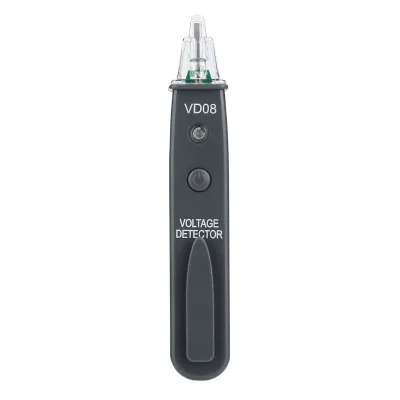


Comprehensive Sourcing Guide
Strategic Sourcing Guide for Insulated Electric Voltage Detector Pens
Procuring insulated electric voltage detector pens requires a rigorous approach that balances immediate safety needs with long-term supply chain reliability. These tools are critical for electricians, maintenance technicians, and industrial safety officers who must verify the absence of voltage before handling electrical systems. The market offers a diverse array of models, ranging from simple non-contact testers to more complex digital units, each with distinct specifications regarding insulation, detection range, and build quality. This guide outlines the essential factors for evaluating suppliers and products, ensuring that the selected equipment meets the stringent safety standards required for professional use.
Technical Specifications and Functional Diversity
The core functionality of an Insulated Electric Voltage Detector Pen relies on its ability to detect voltage without direct physical contact with live conductors, or through direct connection in specific configurations. When analyzing product listings, buyers must distinguish between different detection theories. The available data indicates the presence of "Machine-electric Type" devices, which often utilize specific internal circuitry to amplify weak electric fields. Furthermore, the power source is a critical differentiator; while some units operate on AC power for direct connection, others are battery-operated or rely on the induced current from the field being tested.
A significant portion of the market focuses on LED-based indicators. Products are frequently described as "LED Tester Pen with Flashing Light," where the illumination serves as the primary visual cue for voltage presence. The intensity and behavior of the light, such as flashing versus steady, can indicate different voltage levels or fault conditions. In terms of display technology, while many traditional pens rely on simple LEDs, the market also includes "Digital" display options that may offer more granular feedback, such as specific voltage readings or battery status indicators.
Physical dimensions and material composition are equally vital for usability and safety. The handle and blade materials determine the tool's durability and insulation properties. Common specifications include handles made from ABS+AS or AS materials, paired with blades constructed from CR-V (Chrome Vanadium) steel. This combination ensures the tool can withstand mechanical stress while maintaining electrical isolation. Length specifications vary significantly, with observed ranges including 142mm, 143mm, and 15.6cm. Buyers should verify that the length of the insulated section is sufficient to provide the necessary safety margin for the specific voltage levels they intend to test. The test range is another critical parameter; for instance, some units are rated for an AC range of 100-250V, which defines the operational envelope of the device.
Compliance, Certification, and Safety Standards
Safety is the paramount concern when sourcing electrical testing equipment. While specific certification statuses vary by manufacturer, buyers must demand verifiable proof of compliance with international and regional safety standards. The presence of ISO9001 certification is a strong indicator that a supplier adheres to a recognized quality management system, suggesting a consistent manufacturing process. However, ISO9001 alone does not certify the safety of the specific product; it certifies the process.
Buyers must specifically look for compliance with electrical safety standards relevant to their operating region. Although general industry knowledge often references standards like IEC 61243-3 for electrical testing equipment, this specific standard should be treated as a reference point for verification rather than an automatic attribute of every listed product. The actual product data provided does not explicitly confirm IEC compliance for all items, so procurement teams must request specific test reports or certificates of conformity from the supplier.
In addition to electrical safety, the physical construction must meet durability standards. The "Insulated" nature of the pen implies that the tool must withstand high voltage without breakdown. Buyers should verify that the insulation material is rated for the specific voltage class of the application. For example, a pen used in a 250V environment requires different insulation thickness and dielectric strength than one used in a 1000V industrial setting. The warranty period, which ranges from 6 months to 3 years in observed listings, can also serve as a proxy for the manufacturer's confidence in their product's safety and longevity. A longer warranty often correlates with higher quality control measures, though it should not be the sole criterion for selection.
Cost Drivers and Pricing Dynamics
The pricing of insulated electric voltage detector pens is influenced by a complex interplay of factors, including material costs, manufacturing complexity, and order volume. The observed price range in the market spans from $0.01 to $800.07, a vast disparity that reflects the difference between basic, single-use units and high-precision, industrial-grade devices with advanced digital features.
The primary cost driver is the material composition. Pens utilizing high-grade CR-V steel for the blade and robust ABS+AS composites for the handle will inherently cost more than those using lower-grade plastics or metals. The inclusion of electronic components, such as the LED flashing mechanisms or digital displays, also adds to the unit cost. Furthermore, the "Customization" aspect plays a significant role. Products offering OEM (Original Equipment Manufacturer) or ODM (Original Design Manufacturer) support often carry a higher price point due to the tooling and engineering costs involved in branding and design modifications.
Order volume is another critical determinant of cost. The Minimum Order Quantity (MOQ) varies widely, from as low as 1 unit to as high as 10,000 pieces. Suppliers typically offer tiered pricing structures where the unit cost decreases significantly as the order volume increases. For buyers with large procurement needs, negotiating based on volume can yield substantial savings. However, buyers must balance the cost benefits of bulk purchasing against the risks of inventory holding and potential obsolescence. It is essential to understand that the lowest unit price does not always equate to the best value; a slightly higher-priced unit with a longer warranty and better certification may offer a lower total cost of ownership over time.
Typical Applications and Usage Scenarios
Insulated electric voltage detector pens are designed for a wide range of applications, from residential maintenance to heavy industrial operations. The product data indicates usage in "Standard Electric Energy Meter" contexts and for "Industry and Home Use." This versatility suggests that the tool is suitable for general-purpose electrical testing, including verifying the presence of voltage in household wiring, control panels, and industrial machinery.
In industrial settings, the "Direct Connected" installation type is relevant for scenarios where the tester is integrated into a system or used for specific diagnostic procedures that require physical contact. Conversely, "Portable Precise" installation types are ideal for field technicians who need to move quickly between different work sites. The "Electric Tester Pen" is particularly useful for troubleshooting electrical faults, ensuring safety before performing maintenance, and verifying the de-energization of circuits.
The specific model number, such as LH-DHX2.3-250716 or DCY-ANS63, often correlates with specific application requirements. For instance, a pen with a 143mm length might be preferred for accessing tight spaces in electrical panels, while a 15.6cm unit might be better suited for general-purpose use where reach is less critical. The "Color" options, such as Yellow, Grey, or As Picture, can also influence selection, as color coding is often used in industrial safety protocols to distinguish between different voltage classes or tool types.
Supplier Evaluation and Customization Capabilities
Selecting the right supplier is as important as selecting the right product. The market data reveals a mix of suppliers offering both standard and customized solutions. The "Customization" attribute is marked as "Available" for some products, while others are listed as "Non-Customized." This distinction is crucial for buyers who require branded tools or specific modifications to meet unique operational requirements.
Suppliers offering "OEM /ODM" support are typically better equipped to handle custom branding, packaging, and design specifications. The "Brand Name" field shows entries like "OEM/ODM (BEST GRAND)" and "BOSI," indicating that many manufacturers are willing to produce under the buyer's brand. This capability is essential for companies that want to maintain a consistent brand identity across their safety equipment.
When evaluating suppliers, buyers should look for evidence of a robust quality management system, such as ISO9001 certification. The "Place of Origin" is another factor; many products originate from "Zhejiang, China," a region known for its manufacturing capabilities in electrical components. However, origin alone should not be the deciding factor. Buyers must assess the supplier's track record, their ability to meet lead times, and their responsiveness to quality issues. The "Warranty" period, ranging from 6 months to 3 years, is a tangible metric of supplier confidence. A supplier offering a 3-year warranty is likely more committed to product quality than one offering only 6 months.
Quality Control and Long-Term Procurement Considerations
Ensuring consistent quality in the supply of voltage detector pens requires a proactive approach to quality control. Buyers should implement a rigorous inspection protocol that includes checking for physical defects, verifying the functionality of the LED indicators, and testing the insulation integrity. The "Packing" specifications, such as "Box Packaging 40 Pieces/Box" or "Small Box," should be reviewed to ensure that the packaging protects the tools during transit and storage.
Long-term procurement considerations extend beyond the initial purchase. Buyers should evaluate the availability of spare parts, the consistency of the supply chain, and the supplier's ability to scale production if demand increases. The "Selling Units" field, which lists "Single item" for some products, suggests flexibility in ordering, but buyers should be aware of potential price penalties for small, frequent orders compared to bulk purchasing.
Furthermore, the "Test range" and "Theory" of operation should be regularly re-evaluated as technology evolves. A pen that meets current standards may become obsolete if new safety regulations are introduced. Buyers should maintain a relationship with their supplier to stay informed about product updates and improvements. The "LED Light" feature, while standard, should be verified for brightness and reliability, as a dim or inconsistent light can compromise safety.
In conclusion, sourcing insulated electric voltage detector pens requires a comprehensive understanding of technical specifications, safety standards, and supplier capabilities. By carefully evaluating these factors, buyers can ensure they acquire high-quality tools that meet their specific operational needs and maintain the highest standards of safety. The vast range of options available, from basic LED pens to advanced digital testers, offers significant flexibility, but it also demands a disciplined approach to selection and quality assurance.
FAQs
What types of voltage detector pens are available?
Available types include LED tester pens with flashing lights and digital display models. Some units feature electrostatic DC voltmeter types while others use electric AC voltmeter types for direct connection or portable precise installation.
Can I get customized insulated voltage detector pens?
Customization is available for many models with OEM and ODM support options. Buyers can request specific branding or modifications, though some standard items remain non-customized with fixed specifications like the LH-DHX series models.
What certifications do these voltage testers have?
Some products carry ISO9001 certification indicating adherence to quality management systems. Buyers should verify specific safety standards as the guide notes general industry references but does not confirm universal compliance for every listed item.
How long is the warranty for these tools?
Warranty periods vary significantly from 6 months to 3 years depending on the manufacturer. A longer warranty often reflects higher quality control, but specific terms must be confirmed for each model like the DCY-ANS63 or LH-MQ series.
What is the minimum order quantity for bulk purchase?
Minimum order quantities range from 1 piece up to 10,000 pieces depending on the supplier. Specific listings show MOQs of 3,000 or 10,000 pieces, while others allow single item purchases for smaller needs.
Where are these voltage tester pens manufactured?
Most products originate from Zhejiang, China, which is a known manufacturing hub for electrical components. The place of origin is explicitly listed as China for the majority of the observed product listings in the market data.
What materials are used for the handles and blades?
Handles are commonly made from ABS, AS, or a combination of ABS and AS materials. Blades typically use CR-V steel for durability, ensuring the tool withstands mechanical stress while maintaining electrical isolation during testing.