Find Integrated Bitumen Melting Machine for Road Construction
Explore 11 Integrated Bitumen Melting Machine options designed for asphalt pavement projects. Compare specifications such as capacity, power, and dimensions to identify the right equipment for your construction needs; compare the available evidence and request quotations based on your requirements.
Key considerations
Products List


Automation Bitumen Melting Machine Bitumen Melting Box for Asphalt Plant
$20000.00 - $65000.00
MOQ: 1 Sets


Advanced Bag Bitumen Melting Asphalt Machine, Engineering Excellence
$44000.00 - $75000.00
MOQ: 1 Sets
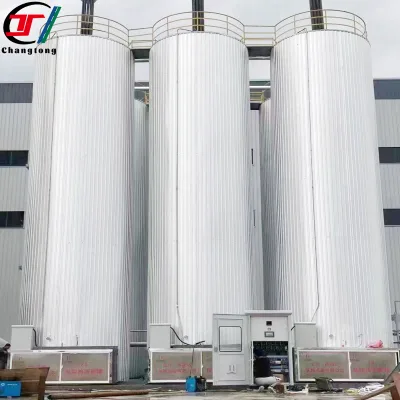


New Hot Melt Intelligent Temperature Control Asphalt Grouting Machine
$1000.00 - $4285.00
MOQ: 1 Pieces


Comprehensive Sourcing Guide
Integrated Bitumen Melting Machine Sourcing Guide
Procuring an Integrated Bitumen Melting Machine requires careful evaluation of mobile versus stationary configurations to match specific road construction workflows. The observed market data indicates a strong presence of mobile units designed for asphalt concrete pavement applications, offering flexibility for projects requiring on-site material processing. Buyers must prioritize units with a capacity range of 4 to 15 tons per hour, as this aligns with the typical productivity needs of medium-scale infrastructure projects.
Selection should also focus on the heating mechanism, specifically whether the system utilizes continuous melting or batch processing. The available listings highlight continuous melting types that operate with thermal oil transfer temperatures between 200 and 240 degrees Celsius, ensuring consistent bitumen quality. Understanding these operational parameters is essential for determining if the equipment can maintain the required heating temperature of 120 to 140 degrees Celsius for the specific asphalt mix being produced.
Product Scope and Observed Listing Signals
The product scope for integrated bitumen melting machines typically centers on asphalt equipment designed for heating and storing bitumen in various forms. Listings frequently describe these units as having a horizontal cylinder shape with a capacity ranging from 11 to 27 cubic meters, suitable for storing modified bitumen emulsion or normal bitumen emulsion. Buyers should verify the physical dimensions, as observed models often measure approximately 12 meters in length, which impacts transport logistics and on-site placement requirements.
Commercial signals in the market suggest a wide variance in power consumption and total weight, with some units weighing as little as 5,000 kilograms while others reach up to 24 tons. This variation often correlates with the total power rating, which can range from 26 kilowatts to 90 kilowatts depending on the specific burner and pump configuration. Procurement teams must cross-reference these specifications against their site power availability to ensure the selected machine can operate without requiring extensive electrical infrastructure upgrades.
Technical Specifications to Verify
Technical verification must begin with the core components, specifically the bearing, pump, burner, and hydraulic push systems that drive the melting process. The observed data indicates that these machines often utilize carbon steel construction, which provides durability but requires inspection for corrosion resistance in harsh environments. Buyers should confirm the voltage requirements, noting that units may operate on 220V or 380V systems, and ensure compatibility with local grid standards before finalizing the purchase.
Performance metrics such as the melting type and product capacity are critical for operational efficiency. While some listings specify a capacity of less than 40 tons per hour, others focus on a narrower range of 4 to 10 tons per hour for specific applications. It is vital to validate the actual output against the claimed productivity, as the heating temperature and transfer oil temperature directly influence the viscosity and flow rate of the melted bitumen during continuous operation.
Compliance and Safety Documentation
Compliance verification is essential for international procurement, particularly regarding certifications like CE and ISO9001 which are frequently cited in product listings. These certifications indicate that the manufacturing process adheres to specific quality management and safety standards, though buyers must request current certificates rather than relying on general claims. The presence of these marks suggests a baseline level of safety in electrical and mechanical design, which is crucial for equipment operating at high temperatures.
Safety documentation should also include details on the machinery test report and video outgoing-inspection availability. While some suppliers provide video inspections to demonstrate the machine's condition before shipping, others may not have a formal machinery test report available. Procurement teams must explicitly request these documents to verify that the core components have been tested for reliability and that the unit meets the safety requirements of the destination country's regulatory framework.
Cost Drivers and Commercial Terms
Cost drivers for integrated bitumen melting machines are heavily influenced by the total power rating and the complexity of the heating system. Units with higher power ratings, such as those ranging from 60 to 90 kilowatts, typically command higher prices due to the advanced burners and pumps required. Additionally, the weight of the machine affects shipping costs, as heavier units may require specialized containers or freight arrangements, directly impacting the total landed cost for the buyer.
Commercial terms often involve shipping via a single 40-foot high cube container, which dictates the packaging and loading constraints. Buyers should be aware that the observed price range spans from 1,000 to 95,000 USD, reflecting significant differences in capacity, automation level, and included features. It is important to clarify whether the quoted price includes after-sales services like video technical support or online assistance, as these can reduce long-term operational risks.
Supplier Qualification and Quality Control
Supplier qualification should focus on the availability of after-sales support, including video technical support and online assistance for troubleshooting. The observed listings indicate that many suppliers offer free spare parts and video support, which are critical for maintaining uptime in remote road construction sites. Buyers must verify the warranty terms for core components, noting that a one-year warranty is a common standard but may vary based on the specific supplier agreement.
Quality control processes should include a review of the production capacity and the origin of the machinery. Most observed units originate from Shandong, China, a region known for heavy machinery manufacturing, but buyers should still verify the production capacity claims of 4 to 15 tons per hour. Requesting a video outgoing-inspection allows the buyer to visually confirm the assembly quality and ensure that the machine matches the described specifications before it leaves the factory.
Long-Term Procurement Checks
Long-term procurement checks must prioritize the availability of spare parts and the durability of the core components under continuous operation. Since the machinery relies on critical parts like pumps and burners, buyers should assess the supplier's ability to provide replacements quickly to minimize downtime. The warranty period for these components is a key indicator of the manufacturer's confidence in their product, and a one-year coverage should be clearly defined in the contract.
Buyers should also establish a protocol for ongoing technical support, ensuring that the supplier provides accessible video and online assistance for the life of the machine. The integration of the machine into existing road construction workflows requires a seamless transition, which is facilitated by suppliers who offer comprehensive training and support. Regular performance reviews against the initial productivity claims will help determine if the equipment continues to meet the heating and melting requirements over time.
FAQs
What is the production capacity of this Integrated Bitumen Melting Machine?
The production capacity ranges from 4 to 15 tons per hour depending on the specific model configuration. This output level supports medium-scale road construction projects efficiently while maintaining consistent heating performance for asphalt materials.
Which certifications does the Integrated Bitumen Melting Machine hold?
The machine holds CE and ISO9001 certifications ensuring compliance with international safety and quality standards. These credentials verify that the equipment meets rigorous manufacturing requirements for reliable operation in various industrial environments.
How is the Integrated Bitumen Melting Machine powered and what is its voltage?
The unit operates on 380V or 220V electrical systems with a total power consumption between 26 and 36 kilowatts. This flexible voltage requirement allows installation in facilities with different power infrastructure capabilities without major modifications.
Can the Integrated Bitumen Melting Machine be shipped in a single container?
Yes, the machine fits into a single 40-foot high cube container for efficient international shipping. This packaging solution minimizes logistics complexity and ensures the equipment arrives safely at the destination site ready for immediate installation.
What warranty is provided for the core components of the machine?
A one-year warranty covers all core components including bearings, pumps, burners, and hydraulic pushes. This guarantee protects your investment against manufacturing defects and ensures long-term operational reliability for your asphalt processing needs.
What after-sales services are available for the Integrated Bitumen Melting Machine?
Support includes video technical assistance, online guidance, and free spare parts delivery for maintenance needs. These services ensure continuous operation and quick resolution of any technical issues that may arise during the equipment lifecycle.