Source Intelligent Bidet Toilet Seat for Home, Hotel, and Spa
Find 30 Intelligent Bidet Toilet Seat options featuring electric heating, hot air drying, and slow-close functions. Compare models like E2200 and A1002 with varying sizes, materials, and customization capabilities from suppliers in China.
Key considerations
Products List


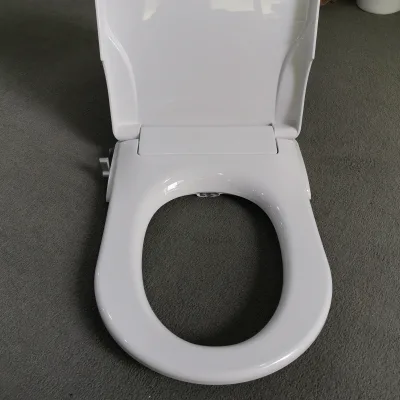

Bathroom Accessory Sanitary Ware Good Quality U Shape Smart Bidet Toilet Seat
$18.30 - $18.50
MOQ: 200 Pieces


New Design Fashion Instant Heated Seat PP Smart Intelligent Toilet Seat
$18.30 - $18.50
MOQ: 200 Pieces


Smart Toilet Seat Bidet Cover Intelligent Heating Seat Factory Directly Sale
$90.00 - $100.00
MOQ: 10 Pieces


Electric Bidet Intelligent Smart Bathroom Toilet Seat Cover with Remote Control
$107.00 - $112.00
MOQ: 100 Pieces


Comprehensive Sourcing Guide
Strategic Sourcing Guide for Intelligent Bidet Toilet Seats
Understanding the Product Landscape and Core Specifications
The global market for intelligent bidet toilet seats has evolved from a luxury niche to a standard expectation in modern residential and commercial plumbing. When sourcing these units, buyers must first distinguish between the various functional configurations available. Based on current market observations, the core product category encompasses "Intelligent Toilet Seats" that integrate multiple hygiene and comfort features into a single unit. These devices are distinct from traditional bidets due to their electronic integration, which allows for automated functions such as heated water, air drying, and remote operation.
A critical aspect of the product specification is the heating mechanism. The market currently features two primary technologies: "Washer Electric Heating" and "Hot Air Blowing." The electric heating system provides immediate hot water for the wash cycle, ensuring consistent temperature regardless of the volume of water used. Conversely, the hot air blowing function serves as a drying mechanism, offering a hygienic alternative to paper towels. Buyers should verify that the specific model they are considering includes both capabilities if a complete hygiene solution is required. The integration of these systems often dictates the electrical requirements of the unit, necessitating a compatible power supply.
The physical design and installation type are equally vital for procurement planning. Most modern units are designed for "Wall Mounted" installation, which simplifies the plumbing connection and provides a sleek aesthetic. The "Single Hole" tap hole configuration is standard for these wall-mounted units, reducing the complexity of the plumbing infrastructure required during retrofitting. In terms of form factor, the "Elongated" shape is the predominant style, offering enhanced comfort and compatibility with a wider range of toilet bowls compared to round or square alternatives. The "European Style" design language is prevalent, characterized by clean lines and minimalist aesthetics that blend seamlessly with contemporary bathroom interiors.
Material selection significantly impacts the durability and hygiene of the final product. The primary body of these seats is often constructed from "Plastic," specifically "PP" (Polypropylene), which offers excellent resistance to chemicals, moisture, and impact. For the hinge mechanism, "Stainless Steel" is the preferred material due to its corrosion resistance and structural integrity, ensuring the seat remains functional over years of use. The weight of these units typically averages around "2kgs," a factor that influences shipping costs and the structural requirements of the mounting surface.
Technical Configuration and Functional Attributes
Beyond the basic heating and material specifications, the functional attributes of an intelligent bidet seat define its user experience and operational efficiency. A key feature observed in the current market is the "Slow Down" or "Soft Close" mechanism. This attribute ensures that the lid and seat lower gently, preventing slamming noises and reducing wear on the hinges. This feature is often highlighted as a primary "Feature" alongside electronic bidets and LED lighting, which adds a modern touch and aids in visibility during low-light conditions.
The control interface is another critical technical consideration. While some advanced models include a "Telecontroller" or remote control for convenient operation from a distance, other configurations may not include this accessory. Buyers must verify the presence of a remote control if the installation location makes physical access to the unit difficult. The "Pattern" of the seat surface is another variable; some models are available "Without Pattern," offering a smooth, easy-to-clean surface, while others may feature textured designs. The "Color" options are diverse, with "Multi Color" availability allowing for customization to match specific bathroom decors.
The application scope of these units is primarily "Home" usage, designed for "Adult" users. However, the versatility of the design allows for broader applications. The "Application" profile often includes "Slow Closed" functionality for the seat, while "Application1" and "Application2" categories highlight "Heated and Drying" capabilities and "Smart and Intelligent" features, respectively. These classifications help buyers identify units that meet specific hygiene and comfort standards. The "Buffer Cover plate" is a structural component found in some models, providing additional protection and stability to the mounting system.
Electrical compatibility is a frequent point of confusion in international procurement. The "Power Adaptor" specifications often vary by region, with some units designed to support "Different Country" standards. This flexibility is crucial for buyers sourcing products for export or for international hotel chains. The "After-sale Service" model typically includes "online guidance," ensuring that installation and troubleshooting can be managed remotely without the need for immediate on-site technician visits. The "Description" of the product often emphasizes the material composition, such as "PP bidet toilet seat," to highlight the durability and ease of maintenance.
Compliance, Standards, and Certification Verification
Navigating the regulatory landscape is essential for importing intelligent bidet toilet seats into various markets. While specific certification status cannot be guaranteed for every listed product without direct verification, buyers should be aware of the standards that typically govern this category. In the European market, compliance with EN 1717 and EN 997 is often expected for sanitary ware and bidet products. These standards address safety, performance, and hygiene requirements. Similarly, environmental regulations in many regions require adherence to CE, RoHS, and REACH directives, which limit the use of hazardous substances and ensure electrical safety.
Buyers must treat certification claims as observations rather than absolute facts until verified by the supplier. The provided data indicates that certain standards and certifications are relevant to the category, but it does not confirm that every specific model listed possesses them. Therefore, the procurement strategy must include a rigorous request for documentation. Buyers should explicitly ask for test reports and certificates of conformity from accredited third-party laboratories. This is particularly important for electrical components, where CE marking indicates compliance with European health, safety, and environmental protection standards.
The "prod_standard" dimensions listed in product descriptions, such as 517370mm or 370*515mm, serve as physical benchmarks rather than regulatory standards. These measurements define the footprint of the unit and are critical for ensuring compatibility with existing toilet bowls. Buyers should verify that the physical dimensions of the selected model match the specifications of the target toilet to avoid installation failures. The "Model Number" variations, such as E2200, E2101, E2102, E2100, and A1002, indicate different configurations within the product line, each potentially having unique compliance requirements based on their specific features and power ratings.
Cost Drivers and Pricing Structure Analysis
The pricing of intelligent bidet toilet seats is influenced by a complex interplay of factors, including material quality, feature set, and production volume. The observed price range in the market spans from 6 USD to 475.1 USD, reflecting the vast disparity between basic mechanical seats and fully featured electronic units. This wide range suggests that buyers must carefully align their budget with their specific functional requirements. Lower-priced items in this range may correspond to basic models with fewer electronic features or simpler construction, while higher-priced units likely include advanced heating systems, remote controls, and premium materials.
The Minimum Order Quantity (MOQ) is another significant cost driver. The observed MOQ range varies from 1 to 1000 units. This flexibility allows buyers to scale their orders based on their immediate needs and financial capacity. For small-scale retailers or individual projects, an MOQ of 1 unit provides an opportunity to test the product quality before committing to a larger purchase. Conversely, large-scale distributors or hotel chains may benefit from negotiating lower unit prices by ordering closer to the 1000 unit threshold. The "Superiority" of a product, described as having "at least two thickness and price" options, indicates that material thickness is a direct determinant of cost and durability.
Packaging and logistics also contribute to the total cost of ownership. The standard "prod_packing" configurations observed include 1PC/Box with 5PCS/CTN or 4PCS/CTN. These variations affect the number of cartons required for shipping and the overall volumetric weight, which directly impacts freight charges. Buyers should calculate the total landed cost, including shipping, insurance, and customs duties, rather than focusing solely on the unit price. The "Brand Name" and "Logo" customization options, such as "Customized" branding, may incur additional setup fees or higher per-unit costs, which should be factored into the budget.
Supplier Evaluation and Operational Capabilities
Selecting the right supplier requires a thorough evaluation of their operational capabilities and track record. The "prod_origin" data indicates that a significant portion of these products originates from Xiamen, China and Guangdong, China, two major manufacturing hubs known for their expertise in sanitary ware and electronics. Buyers should verify the specific factory location to ensure it aligns with their supply chain preferences and risk management strategies. The "Lead Time" for production is typically observed in the range of 25-30 Days, which is a critical factor for inventory planning and order fulfillment schedules.
Sample availability is another key indicator of supplier reliability. The "Sample Time" is noted as 3-5 Days, suggesting that suppliers are generally capable of providing quick turnaround for evaluation units. This allows buyers to assess the build quality, functionality, and finish of the product before placing a bulk order. The "After-sale Service" provision of "online guidance" is a positive sign, indicating that the supplier is committed to supporting the buyer post-purchase. However, buyers should also inquire about the "Warranty" terms, which are observed to be up to 5 Years for certain models. A longer warranty period often reflects the manufacturer's confidence in the product's durability and reliability.
The "Feature" set of the supplier's product line, such as "Slow-Close Toilet Seats," "Electronic Bidets," and "LED Toilet Seats," demonstrates their ability to produce diverse and technologically advanced units. Buyers should request a catalog or product sheet that details the full range of available models and their specific attributes. The "Design" aspect, described as "slim new design - super slim- half edge," highlights the supplier's focus on modern aesthetics. This attention to design can be a competitive advantage in markets where visual appeal is a primary purchasing driver.
Quality Control and Long-Term Procurement Strategy
Implementing a robust quality control (QC) protocol is essential for mitigating risks associated with international procurement. Given the electronic nature of intelligent bidet seats, buyers should prioritize testing for electrical safety, water resistance, and mechanical durability. The "Leakage Protection" feature is a critical safety mechanism that should be verified through functional testing. Buyers should also inspect the "Hinge Material" to ensure it is indeed "Stainless Steel" and capable of withstanding repeated use without corrosion or failure.
The "Weight" of the unit, typically around 2kgs, should be consistent across all units in a batch to ensure uniform quality. Variations in weight may indicate inconsistencies in material density or manufacturing processes. The "Shape" and "Size" specifications, such as 500*365 mm, must be strictly adhered to during production to guarantee compatibility with standard toilet bowls. Buyers should consider hiring third-party inspection agencies to conduct pre-shipment inspections, focusing on critical dimensions, functional tests, and visual defects.
For long-term procurement, establishing a clear communication channel with the supplier is vital. The "Remote Control" availability and "Telecontroller" features should be consistently maintained across production runs to avoid confusion for end-users. The "Application" of the product, whether for "Home" use or other settings, should be clearly defined in the product documentation to ensure the correct model is supplied. The "Color" options and "Pattern" variations should be managed through a standardized color chart to prevent discrepancies between samples and bulk orders.
Finally, buyers should consider the scalability of their supplier relationship. The ability to customize the "Logo" and adapt to different "Power Adaptor" requirements demonstrates the supplier's flexibility. As the market evolves, the supplier should be capable of incorporating new features and technologies, such as enhanced "Smart and Intelligent" capabilities or improved "Heated and Drying" efficiency. By maintaining a strategic partnership with a reliable supplier, buyers can ensure a steady supply of high-quality intelligent bidet toilet seats that meet the evolving demands of their customers.
FAQs
What heating technologies are available for intelligent bidet toilet seats?
The available heating technologies include washer electric heating and hot air blowing. Washer electric heating provides immediate hot water for washing, while hot air blowing serves as a drying mechanism. Buyers should verify that the specific model includes both capabilities if a complete hygiene solution is required.
Which installation types and shapes are standard for these units?
Most modern units are designed for wall-mounted installation with a single hole tap configuration. The predominant shape is elongated, offering enhanced comfort and compatibility with a wider range of toilet bowls compared to round alternatives. European style design is also prevalent for a minimalist aesthetic.
Can I find models with slow-close hinges and remote controls?
Yes, many models feature slow-down or soft-close mechanisms to prevent slamming and reduce wear. However, the presence of a remote control varies by model, with some configurations listed as having no remote. Buyers must verify the specific control interface if remote operation is a priority.
What materials are used for the seat body and hinges?
The primary body is often constructed from plastic, specifically PP, which offers excellent resistance to chemicals and moisture. The hinge mechanism typically uses stainless steel due to its corrosion resistance and structural integrity. These materials ensure the seat remains functional over years of use.
How do lead times and sample availability affect procurement planning?
The typical lead time for production ranges from 25 to 30 days. Sample time is generally shorter, noted as 3 to 5 days, allowing buyers to assess build quality before bulk orders. This flexibility helps in inventory planning and evaluating product reliability prior to commitment.
What is the observed price range and minimum order quantity?
The observed price range spans from 6 USD to 475.1 USD depending on features and material quality. The minimum order quantity varies from 1 to 1000 units, allowing flexibility for small retailers or large distributors. Buyers should align their budget with specific functional requirements to select the right tier.
Are there specific dimensions and warranty terms to consider?
Standard dimensions include sizes like 517*370mm and 370*515mm, which are critical for toilet bowl compatibility. Warranty terms are observed to be up to 5 years for certain models, reflecting manufacturer confidence. Buyers should verify physical dimensions match their existing toilet to avoid installation failures.