Source Intelligent Diesel Generator Battery Charger for Marine, Industrial, and Backup Power
Find and compare 30 Intelligent Diesel Generator Battery Charger options from verified suppliers. Evaluate specifications such as 12V compatibility, 3A to 6A output, and CE/TUV certifications to select the right unit for your backup power needs.
Key considerations
Products List


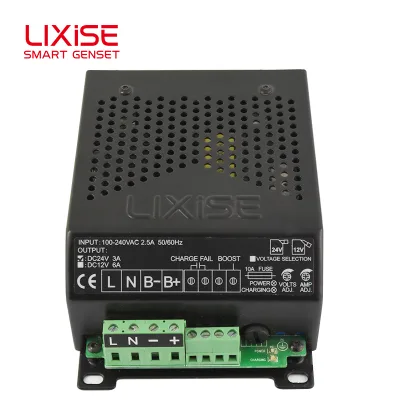


Original Smartgen DC12V/DC24V Generator Battery Charger Bac06A for Diesel Gensets
$25.00 - $35.00
MOQ: 1 Pieces


Diesel Generator Smartgen Automotive Lead Acid 12V 24V 6A Battery Charger Bac06A
$28.00 - $31.00
MOQ: 20 pieces


Comprehensive Sourcing Guide
Intelligent Diesel Generator Battery Charger Sourcing Guide
Procuring an Intelligent Diesel Generator Battery Charger requires a precise understanding of the specific electrical demands of your backup power systems. These devices are engineered to maintain the health of 12-volt lead-acid batteries used in diesel generators, ensuring reliable startup capability during critical moments. The "intelligent" designation typically refers to microprocessor-controlled charging cycles that adapt to battery conditions, preventing overcharging and extending the service life of the power source. Buyers must distinguish between generic chargers and those specifically optimized for the high-current demands of diesel engine starting batteries, which often differ significantly from standard automotive or solar applications.
The market for these components is characterized by a variety of form factors and output capabilities, ranging from compact units to robust industrial-grade models. Sourcing decisions should be driven by the physical constraints of the generator enclosure and the specific amperage requirements of the engine's starter motor. While some listings indicate compatibility with standard batteries, the most reliable units for diesel gensets are those explicitly rated for alternator and engine part applications. Understanding the distinction between a standard battery charger and one designed for the rugged environment of a diesel generator is the first critical step in defining a successful procurement strategy.
Product Scope and Observed Listing Signals
When evaluating product listings, buyers should look for specific signals that confirm the unit's suitability for diesel generator applications. The observed data indicates a strong presence of products labeled with keywords such as "intelligent battery charger" and "genset battery charger," often paired with applications explicitly mentioning alternators and diesel generators. These listings frequently highlight a nominal voltage of 12V, which is the industry standard for many medium-sized diesel units, though higher voltage systems exist. The presence of customization options in the supply chain suggests that buyers can request specific configurations to match unique generator models or installation environments.
Physical attributes observed in the market provide further clues regarding the intended use and durability of the units. Listings describe dimensions ranging from approximately 138mm to 183mm in length, with weights varying between 0.65kg and 0.75kg, indicating a range of portable to semi-fixed installations. The material composition is often noted as iron, suggesting a robust chassis capable of withstanding the vibrations and temperature fluctuations common in generator enclosures. Buyers should verify that the listed dimensions and weight align with their available mounting space, as the "1/3 AA" size specification found in some data points may refer to internal cell compatibility rather than the charger's external footprint.
Technical Specifications to Verify
The most critical technical parameter to verify is the rated current output, as this directly impacts the charging speed and the ability to recover deeply discharged batteries. The supply data reveals a variety of current ratings, including 3A, 5A, and 6A models, with some specifications citing a maximum output power of 135W. A 6A unit is generally more suitable for larger diesel engines that require a higher cranking current, while 3A or 5A models may suffice for smaller standby generators. Buyers must ensure the selected amperage matches the battery capacity and the generator's specific charging requirements to avoid undercharging or overheating the system.
Voltage stability and charging profile are equally vital for maintaining battery integrity in an intelligent charging system. The observed products consistently list a nominal voltage of 12V, but the internal regulation must be capable of handling the voltage spikes and drops inherent in generator operation. Specifications such as "12V 6A" or "LBC2403B" model numbers indicate specific engineering designs that should be cross-referenced with the generator's manual. Additionally, the physical size, such as the 1439655mm or 183x173x60mm dimensions, must be confirmed to ensure the unit fits within the designated battery compartment without obstructing airflow or other components.
Compliance and Safety Documentation
Safety and regulatory compliance are non-negotiable when sourcing electrical equipment for industrial applications. The available product data highlights several key certifications, including CE, TUV, and RoHS, which indicate adherence to European safety standards and restrictions on hazardous substances. These certifications are essential for ensuring that the charger does not pose a fire hazard or electrical shock risk in the generator environment. Buyers should request valid certification documents from the supplier to verify that the specific batch of units being purchased meets these standards, as compliance can vary between production runs.
In addition to safety certifications, quality management systems play a crucial role in ensuring consistent product performance. The presence of ISO9001 certification in the supply data suggests that the manufacturer follows a structured quality management process, which is a strong indicator of reliability. For diesel generator applications, where failure can lead to significant downtime, this level of quality assurance is vital. Buyers should also verify the warranty terms, as the observed data mentions a one-year guarantee, which serves as a baseline for the manufacturer's confidence in the product's durability and performance under load.
Cost Drivers and Commercial Terms
The cost of an Intelligent Diesel Generator Battery Charger is influenced by several factors, including the rated current, build quality, and the level of customization required. The observed price range in the market spans from 1 to 300 USD, reflecting the diversity of products from basic models to high-performance units with advanced features. Higher-priced units typically offer better regulation, more durable materials like iron casings, and comprehensive safety certifications. Buyers should be wary of prices that seem unusually low, as they may indicate compromised quality or a lack of necessary safety testing.
Commercial terms such as Minimum Order Quantity (MOQ) and packaging details significantly impact the total cost of ownership. The data indicates an MOQ range of 1 to 20 units, offering flexibility for both small-scale replacements and larger procurement projects. Packaging is typically standardized, with units often shipped as a single item per carton or in standard cartons, which simplifies logistics and storage. Buyers should also consider the stock availability, as some listings show a stock of 2000 PCS, which can be a critical factor for urgent procurement needs. Understanding these terms helps in planning the budget and ensuring timely delivery for generator maintenance schedules.
Supplier Qualification and Quality Control
Selecting a qualified supplier is paramount to ensuring the long-term reliability of the battery charger. The supply data points to manufacturers located in Guangdong, China, a region known for its electronics manufacturing capabilities. Buyers should verify the supplier's ability to provide OEM services, as the data confirms that customization is available. This capability allows for branding and specific technical adjustments that can integrate the charger seamlessly into existing generator systems. A supplier with a proven track record in producing components for diesel generators and alternators is more likely to deliver products that meet rigorous performance standards.
Quality control processes must be robust to handle the specific demands of the diesel generator market. The observation of a "Standard Component" classification suggests that these chargers are designed to meet established industry norms, but buyers should still request detailed quality assurance reports. The presence of a one-year warranty and a guarantee period indicates a commitment to product longevity, but it is essential to understand the terms of this warranty. Buyers should inquire about the supplier's defect rates and return policies to ensure that any potential issues can be resolved quickly without disrupting generator operations.
Long-Term Procurement Checks
Sustaining a reliable supply chain for diesel generator battery chargers requires ongoing monitoring of product performance and supplier stability. Buyers should establish a schedule for periodic quality audits to ensure that the chargers continue to meet the specified technical and safety standards over time. The initial verification of certifications like CE, TUV, and ISO9001 should be followed by regular checks to confirm that these standards are maintained in subsequent production batches. This proactive approach helps prevent the introduction of substandard components that could compromise the reliability of the backup power system.
Finally, buyers should maintain a clear record of the specific model numbers and technical specifications used in their operations to facilitate future reordering and compatibility checks. The variety of models observed, such as the Bac-1206, LBC2403B, and CH2810, highlights the importance of precise documentation. By keeping detailed records of the amperage, dimensions, and voltage ratings of the installed units, procurement teams can quickly identify the correct replacements when maintenance is required. This discipline ensures that the generator fleet remains operational and that the battery charging infrastructure remains consistent and reliable.
FAQs
What certifications do these intelligent diesel generator battery chargers have?
These chargers typically hold CE, TUV, and RoHS certifications, ensuring compliance with international safety and environmental standards. Some models also feature ISO9001 certification for quality management. Buyers should verify specific certificate availability with the supplier before ordering to ensure regulatory alignment for their target market.
Can the Intelligent Diesel Generator Battery Charger be customized for specific needs?
Yes, customization is available for many intelligent battery charger models. Suppliers often offer OEM services to tailor specifications such as output current, dimensions, or branding. Buyers can request custom packaging or specific technical adjustments to meet unique operational requirements for diesel gensets or engine parts.
What is the typical weight and dimension of these chargers?
The chargers generally weigh between 0.65kg and 0.75kg, with dimensions varying slightly by model. Common sizes include 143x96x55mm or 138x90x53mm. These compact dimensions facilitate easy installation in various diesel generator applications, while the lightweight design aids in handling and shipping logistics for bulk orders.
What is the minimum order quantity for these battery chargers?
The minimum order quantity typically ranges from 1 to 20 units, offering flexibility for both small trials and larger procurement needs. This low MOQ allows buyers to test product performance before committing to larger volumes. Suppliers may adjust MOQs based on customization requirements or specific model availability.
What is the warranty period for these intelligent chargers?
Most intelligent diesel generator battery chargers come with a 1-year warranty. This guarantee covers manufacturing defects and ensures product reliability during initial operation. Buyers should confirm warranty terms and after-sales support details with the supplier to understand coverage limits and claim procedures for their specific purchase.
Where are these intelligent diesel generator battery chargers manufactured?
These chargers are primarily manufactured in Guangdong, China. The region is known for its robust electronics manufacturing infrastructure, ensuring consistent production quality. Buyers sourcing from this location can benefit from established supply chains and competitive pricing, while verifying specific factory details for quality assurance and compliance purposes.