Source Interactive Learning Digital Touch Table for Education, Training, and Entertainment
Compare 30 Interactive Learning Digital Touch Table models featuring capacitive screens, 4K resolution, and customizable options for education, training, and entertainment systems. Buyers can evaluate specifications like screen size, memory, and optional functions including NFC and dual-band WiFi.
Key considerations
Products List


High Brightness LCD Digital Interactive Learning Table for Creative Kids
$399.00 - $499.00
MOQ: 1 sets


32inch Kids Interactive Touch Screen Table with Android Windows System for School & Education
$439.00 - $499.00
MOQ: 1 Pieces


Customized Touch Teaching Table for Smart Education with Fast ≤5ms Touch Response Time
$450.00 - $680.00
MOQ: 10 Pieces


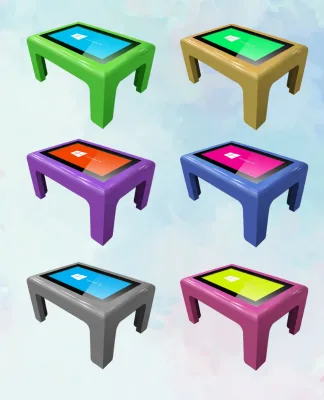
Interactive Touch Table for Playroom Bookshop or Sunday School-Educational Equipment
$450.00 - $760.00
MOQ: 300 Minimum
Comprehensive Sourcing Guide
Strategic Sourcing Guide for Interactive Learning Digital Touch Tables
The procurement of interactive learning digital touch tables represents a significant investment in educational infrastructure, requiring a rigorous approach to vendor selection and technical validation. These devices serve as the nexus between physical interaction and digital content, fundamentally altering how students engage with curriculum materials. For procurement officers, the primary challenge lies in navigating a market where specifications vary widely, and the distinction between generic advertising claims and verified performance data is often blurred. This guide provides a structured framework for evaluating interactive learning digital touch tables, focusing on the specific attributes observed in the current market, including model identifiers like ZZCXTT0032, and ensuring that the selected hardware aligns with institutional needs for durability, connectivity, and educational efficacy.
Technical Specifications and Display Architecture
The core functionality of an Interactive Learning Digital Touch Table relies heavily on the display technology and the touch interface architecture. In the current supply landscape, units are frequently described as utilizing LCD screen technology with capacitive touch capabilities. A critical observation in the market is the prevalence of 10-point capacitive touch screens, which allow multiple students to interact with the display simultaneously without signal interference. This multi-touch capability is essential for collaborative learning environments where group work is the standard.
The resolution of these units is a primary determinant of visual clarity. Available configurations typically range from Full HD (1920x1080) to Ultra HD (3840x2160), supporting 4K display standards. The screen sizes observed in the market generally fall within the 32 to 65-inch range, with specific models offering dimensions that cater to different classroom layouts. For instance, a 50-60 inch form factor is common for floor-standing units, providing a large enough surface area for group activities while maintaining a manageable footprint. The aspect ratio is often customizable, with 16:9 being the standard for most digital signage and educational applications, though custom ratios may be requested for specialized installations.
The underlying panel quality is another vital specification. High-end procurement strategies often look for panels sourced from reputable manufacturers, such as LG, to ensure color accuracy and longevity. The inclusion of optional functions like NFC, dual-band Wi-Fi, and integrated cameras further enhances the utility of these tables, transforming them from simple display units into comprehensive learning hubs. The interface type is predominantly USB, facilitating easy connection to external peripherals and content sources.
Compliance, Certification, and Safety Standards
When sourcing electronic educational equipment, compliance with international safety and environmental standards is non-negotiable. The supply chain for these devices often originates from manufacturing hubs in China, specifically regions like Guangdong, which necessitates a thorough verification of certifications. Buyers must verify that the product carries valid certifications for electrical safety and electromagnetic compatibility. Commonly observed certifications in this sector include CE (Conformité Européenne), CCC (China Compulsory Certification), FCC (Federal Communications Commission), and RoHS (Restriction of Hazardous Substances). Additionally, ISO9001 certification indicates that the manufacturer adheres to a recognized quality management system, which is a strong indicator of consistent production standards.
The "Touch screen" standard is a fundamental requirement, but it is the specific adherence to safety protocols that protects the end-user. For educational settings, the physical construction of the table must withstand high-impact usage. The packaging standards, which include wooden cases, flight cases, and cartons, are designed to protect the unit during transit, but the final product must also meet local safety regulations regarding electrical grounding and material toxicity. Procurement teams should request copies of these certificates prior to finalizing an order, ensuring that the specific batch of units being delivered matches the certified specifications.
Cost Drivers and Pricing Dynamics
Understanding the cost structure of interactive learning digital touch tables is essential for budget planning. The observed price range in the market spans from approximately $399 to $1,000 USD, though this figure can vary significantly based on the configuration of the unit. Several factors drive these costs. The size of the display is a primary driver; a 32-inch unit will naturally cost less than a 65-inch model. Similarly, the resolution plays a major role, with 4K displays commanding a premium over 1080p panels.
The memory and storage capacity of the internal system also influence the final price. Units equipped with 4GB of memory and 32GB of storage are standard, but higher specifications will increase the cost. The inclusion of optional hardware, such as built-in printers, cameras, or advanced connectivity modules like dual-band Wi-Fi, adds to the base price. Furthermore, the customization level is a significant cost variable. The market offers "Customized" options for aspect ratios, colors (including black, blue, white, silver, and golden), and mounting styles. Customization often requires a higher Minimum Order Quantity (MOQ), which can range from 1 to 300 units depending on the supplier's capacity and the complexity of the customization.
The packaging method also impacts the total landed cost. While standard carton packaging is common, the use of wooden cases or flight cases for heavy-duty transport adds to the shipping weight and volume, thereby increasing logistics expenses. The single gross weight of these units is typically around 50 kg, which is a critical factor for freight calculations. Buyers should consider the total cost of ownership, including shipping, installation, and potential warranty extensions, rather than focusing solely on the unit price.
Typical Applications and Functional Versatility
Interactive learning digital touch tables are designed for a diverse range of applications, extending beyond traditional classroom instruction. The primary application identified in the market is the "Education and Training System," where these tables serve as collaborative workspaces for students. The vertical installation option allows for wall-mounted configurations, while the floor stand mounting is ideal for freestanding units in open learning areas.
Beyond education, these units are increasingly utilized in "Indoor AD Player" scenarios, functioning as digital signage for information dissemination in lobbies, libraries, and waiting areas. The "Game Entertainment System" application highlights their versatility in recreational settings, where the high-resolution display and responsive touch interface create an engaging experience. The "Interactive Smart Kids Touch Table" designation specifically points to a demographic focus, suggesting features tailored for younger users, such as durable surfaces and intuitive interfaces.
The ability to customize the application software and hardware configuration allows these tables to adapt to specific institutional needs. For example, a university might utilize the unit for lecture demonstrations, while a corporate training center might use it for interactive workshops. The presence of optional functions like NFC and cameras enables the table to support video conferencing and secure access control, further broadening its utility in modern hybrid learning environments.
Supplier Evaluation and Quality Assurance
Evaluating suppliers for interactive learning digital touch tables requires a focus on their ability to deliver consistent quality and support. The origin of the product, typically Guangdong, China, indicates a mature manufacturing ecosystem, but it also necessitates rigorous due diligence. Buyers should verify the supplier's production capacity and their ability to meet specific lead times. While some suppliers may advertise a delivery time of 5 days, this is often indicative of stock availability rather than production time for customized orders.
Quality control should be a central component of the supplier evaluation process. This includes verifying the authenticity of the panel brand, such as ensuring the use of 100% original LG panels. The warranty period is another critical metric; a standard warranty of 1 year is common, but buyers should negotiate terms that cover potential defects in the touch screen or display panel. The packaging standards, including the use of wooden cases and flight cases, are indicators of the supplier's commitment to protecting the product during shipping.
Suppliers should also demonstrate their capability to handle the specific interface and connectivity requirements of the buyer. The ability to provide USB interfaces and support for optional functions like printers and cameras is a sign of a versatile and capable vendor. Buyers should request sample units or detailed technical documentation to verify that the observed specifications, such as the 10-point capacitive touch and 4K resolution, are accurate and performant in real-world conditions.
Long-Term Procurement and Maintenance Considerations
The long-term success of an Interactive Learning Digital Touch Table deployment depends on the availability of maintenance support and the durability of the hardware. The warranty period of 1 year is a baseline, but procurement strategies should consider the total lifecycle of the device. This includes the availability of replacement parts, such as touch screens or power supplies, and the supplier's responsiveness to service requests.
The installation process is another long-term consideration. Whether the unit is installed vertically or on a floor stand, the mounting hardware must be robust enough to withstand daily use in a high-traffic environment. The color options, ranging from black to golden, should be selected not just for aesthetics but for their ability to blend with the institutional environment and resist showing wear and tear.
Furthermore, the delivery method, which may include FedEx, DHL, or UPS, should be evaluated for its reliability and tracking capabilities. Ensuring that the delivery process is secure and that the units arrive in the condition specified in the contract is crucial. Buyers should also plan for the potential need to upgrade software or expand connectivity options in the future, ensuring that the selected hardware supports these evolutions. By focusing on these long-term factors, procurement teams can ensure that their investment in interactive learning digital touch tables delivers sustained value and educational impact.
FAQs
What customization options are available for the touch table?
Customization is available for aspect ratios, colors, and mounting styles. Buyers can select from black, blue, white, silver, or golden finishes and choose between vertical or floor stand installations to match specific facility layouts.
Which certifications ensure the safety of these digital touch tables?
The units typically carry CE, CCC, FCC, RoHS, and ISO9001 certifications. These standards verify electrical safety, electromagnetic compatibility, and adherence to quality management systems required for educational and commercial deployment.
How does the capacitive touch screen function for multiple users?
The device features a 10-point capacitive touch screen allowing simultaneous interaction. This multi-touch capability supports collaborative learning environments where multiple students can engage with the display without signal interference.
Can the table be used for game entertainment systems?
Yes, the product supports game entertainment system applications alongside education and training. The high-resolution 4K display and responsive interface create an engaging experience suitable for recreational settings and interactive workshops.
What is the typical delivery time for these units?
The delivery time is typically 5 days for available stock. This timeline reflects the time from order confirmation to dispatch, though customized orders may require additional production time depending on the supplier's capacity.
Which optional functions can be added to the touch table?
Optional functions include printers, cameras, NFC modules, and dual-band Wi-Fi. These additions transform the unit into a comprehensive learning hub capable of supporting video conferencing and secure access control.
What is the warranty period for the interactive smart kids touch table?
The standard warranty period is 1 year covering potential defects. Buyers should verify that this warranty includes the touch screen and display panel to ensure long-term operational reliability in high-traffic environments.