Source Interactive Sisal Mouse Cat Toy for Play, Training, and Grooming
Find 30 Interactive Sisal Mouse Cat Toy options from Zhejiang and Ningbo suppliers. Compare models like CC-0413-34 and CT101, noting materials such as sisal and plush, sizes ranging from 4.5cm to 6cm, and MOQs from 10 to 3000 pieces for bulk sourcing.
Key considerations
Products List


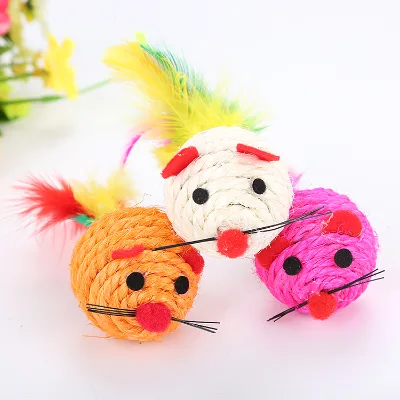
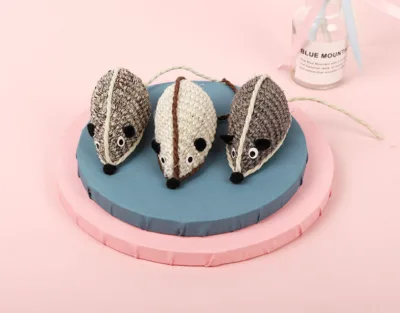
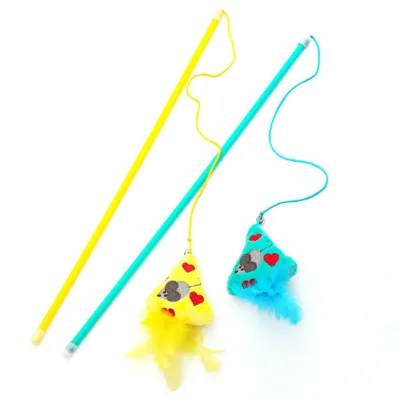
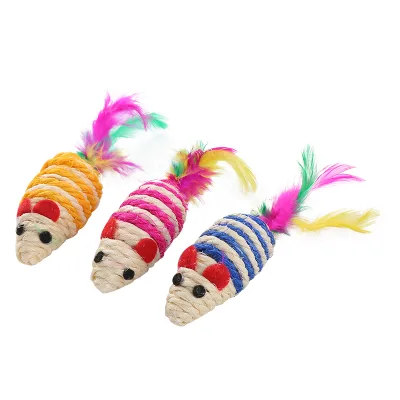
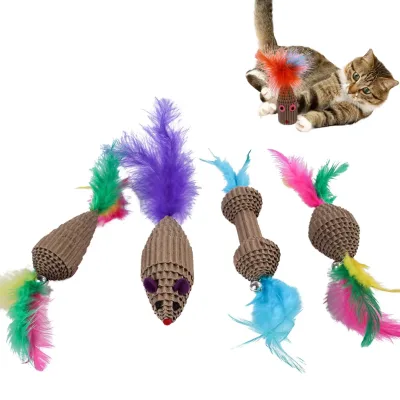


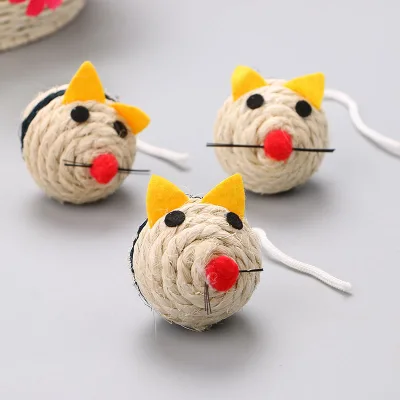
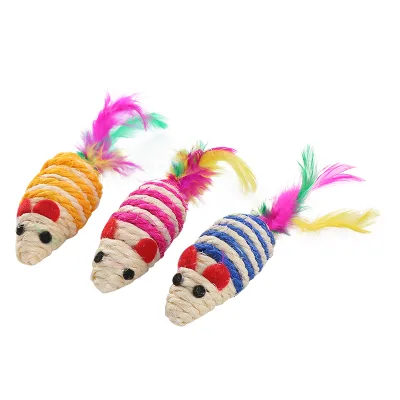
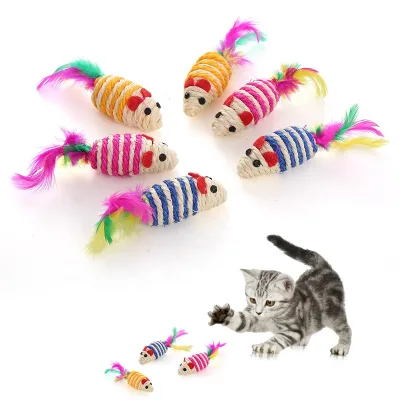
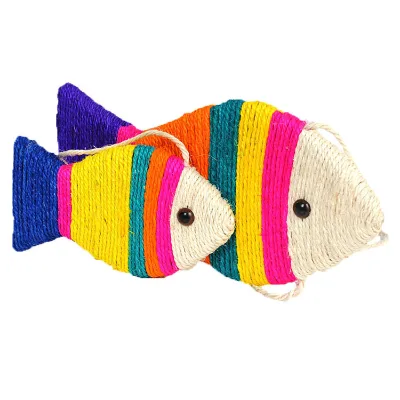
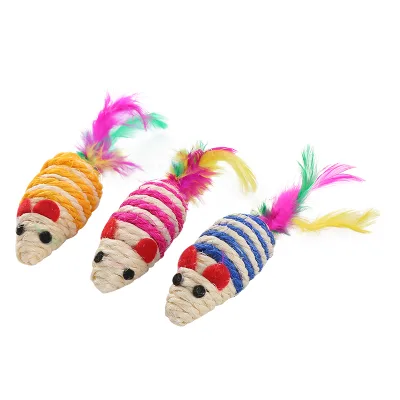
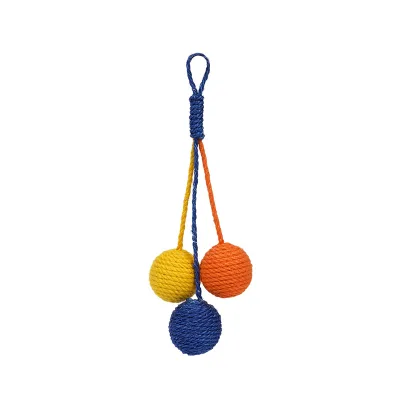
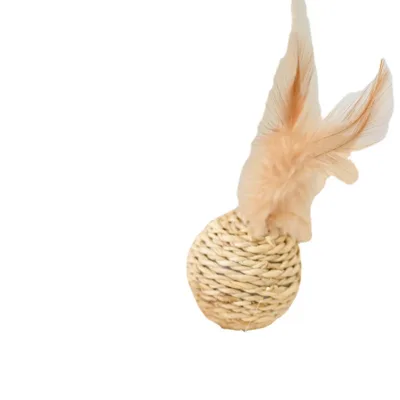
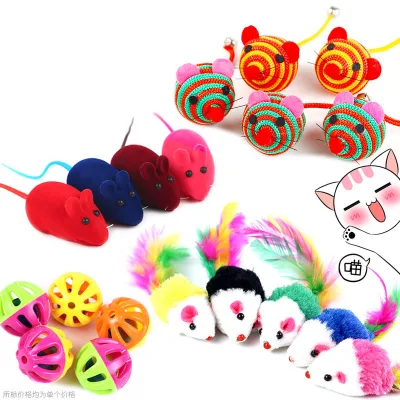
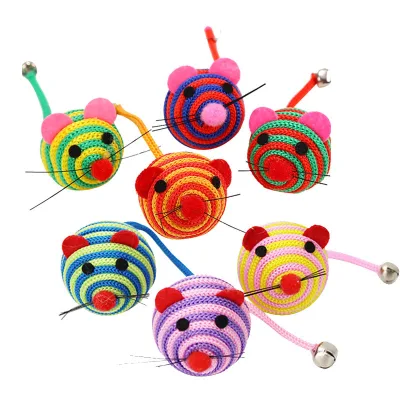
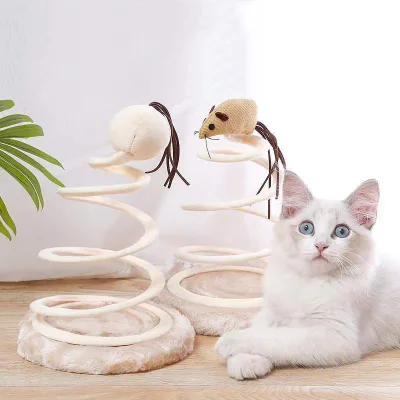


Comprehensive Sourcing Guide
Interactive Sisal Mouse Cat Toy Sourcing Guide
Sourcing interactive sisal mouse cat toys requires a careful balance between material durability, safety compliance, and aesthetic appeal. These toys are designed to mimic natural prey, encouraging hunting instincts and providing essential mental and physical stimulation for felines. The core appeal lies in the combination of a soft, plush exterior and a textured sisal interior, which offers a satisfying chewing experience while remaining gentle on teeth and gums. Buyers must navigate a market where product variations are extensive, ranging from simple single-color designs to complex, multi-textured assemblies. Understanding the specific attributes listed in supplier catalogs is crucial, as terms like "customized" or "non-customized" can significantly impact production timelines and minimum order quantities.
The procurement process for these items is heavily influenced by the supplier’s location and their ability to handle small-batch or large-scale orders. Many manufacturers operate out of key manufacturing hubs in China, such as Zhejiang and Ningbo, which are known for their textile and pet product expertise. These regions offer a mature supply chain for raw materials like sisal fiber and plush fabrics, allowing for competitive pricing and rapid prototyping. However, buyers must be vigilant about the distinction between generic stock items and fully customized OEM/ODM solutions. While some suppliers accept customization for logos or packaging, others may only offer non-customized products with fixed specifications, which affects branding strategies and inventory management for retailers.
Product Scope and Observed Listing Signals
The current market landscape for interactive sisal mouse cat toys reveals a wide variance in product attributes, pricing, and order requirements. Observed listings indicate a price range from $0.05 to $6.66 USD, reflecting differences in material quality, size, and complexity. Minimum Order Quantities (MOQs) vary significantly, ranging from as low as 10 pieces for sample or trial orders up to 3,000 pieces for bulk production runs. This disparity suggests that buyers can engage with suppliers at various stages of their procurement journey, from testing new designs to committing to large-scale distribution. It is essential to correlate these commercial terms with the specific product models and specifications provided by the supplier to ensure alignment with your budget and volume needs.
Product descriptions often highlight specific features such as shape, color, and function, which serve as key selection criteria. Common observations include round shapes, assorted colors like brown, yellow, red, orange, and rainbow, and specific dimensions such as 4.5cm, 5cm, or packaged sizes like 2613cm. Some listings specify the material as a combination of sisal and plastic, while others emphasize plush and stuffed constructions. Functions are typically described as chew toys or general pet toys, with some explicitly noting eco-friendly features. Buyers should treat these attributes as observations of available inventory rather than universal standards, verifying each claim against the specific product datasheet before making purchasing decisions.
Technical Specifications to Verify
Verifying technical specifications is critical to ensuring the product meets both functional and logistical requirements. Key dimensions such as the product standard of 5cm or 4.5cm, and packaged sizes like 5X5X5 cm, directly impact shelf space and shipping efficiency. Weight specifications, observed at 12g or 50g, influence shipping costs and the perceived value of the product. Buyers must confirm whether the stated dimensions refer to the toy itself or its packaging, as this distinction affects storage calculations and freight charges. Additionally, the model numbers, such as CC-0413-34, CC-0412-47, or CT101, serve as unique identifiers that should be cross-referenced with physical samples to ensure consistency in production.
Material composition and construction details are equally important for durability and safety. The use of sisal combined with plastic or plush materials offers a specific tactile experience, but the quality of these materials can vary widely between suppliers. Buyers should verify the type of sisal fiber used, its density, and how it is secured within the plush casing to prevent shedding or detachment. The presence of plastic components, if any, must be assessed for safety and durability. Furthermore, packaging methods, such as OPP bags, should be evaluated for their protective qualities and environmental impact. Confirming these details through sample requests and detailed technical questionnaires is necessary to avoid discrepancies between the ordered product and the delivered goods.
Compliance and Safety Documentation
Compliance with international safety standards is non-negotiable for pet products, particularly those intended for chewing. Buyers must ensure that suppliers provide valid certification documents, such as CCC, ISO, CE, and RoHS, which indicate adherence to specific quality and safety regulations. These certifications are not merely formalities but are essential for market access in many regions, including Europe and North America. The presence of CE marking, for instance, suggests compliance with European health, safety, and environmental protection standards, while RoHS compliance indicates the restriction of hazardous substances in electrical and electronic equipment, though its relevance to non-electric toys should be clarified with the supplier.
Beyond certifications, buyers should request detailed material safety data sheets and test reports from accredited laboratories. These documents should verify that the plush fabrics, sisal fibers, and any plastic components are free from harmful chemicals, heavy metals, and toxic dyes. The "eco-friendly" claims made by some suppliers must be substantiated with evidence, such as organic material certifications or sustainable sourcing statements. Additionally, buyers should inquire about the manufacturing process to ensure that adhesives and threads used in assembly are non-toxic and durable. Verifying these compliance aspects proactively helps mitigate the risk of product recalls, legal liabilities, and damage to brand reputation.
Cost Drivers and Commercial Terms
Understanding the factors that drive costs is essential for effective budgeting and negotiation. The primary cost drivers for interactive sisal mouse cat toys include raw material prices, labor costs, and the complexity of the design. Customization options, such as logo printing or unique color combinations, typically increase production costs and may require higher MOQs. Suppliers offering OEM/ODM services often have different pricing structures compared to those providing standard, non-customized products. Buyers should analyze the price per unit in the context of the MOQ, as higher volumes often result in lower per-unit costs due to economies of scale.
Commercial terms, including payment methods and lead times, also play a significant role in the total cost of ownership. Common payment options observed include T/T, L/T, Western Union, and PayPal, each with its own implications for cash flow and security. Buyers should negotiate favorable payment terms, such as a deposit followed by balance upon shipment, to mitigate financial risk. Lead times can vary based on order volume and customization requirements, so it is crucial to establish clear delivery schedules in the contract. Additionally, buyers should consider the costs associated with shipping, insurance, and customs duties, which can significantly impact the final landed cost of the product.
Supplier Qualification and Quality Control
Supplier qualification is a critical step in ensuring a reliable and consistent supply chain. Buyers should conduct thorough due diligence on potential suppliers, verifying their business licenses, manufacturing capabilities, and quality management systems. Suppliers located in established manufacturing hubs like Zhejiang and Ningbo often have a competitive advantage in terms of supply chain efficiency and expertise. However, location alone is not a guarantee of quality, so buyers should request factory audits or third-party inspections to assess production conditions and quality control processes.
Quality control measures should be integrated into the procurement process from the outset. Buyers should define clear quality standards and inspection criteria, including checks for material integrity, stitching durability, and color consistency. Implementing a pre-shipment inspection protocol can help identify and rectify defects before goods are dispatched. Additionally, buyers should establish a clear communication channel with the supplier to address any issues that arise during production. Regular feedback and performance evaluations can help maintain high standards and foster a collaborative relationship with the supplier, ensuring long-term success in the procurement of interactive sisal mouse cat toys.
Long-Term Procurement Checks
Long-term procurement success depends on continuous monitoring and adaptation to market changes. Buyers should regularly review supplier performance metrics, including on-time delivery rates, product quality consistency, and responsiveness to issues. Establishing a scorecard system can help objectively evaluate suppliers and identify areas for improvement. Additionally, buyers should stay informed about industry trends, such as new materials, designs, or regulatory requirements, to ensure their product offerings remain competitive and compliant.
Building a diversified supplier base can mitigate risks associated with single-source dependencies. By engaging with multiple suppliers, buyers can compare prices, quality, and service levels, and have backup options in case of supply chain disruptions. Regular communication and relationship building with suppliers can also lead to better terms, priority production slots, and access to new product innovations. Finally, buyers should periodically reassess their procurement strategies to align with changing business goals, market demands, and sustainability objectives, ensuring that their sourcing practices remain effective and responsible over time.
FAQs
What certifications do the interactive sisal mouse cat toys have?
The products hold CCC, ISO, CE, and RoHS certifications. These standards ensure safety and compliance for international markets. Buyers can verify these credentials directly on the product page before placing orders.
Can I request custom logos on these cat toys?
Most items are available without logo printing, but some models accept customization. The product attributes indicate that OEM and ODM services are acceptable for specific models. Buyers should confirm logo requirements with the supplier.
What is the minimum order quantity for these toys?
The minimum order quantity ranges from 10 to 3000 pieces depending on the specific model. Some listings show an MOQ of 100 pieces while others require 1000 pieces. Buyers must check the specific product page for exact requirements.
Where are these interactive sisal mouse cat toys manufactured?
The products originate from Zhejiang and Ningbo in China. These locations are known for pet product manufacturing. Buyers can expect shipping logistics to be managed from these specific regions.
What materials are used to make these cat toys?
The toys are constructed from sisal and plastic or plush and stuffed materials. Some specific models feature a combination of sisal and plastic for durability. The material choice ensures the toys are safe for cats to chew.
How are these cat toys packaged for shipment?
The standard packaging for these items is an OPP bag. This packaging method protects the product during transit while keeping costs low. Buyers should verify if bulk packaging options are available for larger orders.
Are these toys suitable for all cat sizes?
The toys are designed specifically for cats and come in various sizes like 4.5cm or 6cm. The small sisal mouse model is ideal for smaller breeds. Buyers should select the size that best fits their specific pet.