Source Changan Rear Reflector for Side Mirrors, Bumpers, and Mud Guards
Find 30 listings for Changan Rear Reflector components suitable for side mirrors, bumpers, and mud guards. Buyers can compare specifications, materials, and pricing from verified factories in China to find parts for replacement or repair.
Key considerations
Products List
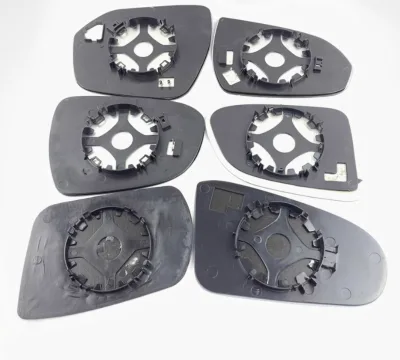
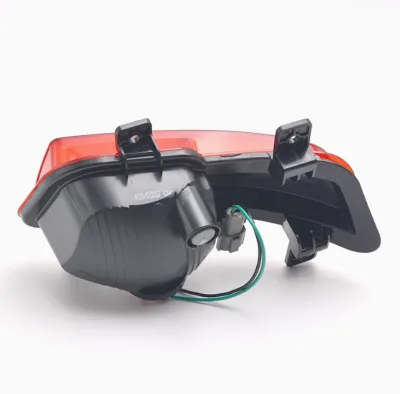
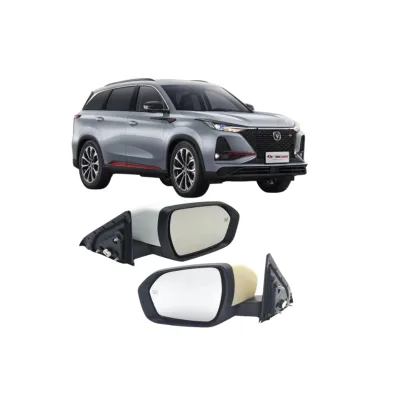


Comprehensive Sourcing Guide
Strategic Sourcing Guide for Changan Rear Reflector Components
Navigating the procurement landscape for automotive replacement parts requires a disciplined approach, particularly when sourcing specific components like rear reflectors for Changan vehicles. The global supply chain for automotive accessories is vast, yet finding reliable sources for genuine-fitment or high-quality aftermarket parts demands rigorous verification of technical attributes, compliance standards, and supplier capabilities. This guide synthesizes available market data to provide a structured framework for buyers seeking Changan rear reflectors, ensuring decisions are grounded in observable facts rather than speculative claims. The focus remains on identifying the correct product specifications, understanding the regulatory environment, and establishing a robust supplier evaluation process.
Technical Specifications and Product Identification
The foundation of any successful procurement effort lies in precise product identification. When searching for a "Changan Rear Reflector," buyers must distinguish between various component types, as the market lists items ranging from side mirrors to mud guards and interior mirrors. The core product in question is a rear reflector, often categorized under safety accessories or body parts. A critical observation from current market listings is the diversity of model numbers associated with Changan vehicles. Specific model identifiers such as "changan CS35," "changanCS75," and "cs95" appear frequently in product data, indicating that reflectors are often model-specific rather than universally interchangeable across the entire brand lineup.
Furthermore, the physical attributes of the product are paramount. The material composition is a key differentiator. Listings indicate the use of "ABS" (Acrylonitrile Butadiene Styrene) and "ABS+glass" composites, which are standard for durability and optical clarity in reflective surfaces. The reflective material type is explicitly noted as "Reflective Lattice," a specific technology that enhances visibility under low-light conditions. Buyers must verify that the "Placement on Vehicle" matches the intended application, which for rear reflectors is typically the rear bumper or rear body panel. While some listings mention "Universal Fitment: Yes," this attribute is often paired with specific model numbers, suggesting that "universal" may refer to a broad range of Changan models rather than a one-size-fits-all solution for all automotive brands. The color is consistently observed as "Black," which aligns with the aesthetic requirements of most vehicle rear assemblies.
Compliance and Certification Verification
In the automotive aftermarket, regulatory compliance is non-negotiable. Products sourced from China, particularly from manufacturing hubs like Guangdong, Jiangsu, and Chongqing, must adhere to specific national and international standards. The supplied data explicitly mentions "CCC" (China Compulsory Certification) as a standard and certification for certain automotive parts. This is a critical verification point for buyers. The CCC mark indicates that the product meets the safety and quality requirements mandated by the Chinese government for products sold within China and often serves as a baseline for export quality.
Buyers should not assume that every listed product possesses this certification. The data shows instances where "Certification: CCC" is listed alongside specific model numbers like "BXJ-M11" and "BXJ-A29," while other entries lack this explicit tag. Therefore, the procurement strategy must include a direct request for the CCC certificate or equivalent documentation for the specific batch being ordered. Additionally, the "Standard" field in product data often mirrors the certification, listing "CCC" as the prod_standard. For international buyers, it is essential to cross-reference these Chinese standards with the safety regulations of the destination country. While the provided facts confirm the existence of CCC compliance in the supply chain, they do not guarantee that every single listing in a search result possesses it. Verification of the specific product's certification status is a mandatory step before finalizing any purchase order.
Cost Drivers and Pricing Structures
Understanding the cost structure of automotive reflectors involves analyzing several variables. The observed price range in the market spans from $0.18 to $155 USD. This wide disparity is not indicative of a single product type but rather reflects the inclusion of various components, from simple plastic reflectors to complex assemblies involving mirrors and electronic integration. The lower end of the spectrum likely corresponds to basic replacement reflectors, while the higher end may include complete side mirror assemblies or specialized units with advanced features.
Several factors drive these costs. First, the material composition plays a significant role. Products utilizing "ABS+glass" or high-quality "Reflective Lattice" materials will generally command a higher price than those made from standard "Plastic." Second, the complexity of the "Single package size" and "Single gross weight" impacts logistics costs. For instance, a package measuring "80X50X20 cm" with a weight of "5.000 kg" incurs higher shipping fees than a compact "40X40X40 cm" unit weighing "2.000 kg." Buyers must calculate the total landed cost, which includes the unit price, packaging dimensions, and weight-based freight charges.
The "MOQ" (Minimum Order Quantity) is another critical cost driver. The observed range of 1 to 5000 units suggests flexibility for both small-scale retailers and large distributors. However, the "Selling Units" are typically listed as "Single item," meaning the MOQ applies to the number of individual units rather than bulk packs. Buyers should negotiate based on their volume requirements, keeping in mind that higher volumes often unlock better unit pricing, though the exact discount structures are not standardized in the public data.
Typical Applications and Vehicle Compatibility
The application of Changan rear reflectors is strictly tied to specific vehicle models and repair scenarios. The data indicates that these parts are designed "for replace/repair," serving as direct replacements for damaged or lost components. The "Car Make" is consistently identified as "changan," with specific model references including the CS35, CS75, and CS95. It is crucial to note that while some listings claim "Universal Fitment," this is often qualified by the specific model number. A reflector designed for the "changan CS35" may not fit the "changanCS75" due to differences in mounting points, curvature, and housing dimensions.
The "Placement on Vehicle" is another vital specification. While some data points to "right" placement for side mirrors, rear reflectors are typically located on the "Rear Bumper." Buyers must ensure the product description explicitly states compatibility with the rear bumper or rear body panel. The "Type" of the product is also a distinguishing factor; while "Side Mirror" and "Interior Mirror" are listed in the broader dataset, the specific search for a "rear reflector" requires filtering out these unrelated categories. The "Usage" field in some listings mentions "Side Reflector," which is distinct from a rear reflector. Precision in matching the "prod_model" (e.g., BXJ-M11) to the vehicle's VIN or specific part number is essential to avoid returns and installation failures.
Supplier Evaluation and Origin Analysis
Evaluating suppliers requires a careful analysis of the "Place of Origin" and the "Brand Name" provided in the listings. The data reveals manufacturing activity in three primary regions: Guangdong, Jiangsu, and Chongqing. Each of these regions has a distinct reputation in the automotive parts industry. Guangdong is known for a high volume of electronic and plastic component manufacturing, while Chongqing is a major hub for automotive assembly and parts, given its proximity to major vehicle manufacturers.
The "Brand Name" field in the data presents a unique challenge. Many listings use generic terms like "Specialized factory" or "deepal," which is a sub-brand of Changan. The absence of a specific, well-known third-party brand name in many entries suggests that these are often OEM (Original Equipment Manufacturer) or ODM (Original Design Manufacturer) products. Buyers should be cautious of suppliers claiming to be the "Specialized factory" without providing verifiable business licenses or factory audit reports. The "Quality" attribute is frequently listed as "100% Tested" or "High-Quality," but these are self-declared claims. A robust supplier evaluation process must include a request for third-party test reports or quality assurance documentation to validate these claims.
Quality Control and Inspection Protocols
Quality control is the final gatekeeper in the procurement process. The "Condition" of the products is universally listed as "New," but this does not guarantee the absence of defects. The "Quality" attribute mentions "100% Tested," which implies that the supplier performs some form of functional or visual inspection before shipping. However, buyers should not rely solely on this statement. A comprehensive quality control plan should involve pre-shipment inspections, particularly for products with complex materials like "ABS+glass."
The "Packing" method is also an indicator of quality. Listings mention "Neutral Packing" and "brand Packing," as well as "Each in a Polybag." Proper packaging is essential to prevent damage during transit, especially for glass components. The "Single gross weight" and "Single package size" data should be used to verify that the packaging is sufficient to protect the product. For instance, a heavy unit of "10.000 kg" requires more robust packaging than a lighter "2.000 kg" item. Buyers should request photos of the actual packaging and the product upon arrival to ensure that the "High-Quality" claims hold up in practice.
Long-Term Procurement Considerations
Sourcing automotive parts is not a one-time transaction but a long-term relationship. The "Warranty" terms vary significantly, with some listings offering "NO" warranty and others providing "3 Months." This discrepancy highlights the importance of negotiating clear warranty terms before placing an order. A 3-month warranty is a reasonable baseline for aftermarket parts, but buyers should seek to extend this period if possible, especially for high-volume orders.
The "Delivery time" is another critical factor for long-term planning. The observed range of "1-7 Days" suggests that many suppliers can ship quickly, but this may not account for international shipping times. Buyers must clarify whether the "Delivery time" refers to the time to ship from the factory or the total lead time including customs clearance. The "Shipping" options listed, such as "SEA AIR DHL FEDEX EMS," offer flexibility, but the choice of carrier will impact the total cost and delivery speed. For long-term procurement, establishing a reliable logistics partner and agreeing on consistent shipping methods is essential to maintain inventory levels and meet customer demands.
In conclusion, sourcing Changan rear reflectors requires a meticulous approach that balances technical specifications, regulatory compliance, and supplier reliability. By focusing on the specific model numbers, verifying CCC certification, and conducting thorough quality checks, buyers can navigate the complex market and secure high-quality components that meet their operational needs. The data provided offers a solid foundation for these decisions, but the ultimate success of the procurement effort depends on the buyer's diligence in verifying every claim and maintaining open communication with suppliers.
FAQs
What certifications do changan rear reflectors have?
Some changan rear reflectors carry CCC certification as a standard. Buyers must verify this specific tag on the product listing, as not every item in the supply chain displays this compliance mark.
Which materials are used for changan rear reflectors?
These parts are typically made from ABS plastic or an ABS plus glass composite. The reflective surface often utilizes a reflective lattice technology to ensure visibility under low-light conditions.
Can I find changan rear reflectors with a warranty?
Warranty terms vary significantly across listings, with some offering no warranty and others providing three months of coverage. Buyers should confirm the specific warranty duration before placing an order.
How fast can changan rear reflectors be delivered?
Delivery times from the factory range from one to seven days. This timeframe excludes international shipping duration, which depends on the selected carrier like DHL, FedEx, or EMS.
What is the minimum order quantity for changan rear reflectors?
The minimum order quantity ranges from one unit up to five thousand units depending on the supplier. This flexibility allows both small retailers and large distributors to source these parts.
Where are changan rear reflectors manufactured?
Manufacturing occurs in several Chinese regions including Guangdong, Jiangsu, and Chongqing. Each location has a distinct reputation for producing automotive accessories and plastic components.