Source Internal Thread Manual Pneumatic Valve for Industrial Systems
Find and compare 30 Internal Thread Manual Pneumatic Valve options from verified Chinese manufacturers. Evaluate specifications including brass and aluminum materials, various pressure ratings, and standard thread sizes to select the right component for your automation needs.
Key considerations
Products List


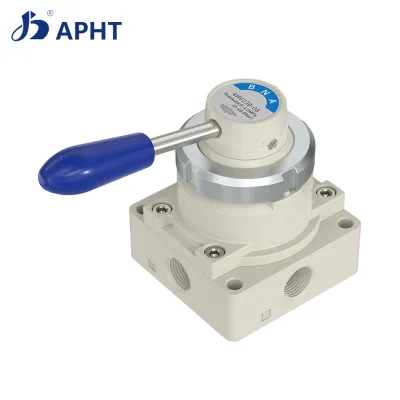


$2.40 - $5.60
MOQ: 5 Pieces


Comprehensive Sourcing Guide
Internal Thread Manual Pneumatic Valve Sourcing Guide
Procuring internal thread manual pneumatic valves requires a careful balance between mechanical simplicity and operational reliability. These components serve as critical control points in fluid and gas systems, where the combination of manual actuation and pneumatic compatibility allows for versatile integration into broader automation architectures. Buyers must navigate a market characterized by diverse material options, varying pressure ratings, and specific thread standards to ensure seamless compatibility with existing piping infrastructure. The following guide outlines the essential verification steps, technical considerations, and commercial factors necessary for successful sourcing.
Product Scope and Observed Listing Signals
The current market landscape for internal thread manual pneumatic valves reveals a diverse array of configurations tailored to different industrial needs. Listings frequently highlight materials such as aluminum, brass, and stainless steel, each offering distinct advantages regarding weight, corrosion resistance, and cost. Aluminum variants are often noted for their lightweight properties and suitability for low-pressure applications, while brass and stainless steel options provide enhanced durability for environments involving acidic media, water, oil, or gas. The presence of these material variations indicates that buyers should align their selection with the specific chemical and physical demands of their operating environment rather than assuming a universal material solution.
Operational parameters observed in product listings suggest a wide range of functional capabilities, including self-operated types, bypass valves, atmospheric valves, relief valves, and blow-down valves. Some models are designed for straight-through flow channels, while others feature flexible ball or plunger-type structures, indicating that the internal mechanism significantly impacts flow control precision and maintenance requirements. Additionally, the observation of both manual and pneumatic power attributes in the same category suggests that some valves may offer hybrid operation modes or that the category encompasses distinct product lines that share the internal thread connection feature. Buyers must clearly distinguish between purely manual operation and those with pneumatic assist or actuation to avoid functional mismatches in their system design.
Technical Specifications to Verify
Thread standardization is a critical technical factor that often leads to compatibility issues if overlooked. Listings indicate the presence of various thread standards, including G1/4, G3/8, 1/4NPT, and 3/8NPT, alongside general references to 1/4, 1/8, 3/8, and 1/2 inch sizes. It is imperative to verify whether the internal thread conforms to metric parallel (G), tapered (NPT), or other regional standards, as mixing incompatible thread types can result in leaks or connection failure. Buyers should explicitly confirm the thread profile and pitch with the supplier, ensuring that the valve’s internal threading matches the male threads of the connected piping or fitting.
Pressure and temperature ratings are equally vital for ensuring system integrity and safety. Observed specifications include low, medium, and normal temperature ranges, as well as pressure ratings such as PN16 and JIS10-20K. These variations suggest that not all internal thread valves are suitable for high-pressure or extreme-temperature environments. Buyers must cross-reference their system’s maximum operating pressure and temperature against the valve’s rated limits, accounting for potential pressure spikes or thermal cycling. Additionally, the driving mode, whether manual or electric, and the structure type, such as flexible ball or plunger globe, should be validated to ensure the valve responds appropriately to the intended control strategy and media type.
Compliance and Safety Documentation
Certification requirements vary significantly depending on the target market and industry regulations. Product listings frequently mention certifications such as CE, API, ISO, RoHS, GS, and SGS, indicating that suppliers may offer different compliance levels for different product lines. The CE mark, for instance, is essential for products sold within the European Economic Area, signifying conformity with health, safety, and environmental protection standards. However, the presence of a certification label does not guarantee that every variant within a product series is certified; buyers must request specific certification documents for the exact model and batch they intend to purchase.
Safety and environmental standards also play a crucial role in the selection process, particularly for valves handling hazardous media like acid or gas. RoHS compliance ensures that the valve components are free from certain hazardous substances, which is important for environmental protection and worker safety. Similarly, ISO certifications indicate adherence to quality management systems, which can serve as an indicator of consistent manufacturing practices. Buyers should verify that the supplier can provide valid, up-to-date certificates for the specific products ordered, rather than relying on general claims, to mitigate regulatory risks and ensure that the valves meet the necessary legal and safety requirements in their jurisdiction.
Cost Drivers and Commercial Terms
Pricing for internal thread manual pneumatic valves is influenced by several factors, including material composition, thread complexity, and certification status. Listings show a wide price range, from low-cost basic models to higher-priced specialized valves, reflecting the diversity in quality and functionality. Aluminum valves tend to be more affordable due to lower material costs, while stainless steel and brass options, especially those with specialized coatings or higher pressure ratings, command premium prices. Buyers should evaluate the total cost of ownership, considering not just the unit price but also the expected lifespan, maintenance frequency, and potential downtime costs associated with valve failure.
Minimum Order Quantities (MOQ) and packaging details also impact the overall procurement cost and logistics planning. Observed MOQs range from single units to larger batches, allowing for flexibility in ordering based on project scale. Packaging methods, such as carton boxes, pallets, or inner boxes, vary among suppliers and can affect shipping costs and product protection during transit. Buyers should negotiate clear terms regarding packaging standards to prevent damage during shipping, especially for valves with delicate internal mechanisms or precise thread finishes. Additionally, warranty terms, such as the one-year warranty observed in some listings, should be clarified to understand the supplier’s commitment to product quality and after-sales support.
Supplier Qualification and Quality Control
Supplier qualification is a critical step in ensuring the reliability of internal thread manual pneumatic valves. Buyers should prioritize suppliers who provide comprehensive product information, including detailed specifications, material certifications, and compliance documentation. The presence of video outgoing inspections in some listings suggests that certain suppliers offer visual verification of product quality before shipment, which can be a valuable tool for remote quality assurance. Buyers should request such inspections or third-party testing reports to verify that the valves meet the specified technical and safety standards.
Quality control processes should also be evaluated to ensure consistent product performance. Suppliers with ISO certifications are likely to have established quality management systems in place, which can help maintain consistency in manufacturing processes and product quality. Buyers should inquire about the supplier’s quality control procedures, including incoming material inspection, in-process testing, and final product verification. Additionally, the supplier’s ability to provide customized solutions, as indicated by the "Customization: Available" attribute, can be a significant advantage for buyers with unique requirements, provided that the customization process is well-managed and documented.
Long-Term Procurement Checks
Long-term procurement success depends on establishing a robust supplier relationship and implementing continuous monitoring of product performance. Buyers should regularly review supplier performance metrics, including on-time delivery, product quality, and responsiveness to issues. Maintaining open communication with the supplier can help address any emerging problems quickly and ensure that the valves continue to meet the evolving needs of the system. Additionally, buyers should stay informed about updates to relevant standards and regulations, such as changes in thread standards or pressure ratings, to ensure that future purchases remain compliant and compatible.
Periodic audits of the installed valves can help identify potential issues before they lead to system failures. Buyers should establish a maintenance schedule that includes regular inspection of valve threads, seals, and internal mechanisms for signs of wear or damage. This proactive approach can extend the lifespan of the valves and reduce the risk of unexpected downtime. Furthermore, buyers should consider the availability of spare parts and technical support from the supplier, as these factors are crucial for maintaining system reliability over the long term. By focusing on these long-term checks, buyers can ensure that their investment in internal thread manual pneumatic valves delivers sustained value and performance.
FAQs
What certifications do the internal thread manual pneumatic valves have?
The valves come with CE, API, ISO, RoHS, GS, and SGS certifications. These standards ensure compliance with international safety and quality requirements for industrial applications involving air, water, oil, and gas media.
Which materials are used for these internal thread manual pneumatic valves?
Available materials include aluminum, brass, and stainless steel. The specific material depends on the model series and intended application, ensuring durability for low, medium, or normal temperature environments.
Can I get customized internal thread manual pneumatic valves?
Yes, customization is available for these valves. Buyers can request specific configurations to meet unique operational needs while maintaining the core functionality of self-operated or electric driving modes.
What pressure ratings are available for these valves?
The valves support low, medium, and Pn16 pressure ratings. Specific models like the 4H series or MSV98322 variants offer different pressure capabilities suitable for various industrial fluid control systems.
How are these valves packaged for shipment?
Packaging options include cartons, inner boxes, outer cartons, and pallets. This ensures safe transport and protection of the valves during shipping from the origin in Zhejiang, China.
What is the warranty period for these pneumatic valves?
A one-year warranty is provided for these products. This coverage applies to new condition items and includes video outgoing inspection to verify quality before dispatch.