Find Internal Thread Hydraulic Motor and Electrical Control Valve for irrigation, flow control, and temperature control
Source 30 listings for the Internal Thread Hydraulic Motor and Electrical Control Valve suitable for irrigation, flow control, and temperature control applications. Buyers can compare specifications including voltage, material, and working pressure across suppliers offering customization and OEM services.
Key considerations
Products List
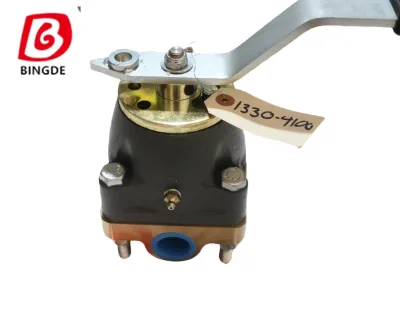


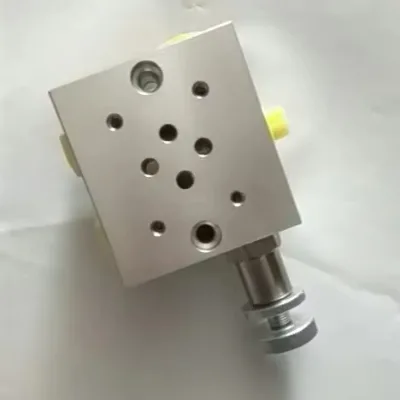


$33.00 - $35.00
MOQ: 1 Pieces


Providing Proportional Control 4-20mA Input Modulating Motorized Control Valve
$46.12 - $63.53
MOQ: 100 Pieces

Modulating Motor Pressure Modulator Motorized Water Control Valve for HVAC
$15.00 - $26.00
MOQ: 100 Pieces


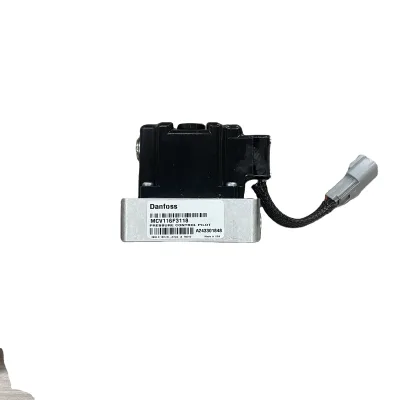


Comprehensive Sourcing Guide
Strategic Sourcing Guide for Internal Thread Hydraulic Motor and Electrical Control Valves
Understanding Technical Specifications and Operational Parameters
When sourcing components described as internal thread hydraulic motor and electrical control valves, buyers must first establish a clear baseline of technical requirements. The market offers a diverse array of configurations, ranging from direct action diaphragm structures to pilot-operated systems. A critical observation in current listings indicates that these valves often utilize a motor as a core component, powered by electric sources such as DC solenoid valves or hydraulic power. The electrical equipment typically operates at a standard voltage of 220V, which is a common specification for industrial and household applications.
The physical construction of these valves varies significantly based on the intended medium and pressure requirements. For water-based applications, the media is explicitly listed as water, with a working pressure range observed between 0.5 and 10 bar. In contrast, other configurations are designed for gas media, requiring different material integrity and sealing mechanisms. The connection form is a primary differentiator; while some units feature female threads, others utilize internal thread connections, which are often preferred for compact installations where space is limited. The standard connection mode observed includes internal threading, which must be matched precisely to the existing piping infrastructure to ensure leak-free operation.
Material selection is equally vital for longevity and safety. Listings show a divergence in materials, with some units constructed from plastic, suitable for lighter duty or specific chemical resistances, while others are fabricated from stainless steel, offering superior durability for high-temperature or corrosive environments. The temperature ratings further dictate the application scope; some valves are rated for high-temperature scenarios, while others are engineered for low-temperature conditions. Buyers must verify that the selected unit's temperature rating aligns with the operational environment to prevent material failure or seal degradation.
Compliance, Certification, and Standard Verification
Navigating the compliance landscape is essential for ensuring that purchased valves meet international safety and quality benchmarks. The provided data indicates that certain products carry certifications such as CE and GS, which are critical for market entry in Europe and other regulated regions. Additionally, ISO standards are referenced, suggesting a commitment to quality management systems. However, it is important to note that not all listed products may possess these certifications; the availability of a machinery test report is explicitly marked as "Not Available" for some items. This absence necessitates a rigorous verification process where the buyer must request valid documentation directly from the supplier rather than assuming compliance based on product descriptions.
Standards governing these components also vary. While some valves adhere to the GB standard, others are described simply as "Standard" or conform to specific dimensional requirements like 3" or 2'' Flange DN50. The presence of a standard like GB implies adherence to Chinese national standards, which may differ from ANSI or DIN standards used in North America and Europe. Therefore, a buyer must explicitly confirm which standard the specific model, such as SVF03-2 or Svf01, complies with. Relying on generic terms like "Standard" without a specific code can lead to compatibility issues during installation.
Furthermore, the certification status for specific attributes like connection modes must be verified. While some listings mention CE and GS certifications alongside internal thread connections, others do not explicitly link these certifications to the specific valve type. This discrepancy highlights the need for buyers to treat certification claims as observations that require validation. The buyer should request a copy of the certification certificate and verify its validity with the issuing body to ensure that the product meets the necessary regulatory requirements for the target market.
Cost Drivers and Pricing Structure Analysis
The pricing for internal thread hydraulic motor and electrical control valves is influenced by a complex interplay of factors, including material composition, certification status, and customization options. The observed price range in the market spans from $1 to $872.92, reflecting the vast difference between basic plastic units and high-end stainless steel or specialized hydraulic models. Several key drivers contribute to this variance. First, the material cost is significant; stainless steel units generally command a higher price than plastic counterparts due to the raw material costs and the more complex manufacturing processes involved.
Second, the presence of certifications such as CE, GS, and ISO adds to the cost. Products that have undergone third-party testing and hold valid certifications often carry a premium to cover the expenses of compliance and quality assurance. Conversely, items without available machinery test reports or certifications may be priced lower, but they carry higher risk for the buyer. The customization level is another major cost driver. While many suppliers offer OEM services and customization, the extent of this customization—whether it involves specific thread dimensions, pressure ratings, or unique control logic—will directly impact the final unit price.
The Minimum Order Quantity (MOQ) also plays a crucial role in the effective cost per unit. The observed MOQ range is from 1 to 2000 units. Buyers seeking small quantities may face higher per-unit costs due to the lack of economies of scale, whereas large volume orders can significantly reduce the average cost. Additionally, the lead time, which is observed to be between 5 and 10 days for some items, can influence pricing. Faster lead times often incur expedited shipping or production surcharges, while longer lead times may allow for more cost-effective production scheduling. Buyers should analyze the total cost of ownership, including potential inventory holding costs and the risk of supply chain disruptions, rather than focusing solely on the sticker price.
Typical Applications and Industry Use Cases
The versatility of internal thread hydraulic motor and electrical control valves makes them suitable for a wide range of applications across different industries. The primary usage categories identified include household usage, industrial usage, and water industrial usage. In household settings, these valves are often employed for flow control and temperature control in irrigation systems or domestic water heating applications. The feature of "Irrigation" is explicitly noted, indicating a strong presence in agricultural and landscaping sectors where precise water management is critical.
In industrial environments, the applications are more demanding. The valves are utilized for flow control in processes requiring the handling of water or gas. The ability to operate at working pressures up to 10 bar and handle high temperatures makes them suitable for heavy-duty industrial machinery. The specific application of "Water Industrial Usage" suggests their role in water treatment plants, pumping stations, and fluid distribution systems. The distinction between direct action diaphragm structures and pilot-operated types allows for tailored solutions; direct action valves are often preferred for smaller orifice sizes and lower flow rates, while pilot-operated valves are better suited for larger pipelines and higher flow capacities.
The media type further defines the application scope. Valves designed for water media are common in municipal and industrial water systems, while those designed for gas media are essential in chemical processing, fuel distribution, and pneumatic systems. The temperature rating is a critical factor here; high-temperature valves are necessary for steam systems or hot water circulation, whereas low-temperature valves are required for refrigeration or cryogenic applications. Buyers must carefully match the valve's media, temperature, and pressure ratings to the specific operational conditions of their application to ensure safety and efficiency.
Supplier Evaluation and Selection Criteria
Selecting the right supplier is a critical step in the procurement process, especially given the variability in product attributes and compliance status. Buyers should prioritize suppliers who can provide transparent and verifiable information regarding their product specifications. The presence of a "place of origin" such as America, Fuzhou, or Japan indicates the manufacturing location, which can influence quality perceptions and logistics costs. However, buyers should not rely solely on the country of origin; instead, they should evaluate the supplier's track record, production capacity, and quality control measures.
One key evaluation criterion is the availability of customization and OEM services. The data indicates that customization is available, which is a significant advantage for buyers with specific requirements. Suppliers who offer OEM capabilities can tailor the valve's dimensions, connection types, and control mechanisms to fit unique system designs. Buyers should inquire about the supplier's ability to handle custom orders and the lead times associated with such requests. Additionally, the supplier's response to inquiries about certifications and test reports is a strong indicator of their professionalism and commitment to quality.
The packaging and shipping details also provide insights into the supplier's operational standards. Listings mention packaging in cartons with specific dimensions, such as 190100125mm, and weights ranging from 1kg to 8kg. Consistent and secure packaging is essential to prevent damage during transit, especially for precision components like valves. Buyers should assess the supplier's logistics capabilities and their ability to handle international shipping if the product originates from a different region. Finally, the warranty status, which is listed as "Unavailable" for some items, should be clarified. A clear warranty policy can provide peace of mind and protection against defects, making it a valuable factor in supplier selection.
Quality Control and Long-Term Procurement Considerations
Ensuring the quality of internal thread hydraulic motor and electrical control valves requires a proactive approach to quality control. Given that machinery test reports are not available for some products, buyers must implement their own verification protocols. This may involve requesting sample units for testing, conducting third-party inspections, or establishing a robust incoming quality control process. The focus should be on verifying critical attributes such as pressure ratings, temperature resistance, and leak tightness. The use of specific standards like GB or ISO should be confirmed through documentation, and the physical dimensions, such as the 3" or 2'' Flange DN50 specifications, should be measured to ensure compliance.
Long-term procurement considerations extend beyond the initial purchase. Buyers should evaluate the supplier's ability to provide consistent quality over time, especially for ongoing production needs. The lead time of 5-10 days is a positive indicator of responsiveness, but buyers must also consider the potential for supply chain disruptions. Establishing a relationship with a reliable supplier who can guarantee consistent lead times and quality is crucial for maintaining operational continuity. Additionally, the availability of spare parts and technical support should be assessed to ensure that the valves can be maintained and repaired effectively throughout their lifecycle.
The environmental and safety implications of the valves should also be considered. The use of materials like stainless steel or plastic has different environmental impacts, and buyers should align their procurement choices with their sustainability goals. Furthermore, the compliance with standards like CE and GS not only ensures safety but also facilitates easier market access. By focusing on quality control and long-term supplier relationships, buyers can mitigate risks and ensure that their internal thread hydraulic motor and electrical control valves perform reliably in their specific applications.
FAQs
What core components power these valves?
These valves utilize a motor as their core component to operate effectively. They are powered by electric sources such as DC solenoid valves or hydraulic power, ensuring reliable performance for various applications.
Which materials are used for construction?
Products are constructed from either plastic or stainless steel depending on the specific model. Plastic units suit lighter duties while stainless steel offers superior durability for high-temperature or corrosive environments.
Can I find valves with CE certification?
Yes, some listed products carry CE and GS certifications alongside ISO standards. However, not all items have available machinery test reports, so buyers must verify documentation directly with the supplier before purchasing.
What is the typical working pressure range?
The observed working pressure range for these valves is between 0.5 and 10 bar. This specification supports applications involving water media in both household and industrial settings requiring precise flow control.
How long is the lead time for orders?
The lead time for these products is typically between 5 and 10 days. This duration allows for efficient production scheduling while accommodating customization requests and standard manufacturing processes for various valve models.
What connection forms are available?
Available connection forms include female threads and internal threads to suit different piping needs. These forms ensure compatibility with existing infrastructure, with specific models offering thread connections for compact installations.