Source Internal Hole Micro Boring Cutters for Boring, Profiling, Threading
Explore 30 options for Internal Hole Micro Boring Cutters designed for cast iron, tool steel, and stainless steel. Buyers can compare specifications including shank diameter, flute length, and tip arc to find suitable hole boring cutters for precision machining tasks.
Key considerations
Products List






Comprehensive Sourcing Guide
Strategic Sourcing Guide for Internal Hole Micro Boring Cutters
The procurement of Internal Hole Micro Boring Cutters represents a critical decision point for manufacturers requiring high-precision machining in aerospace, medical device, and automotive sectors. These tools are not merely cutting implements but are engineered systems designed to maintain tight tolerances while removing material from internal bores. The market offers a diverse array of configurations, ranging from single-blade integral designs to specialized units capable of profiling and threading. Buyers must navigate a landscape defined by specific material properties, geometric constraints, and coating technologies to ensure operational success. This guide outlines the essential factors for sourcing these tools effectively, relying on verified product attributes and industry-standard evaluation criteria.
Technical Specifications and Geometric Configuration
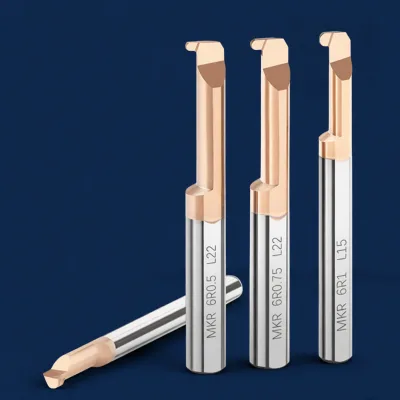
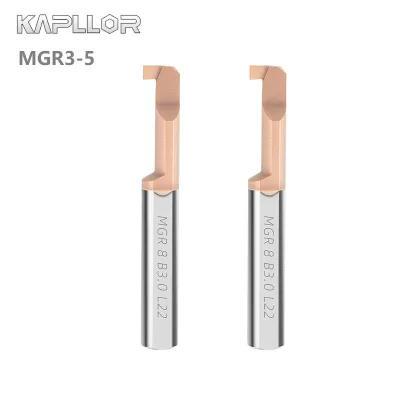
The foundational step in sourcing micro boring cutters involves a rigorous analysis of technical specifications. The core of these tools is typically constructed from Tungsten Steel, a material chosen for its exceptional hardness and wear resistance, which is essential for maintaining sharp edges during high-speed machining. The structural integrity of the cutter is often defined by an Integral design, where the cutting head and shank are manufactured as a single unit to minimize vibration and maximize rigidity. This is particularly vital when dealing with small diameters where deflection can compromise part quality.
Shank diameter is a primary specification that dictates compatibility with the machine tool's tool holder. Available ranges in the current market span from 4mm to 8mm, with specific models offering narrower bands such as 4mm-6mm or fixed sizes like 7mm. The flute length, which determines the depth of cut capability, varies significantly based on the application, ranging from 4mm to 40mm. Similarly, the overall length of the tool is a critical dimension for reach, with standard offerings falling between 30mm and 75mm. Buyers must cross-reference these dimensions with their specific machine setup to ensure adequate clearance and stability.
The cutting tip geometry is equally critical. The tip arc radius, often denoted as R0.05 to R0.20, influences the surface finish and the strength of the cutting edge. Smaller radii, such as R0.03 to R0.10, are suitable for fine finishing operations, while larger radii provide durability for roughing. The minimum diameter capability of these tools ranges from 1mm to 10mm, with specific models capable of penetrating depths between 0.4mm and 1.8mm. Precision is a non-negotiable attribute, with high-performance units claiming tolerances of ±0.005mm. When evaluating a product, buyers should verify that the stated diameter range and penetration depth align with the specific hole dimensions they intend to machine.
Material Compatibility and Coating Technologies
The performance of a micro boring cutter is heavily dependent on the interaction between the tool material and the workpiece. These tools are engineered to handle a variety of challenging materials, including Cast Iron, Tool Steel, and Stainless Steel. The versatility of the cutting edge allows for multiple machine types, including Internal Boring, Profiling, Threading, and Grooving. To enhance performance and extend tool life, manufacturers apply various coating technologies.
The coating process is a standard feature, with specific items available such as At12, Js25, Al25, LC25, At25, and Uncoating options. These coatings serve to reduce friction, dissipate heat, and protect the Tungsten Steel substrate from wear. The selection of the appropriate coating depends on the specific material being machined and the cutting speed. For instance, certain coatings may offer superior heat resistance for stainless steel applications, while others might provide better lubricity for aluminum or cast iron. Buyers should request detailed data on coating composition and thickness to ensure compatibility with their specific machining parameters.
Operational Applications and Performance Metrics
Understanding the intended application is crucial for selecting the right tool. The primary advantage of these micro boring cutters is High Efficiency, achieved through optimized geometry and robust material selection. The tools are designed to minimize cycle times while maintaining high precision. The square shank handle type provides a secure connection, reducing the risk of slippage during high-torque operations.
The following table summarizes the key performance attributes and specifications observed in the current market for Internal Hole Micro Boring Cutters:
| Attribute Category | Specific Specification | Observed Range/Value |
|---|---|---|
| Product Type | Hole Boring Cutter | Internal Boring, Profiling, Threading |
| Material | Substrate | Tungsten Steel |
| Structure | Design | Integral |
| Shank Diameter | Compatibility | 4mm - 8mm (varies by model) |
| Flute Length | Cutting Depth | 4mm - 40mm |
| Overall Length | Reach | 30mm - 75mm |
| Tip Arc | Edge Geometry | R0.03 - R0.20 |
| Min Diameter | Bore Capability | 1mm - 10mm |
| Precision | Tolerance | ±0.005mm |
| Coating Options | Surface Treatment | At12, Js25, Al25, LC25, Uncoating |
| Suitable Materials | Workpiece | Cast Iron, Tool Steel, Stainless Steel |
This data illustrates the breadth of capabilities available. For example, the MGSR and MIR models offer distinct ranges for flute length and overall length, catering to different depth requirements. The MFGR and MTHR models provide specific configurations for specialized tasks, such as those requiring a 7mm shank or specific penetration depths. Buyers must match these specifications to their production needs rather than assuming a single model will suffice for all applications.
Compliance, Certification, and Quality Verification
When sourcing industrial cutting tools, compliance and quality verification are paramount. While specific certification bodies may vary by region, buyers should verify that the product meets relevant international standards for tooling. The product standards listed, such as MGSR, MIR, and MFGR, serve as internal or industry-specific identifiers that define the geometric and performance parameters of the tool. It is essential to confirm that the standard cited on the product documentation matches the actual physical specifications of the tool received.
Quality control processes should be a central part of the supplier evaluation. Buyers must inquire about the testing protocols used to verify the precision of the tip arc and the overall length. The claimed precision of ±0.005mm requires rigorous metrology to validate. Additionally, the customization availability should be leveraged to ensure the tool meets unique requirements that off-the-shelf models cannot satisfy. Suppliers should provide evidence of their quality assurance processes, including how they handle deviations in the coating process or material composition.
Cost Drivers and Procurement Economics
The cost of Internal Hole Micro Boring Cutters is influenced by several factors, including the complexity of the geometry, the quality of the Tungsten Steel used, and the type of coating applied. The observed price range in the market spans from $1.01 to $2500, reflecting the vast difference between standard off-the-shelf items and highly customized, high-precision units. The minimum order quantity (MOQ) is generally low, ranging from 1 to 10 units, which allows for flexible procurement strategies and the ability to test tools before committing to larger orders.
Packaging is another consideration that can impact logistics costs. Products are typically supplied in Plastic Tubes & Carton Box, designed to protect the delicate cutting edges during transit. Buyers should ensure that the packaging is robust enough to prevent damage, especially when ordering high-value, precision tools. The origin of the product, often Guangdong, China, is a significant factor in the supply chain, influencing lead times and shipping costs. While the specific lead times are not universally fixed, buyers should establish clear expectations with the supplier regarding production and delivery schedules.
Supplier Evaluation and Long-Term Procurement Strategy
Selecting the right supplier requires a holistic approach that goes beyond price. Buyers should evaluate the supplier's technical support capabilities, their ability to provide customization, and their track record for delivering consistent quality. The availability of customization is a key differentiator, allowing buyers to tailor the tool to specific machine setups or material challenges. Suppliers who offer a wide range of models, such as those with prod_model identifiers like MGVR and MIR carbide Boring Tool, demonstrate a broader product portfolio and technical depth.
Long-term procurement considerations include the availability of replacement parts, the consistency of the coating process, and the supplier's responsiveness to quality issues. Since these tools are consumables, a reliable supply chain is essential to prevent production downtime. Buyers should also consider the total cost of ownership, which includes not just the purchase price but also the tool life, the number of parts produced per tool, and the impact on overall machining efficiency. High efficiency tools may have a higher upfront cost but can result in significant savings over time through reduced cycle times and lower scrap rates.
Conclusion
Sourcing Internal Hole Micro Boring Cutters requires a meticulous approach that balances technical specifications, material compatibility, and supplier reliability. The market offers a wide array of options, from standard integral designs to highly customized solutions, each with specific advantages for different machining applications. By carefully evaluating the technical parameters such as shank diameter, flute length, and tip arc, and by verifying the coating technologies and material properties, buyers can ensure they select tools that meet their precise requirements. The low MOQs and diverse price ranges provide flexibility, but the ultimate success of the procurement lies in the ability to match the tool's capabilities with the specific demands of the production environment. Through rigorous supplier evaluation and a focus on long-term value, organizations can optimize their machining operations and achieve superior results in internal hole micro boring applications.
FAQs
What material are Internal Hole Micro Boring Cutters made from?
These cutters are constructed from Tungsten Steel to ensure exceptional hardness and wear resistance during high-speed machining. This material choice is critical for maintaining sharp edges and structural integrity when machining challenging workpieces like cast iron and stainless steel.
Which shank diameters are available for these boring tools?
Available shank diameters range from 4mm to 8mm, with specific models offering narrower bands like 4mm to 6mm or fixed sizes such as 7mm. Buyers must select the diameter that matches their machine tool holder to ensure compatibility and stability during operation.
Can these tools be customized for specific machining needs?
Yes, customization is available to tailor the tool to unique requirements that off-the-shelf models cannot satisfy. This flexibility allows buyers to adjust specifications like tip arc or flute length to optimize performance for their specific production environment and material types.
What coating options are offered for these cutting tools?
Manufacturers provide various coating items including At12, Js25, Al25, LC25, At25, and Uncoating options to enhance performance. These coatings reduce friction, dissipate heat, and protect the Tungsten Steel substrate, extending tool life across different materials like tool steel and cast iron.
How precise are the Internal Hole Micro Boring Cutters?
High-performance units achieve a precision tolerance of ±0.005mm, ensuring tight control over bore dimensions. This level of accuracy is essential for applications in aerospace and medical devices where deflection must be minimized to maintain part quality and operational efficiency.
What is the minimum order quantity for these products?
The minimum order quantity generally ranges from 1 to 10 units, allowing for flexible procurement strategies. This low MOQ enables buyers to test tools before committing to larger orders and facilitates easier integration into production lines without significant inventory risks.