Source Ionic Hair Straightening Dryer Brush for Salon, Hotel, Home
Find and compare 30 models of the Ionic Hair Straightening Dryer Brush designed for commercial salons, hotels, and household use. Evaluate features like PTC heaters, LCD displays, and ceramic coatings to select the right tool for professional styling or personal care.
Key considerations
Products List


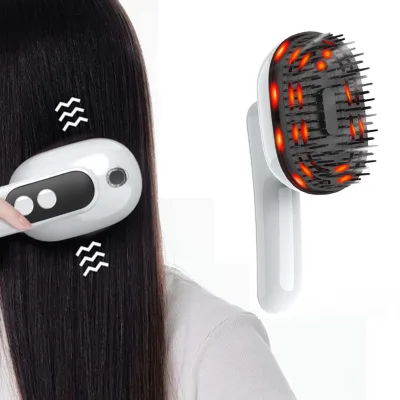


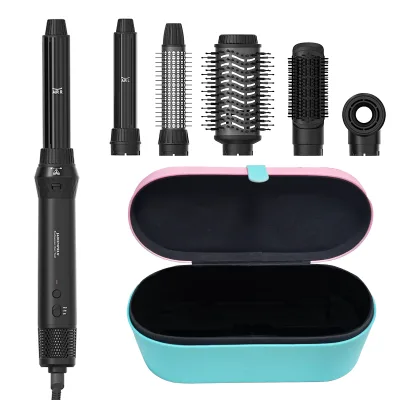
Hair Straightening Brush with Ionic Customized Ceramic Ionic Hair Brush
$8.00 - $13.00
MOQ: 1000 Pieces


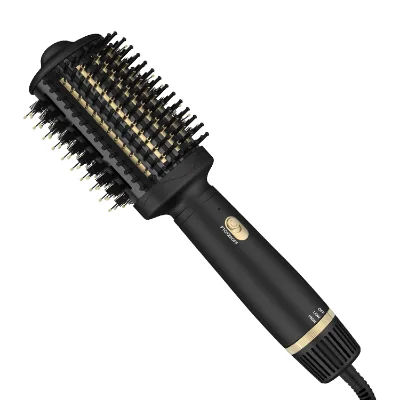
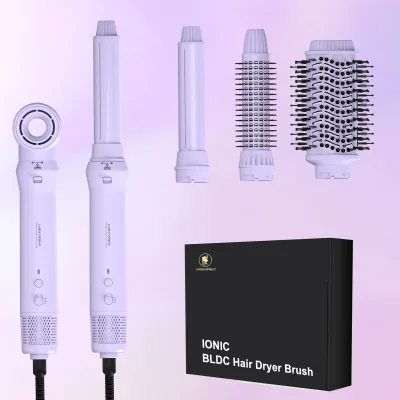
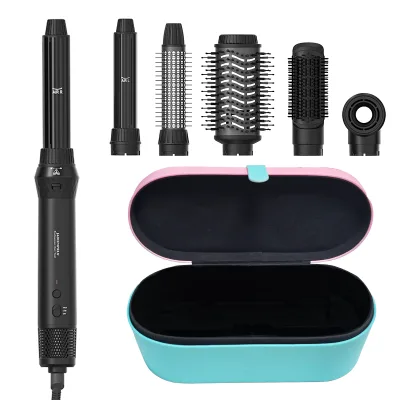


Comprehensive Sourcing Guide
Ionic Hair Straightening Dryer Brush Sourcing Guide
Sourcing an Ionic Hair Straightening Dryer Brush requires a nuanced understanding of the intersection between hair styling tools and personal care electronics. These devices combine the drying function of a hair dryer with the smoothing action of a straightener, often utilizing ceramic heating elements and ionic technology to reduce frizz and enhance shine. Buyers must navigate a market where product definitions can blur, with some listings categorizing items under hair clippers or generic hot air brushes, necessitating careful verification of the actual product type. The core keyword "Ionic Hair Straightening Dryer Brush" points to a specific subset of tools that prioritize hair health through controlled heat and ion emission, distinguishing them from standard flat irons or basic blow-dryer attachments.
The procurement landscape for these items is characterized by a wide variance in specifications, materials, and intended use cases. While the core function remains consistent, the execution varies significantly between models designed for professional salon use and those intended for household or travel applications. Buyers should expect to encounter products with varying voltage requirements, power outputs, and temperature controls. Understanding these distinctions is critical for aligning product selection with the target market’s regulatory environment and consumer expectations. This guide provides a structured approach to evaluating suppliers, verifying technical claims, and ensuring commercial viability for this specific category of beauty equipment.
Product Scope and Observed Listing Signals
The observed product scope reveals a diverse array of items that fall under the broad umbrella of hair styling tools, with specific emphasis on hot air brushes and straightening brushes. Listings indicate the presence of models such as KS-313, KS-518, KS-307, KS-301, KS-306, and KS-310, which are explicitly identified as electric hot air hair brushes. These products often feature ceramic materials for the barrel or plate coating, which is a key attribute for even heat distribution and reduced hair damage. The presence of "Ionic" as a listed feature suggests that these devices are designed to emit negative ions to neutralize static and seal the hair cuticle, a critical selling point for consumers seeking smoother, shinier results.
In addition to the hot air brushes, the scope includes products like the LD2022, LD2350, and LD2343, which are described with attributes such as LCD displays, PTC heaters, and ceramic coating plates. Some listings, such as the one for model BZ-0747, explicitly name the product as a "hair straightener brush" and highlight features like comfortable healthy comb teeth and specific temperature settings (H, M, L). It is important to note that while some listings may contain inconsistent categorization, such as referencing "hair clipper" standards, the actual product attributes like "hot air hair brush" or "hair straightener brush" provide the true indication of the item’s function. Buyers must carefully cross-reference the product name and type attributes to avoid misclassification errors during procurement.
Technical Specifications to Verify
When evaluating technical specifications, the material composition of the heating elements and barrels is a primary concern. Ceramic is a frequently cited material, often in the form of ceramic coating on plates or barrels, which is essential for maintaining consistent heat and preventing hot spots that can damage hair. The handle material is typically ABS plastic, chosen for its durability and heat resistance. For models like BZ-0747, the combination of ABS and copper in the construction suggests a focus on efficient heat conduction and structural integrity. Buyers should verify the specific type of ceramic used and whether it is a full ceramic barrel or a coated surface, as this impacts the longevity and performance of the tool.
Power and voltage specifications are equally critical for ensuring compatibility with different markets. The observed data includes a power rating of 35W for certain models, which is relatively low for a combined dryer and straightener, suggesting a focus on portability or gentle styling rather than high-volume drying. Voltage specifications such as 5V 2A indicate USB-powered or low-voltage operation, which is suitable for travel but may limit the device’s effectiveness for thick or wet hair. Other models may feature PTC (Positive Temperature Coefficient) heaters, which offer self-regulating temperature control and enhanced safety. Buyers must confirm the voltage and power requirements for their target regions to ensure the products meet local electrical standards and perform as expected.
Compliance and Safety Documentation
Compliance and safety are paramount when sourcing electrical beauty devices, particularly those that generate heat and are used close to the body. While specific certification statuses such as CE and RoHS are mentioned in the background context, buyers must independently verify the validity and scope of these certifications for each specific model and supplier. The presence of a "hair clipper" standard in some listings is a red flag that requires immediate clarification, as it does not align with the product type of a hair straightening brush. Buyers should request updated certification documents that specifically cover the product’s electrical safety, electromagnetic compatibility, and restricted substances compliance.
Documentation should also include detailed user manuals and safety warnings, particularly regarding temperature settings and usage time. For instance, the BZ-0747 model lists a use time of 60 minutes, which is a significant operational parameter that must be clearly communicated to end-users to prevent overheating or battery degradation. Buyers should ensure that suppliers provide clear labeling for temperature settings, such as High (200°C), Medium (180°C), and Low (160°C), to help users select appropriate heat levels for different hair types. Verifying that the product packaging includes all necessary safety information and regulatory markings is essential for successful customs clearance and retail compliance.
Cost Drivers and Commercial Terms
The cost structure for ionic hair straightening dryer brushes is influenced by several factors, including material quality, electronic components, and packaging. The use of ceramic coatings, PTC heaters, and LCD displays adds to the manufacturing cost compared to basic plastic models. Packaging options, such as standard packages or gift boxes, also impact the final unit cost and the perceived value of the product. Buyers should note that some suppliers accept small orders, which can be beneficial for testing the market, while others may have higher MOQs, such as 3000 PCS for certain models. Understanding these commercial terms is crucial for negotiating favorable pricing and managing inventory risk.
Observed price ranges and MOQs vary significantly across the market, with prices ranging from $2.8 to $55 and MOQs from 1 to 3000 units. This wide range reflects the diversity in product quality, features, and supplier capabilities. Buyers should be cautious of prices that seem unusually low, as they may indicate compromised material quality or lack of proper certifications. Conversely, higher prices may be justified by advanced features like LCD temperature displays, ionic technology, and premium packaging. It is advisable to request detailed quotations that break down costs for different order volumes and packaging options to identify the most cost-effective solution for your specific business needs.
Supplier Qualification and Quality Control
Supplier qualification is a critical step in mitigating procurement risks, especially in a market with varying levels of product consistency and documentation accuracy. Buyers should prioritize suppliers who demonstrate transparency in their product specifications and are willing to provide comprehensive documentation, including test reports and certification copies. The presence of inconsistent categorization in some listings, such as labeling a hair brush as a hair clipper, suggests a need for rigorous due diligence. Suppliers who are able to clearly distinguish between product types and provide accurate technical data are more likely to be reliable partners.
Quality control measures should be established to ensure that the products received match the agreed-upon specifications. This includes verifying the material composition, checking the functionality of electronic components like LCD displays and temperature controls, and inspecting the packaging for damage. Buyers should consider implementing pre-shipment inspections to catch any defects before the goods are dispatched. Additionally, establishing a clear communication channel with the supplier for addressing any quality issues or discrepancies is essential for maintaining a smooth supply chain. Building a relationship with suppliers who value quality and compliance will lead to better long-term outcomes.
Long-Term Procurement Checks
Long-term procurement success depends on continuous monitoring of supplier performance and market trends. Buyers should regularly review supplier compliance with agreed-upon standards and certifications, ensuring that any changes in regulatory requirements are promptly addressed. Keeping an eye on emerging technologies and features in the hair styling tool market, such as improved ionic generators or more efficient heating elements, can help buyers stay competitive. It is also important to maintain open lines of communication with suppliers to discuss potential product improvements or new model developments that may align with market demands.
Finally, buyers should establish a feedback loop with their end-users to gather insights on product performance and customer satisfaction. This information can be invaluable for refining product specifications and selecting the right models for future orders. By staying informed about market dynamics and maintaining strong supplier relationships, buyers can ensure a steady supply of high-quality ionic hair straightening dryer brushes that meet the needs of their customers. Regular audits of supplier processes and product quality will help mitigate risks and support sustainable growth in this competitive category.
FAQs
What materials are used in these hair brushes?
The products are constructed using ceramic, plastic, and ABS materials with copper components. Some models feature ceramic coating on the plates to ensure even heat distribution and protect hair during styling.
Which models support ionic technology for styling?
Specific models like KS-313 are designed with ionic features to reduce frizz and enhance shine. This technology helps in smoothing hair while the hot air brush operates at various temperature settings.
Can I order small quantities for testing purposes?
Yes, small orders are accepted for many of these hair styling tools. This allows buyers to test product quality before committing to larger bulk purchases required for standard wholesale transactions.
What is the voltage requirement for these devices?
The devices operate on a 5V 2A power supply, making them suitable for various power sources. This specification ensures compatibility with standard charging adapters and portable power banks for travel use.
Are these brushes suitable for professional salon use?
Yes, the application scope includes commercial salons, hotels, and professional settings. They are designed for durability and performance in high-volume environments while also being safe for household use.
What customization options are available for branding?
Customization is available for these products to meet specific buyer requirements. Buyers can request tailored packaging or branding options to align with their own business identity and market positioning.
How long does the battery last on portable models?
Some models offer a use time of up to 60 minutes on a single charge. This duration supports extended styling sessions without the need for frequent recharging during professional or home use.