Source IoT Development Single Board Computer for Education, Office, Design
Find 30 options for IoT Development Single Board Computer suitable for basic education, office tasks, and high-end design. Compare specifications including storage, connectivity, and operating systems to select the right development board for your project needs; compare the available evidence and request quotations based on your requirements.
Key considerations
Products List


Versatile All-in-One Computer with Touch Screen and Accessories Included
$145.00 - $155.00
MOQ: 1 Pieces


Customized Logo Motherboard Barebone System No RAM No SSD Office All-in-One Computer
$100.00 - $1000.00
MOQ: 10 Pieces


All-in-One 15.6-Inch Touch Panel Embedded Computer for Industrial Use
$380.00 - $420.00
MOQ: 10 Pieces


Comprehensive Sourcing Guide
IoT Development Single Board Computer Sourcing Guide
Sourcing an IoT Development Single Board Computer requires balancing computational power with connectivity options suitable for edge computing tasks. Buyers must evaluate whether the device supports the specific operating systems and memory configurations needed for their application. The market offers various models, from basic educational boards to high-performance units capable of handling complex design or gaming workloads. Understanding these distinctions is critical for selecting hardware that aligns with project requirements without overspending on unnecessary capabilities.
Procurement teams should also consider the physical form factor and mounting options available for the single board computers. Devices may come as standalone development boards or integrated into all-in-one systems with built-in displays and peripherals. This distinction impacts installation complexity and space requirements in industrial or office environments. Verifying the presence of essential interfaces such as USB-C, HDMI, and Ethernet ensures compatibility with existing infrastructure and peripheral devices required for seamless IoT deployment.
Product Scope and Observed Listing Signals
The current market listings reveal a diverse range of single board computers and related all-in-one systems originating primarily from China. Observed product attributes indicate a wide spectrum of configurations, including models with Intel Core processors, varying memory capacities from 4GB to 32GB, and storage options ranging from SSDs to HDDs. Some listings describe devices as monoblock computers or development boards, highlighting their versatility for different use cases. These signals suggest that buyers can find solutions tailored for basic office tasks, high-end design, or specialized gaming applications.
Price points and minimum order quantities vary significantly across suppliers, reflecting differences in component quality and customization levels. Listings show prices ranging from low-cost entry-level units to premium systems with advanced features like integrated graphics and full HD resolution. Minimum order quantities typically start at one unit, allowing for easy prototyping, while larger orders may benefit from OEM/ODM customization support. Buyers should carefully review product descriptions to distinguish between standalone single board computers and complete all-in-one systems that include displays, keyboards, and mice.
Technical Specifications to Verify
When evaluating single board computers, verifying the processor architecture and memory configuration is paramount for IoT applications. Buyers should confirm whether the device uses Intel or other compatible CPUs and ensure the RAM meets the demands of the intended software stack. Memory types such as DDR3 or DDR4 and capacities like 4GB, 8GB, or higher directly impact multitasking performance and data processing speed. Additionally, checking the storage type, whether SSD or HDD, and its capacity is essential for storing operating systems, applications, and local data efficiently.
Connectivity and display specifications also play a crucial role in determining the suitability of a single board computer for specific IoT deployments. Buyers must verify the presence of necessary ports such as USB-C, HDMI, Ethernet, and Wi-Fi capabilities to ensure seamless integration with networks and peripherals. For all-in-one systems, confirming the screen size, type (LCD or IPS), and resolution ensures adequate visibility for monitoring dashboards or interactive interfaces. Understanding these technical details helps prevent compatibility issues and ensures the hardware can handle the required workload reliably.
Compliance and Safety Documentation
Ensuring that single board computers meet international safety and environmental standards is a critical step in the procurement process. Buyers should request documentation confirming compliance with certifications such as CE, RoHS, ISO, and SGS, which indicate adherence to quality and safety regulations. These certifications are particularly important for devices intended for use in regulated industries or exported to markets with strict environmental requirements. Verifying these credentials helps mitigate legal risks and ensures the products are safe for end-users and the environment.
In addition to certifications, buyers should inquire about the manufacturing standards and quality control processes employed by suppliers. Understanding the production standards, such as specific packaging methods or assembly protocols, provides insight into the reliability and durability of the devices. For instance, foam carton packing or box packaging can affect the protection of sensitive electronic components during shipping. Requesting detailed information about these processes helps buyers assess the overall quality assurance practices of the supplier and the potential for long-term product stability.
Cost Drivers and Commercial Terms
Several factors influence the total cost of ownership for single board computers, including component specifications, customization options, and order volume. Devices with higher-end processors, larger memory capacities, and advanced features like integrated graphics or built-in cameras typically command higher prices. Buyers should also consider the costs associated with customization, such as logo printing or specific software pre-installation, which may incur additional fees. Understanding these cost drivers allows for more accurate budgeting and comparison of quotes from different suppliers.
Commercial terms, including minimum order quantities, payment terms, and lead times, significantly impact the procurement strategy. While some suppliers offer low MOQs for prototyping, larger orders may provide better unit pricing but require longer lead times. Buyers should negotiate clear terms regarding shipping, warranties, and after-sales support to avoid unexpected expenses. Additionally, considering the availability of accessories like keyboards and mice can affect the overall cost and convenience of setting up the IoT development environment.
Supplier Qualification and Quality Control
Evaluating supplier qualifications is essential to ensure the reliability and consistency of single board computer supplies. Buyers should verify the supplier's experience in manufacturing or distributing electronic components and their ability to provide OEM/ODM services if customization is required. Checking for valid business licenses and past performance records helps assess the supplier's credibility and financial stability. Suppliers with a strong track record in quality control are more likely to deliver products that meet specified technical and compliance standards.
Quality control measures, such as pre-shipment inspections and testing protocols, are critical for maintaining product integrity. Buyers should inquire about the supplier's procedures for testing hardware functionality, including processor performance, memory stability, and connectivity features. Requesting sample units for evaluation allows buyers to verify the quality before committing to large orders. Establishing clear quality expectations and inspection criteria in the purchase agreement helps ensure that the delivered single board computers meet the required performance and durability standards.
Long-Term Procurement Checks
Long-term success in sourcing single board computers depends on establishing robust relationships with suppliers and implementing continuous monitoring processes. Buyers should regularly review supplier performance metrics, such as delivery times, product defect rates, and responsiveness to issues. Maintaining open communication channels facilitates quick resolution of any problems that arise during the procurement cycle. Additionally, staying informed about technological advancements and market trends helps buyers make informed decisions about future upgrades or replacements.
Implementing a structured feedback loop with end-users and technical teams ensures that the selected single board computers continue to meet evolving IoT requirements. Collecting data on device performance, reliability, and user satisfaction provides valuable insights for future procurement decisions. Buyers should also consider the availability of spare parts and technical support services to minimize downtime and extend the lifecycle of the deployed hardware. By proactively managing these aspects, organizations can optimize their IoT infrastructure and achieve greater operational efficiency.
FAQs
What specifications are available for the QUARTZ64 Model-B SBC?
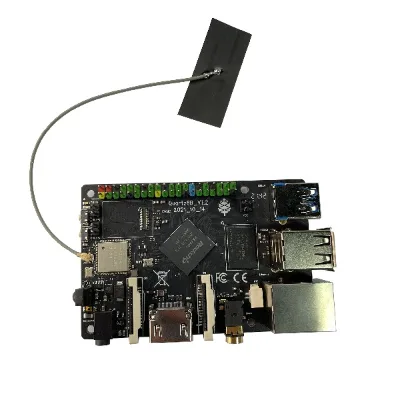
The QUARTZ64 Model-B features an Intel Core processor with 8GB RAM and supports up to 256GB SSD storage. It includes integrated graphics for Full HD resolution and offers connectivity via Wi-Fi, USB-C, HDMI, and Ethernet. This single board computer is designed for development tasks and supports Windows operating systems for versatile application deployment.
Can I customize the branding and packaging for bulk orders?
Yes, customization is available for both branding and packaging. You can request OEM or ODM logo services and choose from foam carton or box packing options. There is no limited quantity for customization, allowing you to tailor the product appearance and protective packaging to meet your specific brand identity and shipping requirements effectively.
What certifications do these single board computers hold?
These devices hold CE, RoHS, ISO, and SGS certifications. These standards ensure compliance with international safety and quality regulations. The certifications verify that the manufacturing process meets rigorous environmental and performance criteria, providing assurance for global distribution and integration into professional or educational environments without regulatory hurdles.
How does the memory capacity support different development needs?
The system supports memory capacities ranging from 4GB to 32GB, utilizing DDR3 or DDR4 types. This flexibility allows developers to select configurations that match their computational requirements. Higher memory options ensure smooth multitasking and efficient handling of complex development environments, making the board suitable for both basic and high-end design applications.
What is the typical MOQ for ordering these development boards?
The minimum order quantity ranges from 1 to 100 units. This flexible MOQ structure accommodates small-scale prototyping as well as larger production runs. Buyers can start with a single item for testing or scale up to bulk orders, ensuring that the sourcing process remains accessible for various project sizes and budget constraints.
Where are these single board computers manufactured?
These products originate from China, a major hub for electronics manufacturing. The location ensures access to established supply chains and production capabilities. Buyers can leverage this origin for efficient logistics and competitive pricing, while still meeting international quality standards through the provided certifications and rigorous manufacturing processes.