Find Ionic Nano Eye Mist Sprayer for Home, Salon, and Spa
Source 30 verified listings for the Ionic Nano Eye Mist Sprayer to compare features like PTC heating, battery capacity, and material composition. Buyers can evaluate options ranging from ABS+PC to aluminium alloy designs for professional or personal beauty routines.
Key considerations
Products List

$20.90 - $26.80
MOQ: 20 Pieces


New Arrivals Nebulizers Mini Portable Nebulizer Facial Nose Eye Mist Sprayer
$3.50 - $10.00
MOQ: 100 Pieces


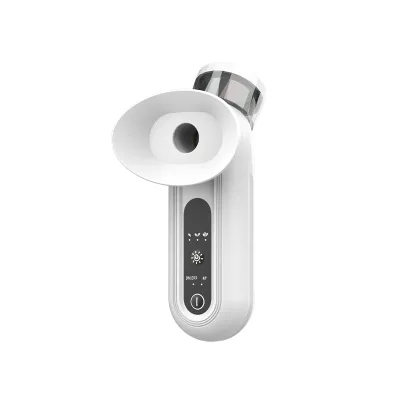
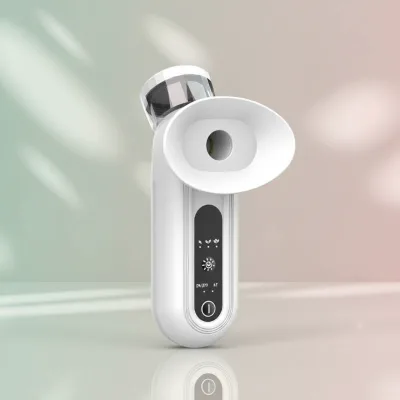
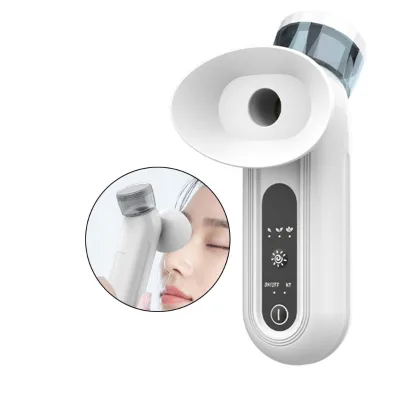
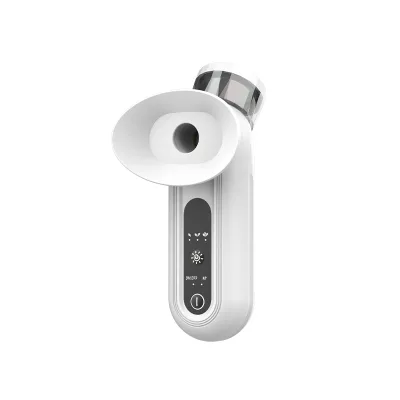



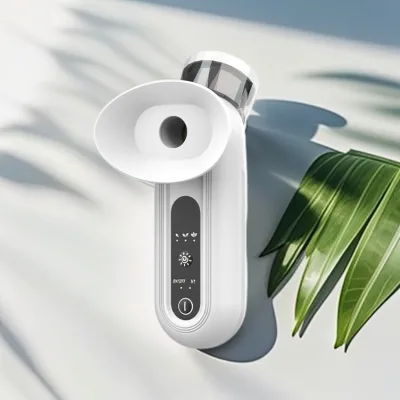

Silver Nano Mist Facial Sprayer, 18mm Silver Perfume Sprayer, Cosmetic Sprayer
$0.20 - $0.25
MOQ: 10000 Pieces

Fine Mist Sprayer with as Cover 20mm 24mm Mini Nanos Mist Sprayer for Facial Care
$0.10 - $0.12
MOQ: 10000 Pieces

New Eco Friendly 100% Fine Mist Sprayer Nano Mist Sprayer Oil Mist Sprayer Bottle
$0.10 - $0.11
MOQ: 10000 Pieces


Cosmetics Packaging Standard Fine Mist Sprayer Face Spray Body Mist Pump Sprayer
$0.03 - $0.05
MOQ: 20000 Pieces

24mm Matt Silver Sprayer for Cosmetic Oil, 24/410 Mist Mini Micro Sprayer
$0.10 - $0.15
MOQ: 10000 Pieces

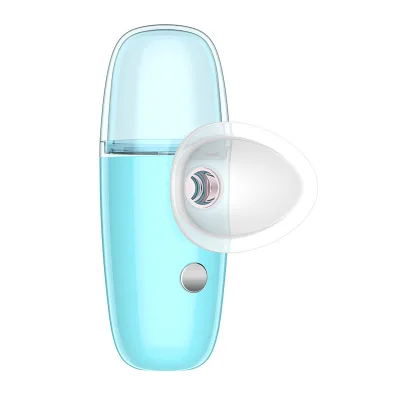


Comprehensive Sourcing Guide
Strategic Sourcing Guide for Ionic Nano Eye Mist Sprayers
Understanding the Technical Landscape of Nano Spraying Technology
The core keyword "Ionic Nano Eye Mist Sprayer" identifies a specialized category of beauty instruments designed to deliver ultra-fine water or serum particles directly to the skin. In the context of B2B procurement, understanding the underlying technical specifications is paramount to ensuring the product meets the intended therapeutic and aesthetic goals. The technology relies on the conversion of liquid into a mist with particle sizes small enough to penetrate the skin barrier effectively, a process often enhanced by ionic charges that help attract moisture to the skin cells.
When evaluating potential suppliers, buyers must scrutinize the specific functional attributes listed in product data sheets. The supplied context reveals a variety of functional claims associated with similar devices, including "Facial Beauty Nano Sprayer," "Whitening," "Negative Ions," and "Skin Rejuvenation." While these are observed attributes, a buyer must verify that the specific model selected for an eye-focused application actually delivers the necessary mist density and ionization capability. The "Spraying Shape" is a critical observation; the data indicates a "Mist" output, which is the standard requirement for nano technology. However, the distinction between a general facial sprayer and a targeted eye instrument is vital. Some listed models, such as the "Eye beauty instrument" with Model Number "QB-132," explicitly mention an "Eye" massage area, suggesting a design optimized for the delicate periorbital region rather than the full face.
Power consumption and heating methods are also significant technical differentiators. The provided facts list a "Rated Power" of "350W" and a "Heating Method" of "PTC Heating" for certain models. While PTC (Positive Temperature Coefficient) heating is efficient for maintaining consistent temperatures, a 350W rating is substantial for a handheld eye device. Buyers should verify if this power rating applies to a larger facial unit or if a lower-wattage variant exists specifically for the eye area to ensure safety and portability. Furthermore, the "Battery" specifications, such as a "7.4V 1200mAh" unit, indicate that portable models rely on internal power sources. For B2B buyers, confirming the battery life and charging cycle is essential for a product intended for home or professional spa use. The "Air Pressure" of "160kpa" mentioned in the data suggests a mechanism for atomization, but the consistency of this pressure across different models must be validated to ensure a uniform mist output.
Compliance, Certification, and Safety Standards
Navigating the regulatory landscape for beauty devices requires a rigorous approach to compliance and certification. The safety of a device that emits mist near the eyes is non-negotiable, and buyers must demand evidence of adherence to international safety standards. The supplied product facts explicitly mention "MSDS" (Material Safety Data Sheet) and "ISO" certifications. These are critical indicators of a supplier's commitment to quality management and chemical safety. An MSDS is particularly relevant for devices that may use liquids or contain specific materials, as it details the handling, storage, and potential hazards of the components.
However, the presence of these certifications in the general data pool does not guarantee that every specific model possesses them. Buyers must verify that the specific "Eye beauty instrument" or nano sprayer model they intend to purchase has valid, up-to-date certification documents. The "ISO" certification likely refers to ISO 9001 for quality management systems, which is a baseline expectation for reputable manufacturers. Beyond these, buyers should investigate whether the device complies with regional electrical safety standards, such as CE for Europe or FCC for the United States, which are not explicitly listed in the provided facts but are standard requirements for electronic beauty devices.
Material safety is another critical compliance aspect. The observed materials include "ABS+PC," "Aluminium Alloy & Stainless Steel," and "PP" (Polypropylene). These materials are generally safe for cosmetic applications, but the buyer must ensure that the "Stainless Steel" and "Aluminium Alloy" components do not corrode when exposed to the "Liquid Contained," which is noted as a "Disinfector" in some contexts. The "Nature" attribute listed as "No" in the data suggests that some items may not be natural or organic, which is a crucial distinction for buyers targeting the clean beauty market. Additionally, the "Usage Mode" is specified as "For External Use," a mandatory disclaimer that must be clearly visible on the product and packaging to prevent misuse.
Cost Drivers and Pricing Dynamics
The pricing structure for ionic nano eye mist sprayers is influenced by several interconnected factors, including material composition, technological complexity, and packaging requirements. The observed price range in the market data spans from 0 to 26.8 USD, indicating a wide spectrum of product tiers. This variation is likely driven by the difference between basic models and those featuring advanced features like "Wireless remote control" or specialized "Massage area" capabilities.
Material costs play a significant role in the final price. Models constructed with "Aluminium Alloy & Stainless Steel" will inherently cost more than those made primarily of "ABS+PC" or "PP" due to the raw material expenses and the manufacturing processes involved. The "Injection Molding" technique mentioned for PP components is a cost-effective method for high-volume production, whereas machining metal alloys is more labor-intensive. Furthermore, the inclusion of a battery, such as the "7.4V 1200mAh" unit, adds to the Bill of Materials (BOM) cost. Buyers should be aware that devices with higher battery capacities or those requiring specific charging circuits will command a premium.
Packaging is another substantial cost driver. The data lists various packing standards, ranging from "Carton" to "Color Gift Box" and "Safe Export Pack." A "Color Gift Box" implies a higher level of aesthetic finishing and marketing readiness, which increases the unit cost but may be necessary for retail distribution. Conversely, a simple "Carton" or "1pcs/box" configuration is more suitable for bulk B2B transactions where the end-user packaging is handled separately. The "Standard" dimensions, such as "26.717.827cm" or "Mini" sizes, also affect shipping costs. Larger units or those with irregular shapes may incur higher freight charges, which can impact the landed cost for the buyer.
The "MOQ" (Minimum Order Quantity) range of 1 to 50,000 units offers flexibility but also influences unit pricing. Suppliers often offer tiered pricing structures where the cost per unit decreases as the order volume increases. Buyers should negotiate based on their specific volume requirements, keeping in mind that very low MOQs (e.g., 1 unit) often come with a higher per-unit price to cover setup and handling costs. The "Place of Origin" being "Guangdong, China" or "Ningbo" suggests a mature manufacturing ecosystem, which can help stabilize costs, but buyers should still verify if there are any tariffs or logistics surcharges specific to their destination country.
Typical Applications and Market Segmentation
The application of ionic nano eye mist sprayers extends beyond simple hydration, targeting specific beauty and wellness needs. The observed "Function" attributes, including "Whitening," "Negative Ions," and "Skin Rejuvenation," indicate that these devices are marketed as multi-functional tools for aesthetic improvement. The "Cold Hot Dressing Application" for "Beauty" suggests that the devices may offer temperature modulation, allowing for both cooling to reduce puffiness and heating to enhance product absorption.
In the B2B context, the primary application scenarios include home use, professional spa treatments, and retail distribution. The "Application" attribute listed as "Home" confirms that these devices are designed for consumer use, but the "Online Technical Support" feature implies a level of sophistication that could also appeal to professional estheticians. The "Massage area" specifically targeting the "Eye" highlights a niche application for reducing eye strain, dark circles, and fine lines. This specialization allows buyers to position the product as a premium solution for eye care, differentiating it from general facial misters.
The "Type" of device, identified as a "Facial Steamer" in some contexts, suggests that the technology can be adapted for broader applications. However, for the specific "Eye beauty instrument," the focus is on precision. The "Liquid Contained" being a "Disinfector" in some models points to a potential dual use for sanitizing the skin or the device itself, although this requires careful verification to ensure it does not irritate the sensitive eye area. The "Portable" nature of the devices, combined with battery operation, makes them ideal for travel and on-the-go skincare routines, expanding the potential market reach.
Buyers should also consider the "Installation Type," such as "External Thread Connection," which may be relevant for larger, stationary units or those designed to be integrated into other beauty systems. For portable eye sprayers, this feature might be less relevant, but it indicates the versatility of the manufacturing platform. Understanding these diverse applications helps buyers tailor their marketing strategies and product positioning to specific customer segments, whether they are targeting luxury spa chains, direct-to-consumer e-commerce platforms, or wholesale distributors.
Supplier Evaluation and Quality Control Protocols
Selecting the right supplier for ionic nano eye mist sprayers requires a multi-faceted evaluation process that goes beyond price comparisons. The "Customization" attribute, noted as "Available" for some models and "Non-Customized" for others, is a key differentiator. Buyers seeking private labeling or specific design modifications must prioritize suppliers who offer customization services. This includes the ability to alter the "Product name," adjust the "Model Number," or modify the "prod_packing" to include custom branding.
Quality control is essential to ensure consistency across batches. The "Feature" of being "Recyclable" suggests an environmental consideration, but it also implies a commitment to sustainable manufacturing practices. Buyers should request quality assurance documentation, including inspection reports and test results, to verify that the "Rated Power," "Air Pressure," and "Battery" specifications remain consistent across production runs. The "Standard" of "200pcs/carton" or "10pcs/carton" provides insight into the supplier's packaging efficiency and logistics capabilities, which can impact the overall supply chain reliability.
When evaluating suppliers, buyers should look for evidence of a robust quality management system, ideally backed by the "ISO" certification mentioned in the data. The "After-sale Service" of "Online Technical Support" is a positive indicator of a supplier's willingness to assist with product issues, which is crucial for maintaining customer satisfaction in the beauty industry. Additionally, the "Place of Origin" being "Guangdong, China" or "Ningbo" indicates access to a well-developed supply chain, but buyers should verify the specific factory's capacity and reputation.
It is also important to assess the supplier's ability to handle the "MOQ" requirements. A supplier that can accommodate an MOQ of 1 unit is suitable for sampling, while one capable of 50,000 units is necessary for large-scale distribution. The "Lead time" and "Location" factors should be discussed explicitly to ensure they align with the buyer's inventory planning. Finally, buyers should verify the "Certification" status of the specific models they intend to purchase, ensuring that the "MSDS" and other safety documents are current and applicable to the target market.
Long-Term Procurement and Supply Chain Resilience
Sourcing ionic nano eye mist sprayers is not merely a transactional activity but a strategic decision that impacts long-term business viability. The "Product Model" variations, such as "FS-W04," "FS-W10," "003," "004," "006," "SC855," and "QB-132," indicate a diverse product portfolio. Buyers should consider the longevity of these models and the supplier's commitment to product updates and support. The "Standard" dimensions and "Packing" specifications should be consistent to avoid disruptions in logistics and storage.
Supply chain resilience is another critical consideration. The "Location" of the supplier, whether in "China," "Ningbo," or "Guangzhou," can be influenced by geopolitical factors, trade policies, and logistics disruptions. Buyers should develop contingency plans, such as diversifying suppliers or maintaining safety stock, to mitigate potential risks. The "Customization" availability offers a strategic advantage, allowing buyers to adapt to changing market trends and consumer preferences without being locked into a single product design.
Furthermore, the "Feature" of being "Recyclable" and the use of materials like "ABS+PC" and "PP" align with growing consumer demand for sustainable products. Buyers should leverage this aspect in their marketing to appeal to environmentally conscious consumers. The "Battery" technology, specifically the "7.4V 1200mAh" specification, should be evaluated for its longevity and replaceability. As battery technology evolves, suppliers who can integrate newer, more efficient batteries will provide a competitive edge.
Finally, the "After-sale Service" and "Online Technical Support" provided by the supplier are essential for maintaining product quality and customer trust over time. Buyers should establish clear communication channels and service level agreements (SLAs) to ensure that any issues are resolved promptly. By focusing on these long-term considerations, buyers can build a robust and sustainable supply chain for ionic nano eye mist sprayers that supports their business growth and market competitiveness.
FAQs
Can this device be customized for private labeling?
Yes, customization is available for specific models, but some units are listed as non-customized. Buyers must verify the customization status for the exact model number before ordering to ensure branding requirements are met.
What materials are used to construct the sprayer body?
The product is constructed from ABS plus PC plastic, aluminum alloy, stainless steel, or PP depending on the specific model. These materials ensure durability and safety for external use near the eyes.
Which certifications do these beauty devices typically hold?
The devices hold MSDS and ISO certifications to ensure safety and quality management. Buyers should request specific documentation for the chosen model to confirm compliance with regional electrical and chemical safety standards.
How is the product packaged for safe export?
Packaging options include cartons, color gift boxes, or safe export packs depending on the order volume. Some models are packed as 1 piece per box while others may contain 10 or 200 pieces per carton.
What is the rated power consumption for the heating function?
Certain models feature a rated power of 350W with PTC heating methods for efficient temperature control. This power level is suitable for maintaining consistent mist output during facial or eye beauty treatments.
Where are these ionic nano sprayers manufactured?
The products originate from China, specifically from manufacturing hubs in Ningbo and Guangzhou. Buyers can expect a mature supply chain ecosystem with established logistics capabilities for international shipping.
Can the device be used for home applications?
Yes, the device is designed for home use and features portable operation with battery power. It includes functions like whitening and skin rejuvenation suitable for personal skincare routines without requiring external installation.