Source Ionic Beard Hair Straightener Comb for Salon, Hotel, Household
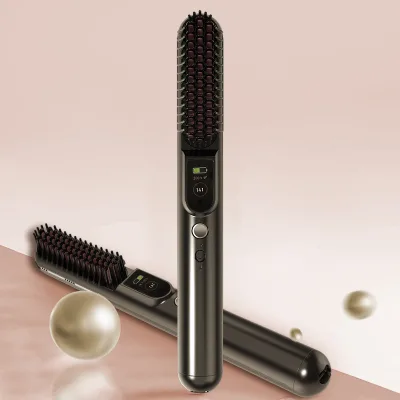
Compare 30 listings of the Ionic Beard Hair Straightener Comb featuring ceramic plates, PTC or MCH heaters, and LED displays. Buyers can evaluate models like LD-009 and BOZF526 for dual wet and dry use in salons, hotels, and households with customizable options.
Key considerations
Products List


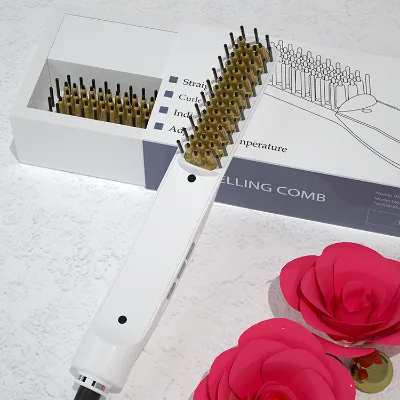


Straight Hair Comb, Negative Ion Straightener, Electric Curling Hair Comb
$3.87 - $4.87
MOQ: 500 Pieces

Multi-Functional Curling Iron, Hot Air Comb, Hair Comb, Hair Styling Straight Hair Comb
$3.39 - $3.99
MOQ: 1000 Pieces
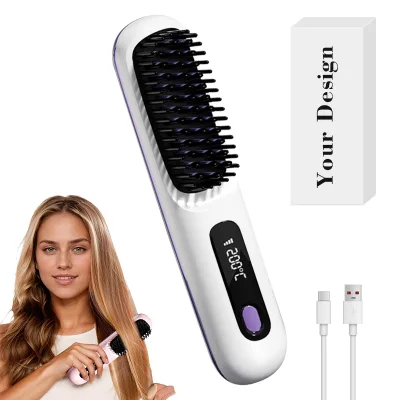
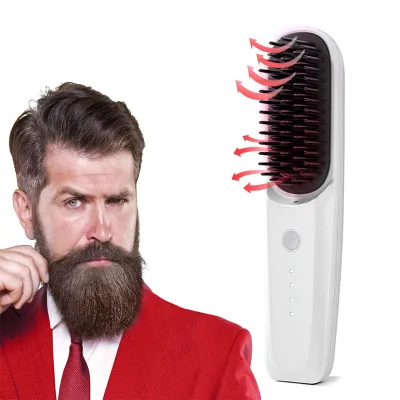
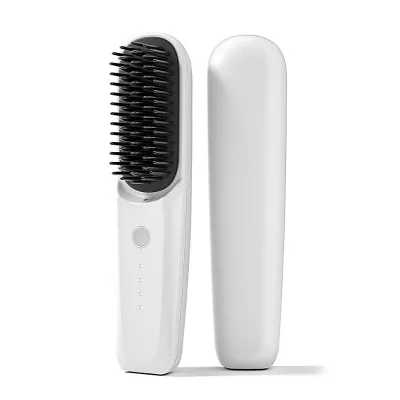


Professional Salon Cordless Hair Straightening Comb Straight Curl Dual-Purpose
$13.50 - $14.00
MOQ: 1000 Pieces

Comprehensive Sourcing Guide
Ionic Beard Hair Straightener Comb Sourcing Guide
Sourcing specialized grooming tools like ionic beard hair straightener combs requires a nuanced understanding of both personal care aesthetics and professional salon durability. These devices bridge the gap between traditional hair straightening technology and modern, compact grooming needs, targeting users who seek precision styling for facial hair or fine, unruly head hair. The market has seen a shift toward miniaturized, dual-function devices that offer both wet and dry styling capabilities, often leveraging negative ion technology to reduce frizz and enhance shine. For procurement professionals, the challenge lies in distinguishing between generic household appliances and specialized tools designed for specific hair textures and styling routines.
The procurement landscape for these items is characterized by a high degree of customization and a wide variance in technical specifications. Buyers often encounter products marketed under various model numbers, such as LD-009, LD2021, or BOJF100, which may share core functionalities but differ significantly in heating elements, power consumption, and display interfaces. Understanding these variations is critical for aligning product offerings with target demographics, whether they are high-end salons, travel-oriented consumers, or general household users. This guide provides a structured approach to evaluating suppliers, verifying technical claims, and managing commercial risks associated with importing these specialized grooming devices.
Product Scope and Observed Listing Signals
The observed product range indicates a strong emphasis on versatility and portability, with many listings highlighting features such as miniaturized designs and dual wet-and-dry functionality. These devices are frequently marketed for use in hair salons, hotels, and travel scenarios, suggesting a focus on durability and ease of maintenance. The presence of negative ion technology is a common selling point, aimed at improving hair health by reducing static and enhancing smoothness. Buyers should note that while "ionic" is a frequent descriptor, the actual efficacy depends on the specific generator technology used, such as tourmaline ceramic or standard ceramic coatings, which vary in cost and performance.
Listing signals also reveal a significant degree of customization availability, with suppliers offering options for customized colors, packaging, and branding. This flexibility is particularly relevant for private-label buyers looking to establish unique brand identities in the competitive grooming market. However, the diversity of models, including those with LED or LCD displays and varying power ratings from 35W to 45W, necessitates careful specification alignment. Procurement teams must verify that the selected model meets the specific power requirements of their target markets, especially when dealing with international shipping and voltage differences, as many observed units are rated for 220V and AC corded operation.
Technical Specifications to Verify
Heating technology is the most critical technical differentiator in this category, with observed products utilizing PTC, MCH, or ceramic heating elements. Buyers must verify the specific heater type and plate material, as these directly impact heat-up time, temperature stability, and hair safety. For instance, some listings specify a ceramic coating or tourmaline ceramic heating element, which are known for even heat distribution and ion generation. It is essential to confirm the maximum temperature settings, as observed ranges include fixed temperatures like 230°C or multi-level adjustments, which cater to different hair types, from fine to thick or long hair.
Display and control interfaces also vary significantly, with options ranging from simple LED indicators to more advanced LCD screens and even APP-controlled functionality. These features affect user experience and perceived product value, with digital displays often allowing for precise temperature control and real-time monitoring. Procurement teams should evaluate whether the control mechanism aligns with the target user’s technical proficiency and whether the additional features justify the cost premium. Additionally, the physical dimensions and weight, such as the observed carton size of 462926cm for bulk packaging, are crucial for logistics planning and retail shelf placement.
Compliance and Safety Documentation
Electrical safety is paramount for any corded grooming device, and buyers must ensure that suppliers provide appropriate certification documentation for the target markets. While CE certification is mentioned in background data, it is not a guarantee of compliance for all regions; buyers must verify specific certifications such as UL for North America, CCC for China, or other regional standards. The presence of a warranty, often listed as one year, should be clearly defined in terms of coverage for heating elements and electronic components, as these are the most likely points of failure.
Data privacy and security become relevant if the product includes APP-controlled features, as these devices may collect user data or connect to cloud services. Buyers should inquire about the supplier’s data handling practices and ensure that the software complies with regulations like GDPR or CCPA, depending on the sales region. Furthermore, the use of materials such as ceramic and tourmaline should be verified for safety and durability, ensuring that they do not degrade or release harmful substances under high-temperature conditions. Clear labeling of rated voltage and power is also essential to prevent misuse and potential safety hazards.
Cost Drivers and Commercial Terms
The cost structure for ionic beard hair straightener combs is influenced by several factors, including the complexity of the heating element, the type of display, and the level of customization. Products with advanced features like APP control or multi-level temperature adjustment typically command higher prices, while basic models with simple LED displays and fixed temperatures are more cost-effective. The observed price range of $2.86 to $27.7 USD reflects this variance, with higher-end models incorporating more sophisticated electronics and premium materials. Buyers should analyze the bill of materials to understand the cost breakdown and identify opportunities for value engineering.
Minimum Order Quantities (MOQs) and packaging options also play a significant role in total landed cost. Observed MOQs range from small orders of 1 piece to bulk quantities of 3000 pieces, with suppliers often offering discounts for larger volumes. Packaging choices, such as gift boxes, color boxes, or standard cartons, affect both product protection and retail appeal, with premium packaging adding to the unit cost. Procurement teams should negotiate terms that balance inventory holding costs with the need for product availability, considering the lead times and shipping methods that best suit their supply chain strategy.
Supplier Qualification and Quality Control
Supplier qualification should focus on manufacturing capabilities, quality management systems, and past performance in the grooming appliance sector. Buyers should request evidence of production capacity, including the number of units produced per month and the flexibility to handle custom orders. Verification of the supplier’s quality control processes, such as incoming material inspections, in-process testing, and final product audits, is essential to ensure consistency and reliability. Suppliers who offer customization should demonstrate their ability to maintain quality standards across different product variants and packaging options.
Quality control checks should include functional testing of heating elements, temperature accuracy verification, and durability assessments of the ceramic plates. Buyers should also evaluate the supplier’s after-sales support, including their response time to quality issues and their willingness to provide replacement parts or technical assistance. Establishing a clear communication channel for ongoing quality feedback is crucial for maintaining product standards and addressing any emerging issues promptly. Regular audits and sample testing can help mitigate risks and ensure that the supplied products meet the specified requirements.
Long-Term Procurement Checks
Long-term procurement success depends on continuous monitoring of product performance, market trends, and supplier reliability. Buyers should track customer feedback and return rates to identify any recurring quality issues or design flaws that need to be addressed in future orders. Staying informed about advancements in heating technology and ion generation can help buyers stay competitive and offer innovative products to their customers. Regularly reviewing supplier performance metrics, such as on-time delivery rates and defect percentages, is essential for maintaining a robust supply chain.
As regulations evolve, particularly regarding electrical safety and data privacy, buyers must remain vigilant and adapt their procurement strategies accordingly. Engaging with suppliers who are proactive about compliance and innovation can provide a strategic advantage in the market. Building strong relationships with qualified suppliers and fostering collaboration on product development can lead to mutually beneficial outcomes, ensuring a steady supply of high-quality ionic beard hair straightener combs that meet the evolving needs of consumers.
FAQs
What functions does the Ionic Beard Hair Straightener Comb offer?
The device provides dual wet and dry styling capabilities along with negative ion technology to reduce frizz. It features a ceramic coating plate and offers temperature display for precise control during use.
Can I customize the color and packaging for this product?
Yes, customization is available for both the product color and the packaging options. Buyers can choose from standard packages or gift box packing to suit their specific branding or gifting needs.
What is the minimum order quantity for this straightener comb?
The minimum order quantity varies by model, ranging from 1 piece to 3000 pieces depending on the specific supplier and configuration selected. Small orders are generally accepted for most product listings.
Which heater types are used in these ionic beard straighteners?
The products utilize PTC or MCH heater types for efficient heating performance. These systems are paired with ceramic or tourmaline ceramic heating elements to ensure even heat distribution across the plates.
How is the temperature controlled on the automatic straightener comb?
Temperature control is managed through LED or LCD displays with up to 15 levels of adjustment. Some models support APP control and allow multi-level temperature settings for different hair types.
Where are these ionic beard hair straightener combs manufactured?
These products originate from Zhejiang, China, as indicated by the supplier location data. The manufacturing process adheres to specific standards including ceramic coating requirements for the heating plates.
What power source and wattage do these devices require?
The devices operate on AC corded power sources with rated voltages of 220V. Power consumption ranges from 35W to 45W depending on the specific model and heating element configuration.