Find ip67 8-pin m12 connector for Camera, Machinery, Power
Source 30 verified options for the ip67 8-pin m12 connector suitable for industrial machinery, cameras, and power applications. Buyers can compare specifications like pin count, cable length, and certifications including RoHS and CE to find the right component.
Key considerations
Products List


Comprehensive Sourcing Guide
Strategic Sourcing Guide for IP67 8-Pin M12 Connectors
Understanding the Technical Architecture of M12 Interfaces
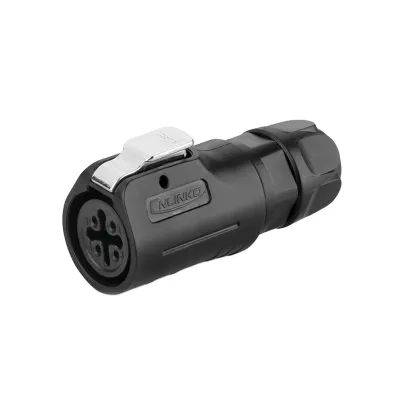
The M12 connector family represents a critical standard in industrial automation, offering a robust circular interface designed to withstand harsh environments. When sourcing an IP67 8-pin M12 connector, buyers must first distinguish between the specific coding and pin configurations that define the connector's functionality. The M12 form factor is widely recognized for its compact size and high density, making it ideal for applications where space is limited but reliability is paramount. The "8-pin" designation indicates a specific contact count, which is essential for transmitting multiple signals or power lines simultaneously within a single interface.
In the context of the available product data, the M12 connector is available in various coding types, such as "A Code," which is standard for general sensor and actuator applications. However, the specific requirement for an 8-pin configuration often implies a need for higher data throughput or complex power distribution, distinguishing it from the more common 3-pin or 4-pin variants. The terminal material is a crucial technical attribute; observed data points to the use of copper galvanized and phosphor copper. Phosphor copper is particularly valued for its excellent conductivity and resistance to fatigue, ensuring stable electrical contact over repeated mating cycles. The terminal material directly influences the contact resistance, with observed specifications indicating a value as low as 3.8mΩ, a figure that is vital for minimizing signal loss and heat generation in high-frequency applications.
The physical construction of the connector also dictates its environmental resilience. The shell material is frequently identified as Polyamide (PA), a thermoplastic that offers high mechanical strength and resistance to chemicals and temperature fluctuations. This material choice supports the IP67 rating, which signifies that the connector is dust-tight and can withstand temporary immersion in water. The IP rating is a critical specification for buyers operating in outdoor or industrial settings where exposure to moisture, dust, and oil is inevitable. Furthermore, the cable material is often specified as PVC or PUR (Polyurethane), with PUR being preferred for its superior flexibility and resistance to abrasion, oils, and chemicals. The cable flammability rating of "Vo" (Vertical Burning) is another technical parameter that ensures the assembly meets safety standards for fire resistance, a non-negotiable requirement in many industrial facilities.
Compliance and Certification Verification Protocols
Navigating the compliance landscape for industrial connectors requires a rigorous verification process to ensure that the components meet international safety and environmental standards. The supply chain for M12 connectors is global, with origins noted in regions such as Zhejiang, Fujian, and China generally. To mitigate risk, buyers must verify that the products carry a comprehensive suite of certifications. The observed product data lists a wide array of certifications, including RoHS, ISO CE, MSDS, VDE, UL, SAA, PSE, NOM, GOST, CSA, and ISO 9001. Each of these certifications serves a specific regulatory function in different markets.
RoHS (Restriction of Hazardous Substances) is a baseline requirement for electronic components sold in the European Union and many other jurisdictions, ensuring that the connector does not contain lead, mercury, or other restricted hazardous materials. ISO CE indicates conformity with health, safety, and environmental protection standards for products sold within the European Economic Area. UL (Underwriters Laboratories) and CSA (Canadian Standards Association) are critical for North American markets, verifying that the product meets specific fire and electrical safety tests. The presence of VDE certification is particularly relevant for the German and European markets, signifying compliance with German electrical safety standards.
Buyers must also consider the MSDS (Material Safety Data Sheet) documentation, which provides essential information on the handling, storage, and disposal of the connector materials. This is especially important for procurement teams managing logistics and warehouse safety. Additionally, the ISO 9001 certification indicates that the manufacturer adheres to a quality management system, suggesting a consistent level of production quality. It is imperative for buyers to request current, valid certificates for each specific product batch, as certification status can change. The data also mentions specific certifications like GOST for the Eurasian Economic Union and PSE for Japan, highlighting the need for region-specific verification. Relying on a single generic certification is insufficient; the procurement strategy must demand a full compliance matrix that aligns with the target market's regulatory requirements.
Cost Drivers and Pricing Structure Analysis
The pricing of M12 connectors is influenced by a complex interplay of technical specifications, material costs, and order volume. The observed price range for these components spans from $0.20 to $54.99 USD, a wide variance that reflects differences in quality, complexity, and included accessories. Several key factors drive these costs. First, the terminal material plays a significant role; connectors utilizing phosphor copper or gold-plated contacts typically command a higher price than those with standard copper galvanized terminals due to the superior conductivity and corrosion resistance of the materials.
Second, the cable configuration is a major cost determinant. The data indicates cable lengths ranging from 0.5m to 6m, with options for customization. Longer cables naturally incur higher material costs, particularly when high-grade PUR is used instead of standard PVC. The wire gauge is another critical variable; specifications such as 160.34mm for signal and 30.75mm for power indicate the thickness of the conductors. Thicker wires (lower gauge numbers) require more copper, directly increasing the material cost and the overall weight of the product. The single gross weight of 0.080kg for smaller units versus heavier assemblies for longer cables further illustrates how physical attributes impact pricing.
Third, the level of customization available significantly affects the final price. The product data confirms that customization is available for pin configurations, cable lengths, and coding types. Custom orders often involve non-standard tooling or production runs, which can increase the unit price and potentially raise the Minimum Order Quantity (MOQ). The observed MOQ range of 1 to 1000 units suggests that buyers can source small quantities for prototyping or testing, but bulk orders may be required to achieve the lower end of the price spectrum. Packaging also contributes to cost; the use of cartons for bulk shipping adds to the overall expense compared to single-item packaging.
Finally, the inclusion of additional features such as waterproof connectors, specific IP ratings, and high-frequency capabilities adds to the manufacturing complexity. Connectors designed for high-frequency applications or those with advanced protection levels like IP67 require more precise engineering and testing, which is reflected in the higher price points. Buyers should analyze the total cost of ownership, considering not just the unit price but also the durability and maintenance costs associated with lower-quality alternatives.
Typical Applications and Performance Requirements
The IP67 8-pin M12 connector is engineered for demanding environments where reliability is critical. The observed application data highlights usage in camera systems and industrial machinery, sectors that require robust data transmission and power delivery. In industrial machinery, these connectors are frequently used to link sensors, actuators, and controllers within automation systems. The 8-pin configuration is particularly advantageous in these scenarios, allowing for the transmission of multiple sensor signals, power, and ground connections through a single interface, thereby reducing wiring complexity and potential points of failure.
The high-frequency operation capability mentioned in the product attributes suggests suitability for applications involving rapid data transfer, such as in advanced robotics or high-speed manufacturing lines. The rated voltage of up to 30V and current ratings of 4A at 40°C indicate that these connectors are designed for low-voltage, high-current applications common in industrial control systems. The coding type, such as "A Code," is standard for sensor and actuator applications, ensuring compatibility with a vast ecosystem of industrial devices.
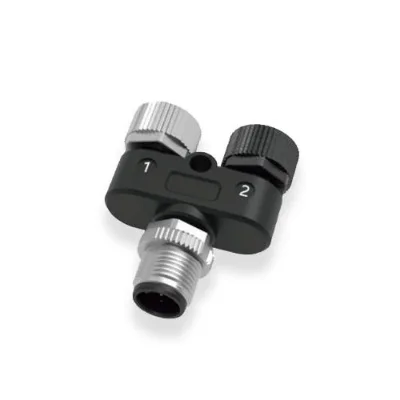
In the context of camera systems, the waterproof and dust-proof nature of the IP67 rating is essential. Cameras deployed in outdoor environments or within dirty industrial settings require connectors that can withstand exposure to water jets, dust, and oil without compromising signal integrity. The male and female gender options allow for flexible system design, enabling the creation of both plug-in and socket-based connections. The shape of the connector, typically round, is designed to minimize snagging and facilitate easy installation in tight spaces. The versatility of the M12 connector extends to its use in junction boxes, as indicated by the "M12-Junction Box 1002" model, which allows for the consolidation of multiple connections in a protected enclosure.
Supplier Evaluation and Quality Assurance Strategies
Selecting a reliable supplier for M12 connectors requires a multi-faceted evaluation strategy that goes beyond simple price comparison. Buyers should prioritize suppliers who can demonstrate a consistent track record of quality and compliance. The origin of the products, noted as Zhejiang and Fujian in China, suggests a concentration of manufacturing capabilities in these regions. However, the location alone does not guarantee quality; buyers must verify the supplier's adherence to international standards.
Quality assurance should begin with a thorough review of the supplier's certification portfolio. As discussed, a comprehensive list of certifications including UL, CE, RoHS, and ISO 9001 is a strong indicator of a supplier's commitment to quality. Buyers should request copies of these certificates and verify their validity with the issuing bodies. Additionally, the supplier's ability to provide detailed technical documentation, such as datasheets and MSDS, is a critical factor in the evaluation process.
The manufacturing process itself should be scrutinized. Suppliers should be able to explain their quality control measures, including incoming material inspection, in-process testing, and final product verification. The use of high-quality materials like phosphor copper and PA shells should be confirmed through material test reports. Buyers should also inquire about the supplier's testing capabilities, particularly regarding IP rating verification and electrical performance testing. The ability to perform specific tests, such as contact resistance measurement and cable flammability testing, is a sign of a mature manufacturing operation.
Furthermore, the supplier's flexibility and responsiveness are important considerations. The availability of customization options, such as specific cable lengths and pin configurations, indicates a supplier capable of meeting unique project requirements. Buyers should assess the supplier's lead times and their ability to scale production to meet demand fluctuations. The observed MOQ range of 1 to 1000 units suggests that suppliers should be capable of accommodating both small and large orders, but buyers must confirm this capability during negotiations.
Long-Term Procurement and Lifecycle Management
Procuring M12 connectors is not merely a transactional activity but a strategic decision that impacts the long-term reliability and maintenance costs of industrial systems. Buyers should consider the lifecycle of the connector, including its expected service life, maintenance requirements, and end-of-life disposal. The durability of the connector is heavily influenced by the quality of the materials used. Connectors with phosphor copper terminals and PA shells are generally more resistant to wear and corrosion, offering a longer service life in harsh environments.
Maintenance considerations include the ease of installation and the availability of replacement parts. The screw and soldering termination options provide flexibility in how the connectors are integrated into systems, but buyers should ensure that the chosen termination method aligns with their assembly capabilities. The availability of spare parts and the supplier's ability to provide consistent replacements over time are crucial for minimizing downtime in critical applications.
Environmental sustainability is another long-term consideration. The RoHS certification ensures that the connectors do not contain hazardous substances, facilitating compliance with environmental regulations. The recyclability of the materials, such as copper and PA, should also be evaluated. Buyers should work with suppliers who have clear policies on waste management and recycling to support their own sustainability goals.
Finally, the total cost of ownership (TCO) should be the primary metric for decision-making. While a lower unit price may be attractive initially, the long-term costs associated with failures, downtime, and maintenance can far outweigh the initial savings. Investing in high-quality, certified M12 connectors from reputable suppliers can significantly reduce the risk of system failures and ensure the longevity of the industrial infrastructure. By focusing on quality, compliance, and supplier reliability, buyers can secure a supply chain that supports the long-term success of their operations.
FAQs
What certifications are available for ip67 8-pin m12 connectors?
Available certifications include RoHS, CE, UL, VDE, SAA, PSE, NOM, GOST, CSA, and ISO 9001. These ensure compliance with international safety and environmental standards for various global markets.
Which terminal materials are used for ip67 8-pin m12 connectors?
Terminal materials typically include copper galvanized and phosphor copper. Phosphor copper offers excellent conductivity and fatigue resistance, ensuring stable electrical contact over repeated mating cycles.
Can I customize the cable length for ip67 8-pin m12 connectors?
Yes, customization is available for cable lengths such as 0.5m, 1m, or 6m. Buyers can request specific lengths to fit their unique application requirements without compromising the IP67 rating.
How does the IP67 rating protect ip67 8-pin m12 connectors?
The IP67 rating ensures the connector is dust-tight and can withstand temporary immersion in water. This protection is vital for industrial machinery and camera systems in harsh outdoor environments.
What is the typical price range for ip67 8-pin m12 connectors?
The observed price range spans from 0.20 to 54.99 USD. Costs vary based on terminal material, cable length, and customization options like specific coding or wire gauges.
Which applications commonly use ip67 8-pin m12 connectors?
These connectors are commonly used in camera systems and industrial machinery. They facilitate reliable data transmission and power delivery for sensors and actuators in automation environments.