Source IP67 Aluminum LED Inground Light for Parking Lots, Gardens, and Squares
Find 30 verified options for the IP67 Aluminum LED Inground Light suitable for parking lots, gardens, and squares. Compare specifications including power, color temperature, and IP ratings from suppliers in Dongguan, China.
Key considerations
Products List


Outdoor IP67 Adjust Beam Angle Underground Light LED 3W 5W Inground Light
$102.00 - $108.00
MOQ: 5 Pieces


IP67 Waterproof LED Underground Deck Light for Outdoor Step Bury Inground Lamp
$38.00 - $50.00
MOQ: 5 Pieces


IP67 Waterproof Underground Light Outdoor LED Deck Floor Lamp Inground Light
$6.90 - $15.90
MOQ: 20 Pieces


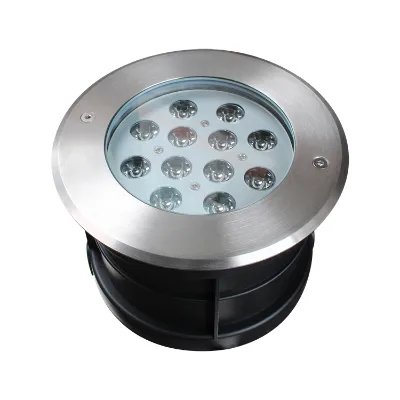


IP65 Outdoor Lighting Round LED Buried Inground Light with CE/RoHS Approval
$1.00 - $2.00
MOQ: 10 Pieces


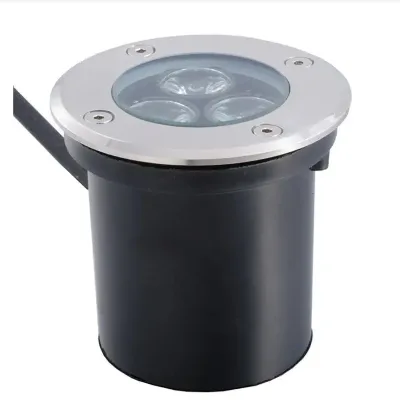

Comprehensive Sourcing Guide
Strategic Sourcing Guide for IP67 Aluminum LED Inground Lights
Selecting the correct outdoor lighting solution requires a meticulous approach to technical specifications, material integrity, and regulatory compliance. For buyers searching for an IP67 Aluminum LED Inground Light, the primary objective is to secure a fixture that withstands harsh environmental conditions while delivering consistent illumination for landscape and architectural applications. The following guide synthesizes available product data and industry standards to provide a structured framework for procurement decisions. This analysis focuses on the intersection of material durability, electrical safety, and performance metrics essential for long-term operational success.
Technical Specifications and Performance Metrics
The core of any inground lighting system lies in its ability to maintain performance under pressure. When evaluating products, buyers must prioritize the ingress protection rating, specifically IP67, which ensures the fixture is dust-tight and capable of withstanding temporary immersion in water. This rating is critical for fixtures installed flush with the ground, where they are exposed to rain, irrigation systems, and cleaning protocols. The product data indicates that specific models are designed with an IP rating that aligns with these waterproofing requirements, often paired with an input voltage specification of 220V or 24V depending on the transformer setup.
Material selection is equally paramount. The housing of these fixtures is predominantly constructed from aluminum, a choice driven by its superior thermal conductivity and corrosion resistance. Aluminum bodies facilitate efficient heat dissipation, which is vital for maintaining the lifespan of the LED chips. The data confirms that the lamp body material is consistently aluminum across the observed product range. Furthermore, the LED chips themselves are a critical component; high-end specifications cite brands such as CREE and Epistar. These manufacturers are known for producing diodes with high luminous efficacy and stable color temperatures. Buyers should verify that the specific unit they procure lists a recognized LED brand, as generic chips often suffer from rapid lumen depreciation.
Light output and color quality are other decisive factors. The observed product range includes units with power ratings of 2W, 5W, and 10W, indicating a scalable solution for different lighting densities. For instance, a 2W unit may suffice for subtle path lighting, while a 10W unit provides brighter illumination for larger areas. The Color Rendering Index (CRI) is another metric to scrutinize; data points to a CRI of 80, which is generally acceptable for outdoor applications where accurate color representation is less critical than in indoor retail spaces. However, for projects requiring high fidelity, buyers must explicitly request higher CRI values. The Color Temperature (CCT) options observed range from Warm White to Pure White, with some models offering a broad spectrum from 2700K to 6500K or even RGB capabilities. This flexibility allows designers to tailor the ambiance of the space, whether it is a serene garden or a dynamic commercial plaza.
Compliance and Certification Verification
Navigating the regulatory landscape is a non-negotiable aspect of B2B procurement. The provided data highlights several certifications that serve as proxies for quality and safety. The most frequently observed certifications include CE, RoHS, EMC, and LVD. The CE mark indicates conformity with health, safety, and environmental protection standards for products sold within the European Economic Area. RoHS compliance ensures that the product is manufactured without specific hazardous materials, such as lead or mercury, which is crucial for environmental sustainability and disposal regulations.
EMC (Electromagnetic Compatibility) and LVD (Low Voltage Directive) certifications address the electrical safety and interference aspects of the product. EMC ensures that the LED driver does not emit excessive electromagnetic interference that could disrupt other electronic devices, while LVD confirms that the product operates safely within low-voltage limits. While the data lists these certifications, buyers must understand that the presence of a certification label on a product page does not guarantee that every unit in a shipment is certified. It is imperative to request valid test reports and certificates of conformity from the supplier for the specific batch being ordered.
The product origin is listed as Dongguan, China, or generally "Made in China." While this is a major manufacturing hub, it necessitates rigorous supplier vetting. Buyers should not assume that all products from this region automatically meet international standards. Instead, the procurement strategy must involve a direct request for the specific test reports associated with the CE, RoHS, EMC, and LVD claims. Additionally, while ISO9001 is mentioned in background contexts, it should be treated as a potential quality management system indicator rather than a product-specific certification. Verification of the supplier's ISO9001 status should be conducted through their official quality documentation.
Cost Drivers and Pricing Structures
Understanding the cost structure of LED inground lights is essential for budgeting and negotiation. The observed price range in the market spans from $1 to $120 USD. This wide variance is driven by several key factors, including the quality of the LED chips, the complexity of the driver circuitry, the thickness and finish of the aluminum housing, and the level of customization required. A unit priced at the lower end of the spectrum may utilize generic LED chips, thinner aluminum, or a standard IP rating that is less robust. Conversely, units at the higher end likely feature premium CREE or Epistar chips, robust aluminum casting, and advanced waterproofing seals.
Minimum Order Quantity (MOQ) is another significant cost driver. The data indicates an MOQ range of 1 to 1000 units, with specific listings showing an MOQ of 5 pieces. For small-scale projects or prototyping, a low MOQ is advantageous, allowing buyers to test the product before committing to a large order. However, larger orders often benefit from economies of scale, reducing the per-unit cost. Buyers should also consider the customization costs. The product attributes confirm that customization is available for size, power, color temperature, and voltage. While customization adds value, it often increases the unit price and may extend the lead time.
Packaging is a subtle but important cost factor. The data mentions "Export Cartons," "Carton," and "Export Packaging." Proper packaging is essential to prevent damage during shipping, especially for heavy aluminum fixtures. Buyers should ensure that the quoted price includes robust packaging that meets international shipping standards to avoid losses due to transit damage.
Typical Applications and Installation Requirements
The versatility of IP67 aluminum LED inground lights makes them suitable for a wide array of applications. The observed product data lists applications including parking lots, squares, gardens, and lawns. These fixtures are designed to be recessed into the ground, creating a seamless integration with the landscape. The installation method is typically recessed, requiring precise cutting of the ground surface to accommodate the fixture's dimensions.
The physical dimensions of the fixtures vary, with standards such as a diameter of 250mm and height of 190mm, or smaller units with a diameter of 95mm and height of 118mm. These variations allow for flexibility in design, enabling the lighting of large open spaces or intimate garden paths. The shell color options, including black, grey, and white, further enhance the ability to blend the fixtures into different environments. For example, black fixtures may be preferred in dark soil or asphalt settings, while white fixtures might suit light-colored stone or concrete.
The power requirements also dictate the application. Lower wattage units (2W) are ideal for subtle accent lighting in gardens, while higher wattage units (10W) are better suited for illuminating parking lots or large plazas. The control methods, such as remote control, add another layer of functionality, allowing for dynamic lighting scenes in commercial or high-end residential settings. Buyers must ensure that the chosen fixture's dimensions and power rating align with the specific lighting design requirements of the project.
Supplier Evaluation and Quality Control
Evaluating suppliers requires a focus on reliability and transparency. The data indicates that the products originate from Dongguan, China, a region with a high concentration of lighting manufacturers. However, the presence of a manufacturing location does not equate to quality. Buyers should verify the supplier's ability to provide consistent quality control. Key indicators include the warranty period, with observed terms ranging from 2 to 3 years. A longer warranty often signals the manufacturer's confidence in their product's durability.
Quality control should also extend to the testing of the IP rating. While the product claims an IP67 rating, buyers should request evidence of water immersion testing to ensure the seal integrity is maintained over time. The life span of the LEDs is another critical metric, with data suggesting a lifespan of 50,000 hours. This figure should be verified against the manufacturer's testing data, as real-world conditions can affect the actual lifespan.
The customization capabilities of the supplier are also a factor in evaluation. The ability to customize size, power, and color temperature suggests a flexible manufacturing process. However, buyers must ensure that the customization does not compromise the structural integrity or the IP rating of the fixture. Clear communication regarding the customization requirements and the impact on lead time is essential.
Long-Term Procurement Considerations
Sourcing LED inground lights is not just about the initial purchase; it involves long-term considerations such as maintenance, replacement, and scalability. The 50,000-hour lifespan of the LEDs suggests a long service life, but the driver and the sealing materials are often the first points of failure. Buyers should inquire about the availability of replacement parts and the ease of maintenance. The product packing, described as export cartons, should be durable enough to protect the fixtures during storage and installation.
Furthermore, the standardization of the product is crucial for future expansions. If a project is designed with specific dimensions and power ratings, it is beneficial to select a supplier that can consistently produce these specifications. The observed product models, such as 2055R7 and 2130R, indicate a range of standardized options. Buyers should aim to standardize their orders on a few key models to simplify inventory management and reduce the complexity of future replacements.
Finally, the environmental impact of the product should be considered. The RoHS certification ensures that the product is free from hazardous substances, aligning with global sustainability goals. Buyers should also consider the energy efficiency of the fixture, particularly in large-scale applications where the cumulative energy savings can be significant. By focusing on high-efficiency LEDs and robust aluminum construction, buyers can ensure a sustainable and cost-effective lighting solution for years to come.
Comparative Analysis of Key Product Attributes
To assist in the decision-making process, the following table summarizes the key attributes observed in the product data, highlighting the variations that buyers should consider during procurement.
| Attribute | Observed Range/Options | Procurement Consideration |
|---|---|---|
| Ingress Protection | IP67 (Implied/Verified) | Must verify water immersion test reports for batch consistency. |
| Material | Aluminum | Check for thickness and corrosion-resistant coating quality. |
| LED Brand | CREE, Epistar | Verify authenticity; generic chips may reduce lifespan. |
| Power Rating | 2W, 5W, 10W | Select based on required illuminance and beam angle. |
| Color Temperature | Warm White, Pure White, 2700-6500K | Ensure consistency across the entire order for uniformity. |
| Warranty | 2 Years, 3 Years | Longer warranty indicates higher confidence in durability. |
| Certifications | CE, RoHS, EMC, LVD | Request valid test reports; do not rely solely on labels. |
| Customization | Size, Power, CCT, Voltage | Confirm impact on lead time and unit cost. |
| MOQ | 1 to 1000 Units | Negotiate based on project scale; low MOQ for testing. |
| Origin | Dongguan, China | Verify supplier's quality management system (e.g., ISO9001). |
By adhering to these guidelines and rigorously verifying the technical and compliance data, buyers can secure high-quality IP67 aluminum LED inground lights that meet the demanding requirements of modern outdoor lighting projects. The focus on verified specifications, robust materials, and transparent supplier practices ensures a successful procurement outcome.
FAQs
What certifications do these lights have?
The products typically hold CE, RoHS, EMC, and LVD certifications. These marks indicate compliance with European safety and environmental standards, ensuring the fixtures are free from hazardous materials and operate safely within low-voltage limits.
Which LED chip brands are used in these fixtures?
High-end models utilize recognized brands like CREE and Epistar for their diodes. These manufacturers provide stable color temperatures and high luminous efficacy, which are critical for maintaining consistent light output over the product's lifespan.
Can I customize the size and power of the lights?
Yes, customization is available for size, power, color temperature, and voltage. Buyers can request specific dimensions or wattage levels, though this may affect the unit price and potentially extend the manufacturing lead time.
What is the expected lifespan of these LED inground lights?
The observed lifespan is approximately 50,000 hours. This duration depends on proper installation and heat dissipation, which is facilitated by the aluminum body material designed to manage thermal conductivity effectively.
How are these lights packaged for shipping?
The fixtures are packed in export cartons or standard cartons designed for protection. This packaging ensures the heavy aluminum bodies remain secure during transit to prevent damage before they reach the installation site.
What is the minimum order quantity for these products?
The minimum order quantity ranges from 1 to 1000 units, with some listings showing an MOQ of 5 pieces. This flexibility allows buyers to test products with small orders or benefit from economies of scale with larger purchases.
Where are these products manufactured?
The products originate from Dongguan, China, or are generally made in China. This region is a major manufacturing hub, requiring buyers to verify specific supplier quality controls and certification documents for each batch.