Source IP67 Automotive Gas Pedal Connector for Cars, Trucks, Motorcycles
Find and compare 30 verified options for the IP67 Automotive Gas Pedal Connector suitable for automobiles, motorcycles, and automotive wiring harnesses. Buyers can review specifications including waterproof ratings, pin counts, and materials like PA66 or PBT/PA66 from Chinese manufacturers.
Key considerations
Products List


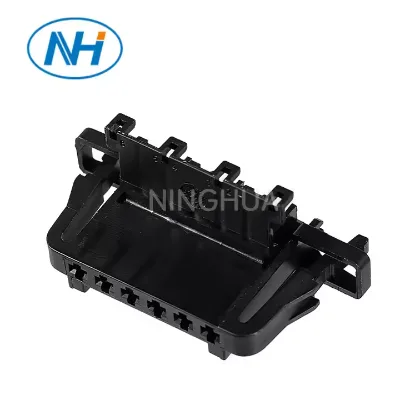
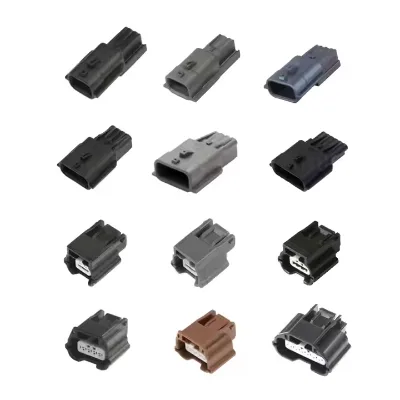
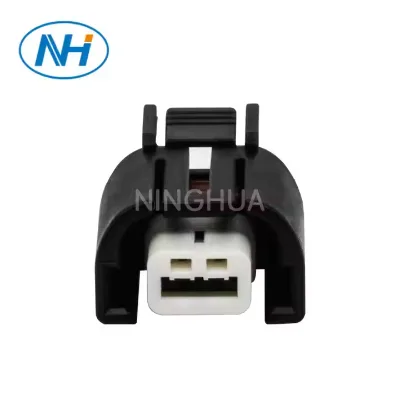
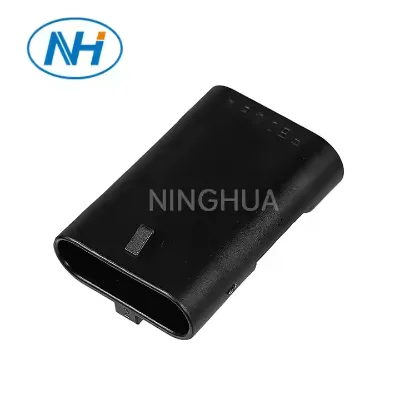
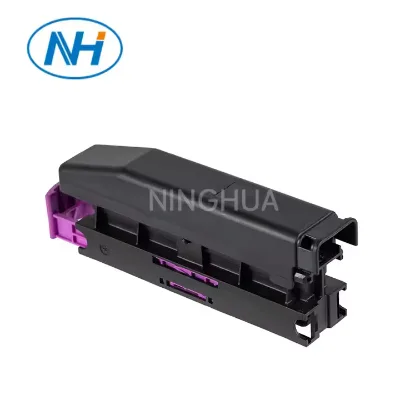
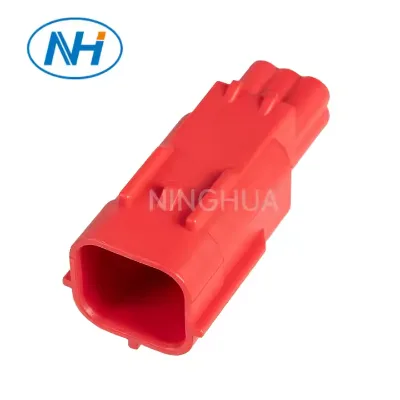


Superior Automotive Wiring Pin Connector for Reliable Terminal Connections
$0.04 - $0.05
MOQ: 3000 Pieces

Reliable Auto Connector with 16pins for High-Quality Electrical Connections
$0.28 - $0.33
MOQ: 200 Pieces

Comprehensive Sourcing Guide
Strategic Sourcing Guide for IP67 Automotive Gas Pedal Connectors
Understanding the Technical Landscape of Automotive Connectors
When sourcing components for critical vehicle systems such as the gas pedal, buyers must prioritize connectors that meet rigorous environmental and electrical standards. The core keyword "IP67 Automotive Gas Pedal Connector" points to a specific class of hardware designed to withstand harsh operating conditions while maintaining reliable signal transmission. Based on observed market data, these components are frequently categorized under "Waterproof Automotive Connector" specifications, with a distinct focus on the "Auto Connector" and "Car Waterproof Connector" classifications.
The physical construction of these connectors is a primary determinant of their performance. The housing material is a critical factor, with observed listings specifying "PA66" (Polyamide 66) and "PBT/PA66" blends. These materials are selected for their high thermal stability, chemical resistance, and mechanical strength, which are essential for components located near the engine bay or under the dashboard where heat and vibration are prevalent. The "PA67" designation also appears in some contexts, indicating variations in the polymer formulation intended to enhance durability.
Electrical performance is equally vital. The "Signal" attribute for these products is consistently identified as "Low Voltage Wiring Harness," which aligns with the operational requirements of modern electronic throttle control systems. The "Wire Core Material" is predominantly "Copper Wire," ensuring low resistance and efficient power transfer. In terms of pin configuration, the market offers a wide range of options, including "36 pin automotive connector," "8 pin male female connector," and "2 pin waterproof electric connector." The specific pin count, such as the "34pin" option observed in high-volume listings, must be matched precisely to the vehicle's wiring harness architecture to ensure compatibility.
The gender of the connector is another fundamental specification. The observed data indicates a prevalence of "Female" gender connectors, which is standard for the receptacle side of the mating interface in many automotive harness assemblies. However, the system as a whole requires both male and female counterparts to function. The "Connector Type" is often described as "ST" in specific contexts, though the broader category includes various configurations suitable for "All Kind of Autos." The "Shape" of the housing is frequently "Square," facilitating compact integration into tight engine compartments.
Compliance, Certification, and Regulatory Standards
Navigating the regulatory landscape is a non-negotiable aspect of sourcing automotive-grade components. Buyers must verify that suppliers adhere to international standards to ensure the safety and reliability of the final vehicle assembly. The observed product data highlights several key certifications and standards that are prevalent in the market. "RoHS" (Restriction of Hazardous Substances) is a recurring standard, indicating compliance with regulations limiting the use of specific hazardous materials in electrical and electronic equipment. This is often paired with "CE" marking, signifying conformity with health, safety, and environmental protection standards for products sold within the European Economic Area.
Beyond environmental compliance, safety and quality management certifications are critical. The data references "CCC" (China Compulsory Certification), which is mandatory for many products sold in the Chinese market. Additionally, "UL" certification is frequently mentioned, representing a benchmark for safety and performance in the United States and globally. Some listings also cite "VDE" certification, a German standard that is highly respected in the automotive industry for electrical components. The combination of "CCC, ISORoHS, VDE" suggests a robust compliance framework, though buyers should verify the specific validity of these certificates for the exact batch of goods being procured.
It is important to note that while "ISO 9001" is a common background standard for quality management systems, the provided data does not explicitly confirm its presence in every listing. Therefore, buyers should treat this as a verification point rather than an automatic inclusion. The "Standard" attribute in the product listings sometimes includes dimensional specifications like "5x5x5" or "101010cm," which likely refer to packaging dimensions rather than product standards. Buyers must distinguish between packaging standards and the actual product compliance standards to avoid confusion during the procurement process.
Cost Drivers and Pricing Dynamics
The pricing of automotive connectors is influenced by a complex interplay of factors, including material costs, manufacturing complexity, and order volume. The observed price range for these components spans from $0.04 to $3.05 USD. This wide variance indicates that the cost is not uniform across all product types. The lower end of the spectrum likely corresponds to simpler, single-pin or low-pin-count connectors with standard packaging, while the higher end reflects complex multi-pin assemblies, such as the "36 pin automotive connector," which require more material and precise engineering.
Material composition is a significant cost driver. Connectors utilizing high-grade "PA66" or specialized "PBT/PA66" blends will inherently cost more than those using lower-grade plastics. The inclusion of "Copper Wire" cores also impacts the price, as copper is a commodity with fluctuating market rates. Furthermore, the "Waterproof" feature, which is essential for gas pedal applications, adds to the manufacturing cost due to the need for precise sealing mechanisms and higher-quality housing materials.
Order volume plays a pivotal role in determining the final unit price. The Minimum Order Quantity (MOQ) observed in the market ranges from 1 to 10,000 units. This flexibility allows buyers to source small quantities for prototyping or testing, with an MOQ as low as 50 pieces noted in specific listings. However, to achieve the lower end of the price range, buyers typically need to commit to larger volumes. The "Production Capacity" of suppliers, observed at "50000PCS One Week," suggests that high-volume orders can be fulfilled rapidly, potentially offering economies of scale that reduce the per-unit cost.
Packaging and logistics also contribute to the overall cost structure. While the base product price is a primary factor, the "prod_packing" method, whether "Bag or Carton" or specific courier services like "DHL FedEx UPS TNT Postal," adds to the total landed cost. Buyers should consider the trade-off between packaging efficiency and shipping speed, especially when dealing with urgent production needs where "Lead Time" can be as short as 1 day for sample orders.
Typical Applications and Industry Integration
The primary application for IP67 automotive gas pedal connectors is within the "Automotive Wiring Harness" sector. These components are integral to the "Low Voltage Wiring Harness" systems that control the electronic throttle body and accelerator pedal position sensors. The "Industry Type" is explicitly identified as "Automotive Wiring Harness," confirming their specialized use in vehicle manufacturing and repair. The versatility of these connectors is evident in their application across various vehicle types, including "Automobile," "Motorcycle," and "All Kind of Autos."
The "Application" attribute extends beyond simple mechanical connections. These connectors are designed for "Audio & Video," "PCB," "UHF," "Microwave," "Power," "RF," and "FPC" (Flexible Printed Circuit) interfaces in some advanced configurations. This multi-functionality suggests that while the primary use is for the gas pedal, the same connector families may be adapted for other electronic systems within the vehicle, provided the electrical and environmental specifications align.
The "OEM Number" is a critical identifier for compatibility. Listings reference specific part numbers such as "4-1437290-0" and "6437288-1," which are associated with major automotive manufacturers. These numbers serve as a direct link to original equipment specifications, ensuring that aftermarket or replacement parts will fit seamlessly into existing vehicle architectures. The "Car Waterproof Connector" and "Tyco Auto Waterproof Connector" references indicate that these components are often designed to meet the stringent requirements of major industry players like TE Connectivity (formerly Tyco Electronics).
In terms of fabrication, the "Fabrication Process" is typically "Moulded," which ensures consistency and precision in the housing shape and internal features. The "Crimping Assembling Classes" attribute highlights the importance of the termination process, which must be performed correctly to maintain the integrity of the electrical connection. The "General Wiring Harness" classification underscores the role of these connectors in the broader context of vehicle electrical systems, where reliability is paramount for safety-critical functions like acceleration control.
Supplier Evaluation and Verification Protocols
Selecting the right supplier requires a rigorous evaluation process that goes beyond simple price comparison. Buyers should prioritize suppliers who demonstrate transparency in their "prod_origin," which is consistently listed as "China" or specifically "Shanghai China." While this geographic concentration offers competitive pricing, it necessitates careful due diligence to ensure quality control. The "Sea Port" availability, such as "Ningbo" and "Shanghai," indicates established logistics channels, which can facilitate smoother international shipping.
Verification of the supplier's capabilities is essential. Buyers should confirm the "Production Capacity" to ensure the supplier can meet demand spikes without compromising quality. The observed capacity of "50000PCS One Week" is a strong indicator of a robust manufacturing operation. Additionally, the "Customization" attribute being "Available" suggests that suppliers are willing to adapt products to specific buyer requirements, which is valuable for unique vehicle models or specialized applications.
Payment terms are another critical factor in supplier evaluation. The observed options include "Tt" (Telegraphic Transfer), "Paypal," and "Western Union." Buyers should assess the security and convenience of these terms relative to their own financial policies. The availability of "Free" samples is a significant advantage, allowing buyers to physically inspect the product quality, material, and fit before committing to a large order. This "Sample" availability reduces the risk of procurement errors.
Quality assurance should be a central part of the supplier evaluation. The "Quality" attribute is described as "Excellent" in the data, but this is a self-reported claim. Buyers must verify this through third-party testing or by reviewing the supplier's track record. The presence of certifications like "RoHS," "UL," and "VDE" provides a baseline for quality, but buyers should request specific test reports for the batches they intend to purchase. The "Hs Code" of "85443090" is a standard classification for insulated electric conductors, which helps in verifying the product category during customs clearance.
Quality Control and Long-Term Procurement Strategy
Ensuring the long-term reliability of IP67 automotive gas pedal connectors requires a proactive quality control strategy. The "IP67" rating implies a high level of protection against dust and temporary immersion in water, which is crucial for components exposed to the elements. Buyers must verify that the "Waterproof" claim is backed by actual testing data, as this is a safety-critical feature. The "Material" consistency, particularly the use of "PA66" and "Copper Wire," must be maintained throughout the production run to prevent performance degradation over time.
Packaging standards are also a key aspect of quality control. The "prod_packing" methods, ranging from "Bag or Carton" to specific courier services, must ensure that the connectors arrive at the destination without damage. The "Standard" of "101010cm" for packaging suggests a standardized approach, but buyers should confirm that the packaging is sufficient to protect the connectors during transit, especially given the "Lead Time" of just 1 day for samples, which may imply expedited shipping conditions.
Long-term procurement considerations include the stability of the supply chain and the availability of spare parts. The "OEM Number" compatibility ensures that replacement parts will be available for the life of the vehicle. Buyers should establish a relationship with suppliers who can provide consistent quality over time, rather than relying on one-off transactions. The "Customization" availability allows for future adaptations as vehicle designs evolve, ensuring that the procurement strategy remains flexible.
Finally, buyers should monitor the "Lead Time" and "Production Capacity" to anticipate potential supply chain disruptions. While the observed lead time of 1 day for samples is impressive, bulk orders may require longer lead times. The "Production Capacity" of 50,000 pieces per week provides a buffer, but buyers should maintain a safety stock to mitigate risks. By focusing on these quality control and strategic elements, buyers can ensure a reliable supply of high-performance IP67 automotive gas pedal connectors that meet the demanding requirements of the modern automotive industry.
Comparative Analysis of Connector Specifications
To facilitate informed decision-making, the following table summarizes key specifications observed in the market for IP67 automotive gas pedal connectors. This comparison highlights the variability in pin counts, materials, and certifications that buyers must consider when selecting the right component for their specific application.
| Specification Category | Observed Options | Typical Application Context |
|---|---|---|
| Pin Count | 2 pin, 8 pin, 34 pin, 36 pin | Varies by vehicle model and sensor complexity |
| Housing Material | PA66, PBT/PA66, PA67 | High thermal and chemical resistance required |
| Wire Core | Copper Wire | Low resistance for signal and power transmission |
| Gender | Female (Receptacle) | Standard for harness termination points |
| Waterproof Rating | IP67 (Implied by "Waterproof") | Protection against dust and temporary water immersion |
| Certifications | RoHS, CE, CCC, UL, VDE | Compliance with regional and international safety standards |
| Packaging | Bag, Carton, Courier (DHL/FedEx) | Protection during transit and storage |
| Origin | China (Shanghai, Ningbo) | Major manufacturing hub for automotive components |
| MOQ Range | 1 to 10,000 units | Flexibility for prototyping vs. mass production |
| Lead Time | 1 Day (Samples), 1 Week (Bulk) | Rapid turnaround for testing and urgent needs |
This table serves as a reference for buyers to quickly assess the range of available options and identify the specific attributes that align with their procurement requirements. By cross-referencing these specifications with the technical and compliance needs of their projects, buyers can make more strategic and informed sourcing decisions.
FAQs
What materials are used for the housing of these connectors?
The housing is typically made from PA66 or PBT/PA66 blends. These materials provide high thermal stability and chemical resistance essential for automotive environments near the engine bay.
Which certifications do these automotive connectors usually hold?
Common certifications include RoHS, CE, UL, CCC, and VDE. These standards ensure compliance with hazardous substance restrictions and safety requirements for electrical components in vehicles.
How can I find suppliers with a low minimum order quantity?
Some suppliers offer an MOQ as low as 50 pieces or even 1 unit. This flexibility allows buyers to source small quantities for prototyping before committing to larger production runs.
What is the typical lead time for sample orders?
Sample orders can often be fulfilled with a lead time of just 1 day. This rapid turnaround supports urgent testing needs while full production orders may take longer.
Can I get free samples to verify product quality before ordering?
Yes, free samples are available for many listings. This allows buyers to physically inspect the material, fit, and quality before committing to a large volume purchase.
Which shipping ports are commonly used for these products?
Products are typically shipped from major Chinese ports like Ningbo and Shanghai. These locations offer established logistics channels for efficient international delivery of automotive components.
What is the price range for these waterproof automotive connectors?
The observed price range spans from 0.04 to 3.05 USD per unit. Costs vary based on pin count, material grade, and order volume commitments.