Source IP67 Body Worn Camera with Night Vision for Security, Law Enforcement, and Field Operations
Compare 26 IP67 Body Worn Camera with Night Vision options featuring CMOS sensors, infrared technology, and waterproof designs. Buyers can review specifications like battery capacity, video formats, and storage to find suitable suppliers for security and field operations.
Key considerations
Products List


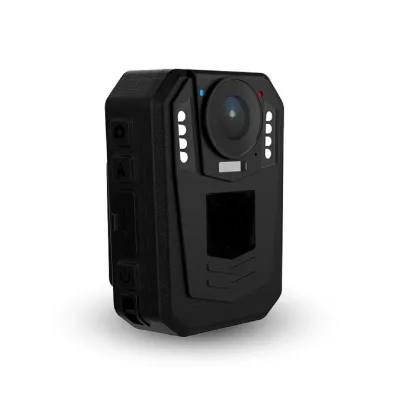
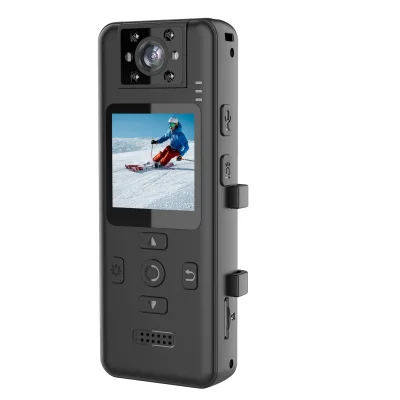
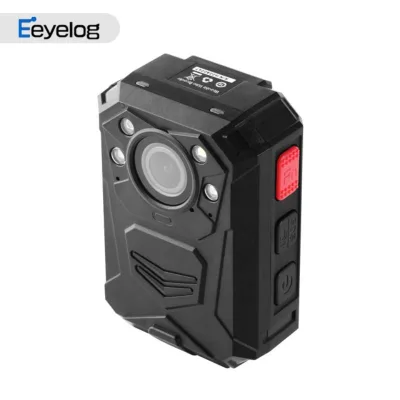
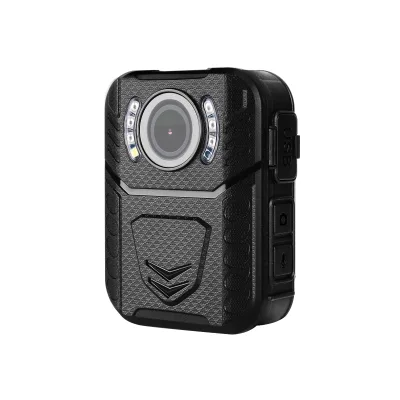
Comprehensive Sourcing Guide
Strategic Sourcing Guide for IP67 Body-Worn Cameras with Night Vision
The procurement of body-worn cameras designed for high-risk environments requires a rigorous approach to technical verification and supply chain due diligence. When sourcing devices described as IP67 body-worn cameras with night vision capabilities, buyers must navigate a landscape where specific product attributes vary significantly between models. The following guide synthesizes observed market data and technical requirements to assist procurement teams in identifying compliant, high-performance units without relying on unverified marketing claims.
Technical Specifications and Sensor Architecture
The core functionality of a body-worn camera relies heavily on its sensor architecture and optical capabilities. In the current market, observed units frequently utilize CMOS sensors, with specific models featuring sensor sizes of 1/4 inch or 1/3 inch. The choice between these sizes impacts low-light performance and overall image fidelity. For applications requiring high-definition recording, buyers should look for devices supporting HDMI formats up to 1080P and horizontal resolutions of 480 TVL or higher.
Optical performance is equally critical. Many observed units feature a manual focus lens with a wide viewing angle, specifically noted at 140 degrees. This wide-angle capability ensures comprehensive coverage of the wearer's field of view, which is essential for evidence collection. Furthermore, digital zoom capabilities vary, with some models offering up to 16X zoom while others provide up to 32X. Procurement teams must verify that the claimed zoom functionality does not degrade image quality to the point of unusability in critical moments.
Video recording formats are another key specification. Modern units often support MP4 containers with H.264 and H.265 compression standards, allowing for efficient storage and playback. A notable feature in several observed models is the ability to take snapshots during recording or while in standby mode. Additionally, pre-recording functionality, such as a 30-second buffer, ensures that events occurring just before the activation button is pressed are not lost. The video split time, which determines how long a single recording file lasts before splitting, typically ranges from 3 minutes to 45 minutes, allowing flexibility based on battery life and storage constraints.
Compliance, Certification, and Security Protocols
Ensuring that a body-worn camera meets international safety and regulatory standards is a non-negotiable step in the procurement process. Observed products in this category frequently carry CE and FCC certifications, indicating compliance with electromagnetic compatibility and safety standards in various markets. Some advanced models also include RoHS certification, ensuring that the device is manufactured without restricted hazardous substances.
Security is paramount when handling sensitive footage. Buyers must investigate the encryption standards employed by the device. While some standard firmware may not include AES 256 encryption, many suppliers offer customization options to enable this level of security. It is crucial to verify whether the specific unit being procured includes built-in encryption or if it requires a custom firmware update to meet organizational security policies.
Waterproofing is a primary requirement for the "IP67" designation. While observed data confirms IP66 ratings for several units, buyers seeking true IP67 compliance must request specific test reports or certification documents from the supplier. The IP66 rating observed in the market indicates protection against powerful water jets, which is robust but distinct from the temporary immersion protection offered by IP67. Procurement teams should clarify the exact rating required for their operational environment to avoid performance gaps.
Cost Drivers and Pricing Dynamics
The pricing of body-worn cameras is influenced by a complex matrix of hardware specifications, customization requirements, and order volume. The observed price range in the market spans from $34 to $250 USD. This wide variance reflects differences in sensor quality, battery capacity, and the inclusion of advanced features like GPS or wireless technology.
Minimum Order Quantity (MOQ) is a significant factor in the total cost of ownership. The market observes MOQs ranging from 1 unit for sampling to 3,000 units for bulk production. Buyers purchasing smaller quantities may face a higher unit cost, while those committing to larger volumes can negotiate more favorable pricing. Customization, such as branding, specific firmware configurations, or unique packaging, often incurs additional costs and may affect the MOQ threshold.
Battery capacity is another major cost driver. Units with built-in batteries ranging from 3000mAh to 4200mAh are common. Higher capacity batteries generally command a premium price but offer extended operational time, reducing the need for frequent charging or battery swaps in the field. The inclusion of GPS modules and wireless technology also adds to the unit cost, as these components require additional hardware and integration efforts.
Operational Applications and Use Cases
Body-worn cameras with night vision capabilities are deployed across a diverse range of sectors, each with unique operational requirements. Law enforcement agencies utilize these devices for evidence collection during patrols and investigations, where clear visibility in low-light conditions is essential. Security personnel in private facilities rely on them for monitoring access points and deterring criminal activity.
The medical and emergency response sectors also benefit from these devices. First responders can document patient interactions and incident scenes, ensuring accurate records for legal and medical purposes. The ability to take snapshots during recording or standby mode is particularly useful in these high-stress environments where video might be interrupted or where a quick still image is needed for immediate documentation.
Industrial safety teams use body-worn cameras to monitor hazardous work environments. The waterproof and weatherproof features, combined with robust construction, allow these devices to withstand harsh conditions. The wide-angle lens and high-definition recording ensure that safety protocols are followed and that incidents are captured in detail for post-event analysis.
Supplier Evaluation and Quality Assurance
Evaluating suppliers requires a focus on their ability to deliver consistent quality and adhere to specifications. Buyers should verify the supplier's origin, with many observed units originating from Shenzhen, China, a major hub for electronics manufacturing. The production standards and processes used by the supplier directly impact the reliability of the final product.
Quality control measures should be a central part of the supplier evaluation. Buyers must request documentation regarding the manufacturing process, including tests for waterproofing, battery life, and night vision performance. The observed weight of these devices typically ranges from 136g to 146g, which is a critical factor for comfort during extended wear. Deviations from these weights may indicate the use of different materials or components that could affect durability.
Storage capacity is another area requiring verification. While standard memory cards are often included, the maximum supported storage capacity can vary. Some models support up to 128GB of MicroSD Class 10 storage, which is essential for recording high-definition video for extended periods. Buyers should confirm that the device supports the specific storage capacity required for their operational needs.
Long-Term Procurement and Maintenance Considerations
Sourcing body-worn cameras is not a one-time transaction but a long-term partnership that requires ongoing maintenance and support. The charge time for these devices is typically around 4 hours, a factor that influences operational readiness. Buyers should ensure that the charging infrastructure in their facilities can accommodate the number of devices in circulation.
Customization is a key consideration for long-term procurement. Many suppliers offer options for custom firmware, branding, and packaging. This flexibility allows organizations to tailor the devices to their specific needs, such as integrating proprietary software or ensuring brand consistency. However, customization may extend lead times and require additional testing to ensure compatibility and reliability.
The lifespan of the device is also a critical factor. The battery capacity, sensor quality, and build materials determine how long the device will remain functional in the field. Buyers should plan for periodic replacement cycles and ensure that the supplier can provide replacement parts or refurbished units as needed. The ability to customize the firmware and storage settings ensures that the devices can be updated to meet evolving security and operational requirements.
Comparative Analysis of Key Models
To assist in decision-making, the following table compares key specifications observed in the market for two distinct model types. This comparison highlights the differences in battery capacity, sensor size, and feature sets that buyers should consider.
| Feature | Model Type A (e.g., X4K1) | Model Type B (e.g., X8A) |
|---|---|---|
| Sensor Size | 1/4 inch | 1/3 inch |
| Battery Capacity | Built-in 3000mAh | Built-in 4200mAh |
| Weight | 136g ± 5g | 146g ± 5g |
| Certifications | CE, FCC | CE, FCC, RoHS |
| Technology | Infrared | Wireless |
| Digital Zoom | Up to 16X | Up to 32X |
| GPS | Not Specified | Yes |
| Encryption | Customization Available | Customization Available |
| Dimensions | 77mm * 56mm * 30.1mm | 81.5 * 56.9 * 30.8mm |
| Video Split Time | 3/5/10/15/30/45 min | 3/5/15/30/45 min |
This comparison illustrates that while both models offer robust features, the choice between them depends on specific operational needs. Model Type B, with its larger sensor and higher battery capacity, may be better suited for extended operations requiring high-quality night vision and GPS tracking. Model Type A, with its lighter weight and compact size, might be preferable for scenarios where portability is the primary concern.
In conclusion, sourcing IP67 body-worn cameras with night vision requires a meticulous evaluation of technical specifications, compliance standards, and supplier capabilities. By focusing on verified data and avoiding unverified claims, procurement teams can ensure the acquisition of reliable, high-performance devices that meet the rigorous demands of modern operational environments.
FAQs
What certifications do these cameras have?
Observed units frequently carry CE and FCC certifications, with some advanced models including RoHS certification. Buyers must verify specific test reports for IP67 compliance, as many listed products only confirm an IP66 rating for water jet protection.
How does the battery capacity vary across models?
Battery capacity ranges from 3000mAh to 4200mAh depending on the specific model selected. Higher capacity batteries generally command a premium price but offer extended operational time, reducing the need for frequent charging during field operations.
Can the device support AES 256 encryption?
Standard firmware may not include AES 256 encryption, but customization options are available to enable this security level. Procurement teams must verify if the specific unit includes built-in encryption or requires a custom firmware update to meet organizational policies.
What is the minimum order quantity for bulk purchases?
The market observes MOQs ranging from 1 unit for sampling to 3,000 units for bulk production. Buyers purchasing smaller quantities may face a higher unit cost, while those committing to larger volumes can negotiate more favorable pricing tiers.
Which sensor sizes are available in this category?
Observed units frequently utilize CMOS sensors with specific sizes of 1/4 inch or 1/3 inch. The choice between these sizes impacts low-light performance and overall image fidelity, which is critical for evidence collection in low-light conditions.
How long does it take to charge the battery?
The charge time for these devices is typically around 4 hours. Buyers should ensure that the charging infrastructure in their facilities can accommodate the number of devices in circulation to maintain operational readiness.