Source IP67 Outdoor Hermaphroditic Fiber Connectors for FTTX, Telecom, and Industrial
Find and compare ip67 outdoor hermaphditic fiber connectors from 30 verified listings. Evaluate rugged field-deployable options with expanded beam or standard SC/LC interfaces, checking certifications like CE and RoHS alongside tensile strength and IP68 ratings for reliable network deployment.
Key considerations
Products List


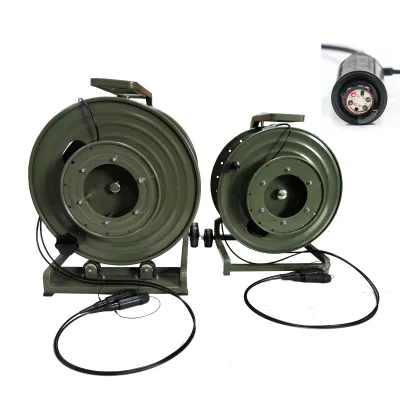


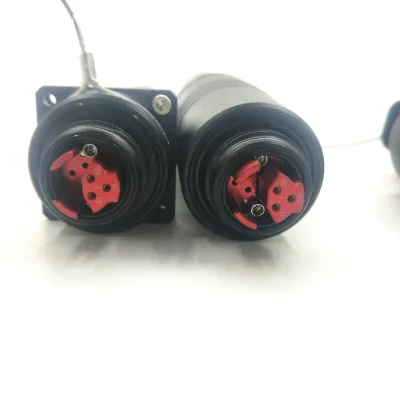


$0.11 - $0.15
MOQ: 1000 Pieces


LC Female to Sc Male Singlemode 9/125 Sm Optical Fiber Adapter Connector
$0.25 - $0.30
MOQ: 1000 Pieces


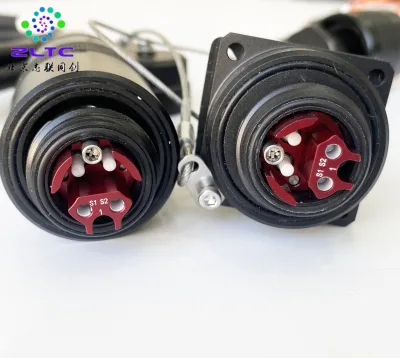
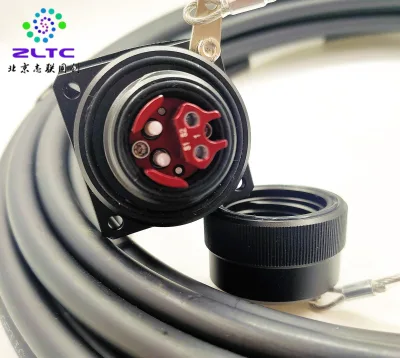
Comprehensive Sourcing Guide
IP67 Outdoor Hermaphroditic Fiber Connectors Sourcing Guide
Procuring IP67-rated outdoor hermaphroditic fiber optic connectors requires a rigorous evaluation of environmental sealing, mechanical durability, and optical performance. These components are critical for FTTX (Fiber to the x) deployments and rugged field applications where standard connectors fail due to moisture, dust, or physical stress. The sourcing process must balance the need for rapid deployment with the long-term reliability demanded by outdoor infrastructure. Buyers must navigate a market where specifications vary significantly between manufacturers, making precise verification of material composition and sealing mechanisms essential before committing to volume orders.
The term "hermaphroditic" in this context refers to connectors that can mate with identical units, simplifying inventory management and field installation by reducing the need for separate male and female parts. This design is particularly valuable in tactical or temporary network setups where speed and flexibility are paramount. However, the IP67 rating implies a specific level of ingress protection that must be validated through testing rather than assumed from marketing materials. Sourcing guides must emphasize the distinction between general outdoor-rated connectors and those specifically engineered to withstand the lateral pressure, tensile strength, and temperature fluctuations observed in real-world outdoor environments.
Product Scope and Observed Listing Signals
The current market landscape for these connectors reveals a diverse range of product attributes, with observed prices spanning from $0.11 to $600 USD. This wide variance indicates that buyers are not just purchasing a single standardized item but are selecting from various configurations based on fiber count, connector type, and material quality. The minimum order quantity (MOQ) ranges from 1 to 1000 units, suggesting that suppliers cater to both small-scale prototyping and large-scale infrastructure projects. Buyers should interpret this range as a signal to negotiate terms based on volume, while remaining cautious of extremely low prices that may compromise the integrity of the IP67 seal or the durability of the housing.
Observed listings highlight specific technical configurations, such as multi-mode fiber types and various connector interfaces including SC, LC, FC, and ST. Some products are described as "fast connectors" or "reinforced optical connectors," indicating a focus on ease of installation and robustness. The presence of keywords like "mini sc APC connector" and "expanded beam" suggests that advanced optical technologies are available, which may offer lower insertion loss and higher return loss compared to standard physical contact connectors. Buyers must carefully match these observed signals to their specific network requirements, ensuring that the connector type aligns with the existing fiber infrastructure and the desired performance metrics.
Technical Specifications to Verify
Verifying the material composition is the first critical step in ensuring the longevity of outdoor connectors. Listings indicate the use of materials such as PC+ABS, PC, and PEI+Glass Fiber for the housing, each offering different levels of impact resistance and thermal stability. The outer jacket is often specified as TPU (Thermoplastic Polyurethane), which provides excellent abrasion resistance and flexibility, crucial for cables that may be dragged or bent during installation. Buyers must confirm that the selected materials are UV-stabilized and capable of withstanding the specified temperature range, typically observed as -25°C to +85°C, without becoming brittle or deforming under extreme conditions.
Mechanical and optical performance metrics require precise validation to ensure field reliability. Key attributes to verify include the allowed lateral pressure, which should withstand forces exceeding 100 N/100mm, and the tensile strength, which must resist pulling forces up to 1000 N. The IP rating is a critical specification, with IP68 observed in some listings, offering superior dust and water immersion protection compared to the baseline IP67. Additionally, the fiber diameter and connector type, such as MPO/MTP or SC/APC, must be confirmed to match the fiber optic cable specifications. Buyers should also inquire about the specific expansion beam technology if used, as this affects the alignment precision and overall signal integrity of the connection.
Compliance and Safety Documentation
Compliance with international standards is non-negotiable for outdoor infrastructure components. Buyers must request documentation confirming adherence to IEC 60529 for ingress protection ratings, which defines the levels of protection provided by enclosures against the intrusion of foreign bodies and water. While some listings mention RoHS and CE certifications, these are primarily indicative of material safety and electrical compliance in specific markets. It is essential to verify that the certifications are current and issued by recognized testing bodies, as counterfeit or expired certificates are a risk in the global supply chain. The presence of ISO management certifications suggests a supplier’s commitment to quality management systems, which can be a proxy for consistent product quality.
Safety and environmental regulations also extend to the materials used in the connectors. Buyers should ensure that the plastics and metals used do not contain hazardous substances prohibited in their target markets. The "Rugged field deployable" nature of these connectors often implies compliance with military or industrial standards for shock and vibration resistance. While specific military standards may not be listed, buyers should ask for test reports that demonstrate the connector’s ability to withstand the mechanical stresses associated with tactical or outdoor deployment. This due diligence helps mitigate the risk of premature failure and ensures that the procurement aligns with broader corporate sustainability and safety goals.
Cost Drivers and Commercial Terms
The cost of IP67 Outdoor Hermaphroditic Fiber Connectors is influenced by several factors, including the complexity of the sealing mechanism, the quality of the optical components, and the volume of the order. Products with expanded beam technology or specialized materials like PEI+Glass Fiber typically command higher prices due to their superior performance and durability. The observed price range of $0.11 to $600 USD reflects this variability, with higher-end products offering better long-term value despite a higher initial investment. Buyers should consider the total cost of ownership, including installation time and maintenance, rather than focusing solely on the unit price.
Commercial terms such as lead time and packaging details also impact the overall procurement strategy. A lead time of 30 working days is observed for some customized orders, which requires careful planning to avoid project delays. Buyers should negotiate clear terms regarding production schedules and potential penalties for late delivery. Packaging is typically individual or carton-based, but for outdoor applications, moisture-resistant packaging is essential to prevent damage during transit. Additionally, warranty terms, such as the observed 1-year warranty, should be scrutinized to ensure they cover both material defects and performance failures, providing adequate protection for the buyer’s investment.
Supplier Qualification and Quality Control
Supplier qualification is a critical step in mitigating supply chain risks. Buyers should prioritize suppliers with a proven track record in manufacturing fiber optic components, particularly those with ISO certifications that demonstrate a structured approach to quality management. The origin of the products, often listed as China with specific hubs like Ningbo or Guangdong, should be verified for logistical efficiency and regulatory compliance. It is advisable to conduct on-site audits or request third-party factory reports to assess the supplier’s production capabilities, quality control processes, and capacity to meet volume demands.
Quality control measures must be explicitly defined in the purchase agreement. Buyers should request sample testing before placing bulk orders to verify the IP67 rating, mechanical strength, and optical performance. The ability to provide batch-specific test reports is a strong indicator of a supplier’s commitment to consistency. Additionally, suppliers should have a robust process for handling defects and returns, ensuring that any non-conforming products are promptly addressed. Establishing a clear communication channel for technical support and issue resolution is also vital, especially for complex deployments where field challenges may arise.
Long-Term Procurement Checks
Long-term procurement success depends on continuous monitoring of supplier performance and product reliability. Buyers should establish key performance indicators (KPIs) such as defect rates, delivery punctuality, and responsiveness to technical queries. Regular reviews of these metrics help identify potential issues early and allow for corrective actions before they impact project timelines. It is also important to stay updated on industry advancements, as new connector technologies and materials may offer improved performance or cost efficiencies. Engaging with suppliers for feedback on product usage can provide valuable insights for future procurement decisions.
Sustainability and regulatory changes also play a role in long-term strategy. Buyers should monitor evolving environmental regulations that may affect the materials used in connectors, such as restrictions on certain plastics or chemicals. Ensuring that suppliers are compliant with these changing standards helps avoid future disruptions. Furthermore, building a diversified supplier base can mitigate risks associated with single-source dependencies. By maintaining a proactive approach to supplier management and staying informed about market trends, buyers can secure a reliable supply of high-quality IP67 Outdoor Hermaphroditic Fiber Connectors for their ongoing projects.
FAQs
What certifications do these connectors have?
These connectors hold CE, RoHS, and ISO certifications. The product data confirms compliance with CE and ISO standards, alongside RoHS requirements for material safety in communication applications.
Can I order small quantities of these connectors?
Yes, small orders are accepted with a minimum order quantity of one unit. This flexibility allows buyers to test products without committing to large bulk purchases immediately.
Where are these connectors manufactured?
These connectors originate from China, specifically Ningbo and Guangdong regions. The manufacturing location is verified as China, ensuring supply chain transparency for international buyers.
What is the lead time for these products?
The standard lead time is 30 working days for production. This duration applies to orders requiring manufacturing, ensuring timely delivery for communication infrastructure projects.
Which connector types are available for these products?
Available types include SC, LC, FC, ST, MPO, and MTP connectors. The product specifications list multiple connector options to suit various fiber optic network configurations.
What is the operating temperature range?
The operating temperature range is from -25 to +85 degrees Celsius. This wide range ensures reliable performance in diverse outdoor environments and harsh conditions.
What material is used for the connector sheath?
The sheath material is PC, while the body uses PC+ABS or Pei+ Glass Fiber. These materials provide durability and protection for the internal fiber components.