Source IQF Whole Frozen Sea Bass for Restaurants, Retail, and Catering
Compare 13 listings for IQF Whole Frozen Sea Bass sourced from Fujian, China. Options include A-grade Basa and Lateolabrax japonicus with certifications like KOSHER, ISO, and HACCP. Specifications range from 300g to 1000g+ with bulk or carton packing for wholesale buyers.
Updated
Key considerations
Products List
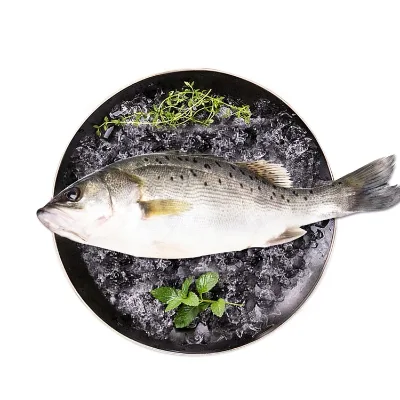
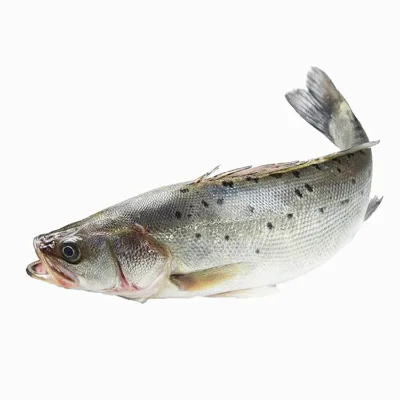
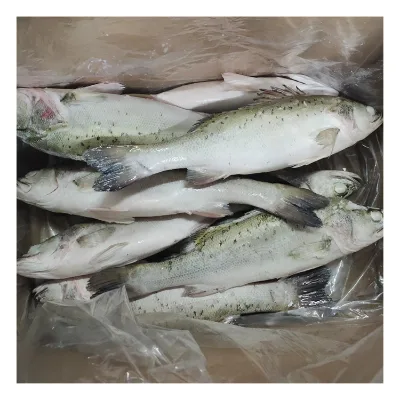
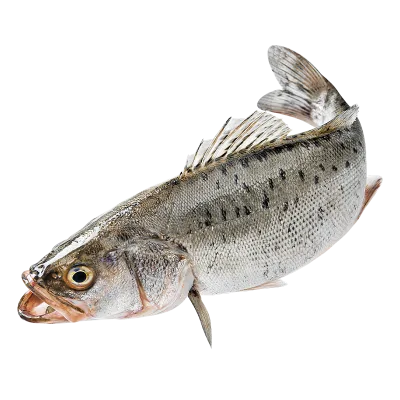
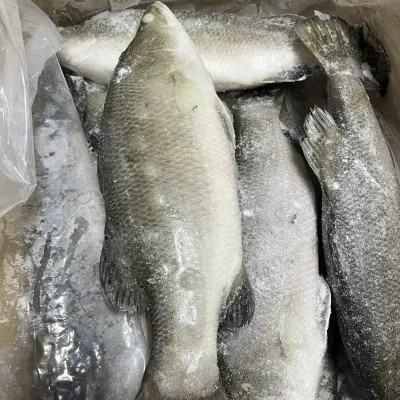
High Quality Hot Sale China Factory Without Glazing Frozen Sea Bass
$3000.00 - $4000.00
MOQ: 10 metric
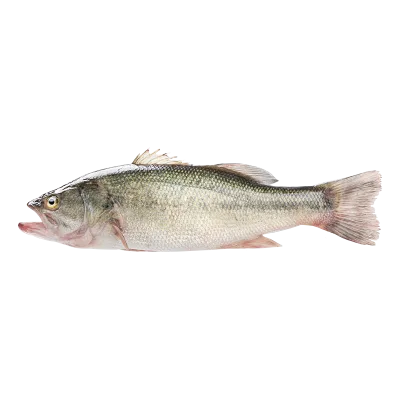
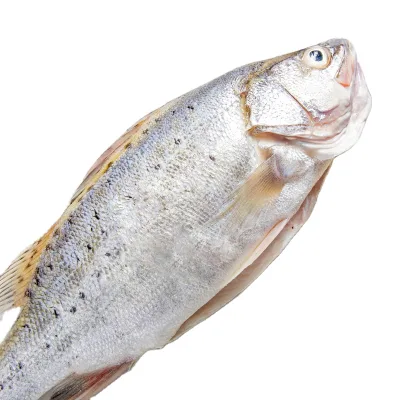
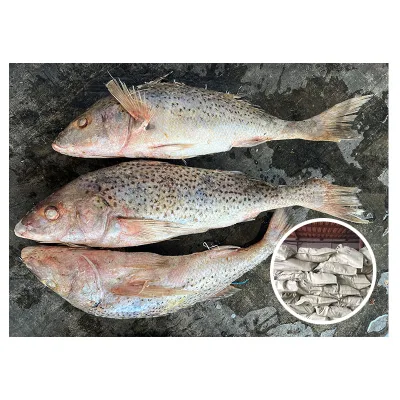
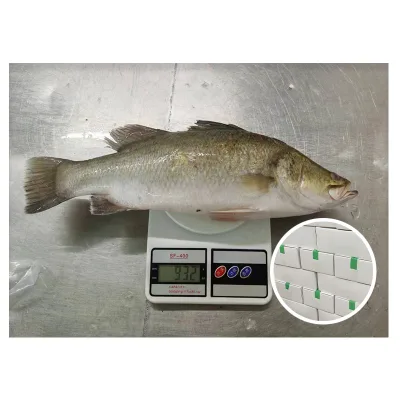
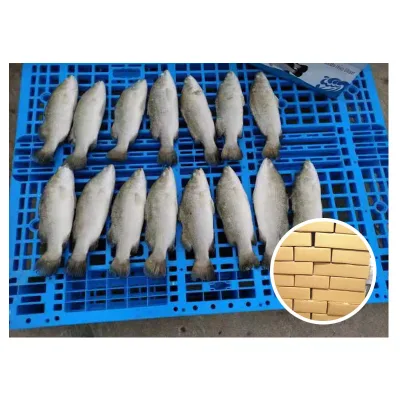
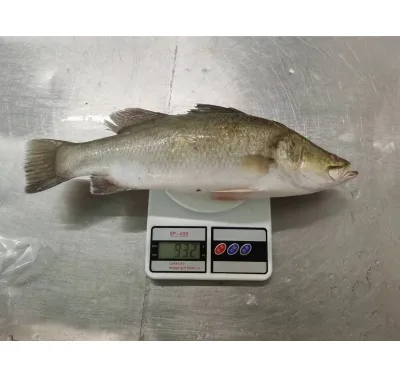
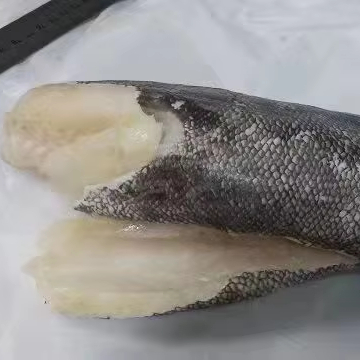
China Origin Frozen Sea Bass Dicentrarchus Labrax High Quality Whole Round Seabass Fish for Export
$924.0882 - $1458.0061
MOQ: 1 Minimum
Comprehensive Sourcing Guide
IQF Whole Frozen Sea Bass Sourcing Guide
Procuring IQF Whole Frozen Sea Bass requires a disciplined approach to verifying product integrity and supply chain reliability. Buyers must prioritize suppliers who demonstrate consistent adherence to freezing protocols that preserve cellular structure and minimize drip loss. The distinction between IQF and other freezing methods is critical for maintaining the premium quality expected in wholesale markets. Understanding these technical nuances ensures that the final product meets stringent culinary and retail standards without compromising texture or flavor profiles during thawing and preparation.
This guide outlines the essential verification steps for sourcing high-quality frozen sea bass from international markets, particularly focusing on suppliers based in Fujian, China. It addresses the key technical specifications, compliance requirements, and commercial terms that define a successful procurement strategy. By aligning purchasing decisions with verified product attributes and supplier capabilities, buyers can mitigate risks associated with inconsistent quality, regulatory non-compliance, and logistical delays. The following sections provide a structured framework for evaluating potential suppliers and establishing robust long-term procurement relationships.
Product Scope and Observed Listing Signals
The observed market listings indicate a diverse range of product specifications, with weights varying from 300g to over 1000g per piece. Buyers should note that while some listings specify whole pieces, others may refer to different cuts or preparations, necessitating careful verification of the "Part" attribute. The presence of brands like FOODSTAR and manufacturers such as HKBDF suggests a competitive landscape where brand reputation and manufacturing origin play significant roles in buyer selection. Understanding these variations helps in filtering suppliers based on specific volume and size requirements for different market segments.
Listing signals also reveal important packaging and storage details, such as bulk, box, or bag packaging options, with typical box weights around 10kg. The instruction to keep frozen at -18°C or lower is a consistent requirement across listings, highlighting the critical nature of cold chain maintenance. Additionally, features like "Organic," "Nature," and "Nutritious" are frequently cited, appealing to health-conscious consumers. However, buyers must verify these claims against actual product certifications and lab results, as marketing terms do not always equate to verified product attributes.
Technical Specifications to Verify
Verifying the freezing process is paramount, as listings mention both IQF and LQF methods, which have distinct impacts on product quality and handling. Buyers must confirm that the supplier uses true IQF technology to ensure individual quick freezing, which prevents clumping and allows for easy portion control. The Latin name Lateolabrax japonicus should be cross-referenced with the actual species supplied to avoid mislabeling issues. Additionally, the grade "A" designation requires clarification on the specific quality standards applied, such as defect tolerance and flesh firmness, to ensure it meets the buyer's internal quality benchmarks.
Packaging specifications, including single package sizes of 40x40x40 cm and gross weights of 2.000 kg, provide insights into logistical planning and storage efficiency. Buyers should verify the packaging material's durability and suitability for long-term frozen storage to prevent freezer burn or contamination. The mention of IWP (Isolated Wood Pallet) or bulk packing options offers flexibility, but the integrity of the packaging must be assured to maintain product safety during transit. Confirming these details helps in optimizing warehouse space and reducing handling costs.
Compliance and Safety Documentation
Certifications such as KOSHER, ISO, HACCP, and BRC are listed as key compliance markers, indicating a supplier's commitment to international safety standards. Buyers must request valid certificates and verify their authenticity with the issuing bodies to ensure ongoing compliance. These certifications are crucial for accessing regulated markets and building trust with downstream customers who prioritize food safety. The absence of any of these certifications may limit market access or require additional auditing efforts, increasing procurement costs and complexity.
Storage and handling instructions, specifically keeping the product at -18°C or lower, must be supported by documented cold chain protocols from the supplier. Buyers should inquire about temperature monitoring systems and emergency response plans to ensure product integrity during transit. The shelf life of 24 months is a significant factor in inventory management, but it is contingent upon consistent freezing temperatures. Verifying these operational details helps in assessing the supplier's ability to deliver safe and high-quality products consistently.
Cost Drivers and Commercial Terms
The observed price range of $1.2 to $4100 USD reflects significant variability based on product grade, packaging, and order volume. Buyers should analyze this range to understand the cost implications of different specifications and identify potential outliers. The MOQ of 1*40FCL or 25MT is a common threshold, influencing inventory planning and cash flow management. Understanding these commercial terms helps in negotiating favorable pricing and securing reliable supply commitments that align with the buyer's operational capacity.
Supply ability figures, such as 500 to 1000 metric tons per month, indicate the supplier's production capacity and scalability. Buyers should assess whether this capacity meets their demand projections and allows for flexibility during peak seasons. The port of dispatch, whether Xiamen or Fuzhou, impacts logistics costs and transit times, which should be factored into the total landed cost calculation. Clear communication regarding these terms ensures transparency and reduces the risk of unexpected expenses or delays in the supply chain.
Supplier Qualification and Quality Control
Supplier qualification involves verifying the manufacturer's background, including their location in Fujian, China, and their production capabilities. Buyers should conduct on-site audits or request third-party inspection reports to assess hygiene practices, equipment maintenance, and quality control procedures. The mention of specific features like "Low-Fat" and "Sugar-Free" requires verification through lab analysis to ensure accuracy. This due diligence helps in identifying suppliers who can consistently meet quality expectations and regulatory requirements.
Quality control processes should include regular testing for contaminants, microbial safety, and physical defects. Buyers should establish clear acceptance criteria and communication channels for addressing non-conformities. The use of standardized packaging and labeling, such as IVP/BULK 10KGS/BOX, facilitates traceability and efficient inventory management. By implementing robust quality control measures, buyers can minimize risks and ensure that the supplied sea bass meets their brand standards and customer expectations.
Long-Term Procurement Checks
Establishing long-term procurement relationships requires continuous monitoring of supplier performance and market dynamics. Buyers should track key performance indicators such as on-time delivery, product quality consistency, and responsiveness to issues. Regular reviews of certification status and compliance documentation are essential to maintain regulatory adherence. This proactive approach helps in identifying potential risks early and implementing corrective actions to sustain supply chain stability and product quality.
Market trends and consumer preferences evolve, requiring buyers to adapt their sourcing strategies accordingly. Staying informed about changes in freezing technologies, packaging innovations, and sustainability practices can provide a competitive advantage. Building strong relationships with suppliers based on mutual trust and transparency fosters collaboration and innovation. By focusing on long-term value creation, buyers can secure a reliable supply of high-quality IQF Whole Frozen Sea Bass that meets the demands of their customers and supports their business growth.
FAQs
What certifications does the frozen sea bass hold?
The product holds KOSHER, ISO, HACCP, and BRC certifications. These standards ensure safety and quality compliance for international trade. Buyers can verify these credentials when reviewing supplier documentation to confirm the product meets global regulatory requirements for frozen seafood exports.
How is the IQF frozen sea bass packaged?
Packaging options include bulk, box, or bag formats with specific details like IWP or bulk pack. Each box typically contains 10 kilograms of product. The single package size measures 40 by 40 by 40 centimeters, ensuring efficient storage and transport for wholesale buyers.
What is the minimum order quantity for this product?
The minimum order quantity is one 40-foot container or 25 metric tons. Some listings indicate a flexible MOQ of just one unit. Buyers should confirm specific container requirements with the supplier to ensure the order meets the logistical thresholds for shipping from Fujian, China.
Where is the place of origin for this sea bass?
The product originates from Fujian, China, with dispatch ports in Xiamen or Fuzhou. This location supports the supply of frozen seafood to international markets. Buyers can expect consistent availability from this region given the stated monthly capacity of 500 to 1000 metric tons.
What is the shelf life of the frozen sea bass?
The shelf life is 24 months when stored correctly. Products must be kept frozen at -18 degrees Celsius or lower to maintain quality. This long shelf life allows for extended distribution windows and inventory management for buyers importing frozen fish products.
Can I find sea bass in different weight specifications?
Yes, specifications range from 300 to 800 grams per piece. Some listings offer sizes from 500 to 600 grams or up to 1000 grams. This variety allows buyers to select the exact size needed for their specific market requirements or processing lines.
What is the freezing process used for this fish?
The product undergoes IQF or LQF freezing processes to preserve freshness. Individual Quick Freezing ensures each piece remains separate and high quality. This method is critical for maintaining the texture and nutritional value of the whole frozen sea bass during storage and transport.