HACCP Stewed Crab Sauce Suppliers and Manufacturers
Compare 11 verified suppliers offering HACCP Stewed Crab Sauce with details on location, lead times, and certifications. Review product attributes like shelf life and customization options before contacting vendors for quotes; review the available evidence before requesting comparable quotations from suitable candidates.
Suppliers List

Haiyuan (Fujian) Food Co., Ltd
- Verified by TUVRHEINLAND
- Combined
- China Fujian
- Lead time15 days
- Avg. response≤ 21h
Main productsBraised Abalone, Canned Abalone, Aquatic Products, Seafood, Sea Cucumber, Fish Maw
Main marketsOthers(foreignTradeCapacity.exportBusinessCapacityMarketOther),North America

Zhongshan Ally Import and Export Company Limited
- Verified by BV
- Trading Company
- China Guangdong
- Lead time30 days
- Avg. response≤ 7h
Main productsSoy Sauce, Oyster Sauce, Egg Noodle, Noodles, Sweet Chilli Sauce, Sesame Oil, Canned Food, Peanut Butter, Chicken Powder, Vinegar
Main marketsSouth America,Africa,Europe,Australia

DB Tomato (Xiamen) Industry Co., Ltd.
- Verified by SGS
- Manufacturer/Factory
- China Fujian
- Lead time23 days
- Avg. response≤ 2h
Main productsTomato Paste Products&Canned Food, Drum/ Canned /Sachet Tomato Paste, Plastic Bottle Tomato Ketchup, Canned Fish& Canned Fruits&Vegetables, Canned Sardine/Mackerel/Tuna, Canned Sweet Corn/Baby Corn/Corn Cream, Canned Mushroom Whole/Slice, Canned Peach/Pineapple/Fruits
Main marketsSouth America,Eastern Europe,Mid East,North America,Southeast Asia,Eastern Asia,Oceania,Western Europe,Africa

ZHONGSHAN DESLY FOODSTUFFS CO.,LTD
- Combined
- China Guangdong
- Lead time30 days
- Avg. response≤ 5h
Main productsSoy Sauce, Chili Sauce, Oyster Sauce, Vinegar, Sesame Oil, Sweet Chili Sauce, Sauces
Main marketsSouth America,Africa,Southeast Asia/ Mideast,Domestic,Europe,Australia,North America

Free Sample Chinese Natural Brewed 5 Lbs Premium HACCP Halal Oyster Sauce
$5.00 - $6.00
MOQ: 500 Boxes

Factory Direct Wholesale Price HACCP Halal Brc Certified Condiments 150 Ml Jade Bridge Fish Sauce
$1.00 - $1.50
MOQ: 300 Boxes

Factory Direct Wholesale Price HACCP Halal Brc Certified Condiments 200 Ml Jade Bridge Fish Sauce
$1.00 - $1.50
MOQ: 300 Boxes

Factory Direct Wholesale Price HACCP Halal Brc Certified Condiments 8 L Jade Bridge Fish Sauce
$8.00 - $10.00
MOQ: 300 Boxes

Factory Direct Wholesale Price HACCP Halal Brc Certified Condiments 625 Ml Jade Bridge Fish Sauce
$3.00 - $5.00
MOQ: 300 Boxes

Factory Direct Wholesale Price HACCP Halal Brc Certified Condiments 5 Gal Jade Bridge Fish Sauce
$6.00 - $8.00
MOQ: 300 Boxes

Zhongshan Kwangna Import & Export Co., Ltd.
- Verified by TUVRHEINLAND
- Trading Company,Manufacturer/Factory
- China Guangdong
- Lead time23 days
- Avg. response≤ 5h
Main productsSmiki Soy Sauce, Smiki Seasoning, Noodle, Detergent, Washing Powder, Mushroom, Can, Msg, Rice Stick, Dry Food
Main marketsSouth America,Eastern Europe,Mid East,North America,Southeast Asia,Eastern Asia,Oceania,Western Europe,Africa

China Factory Export 100 Kinds of Sauces with FDA, Brc, Halal, HACCP Certificates
$0.39 - $0.50
MOQ: 1200 Pieces


Mushroom Vegetarian Oyster Sauce/Chinese Oyster Sauce/Superior Oyster Sauce
$0.36 - $0.46
MOQ: 2400 Boxes


SHANDONG ZHENGTENG FOOD CO.,LTD
- Verified by SGS
- Combined
- China Shandong
- Lead time30 days
- Avg. response≤ 10h
Main productsChicken Products
Main marketsDomestic
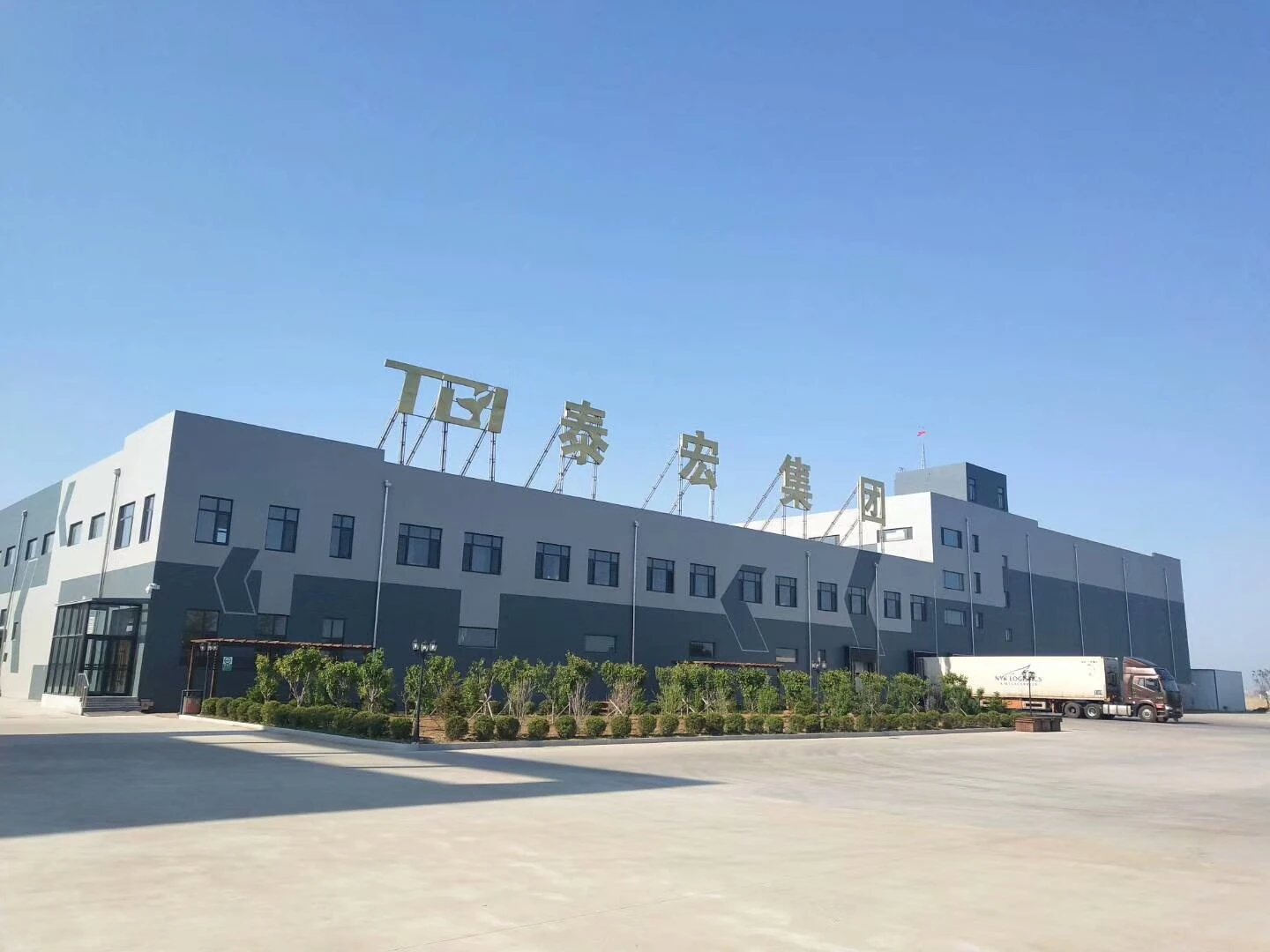
Dandong Taihong Foodstuff Co., Ltd.
- Manufacturer, Trading Company
- Liaoning, China
- Lead time0 days
- Avg. response≤ 24h
Main productsBaby clam,Hard clam,clam meat,shrimp tempura,tempura
Main marketsWestern Europe(33.33%), Eastern Asia(33.33%), North America(33.33%)

Xiamen Green Farm Imp. & Exp. Co., Ltd.
- Verified by SGS
- Trading Company
- China Fujian
- Lead time15 days
- Avg. response≤ 2h
Main productsCanned Food, Canned Champignon, Canned Green Peas, Canned Yellow Peach, Canned Mixed Vegetables, Canned Sweet Corn, Canned Bamboo Shoot, Canned Bean Sprout, Canned Mandarin Orange, Canned Lychee
Main marketsSouth America,Southeast Asia/ Mideast,Europe

- Verified by BV
- Combined
- China Shandong
- Lead time15 days
- Avg. response≤ 2h
Main productsKorean Food Sauce, Seasoning, Compound Seasoning, Fried Chicken Sauce, Korean Stir-Fry Sauce, Korean Budea Hot Pot Sauce, Korean Coating Powder, Korean Staple Food Sauce, Customized Western Style Sauce, Soup Seasoning Sauce
Main marketsDomestic

JINAN BRIGHT SUNSHINE IMP.& EXP. CO., LTD.
- Verified by TUVRHEINLAND
- Trading Company
- China Shandong
- Lead time15 days
- Avg. response≤ 17h
Main productsFresh Garlic, Fresh Ginger, Soy Asparagus, Fuzhu, Soy Sauce, Dehydrated Garlic Flake, Dehydrated Garlic Granules, Dehydrated Garlic Powder, Cinnamon, Chilli
Main marketsSouth America,Southeast Asia/ Mideast,Europe,North America

ZHUHAI KINGZEST FOOD CO., LTD.
- Verified by BV
- Combined
- China Guangdong
- Lead time15 days
- Avg. response≤ 19h
Main productsWasabi Paste, Wasabi Powder, Soy Sauce, Sushi Vinegar, Tempura Batter Mix, Chicken Marinade, Durian Paste, Tomato Sauce, Mayonnaise, Yellow Mustard
Main marketsEurope




Comprehensive Sourcing Guide
HACCP Stewed Crab Sauce Supplier Concentration and Factory Types
Buyers searching for HACCP-certified stewed crab sauce will encounter two broad supplier archetypes on B2B platforms: manufacturers and combined producers that process seafood in-house, and trading companies that consolidate sauces and condiments from multiple factories. Seafood processors in China's Fujian province, for example, list canned and stewed abalone, sea cucumber, fish maw and other aquatic products alongside ODM and OEM capacity, which signals they run their own retort or canning lines rather than merely reselling. Condiment-focused trading companies concentrated in Guangdong, by contrast, advertise soy sauce, oyster sauce, sweet chilli sauce, sesame oil and canned food portfolios, with private label explicitly acceptable and customization available.
When no cluster data is displayed for a specific listing, buyers should map concentration themselves. Filter searches by province, then read the main-products line: a supplier whose catalog centers on canned aquatic products is more likely to operate cooking and sterilization equipment suited to a stewed crab sauce than one whose catalog is exclusively dry seasonings. Company type labels matter too. A combined manufacturer-direct source typically gives you tighter control over formulation and retort schedules, while a trading company offers breadth across complementary condiments and may accept smaller mixed orders. Verify which model you are dealing with before comparing quotations, because the same sauce can carry very different margins, lead times and quality-control depth depending on who actually cooks it.
How to Verify HACCP Stewed Crab Sauce Suppliers
Verification should start with third-party platform inspection badges. Some seafood suppliers carry TÜV Rheinland verification, while condiment trading companies may show Bureau Veritas (BV) verification; both are independent audit marks, but they are not interchangeable with the HACCP certificate itself. Ask each supplier for a current HACCP certificate naming the exact product category, and request the scope and issuing body. Listings in this category also cite HACCP and ISO as product-level certifications, and some condiment listings reference FDA, BRC, Halal, Kosher and HACCP together — treat these as claims to be documented, not defaults. Ask for certificate copies, recent audit reports and, where relevant, halal or kosher certificates if your market requires them.
Go beyond paperwork with product and process evidence. Retorted canned seafood listings often publish concrete attributes — shelf life exceeding twelve months, normal storage method, can model, lid type and label options — and a supplier who documents these details is generally easier to audit than one with sparse listings. Request ingredient declarations, allergen statements and processing flow charts for the crab sauce specifically, since stewed products involve cooking, saucing and thermal processing steps that must each appear in the HACCP plan. Confirm whether the supplier supports customization and private label, which many listings state is available, and ask for a sample batch produced under the same controls you would receive at scale. Finally, check response behavior: response-time figures displayed on profiles, ranging from a few hours to around twenty hours in this category, indicate how reliably a supplier will communicate during a quality investigation.
What to Compare Across HACCP Stewed Crab Sauce Suppliers
Build a comparison sheet using the dimensions actually displayed on supplier profiles rather than assumptions. Location matters: a Fujian-based seafood processor sits close to crustacean and aquatic raw material channels, while a Guangdong condiment specialist sits in a sauce-manufacturing belt; freight distance to your port differs accordingly. Compare main products directly — one supplier type lists braised abalone, canned abalone, sea cucumber and fish maw, the other soy sauce, oyster sauce, noodles, peanut butter and vinegar — because portfolio focus predicts formulation competence with seafood sauces. Record supplier type (manufacturer, combined, or trading company) and verification badge, since these shape audit access and accountability.
Then compare operational metrics side by side. Lead times shown in this category range from about fifteen days for canned seafood products to roughly thirty days for brewed sauces, so a condiment route may add weeks to your replenishment cycle. Minimum order quantities also diverge sharply: canned abalone listings show MOQs in the low thousands of units or ten-thousand-unit range for certain models, while sauce listings display MOQs as low as two hundred cartons. Response time is a proxy for service quality; profiles showing answers within roughly six hours compare favorably against those nearer twenty. Where displayed, note establishment year for stability and escrow or trade-assurance availability for payment protection. Not every supplier publishes every attribute, so mark gaps as items to request in your RFQ rather than treating absence as a negative signal.
Common HACCP Stewed Crab Sauce Sourcing Risks
The most common risk is certificate mismatch: a supplier holds HACCP certification for canned abalone or soy sauce but has never certified a stewed crab sauce line. Because listings in this category reference certifications at product level — HACCP and ISO on seafood items, FDA, BRC, Halal, Kosher and HACCP on sauces — a buyer who reads the profile badge instead of the product certificate can import under an invalid scope. Related to this is formulation opacity: stewed crab sauce depends on crab content, sauce ratio and spice profile, and suppliers offering ODM and OEM capacity may substitute species or adjust meat content without notice unless the specification is contractually fixed.
Shelf life and retort integrity form a second cluster of risks. Canned seafood listings advertise shelf lives beyond twelve months under normal storage, but seam defects, under-processing or post-process contamination are not visible in a listing photograph, so retort validation records and batch testing become essential. Trade-compliance risks include non-GMO, additive and gluten claims — some sauce listings state no additives, no chemicals and gluten-free per requirement — which must be substantiated by test reports if you print them on your label. Finally, watch for MOQ and lead-time drift: quoted MOQs as low as a few hundred cartons for sauces can rise once private label tooling, specific bottle formats or mixed-SKU cartons are requested. Lock specifications, certificate scope and lead times in writing before paying any deposit.
HACCP Stewed Crab Sauce Regional Sourcing and Logistics
China's Fujian and Guangdong provinces are the high-confidence sourcing regions visible in this category, and they serve different purposes. Fujian suppliers specialize in canned and stewed aquatic products — braised abalone, sea cucumber, fish maw — with OEM and ODM capability, making them the natural candidates when your stewed crab sauce is a retorted, shelf-stable canned product packed in cans or cartons. Guangdong suppliers anchor the condiment chain: brewed sauces naturally processed under sunshine for extended periods, oyster sauce, dark soy sauce and seafood-flavored cooking sauces in glass or PET bottles, sometimes packed twelve bottles per carton. If your product concept blends crab meat with a brewed sauce base, a two-supplier arrangement across both provinces is realistic.
Logistics planning should follow the packaging format. Retorted canned products list lead times around fifteen days, while brewed sauces can run nearer thirty days, so build production windows into your import calendar accordingly. Confirm inland freight from factory to the nearest Chinese port, container utilization for your carton dimensions, and whether the supplier ships by sea as the standard method — some condiment listings specify sea freight explicitly. For chilled or frozen crab input versus shelf-stable finished goods, clarify cold-chain responsibilities before contracting. Also verify export documentation capability: health certificates, certificates of free sale and halal or kosher documents where applicable, since Southeast Asia and North America are named export destinations in this category and each market applies distinct labeling and additive rules at the border.
HACCP Stewed Crab Sauce Commercial Terms and Order Planning
Structure commercial terms around the figures suppliers actually publish, then negotiate the gaps. In this category, displayed pricing spans from roughly USD 2.60 per unit for a 160-gram stewed abalone can at a 2,400-unit MOQ, to USD 3.50 for a 180-gram model at a 10,000-unit MOQ, up to USD 6.80–7.60 for 710-gram bottled cooking sauce at a 200-carton MOQ. These are reference points for crab sauce analogues, not quotations — can size, crab content, sauce ratio and label work all move price. Ask each supplier to quote per-unit FOB with packaging specified, including lid type, label customization (commonly stated as dependent on the customer) and carton packing details.
Order planning should reconcile MOQ with your inventory model. Canned retorted products with shelf lives beyond twelve months tolerate larger initial orders, while a 200-carton sauce MOQ permits low-risk market testing, especially where private label is acceptable and customization is available. Sequence your first order as: specification sign-off, sample approval under HACCP controls, small pilot run, then scale. Match payment protection to supplier type — escrow or platform trade services where offered, with milestones tied to pre-shipment inspection and certificate delivery. Confirm lead time in the contract, using the fifteen-to-thirty-day observed range as a benchmark for realism, and pad for peak-season congestion. Finally, plan reorder cadence around response time; suppliers answering within hours handle urgent replenishment conversations far better than those averaging a full day.
(Word count: approximately 1,400)
FAQs
What does HACCP certification mean for stewed crab sauce buyers?
HACCP certification shows a supplier controls critical food safety points during cooking, filling and packing. For stewed crab sauce, ask for a current certificate and check which facility it covers, not just the brand. Many factories also hold ISO, Halal, FDA or BRC documentation, so request copies during supplier qualification and verify validity dates before placing an order.
Can stewed crab sauce be produced under private label?
Yes, customization is commonly available among Chinese sauce and seafood producers. Suppliers in the listed results explicitly accept private labels, and some offer OEM and ODM support covering recipe, bottle format and artwork. Confirm minimum quantities for custom packaging, provide your label design early, and agree on samples before mass production to avoid rework and delays.
What lead times should I expect when ordering from China?
Listed suppliers report lead times of roughly 15 days for canned seafood products and about 30 days for sauces. Actual timing depends on order size, custom label work and factory season. Add extra days for samples, booking freight and export documentation, and confirm the confirmed production window in writing before you pay a deposit.
What are typical minimum order quantities for crab-flavored sauces?
MOQs vary widely by product type and packaging. In the observed results, canned seafood items start from 2,400 to 10,000 units, while a bottled cooking sauce was quoted at 200 cartons of 12 bottles each. Always confirm whether MOQ is counted per SKU or per shipment, since mixed-SKU loading can change the minimum you must commit to.
How much does HACCP-certified seafood sauce cost per unit?
Published reference prices from the listed results range from about $2.60 for a 160g canned abalone product to $6.80-7.60 per bottled cooking sauce. Stewed crab sauce pricing will differ by recipe, crab content, packaging and certification scope. Request itemized quotations including carton packing, freight terms and certification costs so you can compare offers on a like-for-like basis.
Which packaging formats suit exported stewed crab sauce?
Observed options include cans with flat lids packed in cartons, glass bottles, PET bottles and plastic drums, with retail specifications such as 710g by 12 bottles or 150ml by 24 bottles. Shelf life claims exceed 12 months under normal storage. Check that your chosen format matches your market's labeling laws, and confirm carton dimensions and pallet configuration for container loading.
Are Halal or Kosher options available for seafood sauces?
Yes, several products in the observed results list Halal, and some also mention Kosher alongside FDA, BRC and HACCP certification. Halal status depends on ingredients such as flavorings and the certification body auditing the plant. Ask each supplier for the exact certificate type, the issuing body and the current scope, then verify the certificate number with the issuer before shipping.
Which regions in China produce stewed crab sauce and seafood condiments?
The suppliers in these results operate in Fujian and Guangdong provinces. Fujian producers focus on canned abalone, sea cucumber and other aquatic products, while Guangdong trading companies supply soy sauce, oyster sauce and related condiments. Coastal provinces generally offer strong raw-material access and export experience, but verify each factory's actual location and production license independently before contracting.