Source Iron Filings Magnetic Roller Separator for Mining
Find 30 Iron Filings Magnetic Roller Separator options for industrial, agricultural, and home use. Compare high-intensity models with 800-20000GS magnetic force, steel structures, and CE/ISO certifications to separate magnetic and non-magnetic ores efficiently; compare the available evidence and request quotations based on your requirements.
Key considerations
Products List

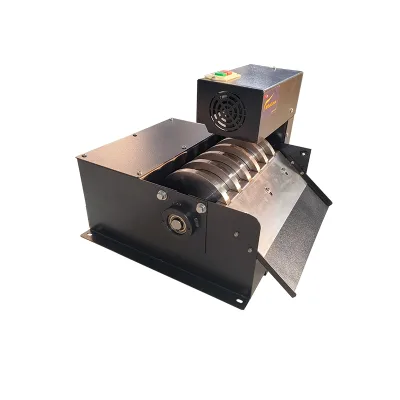
25L Grinding Machine Magnetic Roller Type Iron Filings Magnetic Separator
$149.00 - $209.00
MOQ: 1 Pieces


Customized Grinding Machine Magnetic Roller Type Iron Filings Magnetic Separator
$149.00 - $209.00
MOQ: 1 Pieces


$1500.00 - $9000.00
MOQ: 1 Sets




Comprehensive Sourcing Guide
Iron Filings Magnetic Roller Separator Sourcing Guide
Procurement of iron filings magnetic roller separators requires careful alignment between industrial needs and observed market capabilities. The available inventory spans diverse applications including industrial processing, agricultural operations, and home-based sorting tasks, indicating a versatile product line. Buyers must recognize that while the core function remains consistent, the specific configuration for separating magnetic ore from non-magnetic material varies significantly across different models.
Sourcing decisions should prioritize the specific magnetic intensity required for the target material, as observed listings range from 800 to 20,000 gauss. This wide spectrum suggests that a single unit may not suffice for all operational scenarios, necessitating a detailed review of the magnetic force specifications before finalizing an order. Understanding these variations ensures the selected equipment effectively handles the intended separation tasks without unnecessary energy consumption or mechanical failure.
Product Scope and Observed Listing Signals
The market presents a variety of product names and configurations, including the Magnetic Roller Separator, Pure Water Machine, and Oil Separator for Grinding Machines. These diverse listings indicate that suppliers often bundle related functionalities or use alternative naming conventions to describe similar core technologies. Buyers must scrutinize the actual product model and structure, such as the steel structure design, to confirm the unit matches the specific mechanical requirements of their facility rather than relying solely on the product title.
Observed listing signals reveal a strong emphasis on customization, with options for customized colors, structures, and standards available to meet specific client needs. However, some entries also list non-customized options, creating a potential point of confusion for buyers seeking standard off-the-shelf solutions. It is critical to verify whether the "Customized" attribute refers to the manufacturing process or the final delivery specifications to ensure the equipment integrates seamlessly with existing production lines.
Technical Specifications to Verify
Technical verification must begin with the feeding size and magnetic intensity, as observed data specifies a feeding size of 0-6mm and magnetic intensity ranging from 800 to 20,000 gauss. These parameters are fundamental to the separator's efficiency, and selecting a unit with insufficient intensity or an incompatible feeding size can lead to poor separation results and increased operational downtime. Buyers should explicitly request test data or performance curves that validate these specifications against their specific ore types.
The physical construction and power requirements are equally critical, with carbon steel materials and 380V voltage being common attributes in the observed listings. The weight of the units varies significantly, with some models weighing less than one ton while others reach two tons, directly impacting installation logistics and foundation requirements. Additionally, the motor specifications, often noted as Chinese famous brands, should be cross-referenced with local power standards to ensure compatibility and reliable long-term operation.
Compliance and Safety Documentation
Compliance verification is essential, as observed listings frequently cite CE and ISO9001 certifications alongside specific condition statuses like "New." These certifications provide a baseline assurance of manufacturing quality and safety standards, but buyers must confirm that the specific unit being purchased holds valid, current certification documents rather than relying on general supplier claims. The presence of these standards is a strong indicator of a supplier's commitment to international quality management systems.
Safety documentation should also address the operational environment, particularly regarding the high magnetic force and the potential for oil resistance in specific models. The material features, such as oil resistance, are crucial for applications involving grinding machines where lubricants are present, preventing degradation of the separator's components. Buyers must ensure that the safety data sheets and operational manuals provided by the supplier explicitly cover these material properties and the specific hazards associated with high-intensity magnetic fields.
Cost Drivers and Commercial Terms
Cost drivers in this sector are heavily influenced by the magnetic intensity, material quality, and the extent of customization required for the specific application. Higher magnetic intensities, such as the 15,000 or 13,000 gauss models, typically command higher prices due to the specialized magnets and engineering involved. Buyers should analyze the price range of 45 to 100,000 USD observed in the market to understand how these technical variables translate into commercial value and budget allocation.
Commercial terms regarding delivery and warranty are equally important, with observed lead times of approximately 20 days and warranty periods ranging from one to two years. The variation in warranty length suggests that buyers should negotiate terms based on the specific model's complexity and the supplier's confidence in its durability. Furthermore, the availability of spare parts and long-term supply services should be factored into the total cost of ownership, ensuring that maintenance costs remain predictable over the equipment's lifespan.
Supplier Qualification and Quality Control
Supplier qualification should focus on their ability to provide engineer-guided installation and life-long after-sales service, as these are key attributes observed in the listings. A supplier's commitment to long-term support is a strong indicator of their reliability and the quality of their product design, reducing the risk of operational disruptions. Buyers should verify the supplier's track record in providing spare parts at reasonable prices to ensure that future maintenance needs can be met efficiently.
Quality control processes must be validated through the supplier's adherence to production standards, which can differ significantly between models. While some units are built to a 15,000 gauss standard, others may have different specifications, requiring a clear definition of the quality benchmarks for each specific order. Buyers should request evidence of the production process, including material testing for carbon steel and oil resistance, to ensure the final product meets the rigorous demands of industrial and agricultural applications.
Long-Term Procurement Checks
Long-term procurement checks should prioritize the supplier's capacity to maintain consistent product quality and availability over time. The observation of "Life-Long Service" and "Long Term with Good Price" for spare parts suggests a commitment to extended product lifecycles, but buyers must establish clear service level agreements to enforce these promises. Regular audits of the supplier's production capabilities and inventory levels can help mitigate the risk of supply chain disruptions.
Finally, buyers should monitor the evolution of product standards and certifications to ensure continued compliance with changing regulations. The market shows a trend toward high-intensity separators and customized solutions, indicating that technology is advancing rapidly. Procurement strategies should include periodic reviews of the installed equipment's performance against new industry standards to ensure that the magnetic roller separators remain efficient and compliant throughout their operational life.
FAQs
What is the magnetic intensity range for these separators?
The magnetic intensity ranges from 800 to 20000 gauss depending on the specific model selected. High intensity options reach up to 15000 or 13000 gauss for separating magnetic ores effectively.
Can I customize the color and structure of the machine?
Yes, customization is available for both the color and the steel structure of the unit. You can request specific colors and structural adjustments to fit your industrial or agricultural facility requirements.
What certifications do these magnetic roller separators hold?
These units typically hold CE and ISO9001 certifications to ensure safety and quality standards. Some models also specify condition as new with verified compliance for international industrial applications.
How long is the warranty period for the equipment?
The warranty period varies between one year and two years depending on the specific product model purchased. Buyers should verify the exact warranty terms associated with their selected separator configuration.
What is the delivery lead time for these machines?
The standard delivery detail is approximately twenty days from the order confirmation date. This timeline applies to the manufacturing and preparation of the magnetic separator for shipment from China.
Which materials are used to construct the separator body?
The separator body is constructed using carbon steel with oil-resistant material features. This ensures durability and resistance to wear during the separation of magnetic and non-magnetic ores in various environments.
What is the feeding size capacity for the separator?
The feeding size capacity is designed to handle materials ranging from zero to six millimeters. This specification ensures efficient processing of iron filings and other ores within the specified size limits.