Source Iridium Spark Plug for Truck, Car, and Engine
Find 30 listings for Iridium Spark Plug for Truck and other automotive applications. Buyers can compare specifications like thread size, material, and model numbers from verified suppliers offering OEM services and customized packaging options; compare the available evidence and request quotations based on your requirements.
Key considerations
Products List


Superior Quality Truck Part K16tr11 Nickel Iridium Bujias Spark Plug for Denso
$0.65 - $0.75
MOQ: 1000 Pieces


Iridium Spark Plug 90919-01247 Auto Parts Double Iridium Factory Supply
$0.75 - $0.80
MOQ: 1000 Pieces

Iridium Spark Plugs Wholesale Quality Ensured Spark Plug OEM Dcpr7eix 3144
$0.96 - $1.03
MOQ: 2000 pieces


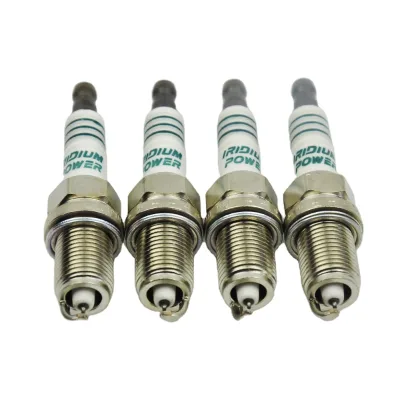


Factory Price Truck Accessory 90919-01233 90919-01235 Nickel Iridium Spark Plug
$0.46 - $1.21
MOQ: 5 Pieces


Original Quality Double Iridium Spark Plug 12122158253 12122158252 Auto Parts
$0.88 - $1.76
MOQ: 5 Pieces


Comprehensive Sourcing Guide
Iridium Spark Plug for Truck Sourcing Guide
Procuring iridium spark plugs for heavy-duty truck applications requires distinguishing between generic automotive components and units engineered for high-torque diesel or gasoline truck engines. The observed product data indicates a specific focus on auto engine systems, with materials ranging from nickel-iridium to double iridium, suggesting a market segment that prioritizes longevity and consistent ignition under high load. Buyers must verify that the listed "Standard Size" and "14 mm" thread specifications align precisely with their vehicle's cylinder head requirements, as truck engines often utilize unique thread pitches and reach lengths that differ from passenger car standards.
Commercial listings frequently display a wide range of minimum order quantities, from single items to 5000 pieces, which complicates initial procurement planning for fleet managers. The presence of OEM services and customization options implies that suppliers are prepared to adapt packaging and branding, yet the core technical attributes like the "4603" or "PZFR6R" model numbers must be cross-referenced against original equipment manufacturer catalogs. Sourcing decisions should prioritize suppliers who explicitly confirm their ability to meet the specific caloric value and heat range requirements necessary for sustained truck operation, rather than relying on generic "High Performance" claims found in broad product descriptions.
Product Scope and Observed Listing Signals
The available inventory signals a diverse range of specific model numbers, including "90919-01247 FK20HR11" and "7092 BKR6EGP," which serve as critical identifiers for matching parts to specific truck engine families. These alphanumeric codes often correspond to established industry standards, and their presence in listings suggests that the supply chain includes both direct replacements for legacy systems and newer iridium-based upgrades. Buyers should treat these model numbers as primary verification points, ensuring that the "Double Iridium" or "Iridium" material designation matches the specific performance tier required for their fleet's operational profile.
Listing attributes such as "Neutral Packing" and "Customized" packaging indicate a flexible supply chain capable of supporting both private label distribution and direct fleet replacement needs. However, the variation in observed prices, ranging from $0.09 to $11.80, necessitates a careful review of unit specifications to avoid confusion between single-item retail listings and bulk industrial orders. The "Single Gross Weight" of 0.050kg and package dimensions like "10X8X3cm" provide logistical data that helps in calculating shipping costs, but buyers must confirm whether these metrics apply to the specific bulk packaging required for truck maintenance cycles.
Technical Specifications to Verify
Thread size and physical dimensions are the most immediate technical barriers to successful integration, with the observed "14 mm" thread size representing a common but not universal standard for truck applications. Buyers must rigorously verify the thread pitch, reach length, and hex size against the vehicle's service manual, as the "Standard Size" designation in listings may refer to a generic category rather than a precise fit for heavy-duty engines. The "Caloric Value" of 6 observed in some listings is a critical thermal characteristic that determines the spark plug's ability to self-clean and prevent fouling under the high combustion pressures typical of truck diesel engines.
Material composition is another vital specification, with listings citing both "Nickel Iridium" and "Double Iridium" as available options. The distinction between these materials impacts the electrode's resistance to erosion and the overall service life of the component, which is paramount for minimizing downtime in commercial trucking operations. Procurement teams should request detailed technical datasheets that confirm the electrode geometry and center electrode diameter, ensuring that the "High Performance" claim is backed by measurable specifications that meet the thermal and mechanical demands of the specific truck engine model.
Compliance and Safety Documentation
While the provided data mentions "TSCE" as a certification attribute, buyers must treat this as a specific observation rather than a universal guarantee for all listed products. In the context of truck components, compliance often involves adherence to international safety standards regarding electrical insulation and thermal stability, which are essential for preventing engine damage or fire hazards. Sourcing guides should emphasize the need for suppliers to provide valid test reports or certification documents that specifically validate the spark plug's performance under the high-voltage and high-temperature conditions found in heavy-duty truck engines.
Documentation regarding the "Condition: New" status and "Reference No" numbers like "Sk20r11" or "Spp1011" serves as a traceability mechanism for quality assurance and warranty claims. Buyers should require that all shipments include a certificate of conformity that links the physical product to the specific reference numbers and model codes provided in the order. This documentation is crucial for maintaining fleet maintenance records and ensuring that any replacement parts can be traced back to a verified manufacturing batch, thereby mitigating the risk of installing substandard components that could lead to catastrophic engine failure.
Cost Drivers and Commercial Terms
The observed minimum order quantity (MOQ) ranges from 1 to 5000 pieces, creating a significant variance in unit economics that directly impacts the total cost of ownership for fleet operators. Lower MOQs may offer flexibility for small repair shops, but they often come with higher per-unit costs, whereas bulk orders of 2000 or 5000 pieces typically unlock more favorable pricing tiers. Buyers must analyze the total landed cost, including shipping and handling, to determine the most economical procurement strategy, as the "Supply Ability" of 100,000 pieces per day suggests that volume discounts are likely available for large-scale fleet replenishment.
Lead times and payment terms are additional commercial factors that influence procurement planning, with a standard "Lead Time" of 30 days observed in the data. This timeframe must be factored into inventory management strategies to prevent stockouts during critical maintenance windows, especially for older truck models where parts may be less readily available. Negotiating favorable terms regarding "OEM/ODM" acceptance and "Customized" packaging can further optimize costs, allowing buyers to align logistics with their specific distribution channels while ensuring that the "Client Required" color and branding specifications are met without incurring unnecessary premiums.
Supplier Qualification and Quality Control
Supplier qualification should extend beyond the basic "OEM Service" and "Accept" labels found in listings to include a rigorous assessment of their manufacturing capabilities and quality control protocols. Buyers must verify that the supplier has a proven track record of producing "High Performance" components that consistently meet the "Standard Size" and material specifications required for truck applications. The presence of "Customized" options indicates a level of flexibility, but it is essential to confirm that the customization process does not compromise the integrity of the iridium electrode or the thread precision.
Quality control measures should include regular sampling and testing of the "Single Item" units to ensure they match the "Reference No" and model specifications provided. Buyers should request evidence of in-process quality checks, such as dimensional inspections and electrical resistance testing, to validate that the "New" condition of the products is maintained throughout the manufacturing and packaging process. Establishing a clear communication channel for reporting defects and requesting replacements is also critical, ensuring that any discrepancies in the "Product Name" or "Application" details are addressed promptly to maintain fleet reliability.
Long-Term Procurement Checks
Establishing a long-term procurement relationship requires regular audits of supplier performance against the agreed-upon specifications for "Iridium" material and "Standard Size" dimensions. Buyers should implement a system for tracking the performance of installed spark plugs in their truck fleet, correlating field data with the "Caloric Value" and "Reference No" numbers to identify any trends in premature wear or failure. This data-driven approach allows for continuous improvement in the selection process, ensuring that future orders are placed with suppliers who consistently deliver components that meet the rigorous demands of heavy-duty truck engines.
Periodic re-evaluation of the supply chain is necessary to adapt to changes in technology and market conditions, such as the introduction of new "prod_model" numbers or updated "Standard Size" requirements. Buyers should maintain a dynamic list of approved suppliers who have demonstrated the ability to meet the "30 Days" lead time and "100000 Piece/Pieces Per Day" supply capacity without compromising quality. By fostering a collaborative relationship with suppliers, procurement teams can ensure a steady supply of high-quality iridium spark plugs that support the operational efficiency and longevity of their truck fleet.
FAQs
What material is used for the spark plug?
The spark plug uses nickel iridium or pure iridium material for high performance. This composition ensures durability and efficient engine operation. The product is designed specifically for auto engine systems and meets standard size requirements for various vehicle applications.
Can I request custom packaging for this product?
Yes, customization is available for packaging and color requirements. Buyers can specify neutral packing or customized options to match their needs. The product origin is Zhejiang, China, and the supplier accepts OEM services for tailored solutions.
What is the minimum order quantity for this item?
The minimum order quantity varies between 1000 and 2000 pieces depending on the specific model. Some listings indicate an MOQ of 2000 PCS while others start at 1000 PCS. Buyers should verify the exact requirement for their selected product model before placing an order.
How long does it take to receive the order?
The standard lead time for this product is 30 days. This duration applies to the production and preparation of the order before shipment. Buyers should plan their procurement schedule accordingly to ensure timely delivery for their automotive needs.
Which certifications does the product hold?
The product holds TSCE certification as a verified attribute. This certification confirms compliance with specific quality and safety standards required for automotive components. Buyers can rely on this certification when sourcing parts for engine systems in various vehicle types.
What is the thread size specification?
The thread size specification is 14 mm for this spark plug. This dimension aligns with standard size requirements for many automotive applications. The product is designed to fit engine systems that utilize this specific thread measurement for optimal performance.
Can the supplier provide OEM services?
Yes, the supplier accepts OEM and ODM services for this product. Buyers can request custom branding or specific modifications to meet their requirements. The product origin is in Zhejiang, China, and the supplier offers flexible customization options for various clients.