Source Islamic Prayer Agate Beaded Necklace for Gifts, Decor, and Religious Use
Compare 30 listings of Islamic Prayer Agate Beaded Necklace options featuring materials like natural agate and glass imitation pearls. Buyers can evaluate customization, plating, and packaging details for gifts, decoration, and religious occasions.
Key considerations
Products List


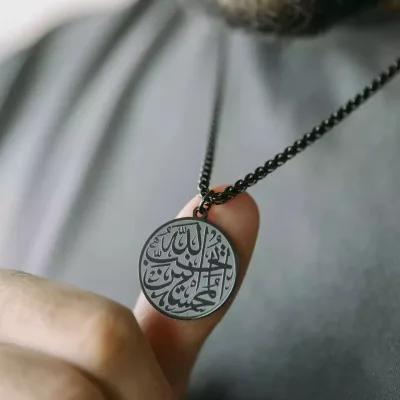
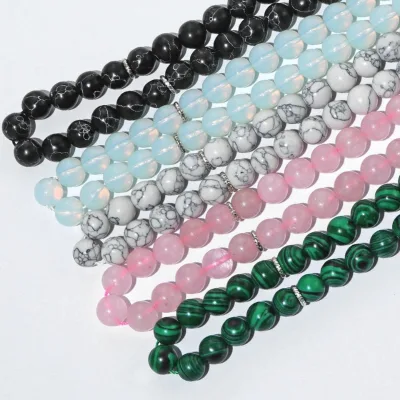
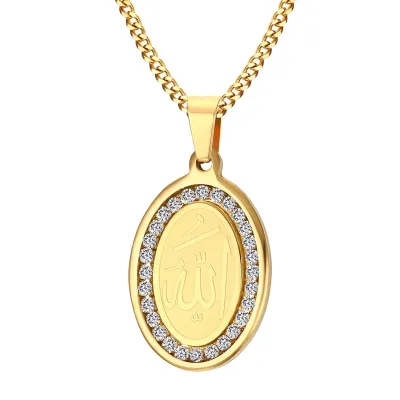
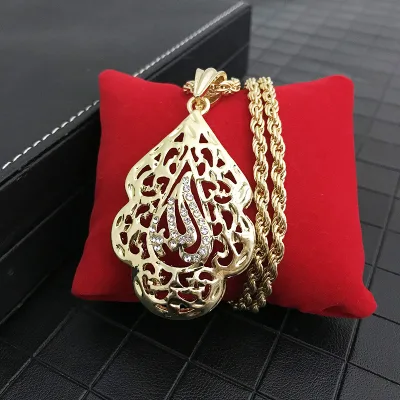


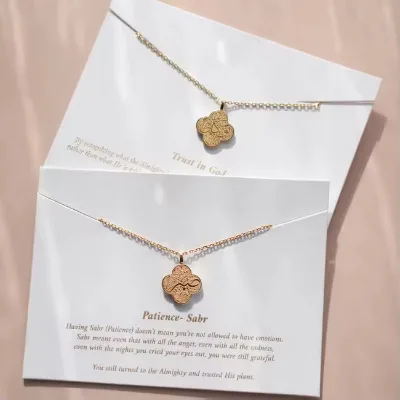
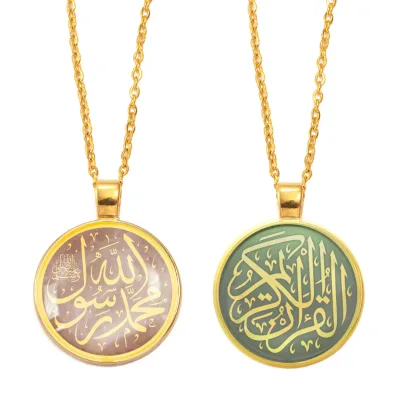
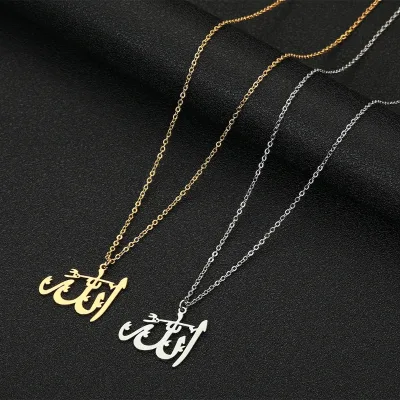


Comprehensive Sourcing Guide
Strategic Sourcing Guide for Islamic Prayer Agate Beaded Necklaces
The global market for religious jewelry has seen a steady increase in demand for authentic, culturally significant, and aesthetically pleasing items that serve both spiritual and decorative purposes. For procurement professionals and B2B buyers, the specific niche of Islamic prayer agate beaded necklaces represents a complex intersection of material science, religious compliance, and fashion trends. Sourcing these items requires a disciplined approach that moves beyond simple price comparison to a deep understanding of material composition, manufacturing standards, and supply chain reliability. This guide provides a comprehensive framework for evaluating suppliers and products within this category, ensuring that procurement decisions are grounded in verifiable facts and industry best practices.
Material Composition and Technical Specifications
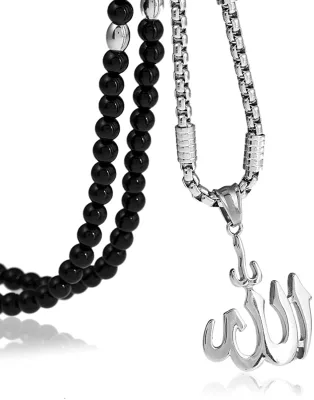
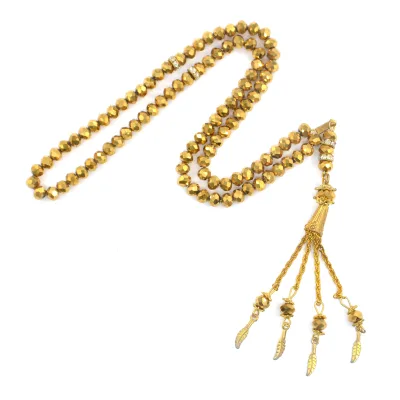
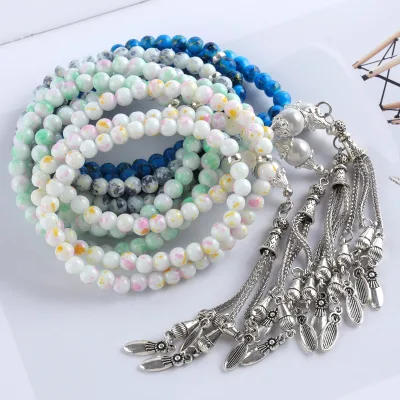
The foundation of any high-quality prayer necklace lies in the selection of raw materials. In the context of Islamic prayer beads, agate is a preferred material due to its durability, natural beauty, and traditional significance. However, the term "agate" can encompass a wide range of quality and treatment levels. Buyers must distinguish between natural agate, which offers unique geological patterns such as dragon veins, and treated or imitation variants. The supplied data indicates that products in this category frequently utilize "Natural Dragon Vein Agate" and "Natural Agate," which are distinct from "Glass Imitation Pearl" or "Shallow Agate Twisted Beads."
When evaluating technical specifications, the bead diameter is a critical parameter that influences both the tactile experience and the visual weight of the necklace. Observed standards in the market include 10MM and 6MM variations. The 10MM standard typically offers a more substantial presence suitable for adult wearers, while 6MM options may cater to children or those preferring a delicate aesthetic. The shape of the beads is predominantly spherical, described as "Ball" or "Bead" shapes, which facilitates smooth rotation during prayer.
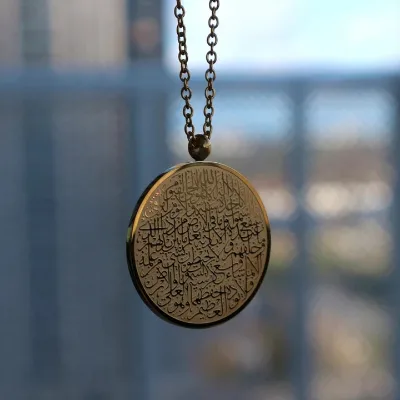
Furthermore, the structural integrity of the necklace depends on the setting technology. "Channel Setting" is a noted process in this category, which involves securing beads within a groove or channel, often providing a more secure fit than simple stringing. The chain type and plating also play significant roles in the product's longevity and appearance. "Antique Silver Plated" and "Gold" plating are common finishes, often applied over base materials like "Stainless Steel" to ensure corrosion resistance. Buyers should verify the thickness of the plating and the quality of the underlying metal to prevent tarnishing, especially given the "Religious" and "Health" usage claims often associated with these items.
Religious Compliance and Cultural Sensitivity
Sourcing Islamic prayer beads requires a nuanced understanding of religious requirements. The "Religious Type" is explicitly identified as "Islam" in the product data, indicating that the design and usage are intended to align with Islamic traditions. While the specific theological nuances of prayer beads (Tasbih) can vary by region and school of thought, the general consensus emphasizes the use of natural stones and the avoidance of materials that are considered impure or inappropriate in certain interpretations.
The "Style" of these necklaces often blends "Religious" functionality with "Fashion" aesthetics, making them suitable for daily wear rather than just ceremonial use. The "Usage" attributes listed include "Gift," "Decoration," "Health," and "Religious," suggesting a multifaceted product appeal. Buyers must ensure that the designs do not inadvertently violate cultural sensitivities. For instance, the "Shape\Pattern" should generally remain consistent with traditional forms, avoiding imagery that might be deemed inappropriate. The "Gender" specification is noted as "Unisex," and the "Suitable for" attribute expands this to include "Female, Male, Children, Elderly," indicating a broad market applicability. However, procurement teams should verify that the sizing and design nuances of specific models, such as "HS-2804" or "HS-2905b," align with the intended demographic.
Cost Drivers and Pricing Structures
Understanding the cost structure of Islamic prayer agate necklaces is essential for maintaining healthy profit margins. The observed price range in the market spans from $0.50 to $50.89 USD, a significant variance that reflects differences in material quality, craftsmanship, and brand positioning. The lower end of the spectrum typically corresponds to products made with "Glass Imitation Pearl" or lower-grade agate, while the higher end is reserved for "Natural Dragon Vein Agate" with high-quality plating and intricate designs.
Several factors drive these costs. The primary driver is the raw material; natural agate with distinct veining patterns commands a premium over uniform or treated stones. The manufacturing process, such as "High Quality Mirror Polished" finishes, adds labor costs and time. Additionally, the "Plating" quality, whether "Antique Silver" or "Gold," significantly impacts the final price. The "MOQ" (Minimum Order Quantity) is another critical cost driver, with observed ranges from 1 to 500 units. Suppliers offering low MOQs, such as 10 units, may charge a higher per-unit price due to the overhead of handling small batches. Conversely, bulk orders often benefit from economies of scale.
Buyers should also consider the "Packaging Details." Products packaged in "Individual OPP Bag" or "Packing Box" incur higher packaging costs compared to those in simple "Bag" packaging. The "Single Package Size" of 1x1x1 cm suggests compact shipping, which can reduce logistics costs, but the "Single Gross Weight" of 0.044kg must be factored into freight calculations. The "Brand Name" and "Third Party Appraisal" certifications can also add value, justifying a higher price point for buyers seeking premium or verified goods.
Supplier Evaluation and Verification
Selecting the right supplier is perhaps the most critical step in the procurement process. The data indicates that the "Place of Origin" for these products is predominantly "China," with specific mentions of "Guangdong, China," a region known for its jewelry manufacturing capabilities. Buyers should prioritize suppliers who can provide transparent information about their manufacturing processes and material sourcing.
Verification of supplier claims is paramount. The "Certificate Type" listed as "Third Party Appraisal" suggests that some suppliers may offer independent verification of their materials. Buyers should request these certificates to confirm the authenticity of the "Natural Agate" and the quality of the "Stainless Steel" or plating. Additionally, the "Customization" attribute being "Available" indicates that suppliers are willing to tailor products, but buyers must assess the supplier's capacity to handle custom orders without compromising quality or lead times.
The "Dropshipping" capability, marked as "Yes" in the data, is a significant operational factor for e-commerce retailers. Suppliers offering dropshipping services can streamline logistics, but buyers must ensure that the packaging and branding align with their own business standards. The "Selling Units" being "Single Item" suggests flexibility in ordering, but buyers should negotiate terms for larger volumes to secure better pricing.
Quality Control and Inspection Protocols
Implementing a robust quality control (QC) protocol is essential to mitigate the risks associated with sourcing jewelry. Given the "High Quality Mirror Polished" process and the delicate nature of "Channel Setting," visual and tactile inspections are necessary. Buyers should establish clear acceptance criteria for bead uniformity, plating adhesion, and chain strength.
The "prod_standard" values, such as "10MM" and "6MM," serve as benchmarks for size consistency. Inspectors should verify that the actual bead dimensions fall within acceptable tolerances of these standards. The "Shape\Pattern" should be consistent, with no irregularities in the "Ball" or "Bead" shapes. For plating, buyers should check for peeling, discoloration, or uneven coverage, particularly in "Antique Silver Plated" or "Gold" finishes.
The "Process" of "High Quality Mirror Polished" implies a high level of surface finish. QC teams should look for scratches, pits, or dull spots that indicate poor polishing. Additionally, the "Inlay Technology" of "Channel Setting" should be inspected to ensure beads are securely held and do not rattle or fall out. The "prod_packing" method, whether "Bag" or "OPP Bag," should be checked for damage and proper sealing to prevent loss or contamination during transit.
Long-Term Procurement and Market Trends
Sourcing Islamic prayer agate necklaces is not just a one-time transaction but a long-term strategic relationship. The "Occasion" attributes, including "Anniversary, Engagement, Gift, Party, Wedding," indicate that these products are often purchased for significant life events. This suggests a demand for high-quality, durable items that can be passed down or kept as heirlooms.
Buyers should monitor market trends regarding material preferences. While "Natural Agate" is currently popular, shifts in consumer sentiment towards sustainability or alternative materials could impact demand. The "Style" trend towards "Fashion" combined with "Religious" elements suggests a growing market for versatile jewelry that can be worn daily.
The "Customization" availability offers opportunities for buyers to differentiate their offerings. By working with suppliers to create unique designs or packaging, buyers can capture niche markets. However, customization must be balanced with cost and lead time considerations. The "MOQ" of 10 units allows for low-risk testing of new designs, but scaling up requires careful planning to manage inventory and cash flow.
In conclusion, sourcing Islamic prayer agate beaded necklaces requires a meticulous approach that balances material quality, religious compliance, cost efficiency, and supplier reliability. By adhering to the technical specifications, verifying certifications, and implementing strict quality control measures, buyers can build a resilient supply chain that meets the diverse needs of the global market. The observed data provides a solid foundation for decision-making, but continuous verification and adaptation to market dynamics remain essential for long-term success.
FAQs
What materials are used for these necklaces?
These necklaces are crafted from Natural Dragon Vein Agate, Natural Agate, and Glass Imitation Pearl. Some variants also utilize Shallow Agate Twisted Beads combined with Stainless Steel chains for durability and aesthetic appeal.
Which religious tradition do these beads serve?
The religious type is explicitly identified as Islam, making them suitable for Islamic prayer practices. They are designed with a Religious style and often include Health and Decoration usage attributes for daily wear.
Can I customize the bead size and plating?
Customization is available for these products, allowing buyers to select specific finishes. Options include Antique Silver Plated or Gold plating, with bead standards available in 10MM and 6MM sizes to suit different preferences.
What is the minimum order quantity for these items?
The minimum order quantity ranges from 1 to 500 units depending on the supplier and specific model. Some listings indicate an MOQ of 10 units, while others may allow single item purchases for testing purposes.
Where are these necklaces manufactured and shipped from?
The place of origin is China, with specific manufacturing hubs noted in Guangdong. Products are typically packaged in Individual OPP Bags or Packing Boxes to ensure safe transit from the factory to the buyer.
Do these necklaces come with third-party certifications?
Yes, some products in this category include Third Party Appraisal certificates to verify material authenticity. This certification helps confirm the quality of Natural Agate and the plating standards used in the manufacturing process.