Source Irregular Wind-up Toy for Retail, Gifts, and Play
Source 30 Irregular Wind-up Toy options from Shantou suppliers. Compare models like RFD316113 and BL291877, featuring ABS or plastic materials, EN71/CE certifications, and various animal shapes for children aged 3-13 years; compare the available evidence and request quotations based on your requirements.
Key considerations
Products List


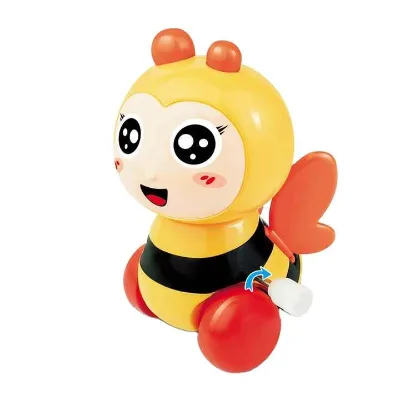
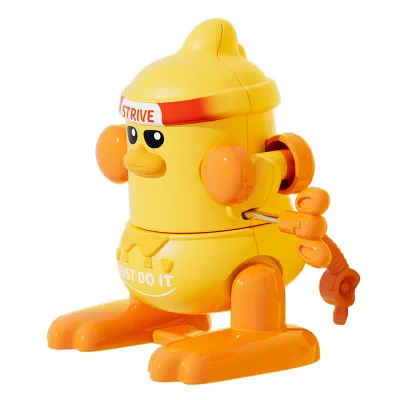
Animals Wind up Toys Clockwork Mechanical Tin Wind up Swing Toy for Kids
$0.31 - $0.41
MOQ: 10000 pieces
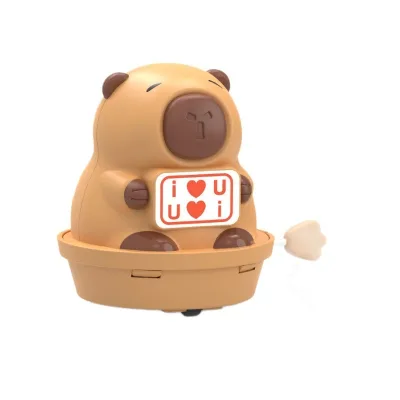
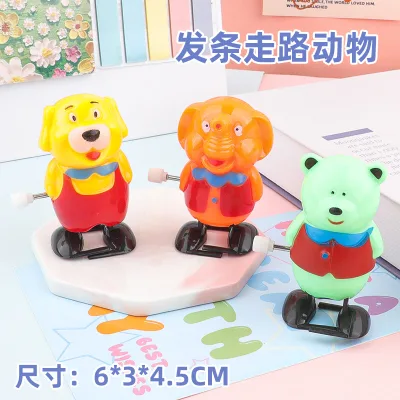
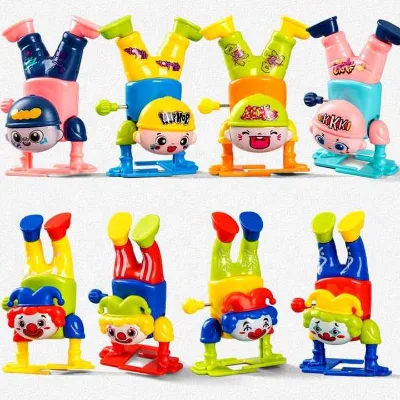




Comprehensive Sourcing Guide
Irregular Wind-up Toy Sourcing Guide
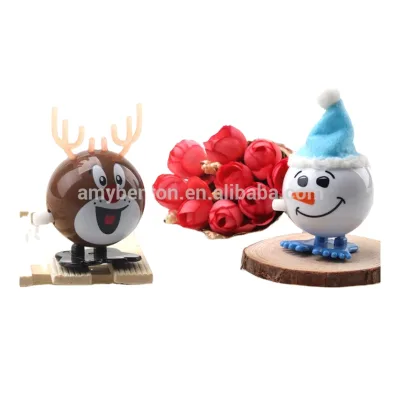
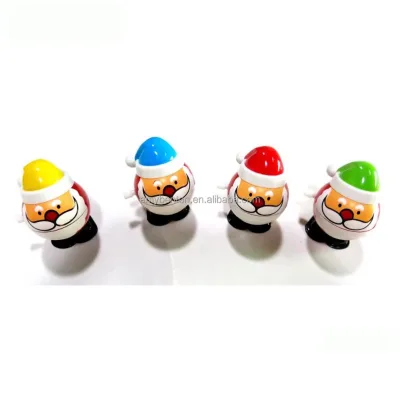
Irregular wind up toys represent a distinct category of mechanical playthings where non-standard shapes, such as animal forms or cartoon characters, drive the movement mechanism. These items rely on stored kinetic energy rather than batteries, making them ideal for environments where power sources are unreliable or restricted. The observed market data indicates a strong presence of plastic and ABS materials, with specific models like RFD316113 and BL291877 demonstrating the variety in form factors available to buyers.
Procurement strategies must account for the unique manufacturing challenges associated with irregular geometries, which often require specialized molds and precise winding mechanisms. Buyers should prioritize suppliers who demonstrate flexibility in customization, as the "Animal" and "Cartoon Toy" styles observed suggest a high demand for unique visual identities. The availability of OEM and ODM services confirms that many manufacturers are prepared to adapt these mechanical designs to specific brand requirements or thematic collections.
Product Scope and Observed Listing Signals
The current market listings reveal a diverse range of irregular wind up toys targeting specific age demographics, primarily children aged 3 to 8 years, though some models extend to teenagers. The observed price points vary significantly, ranging from $0.19 to $62, reflecting differences in material quality, packaging complexity, and production volume. This wide spectrum suggests that buyers can source simple, high-volume items or more complex, premium units depending on their specific retail positioning and margin targets.
Visual and functional attributes are critical differentiators in this category, with observed listings highlighting colors like yellow, green, orange, and brown, alongside specific movement methods such as rope pulling or inertia. The "Funny" usage classification and "Cartoon Toy" style indicate that these products are designed for entertainment and engagement rather than educational rigor. Buyers must carefully review the "Forward Moving Method" and "Shape" attributes to ensure the mechanical action aligns with the intended play experience for the target age group.
Technical Specifications to Verify
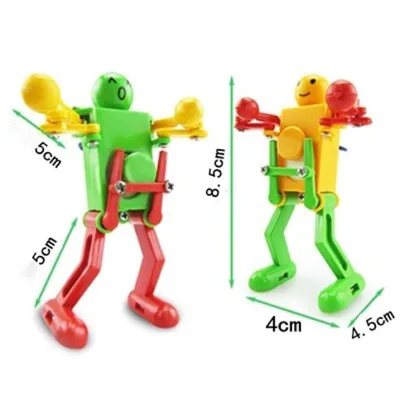
Mechanical reliability is paramount for wind up toys, requiring verification of the winding mechanism's durability and the consistency of the movement pattern. Specifications such as the single package size of 71.5x31.5x91 cm or the product size of 10x7x5 cm provide essential data for logistics planning and shelf space allocation. Buyers should confirm that the internal spring tension and gear ratios are calibrated to prevent premature failure, especially given the irregular shapes that may create uneven weight distribution during operation.
Dimensional accuracy and material composition are equally critical, with observed listings specifying materials like ABS and general plastic, alongside standard dimensions like 34x23.5x8 cm. The presence of specific model numbers such as RFD314849/RFD314851 and BL240567 allows for precise tracking of production batches and quality consistency. Procurement teams must ensure that the physical dimensions of the irregular shapes do not compromise the structural integrity of the toy during the winding and release cycles.
Compliance and Safety Documentation
Safety compliance is non-negotiable for toys intended for children, with observed listings citing certifications such as EN71, ENASTM, CE, and ISO. These standards address mechanical hazards, chemical composition, and physical safety requirements specific to the toy industry. Buyers must request valid test reports that confirm the product meets these specific regional standards, particularly for markets like Europe and North America where regulatory enforcement is strict.
The certification data also highlights the importance of verifying the "Not Electric" status to ensure that the wind-up mechanism does not inadvertently incorporate electrical components that could pose a shock hazard. Documentation should explicitly confirm that all materials, including paints and plastics, are free from harmful substances. Procurement contracts should mandate that suppliers provide up-to-date compliance certificates for every batch, ensuring that the irregular shapes and moving parts do not present pinch points or choking hazards.
Cost Drivers and Commercial Terms
Pricing in this sector is heavily influenced by the complexity of the irregular molds and the volume of the order, with observed MOQs ranging from 2 to 30,000 units. The wide variation in minimum order quantities allows buyers to test the market with small batches or secure deep discounts through large-scale production runs. Understanding the relationship between unit price and order volume is essential for optimizing the total cost of ownership, especially when factoring in the high gross weight of 26.000 kg for certain single packages.
Commercial terms such as T/T payment methods and the acceptance of customized logos add layers of flexibility to the procurement process. Buyers should negotiate based on the "Selling Units" and "QTY/CTN" metrics, which can significantly impact shipping costs and inventory management. The availability of customized packaging, such as display boxes or OPP bags, also affects the final landed cost, requiring a detailed analysis of the trade-off between presentation value and expense.
Supplier Qualification and Quality Control
Supplier qualification should focus on manufacturers located in key production hubs like Shantou and Guangdong, China, which are known for their expertise in plastic toy manufacturing. The presence of "no brand" and specific brand names like "baoyulong" in the listings indicates a mix of private label and branded production capabilities. Buyers must assess the supplier's capacity for customization, as the "Customization: Available" and "Logo Printing" attributes suggest a need for flexible production lines.
Quality control protocols must be rigorous, given the mechanical nature of wind-up toys where a single defect can render the product unusable. Inspections should verify the consistency of the winding action, the durability of the plastic casing, and the accuracy of the printed colors and logos. Suppliers offering OEM/ODM services should demonstrate a robust track record of maintaining quality standards across different production runs, ensuring that the irregular shapes and mechanical functions remain consistent.
Long-Term Procurement Checks
Sustaining a successful supply chain for irregular wind up toys requires ongoing monitoring of supplier performance and product consistency over time. Buyers should establish regular audits to verify that the materials, certifications, and mechanical specifications remain unchanged, particularly as production volumes scale up. The "Customized" and "Logo" attributes indicate that long-term partnerships often involve evolving designs, necessitating a flexible yet controlled approach to product development.
Market trends and consumer preferences for specific styles, such as "Animal" shapes or "Cartoon Toy" themes, may shift rapidly, requiring suppliers to adapt quickly. Procurement teams should maintain open communication channels to anticipate changes in demand and ensure that the supply of irregular wind up toys remains aligned with retail strategies. Regular reviews of the "Age Range" and "Usage" data will help buyers adjust their portfolios to meet the evolving needs of the target demographic.
FAQs
What certifications do these irregular wind up toys have?
These toys hold ENCE, ENASTM, CE, and EN71 certifications. These standards ensure safety for children aged 3 to 13 years. Buyers can verify compliance through the provided product models like RFD316113. This documentation supports import requirements and builds trust with end consumers regarding product safety.
Can I customize the logo on these wind up toys?
Yes, customized logos are accepted for these items. The supplier welcomes OEM and ODM requests for branding. You can add your company mark to the plastic or ABS bodies. This service allows retailers to create unique product lines while maintaining the standard cartoon animal shapes and colors.
What are the packaging options for these toys?
Packaging includes display boxes and OPP bags for individual units. Bulk cartons measure 72x44x83cm with a gross weight of 26kg. Some models use single item selling units. This flexible packaging supports both retail display needs and efficient shipping logistics for international buyers sourcing these wind up toys.
Which materials are used to make these wind up toys?
The toys are primarily made from plastic and ABS materials. These durable materials ensure the wind up mechanism functions reliably. The construction supports the cartoon animal shapes and bright colors like yellow, green, and brown. This material choice balances safety, cost, and longevity for children's play.
What is the minimum order quantity for these toys?
The minimum order quantity ranges from 2 to 30,000 pieces. Specific models may have distinct MOQs, such as 126 pieces for certain items. This flexibility accommodates both small trial orders and large bulk purchases. Buyers can negotiate quantities based on their specific distribution needs and storage capacity.
Where are these irregular wind up toys manufactured?
These toys originate from Shantou and Guangdong, China. This region is known for its robust toy manufacturing industry. The location supports efficient production and export logistics. Buyers can expect established supply chains and competitive pricing due to the concentrated manufacturing ecosystem in this area.