Source ISOCE Certified Medical Vacuum Regulator for Hospitals
Find 30 ISOCE Certified Medical Vacuum Regulator options for operating rooms, emergency care, and laboratory suction systems. Compare specifications including vacuum ranges, flow rates, and connection types from verified Chinese manufacturers.
Key considerations
Products List


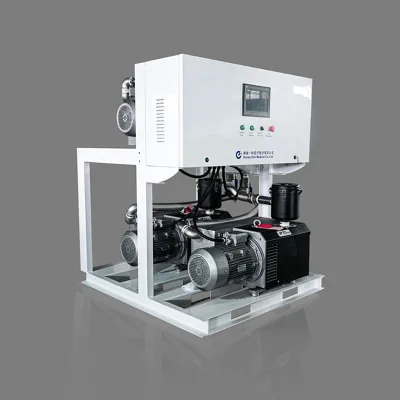
China Famous Brand Vacuum Suction System Vacuum Regulator with Small Area
$5000.00 - $10000.00
MOQ: 1 Minimum


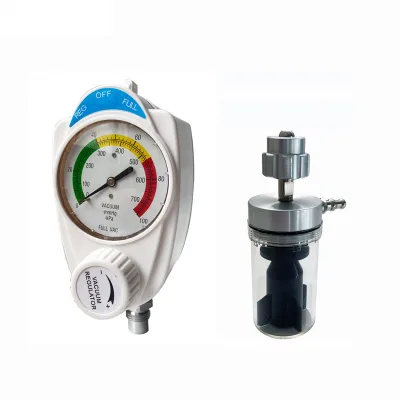
Suction Regulator 0-760mmhg/0-250mmhg Vacuum Regulator in Vacuum Suction Devices
$35.00 - $40.00
MOQ: 200 Pieces

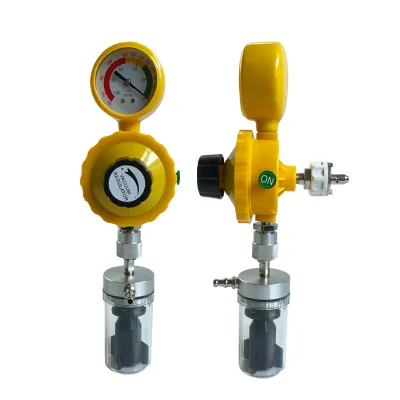


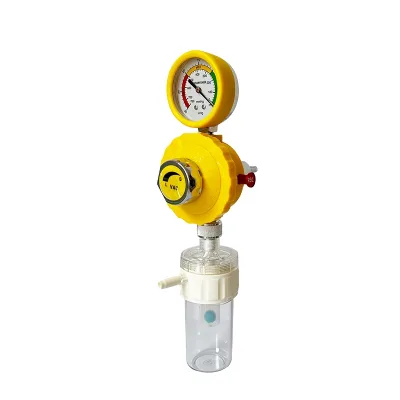
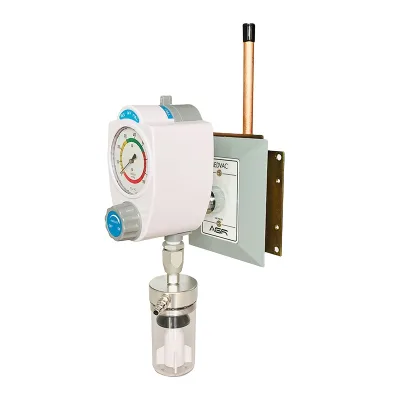
Reliable Medical Vacuum Regulator with Sealed Waste Container for Safe Suction
$32.00 - $38.00
MOQ: 50 Pieces
Comprehensive Sourcing Guide
ISOCE Certified Medical Vacuum Regulator Sourcing Guide
Procuring medical vacuum regulators requires a disciplined approach to verifying both mechanical performance and regulatory compliance. The term "isoce certified" often appears in supplier listings as a shorthand for products holding CE certification and ISO standards, typically ISO 13485 for quality management systems in medical devices. Buyers must distinguish between marketing shorthand and actual, verifiable documentation. A genuine certification ensures that the manufacturing process adheres to strict quality controls, which is critical for devices that interface directly with patient care environments or critical infrastructure like hospital suction systems.
This guide focuses on the specific attributes observed in current market listings for medical vacuum regulators and associated suction equipment. By analyzing the technical specifications, material compositions, and commercial terms available, procurement teams can build a robust evaluation framework. The goal is to move beyond surface-level claims and establish a verification protocol that mitigates risk, ensures interoperability with existing hospital infrastructure, and guarantees long-term operational reliability.
Product Scope and Observed Listing Signals
The current market for medical vacuum regulators includes a diverse range of devices, from wall-mounted regulators to portable suction units and integrated vacuum stations. Listings frequently highlight features such as LCD displays, though many observed models operate without them, relying instead on analog gauges with distinct color-coded zones. These zones, often marked in green, yellow, and red, provide immediate visual feedback on pressure levels, which is essential for rapid assessment in clinical settings. The presence or absence of digital interfaces should be verified against specific departmental needs, as analog systems often offer greater durability and simpler maintenance profiles.
Material composition is another critical differentiator among observed products. Housing materials range from white ABS teardrop-shaped plastic to aluminum alloy constructions, each offering distinct advantages in terms of weight, corrosion resistance, and aesthetic integration into clinical environments. Connector bodies are frequently made from chrome-plated brass to ensure durability and a secure seal, while collection jars are typically constructed from transparent polycarbonate to allow for easy monitoring of fluid levels. Understanding these material distinctions helps buyers align product selection with the specific durability and hygiene requirements of their facility.
Technical Specifications to Verify
Pressure regulation capabilities are the primary functional requirement for these devices. Observed models support various vacuum ranges, including 0-300 mmHg, 0-760 mmHg, and 0-250 mmHg, with some units featuring adjustable outlets. It is crucial to verify the operating modes, which often include a continuous regulation setting and an off position, controlled by a slide switch. The adjustment mechanism, typically a large-diameter ribbed ring, allows for precise tuning of the vacuum pressure. Buyers must ensure that the selected regulator matches the specific pressure requirements of the medical equipment it will serve, such as surgical suction devices or respiratory therapy apparatus.
Connection standards and physical dimensions are equally important for seamless integration. Inlet connections often utilize quick-connect probes compatible with various international standards, including Ohmeda, Diss, Chemetron, BS, and DIN configurations. This versatility is vital for hospitals that may have mixed equipment from different manufacturers. Additionally, outlet ports are designed to accept standard 6-8 mm suction tubing, ensuring compatibility with common medical accessories. The physical size and weight of the unit, such as the 6.1 kg weight observed in some vacuum station machines, should be considered during installation planning to ensure adequate support and accessibility.
Compliance and Safety Documentation
Regulatory compliance is non-negotiable in the medical device sector. Buyers must request and verify actual certification documents, specifically CE marks and ISO certifications, rather than relying on product titles or descriptions. The term "isoce" in listings should be treated as a signal to investigate further, requiring proof of ISO 13485 certification for quality management and ISO 9001 for general quality systems. These documents confirm that the manufacturer follows rigorous processes for design, production, and post-market surveillance, which is essential for maintaining patient safety and regulatory adherence.
Safety features embedded in the design also contribute to compliance and operational security. Many observed regulators include built-in filters and overflow protection mechanisms, such as float shut-off valves with PP floats and rubber gaskets. These features prevent backflow and contamination, which are critical risks in medical suction applications. Additionally, the classification of the instrument, such as Class II, indicates the level of risk and the corresponding regulatory controls applied. Buyers should ensure that all safety mechanisms are functional and that the device meets the specific safety standards required by their local health authorities.
Cost Drivers and Commercial Terms
Pricing for medical vacuum regulators varies significantly based on material quality, certification status, and included features. Observed price ranges span from approximately $3.80 to $10,000, reflecting the diversity from simple components to complex vacuum station systems. The minimum order quantity (MOQ) also varies, with some suppliers offering MOQs as low as one unit, while others require orders of up to 200 units. Buyers should align their procurement volume with their actual needs to avoid excess inventory or supply chain disruptions, considering the lead times and shipping costs associated with international orders from China.
Packaging and logistics are additional cost factors that should be factored into the total cost of ownership. Standard export packaging, such as cartons or boxes, is commonly used, with dimensions like 40x30x20 cm observed for certain units. Proper packaging is essential to prevent damage during transit, especially for devices with delicate gauges or plastic components. Buyers should verify the packaging standards with the supplier to ensure that the products arrive in pristine condition, reducing the risk of returns or replacements due to transit damage.
Supplier Qualification and Quality Control
Evaluating supplier reliability is a critical step in the procurement process. Buyers should request detailed information about the manufacturer’s production capabilities, quality control processes, and after-sales support. The warranty period, often cited as two years for these devices, is a key indicator of the supplier’s confidence in their product. However, the warranty terms should be clearly understood, including what is covered and the process for claiming repairs or replacements. A robust warranty program can significantly reduce long-term maintenance costs and downtime.
Quality control measures should be verified through documentation and, if possible, third-party inspections. Suppliers should provide test reports and inspection certificates that confirm the device meets the specified technical parameters. Buyers should also inquire about the supplier’s process for handling non-conforming products and their commitment to continuous improvement. Establishing a clear communication channel with the supplier for technical support and issue resolution is essential for maintaining operational efficiency and addressing any potential problems promptly.
Long-Term Procurement Checks
Sustainability and lifecycle management are increasingly important considerations for medical equipment procurement. Buyers should assess the availability of spare parts and consumables, such as filters and gaskets, to ensure that the devices can be maintained over their operational lifespan. The ease of cleaning and sterilization of the device components, particularly those that come into contact with fluids or patients, should also be evaluated. Devices made from durable materials like polycarbonate and brass are generally easier to maintain and have a longer service life.
Finally, buyers should establish a regular review process for their medical vacuum regulator inventory. This includes monitoring performance data, tracking maintenance costs, and staying informed about updates in regulatory standards and technology. By maintaining a proactive approach to procurement and maintenance, healthcare facilities can ensure that their vacuum systems remain reliable, compliant, and cost-effective over time. This long-term perspective helps in making informed decisions that balance immediate needs with future requirements.
FAQs
What certifications does the vacuum regulator have?
The product holds CE and ISO certifications, specifically noted as ISOCE in the listing. These standards ensure compliance with international safety and quality requirements for medical devices used in clinical settings.
Can the suction bottle capacity be customized?
Yes, customization is available for this medical vacuum regulator. The collection jar capacity options include 1000ml, 2000ml, and 4000ml variants to suit different clinical volume requirements.
What is the operating pressure range for the device?
The device operates with an outlet pressure between 0.3 and 0.4 MPa. It also supports vacuum ranges of 0-300, 0-760, and 0-250 Mmhg depending on the specific configuration selected.
How is the product packed for export?
Items are shipped using standard export packing in cartons. The packaging dimensions are typically 40 by 30 by 20 cm, ensuring safe transport for the medical equipment during international logistics.
What material is used for the collection jar?
The collection jar is made from transparent polycarbonate plastic. This material provides durability and visibility for monitoring fluid levels while maintaining safety standards for medical applications.
Does the regulator include an overflow protection feature?
Yes, the unit features a float shut-off valve for overflow protection. This mechanism uses a polypropylene float and rubber gasket to automatically stop suction when the jar is full.
What is the warranty period for this equipment?
The product comes with a two-year warranty coverage. This ensures reliability and support for the medical vacuum regulator throughout its operational lifecycle in hospital or clinic environments.