Source Orthodontic Dental Needle Holder for Surgery, Ortho, and Clinic
Find and compare 30 Orthodontic Dental Needle Holder options from Chinese manufacturers. Evaluate metal pliers and forceps with CE certification, varying lengths, and customization availability for oral surgery and orthodontic departments.
Key considerations
Products List


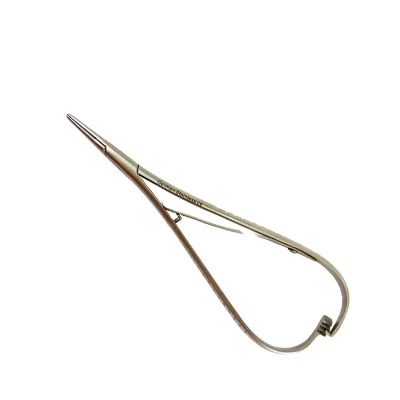


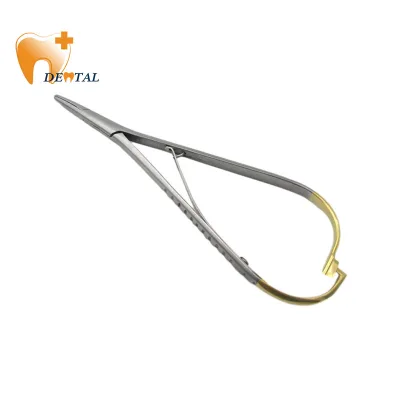


SS304 Dental Mathieu Needle Holder Orthodontic Tool Dental Instrument Wholesale
$7.00 - $8.00
MOQ: 10 Pieces


Comprehensive Sourcing Guide
Orthodontic Dental Needle Holder Sourcing Guide
Product Scope and Observed Listing Signals
The Orthodontic Dental Needle Holder market presents a diverse array of specialized instruments designed for precision tasks within clinical and laboratory settings. Based on observed listing signals, these tools are categorized under shared and specialized instrument equipment, with specific applications extending to both oral surgery and orthodontic departments. The product landscape includes distinct variants such as pliers and forceps, indicating that buyers must carefully distinguish between general-purpose gripping tools and those engineered specifically for holding needles during suturing or adhesive application. The presence of models like the "Fishtail Needle Holder Elbow" and "Microscissors straight head" suggests a niche demand for ergonomic designs that facilitate access to difficult areas within the oral cavity, particularly when working under magnification or in confined spaces.
Material composition and physical attributes are critical differentiators in this category, with metal being the predominant material observed across listings. These instruments are typically non-disposable, emphasizing their role as durable, reusable assets in a dental practice’s inventory. The observed specifications reveal a range of lengths, such as 14cm and 14.3cm, alongside packaging dimensions that suggest compact storage solutions. Buyers should note that customization is available, allowing for tailored solutions that may include specific tip configurations, such as options with or without hard tips. This flexibility is essential for clinics that require instruments adapted to specific procedural workflows or patient anatomies, ensuring that the tool not only meets functional requirements but also enhances operator comfort and efficiency during extended procedures.
Technical Specifications to Verify
When evaluating technical specifications, the model number and standard length are primary identifiers that ensure compatibility with existing instrument sets and sterilization protocols. Listings indicate specific model codes such as W248.01, W229.024, and W21.19, which often correspond to distinct jaw geometries or handle designs. It is crucial to verify that the stated standard, such as 14cm or 20119cm for packaging, aligns with the actual instrument dimensions to prevent storage issues or incompatibility with instrument trays. Additionally, the distinction between straight and elbow configurations, as seen in the Fishtail Needle Holder, requires careful assessment of the jaw angle and tip alignment to ensure optimal visibility and access during orthodontic procedures. Buyers should request detailed dimensional drawings or physical samples to confirm that the instrument’s reach and leverage meet the specific ergonomic needs of their dental team.
The functional design of the needle holder, particularly the tip configuration, plays a pivotal role in its performance and longevity. Options for tips with or without hard coatings indicate varying levels of durability and grip strength, which are essential for securely holding orthodontic wires or needles without slipping or damaging the material. The power source is listed as machinery, implying that these are manual instruments operated by hand, which necessitates a focus on mechanical precision and smooth action rather than electronic components. Furthermore, the single gross weight of approximately 0.100 kg per item suggests a lightweight design that reduces hand fatigue during prolonged use. Buyers should verify the material grade and finish, typically silver in appearance, to ensure resistance to corrosion and ease of cleaning, which are vital for maintaining hygiene standards in a clinical environment.
Compliance and Safety Documentation
Compliance with international standards is a non-negotiable aspect of sourcing orthodontic dental needle holders, particularly given their classification as Class I medical instruments. The presence of CE certification in observed listings indicates that the products meet the essential health and safety requirements for sale within the European Economic Area, providing a baseline assurance of quality and safety. However, buyers must verify that the certification is current and covers the specific manufacturing facility, as certifications can be product-specific or facility-specific. Additionally, the mention of ISO 13485 as a safety standard highlights the importance of a quality management system tailored to medical devices. This standard ensures that the manufacturer has robust processes in place for design, production, and post-market surveillance, which is critical for minimizing risks associated with instrument failure or contamination.
Beyond certifications, the documentation provided by the supplier should include detailed material safety data sheets and sterilization compatibility information. Since these instruments are non-disposable, they undergo repeated sterilization cycles, and the supplier must confirm that the metal composition and any coatings can withstand standard autoclaving processes without degradation. The shelf life of three years, as noted in some listings, provides a guideline for inventory management but does not replace the need for proper storage conditions to maintain instrument integrity. Buyers should also inquire about the instrument classification and ensure that it aligns with local regulatory requirements in their target market. Clear labeling and traceability information, including batch numbers and manufacturing dates, are essential for effective recall management and quality tracking, ensuring that any issues can be promptly addressed and resolved.
Cost Drivers and Commercial Terms
The cost of orthodontic dental needle holders is influenced by several factors, including material quality, manufacturing complexity, and order volume. The observed price range of 0.9 to 43.73 USD reflects the diversity in product types, from basic pliers to specialized, ergonomically designed holders with advanced tip configurations. Higher prices typically correlate with instruments that offer enhanced durability, precision engineering, or customization options, such as specific lengths or tip coatings. Buyers should consider the total cost of ownership, which includes not only the purchase price but also the costs associated with sterilization, maintenance, and potential replacement due to wear and tear. Investing in higher-quality instruments may yield long-term savings by reducing the frequency of replacements and improving procedural efficiency.
Commercial terms, such as minimum order quantity (MOQ) and lead times, also play a significant role in procurement planning. The observed MOQ range of 1 to 1000 units offers flexibility for both small clinics and large distributors, allowing buyers to scale their orders according to demand. However, it is important to negotiate favorable terms regarding shipping and packaging, as the single package size and carton packing details can impact logistics costs. The delivery time of 7 days, as mentioned in some listings, suggests a responsive supply chain, but buyers should confirm this lead time for custom orders or larger volumes. Additionally, the availability of OEM/ODM services indicates that suppliers are willing to accommodate specific branding or design requirements, which can be a valuable consideration for clinics looking to standardize their instrument inventory under a unified brand identity.
Supplier Qualification and Quality Control
Selecting a reliable supplier for orthodontic dental needle holders requires a thorough assessment of their manufacturing capabilities and quality control processes. Suppliers located in regions such as Foshan, Guangdong, and Zhejiang, China, are common sources for these instruments, but buyers should verify the specific factory’s credentials and production capacity. The availability of after-sale services, including return and replacement policies, is a strong indicator of a supplier’s confidence in their product quality and their commitment to customer satisfaction. Buyers should request evidence of consistent quality control measures, such as in-process inspections and final product testing, to ensure that each instrument meets the specified standards for precision and durability.
Furthermore, the supplier’s ability to provide customization and OEM/ODM services should be evaluated based on their technical expertise and flexibility. A qualified supplier should be able to offer detailed technical support, including guidance on instrument selection and usage, to help buyers make informed decisions. It is also important to assess the supplier’s communication responsiveness and their ability to handle complex orders or urgent requests. Buyers should consider establishing a long-term partnership with a supplier that demonstrates a commitment to continuous improvement and innovation, as this can lead to better product offerings and more favorable commercial terms over time. Regular audits or sample evaluations can help maintain high standards and ensure that the supplier continues to meet the evolving needs of the dental practice.
Long-Term Procurement Checks
Establishing a robust long-term procurement strategy for orthodontic dental needle holders involves regular monitoring of product performance and supplier reliability. Buyers should implement a system for tracking instrument usage, maintenance, and replacement cycles to identify trends and anticipate future needs. This data can inform decisions regarding inventory levels and supplier negotiations, ensuring that the practice maintains an adequate supply of high-quality instruments without overstocking. Additionally, staying informed about advancements in instrument design and materials can help buyers identify opportunities to upgrade their equipment and improve clinical outcomes. Engaging with professional networks and attending industry events can provide valuable insights into emerging trends and best practices in dental instrument procurement.
Regular reviews of supplier performance and compliance status are essential for mitigating risks and ensuring continuous quality. Buyers should periodically verify that their suppliers maintain their certifications and adhere to the latest regulatory requirements, as standards can evolve over time. Establishing clear communication channels and feedback loops with suppliers can facilitate prompt resolution of any issues and foster a collaborative relationship. By prioritizing quality, compliance, and strategic partnership, buyers can secure a reliable supply of orthodontic dental needle holders that support the high standards of care expected in modern dental practices. This proactive approach not only enhances operational efficiency but also contributes to the overall success and reputation of the dental facility.
FAQs
What certifications do orthodontic dental needle holders have?
These instruments typically carry CE certification and may include ISO standards. Some listings explicitly state CE and ISO compliance, ensuring they meet international safety requirements for medical devices used in oral surgery and orthodontic departments.
Which materials are used to make these dental tools?
The primary material used for these instruments is metal, providing durability for repeated use. They are classified as non-disposable specialized instrument equipment designed for long-term clinical applications in dental practices.
Can I request customization for these dental instruments?
Yes, customization is available for these products to meet specific clinical needs. OEM and ODM services are welcome, allowing buyers to tailor specifications like model numbers or packaging to their unique requirements.
What is the typical lead time for delivery?
The standard delivery time for these items is approximately 7 days. This lead time applies to orders placed with suppliers located in regions such as Foshan, Guangdong, or Zhejiang, China.
How are these needle holders packaged for shipment?
Packaging options include individual bags or carton boxes depending on the order size. Specific listings indicate a single package size of 20x10x10 cm with a gross weight of 0.100 kg per unit.
What is the minimum order quantity for these tools?
The minimum order quantity varies, with some listings requiring as few as 10 pieces. Other sources indicate a broader range from 1 to 1000 units, allowing flexibility for different buyer volumes.
Where are these dental instruments manufactured?
These products originate from various locations in China, including Foshan, Guangdong, Zhejiang, and Hebei. The specific place of origin depends on the manufacturer and the specific model number selected.