Source CE ISO Manual Hospital Trolley for Patient Transport
Find and compare 30 CE ISO Manual Hospital Trolley options for patient transport, emergency response, and nursing care. Evaluate features like ABS construction, swivel casters, and customization availability to select the right medical cart for your facility.
Key considerations
Products List


High Reputation Practical Medical Hospital Emergency Trolley for Hospital
$280.00 - $300.00
MOQ: 5 Pieces


Manual Emergency Stretcher Trolley with Height Adjustable Hospital Trolley
$535.00 - $606.00
MOQ: 10 Pieces

Emergency Trolley Medical Equipment Medical Trolley Hospital Equipment
$285.00 - $300.00
MOQ: 10 Pieces


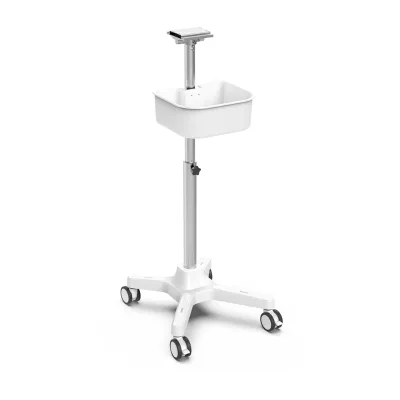


Skb037 (C) 3 Cranks Adjustable Manual Hospital Transportation Patient Trolley
$460.00 - $480.00
MOQ: 1 Pieces


Comprehensive Sourcing Guide
CE ISO Manual Hospital Trolley Sourcing Guide
Procuring manual hospital trolleys that meet CE and ISO standards requires a disciplined approach to verifying both mechanical integrity and regulatory compliance. Buyers must distinguish between general manufacturing certifications and specific medical device standards, as the terminology often overlaps in supplier listings. The core keyword "CE ISO Manual Hospital Trolley" signals a product category where mobility, durability, and hygiene are paramount, but the specific application—whether for emergency response, nursing care, or general transport—dictates the necessary technical features. Understanding these distinctions prevents the acquisition of non-compliant equipment that may fail during clinical audits or daily operational stress.
This guide provides a structured framework for evaluating suppliers and products based on observed market data and trusted category knowledge. It focuses on actionable verification steps rather than generic advice, ensuring that procurement teams can confidently assess product listings, negotiate commercial terms, and establish long-term quality controls. By adhering to the evidence-based observations provided, buyers can mitigate risks associated with counterfeit certifications, substandard materials, and unreliable supply chains, ultimately securing trolleys that enhance patient care and operational efficiency.
Product Scope and Observed Listing Signals
The observed product landscape reveals a diverse range of manual hospital trolleys, with prices ranging from $1 to $1,500 USD and minimum order quantities (MOQs) typically between 1 and 20 units. This wide price variance suggests significant differences in material quality, component sophistication, and customization levels. For instance, some listings highlight premium features such as luxurious noiseless casters with brakes, while others focus on basic functionality. Buyers should interpret these price points as indicators of tiered product lines, where higher costs often correlate with enhanced durability, specialized materials like ABS plastic or specific metal alloys, and additional warranty coverage for critical components like castors and spare parts.
Observed attributes indicate that manufacturers offer both standardized and customized options, with some products explicitly marked as "Customized" and others as "Non-Customized." Materials vary from metal constructions to ABS plastic tops, with colors ranging from blue to white, reflecting different clinical environments and aesthetic preferences. Packing methods also differ, including plywood, carton, and standard export packaging, which impacts shipping costs and product protection. These signals suggest that buyers should carefully match their specific operational needs—such as the number of layers, drawer configurations, or caster types—with the listed specifications to avoid overpaying for unnecessary features or under-specifying for critical requirements.
Technical Specifications to Verify
Verifying technical specifications is critical to ensuring that the trolley meets the physical demands of hospital environments. Key attributes to confirm include the number of belts, wheel types, and structural dimensions. For example, some models feature six belts and swivel casters, which are essential for smooth maneuverability in tight corridors, while others may have different configurations. The presence of features like "Easy Cleaning" and "Corrosion Resistance" indicates a focus on hygiene and longevity, which are vital for infection control protocols. Buyers should request detailed dimension sheets to ensure the trolley fits through standard doorways and elevators, as observed standards include sizes like 680480980mm and 1950640550/840mm.
Material composition and design elements also play a significant role in performance. Products made from ABS plastic often offer a lightweight yet durable alternative to metal, with features like one-piece top boards and arc handles for ergonomic use. Drawer configurations, such as two small, two middle, and one big drawer with dividers, provide organized storage for medical supplies, which is crucial for nursing carts. Additionally, the condition of the product (new vs. refurbished) and the type of castors (e.g., two with brakes) directly impact safety and usability. Buyers should verify these details against their clinical workflows to ensure the trolley supports efficient patient care and staff movement.
Compliance and Safety Documentation
Compliance with CE and ISO standards is non-negotiable for hospital equipment, but buyers must verify the specific scope of these certifications. The supplied facts indicate that products may carry CE, ISO, and even FDA certificates, but the exact standards applied—such as ISO 13485 for quality management or EN 60601-2-52 for medical electrical equipment—must be confirmed. Since not all manual trolleys are electrical, the relevance of specific electrical standards may vary, and buyers should ensure that the certification matches the product type. Requesting copies of the certificates and checking their validity with the issuing body is a essential step to avoid relying on unverified claims.
Safety documentation should also include detailed user manuals, maintenance guidelines, and warranty terms. Observed warranties for castors and spare parts range from one to two years, which reflects the manufacturer's confidence in their components. Buyers should ensure that the warranty covers not just the product but also the availability of spare parts, as downtime due to missing components can disrupt hospital operations. Additionally, verifying that the product meets local regulatory requirements in the destination country is crucial, as CE marking alone may not suffice for all markets. Clear documentation ensures that hospital staff can operate the trolley safely and maintain it according to manufacturer recommendations.
Cost Drivers and Commercial Terms
Understanding the cost drivers behind manual hospital trolleys helps buyers negotiate better terms and avoid hidden expenses. Factors such as material choice (metal vs. ABS), customization options, and packing methods significantly influence the final price. For instance, customized products and plywood packaging may incur higher costs due to additional labor and material requirements. Buyers should also consider the total cost of ownership, including shipping, installation, and maintenance, rather than just the unit price. The observed MOQ range of 1-20 units suggests flexibility for small-scale purchases, but bulk orders may offer volume discounts that reduce the per-unit cost.
Commercial terms such as payment methods, delivery times, and return policies should be clearly defined in the contract. Suppliers located in China, with loading ports in Shenzhen, Guangzhou, or Foshan, may have different logistical considerations that affect lead times. Buyers should verify the supplier's export experience and their ability to handle international shipping and customs clearance. Additionally, understanding the supplier's OEM service availability can help if custom branding or specific modifications are required. Clear communication of these terms ensures that both parties have aligned expectations, reducing the risk of disputes and ensuring timely delivery of the equipment.
Supplier Qualification and Quality Control
Supplier qualification is a critical step in ensuring the reliability and quality of manual hospital trolleys. Buyers should verify the supplier's factory location, production capacity, and quality control processes. The supplied facts indicate that some suppliers are located in Foshan City, a known hub for furniture and medical equipment manufacturing, which may suggest a concentration of expertise. However, buyers should not rely solely on location and should conduct due diligence on the supplier's track record, including client references and past performance. Requesting samples or conducting factory audits can provide valuable insights into the supplier's manufacturing capabilities and quality standards.
Quality control measures should include rigorous testing of critical components such as castors, brakes, and structural integrity. Buyers should inquire about the supplier's testing protocols and whether they adhere to international standards for medical equipment. Additionally, verifying the supplier's ability to provide consistent quality across batches is essential, especially for large orders. Establishing a clear communication channel for addressing quality issues and requesting corrective actions is also important. By prioritizing suppliers with robust quality control systems, buyers can minimize the risk of receiving defective products and ensure long-term satisfaction with their procurement.
Long-Term Procurement Checks
Long-term procurement checks involve establishing ongoing monitoring and evaluation mechanisms to ensure sustained quality and compliance. Buyers should implement regular audits of supplier performance, including delivery times, product quality, and customer service responsiveness. Tracking key performance indicators (KPIs) such as defect rates and warranty claim frequencies can help identify potential issues early and drive continuous improvement. Additionally, staying updated on changes in regulatory requirements and industry standards is crucial to ensure that the procured trolleys remain compliant over time.
Building a strong relationship with the supplier can also facilitate long-term success. Regular communication, feedback loops, and collaborative problem-solving can enhance trust and cooperation. Buyers should also consider diversifying their supplier base to mitigate risks associated with single-source dependencies. By maintaining a proactive approach to supplier management and quality assurance, buyers can ensure that their manual hospital trolleys continue to meet the evolving needs of their healthcare facilities, supporting efficient and safe patient care operations.
FAQs
What certifications do the manual hospital trolleys have?
The manual hospital trolleys carry CE and ISO certifications. Some models also include FDA certification. These certifications ensure the equipment meets international safety and quality standards for medical environments.
Can I request customization for the hospital trolley design?
Customization is available for certain models like the Emergency Cart. However, other items such as the Nursing Cart are listed as non-customized. Buyers should verify specific model requirements before placing an order.
Which materials are used to construct these hospital trolleys?
The trolleys are constructed from metal and ABS plastic materials. The Emergency Cart features a metal build, while other models utilize ABS plastic tops. These materials provide durability and corrosion resistance for hospital use.
How many belts are included in the six-belt model?
The specific model identified has exactly six belts. This configuration supports efficient transport of medical supplies. The design ensures stability and organization during movement within hospital facilities.
What is the net weight of the folded emergency cart?
The folded emergency cart has a net weight of 151 kilograms. This weight reflects the sturdy metal construction and included features. It is designed to be robust while remaining manageable for hospital staff.
Where are these hospital trolley factories located?
The factories are located in Foshan City, China. Products originate from the People's Republic of China. Shipping is available from ports like Shenzhen, Guangzhou, and Foshan to global destinations.
What warranty is provided for the castors on these carts?
The castors come with a two-year warranty. Spare parts are covered by a one-year warranty. This ensures long-term reliability for the luxurious noiseless casters equipped with brakes.