Source Silver Conductive Diabetic Socks for Bariatric, Arch Support, and Daily Wear
Find and compare 30 listings for Silver Conductive Diabetic Socks designed for bariatric users, arch support, and daily wear. These unisex options feature antibacterial properties, extra-wide calf fits, and customizable branding for OEM orders.
Key considerations
Products List
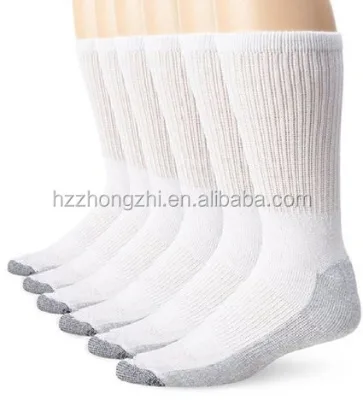
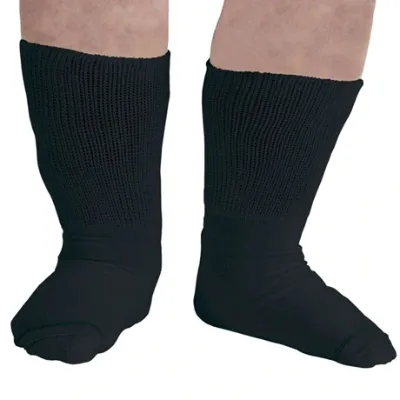
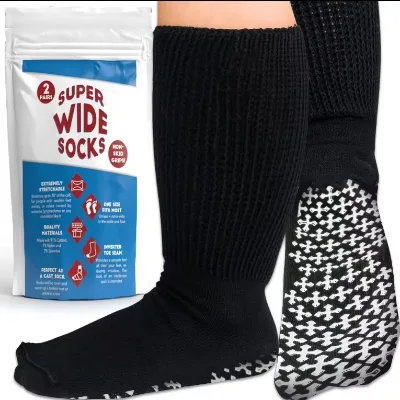


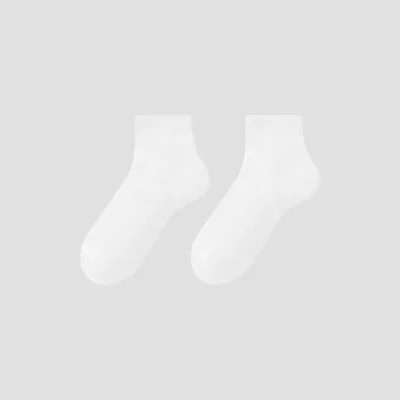
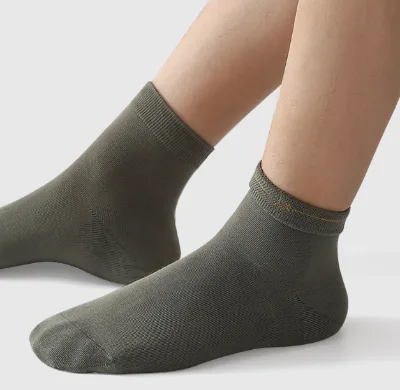


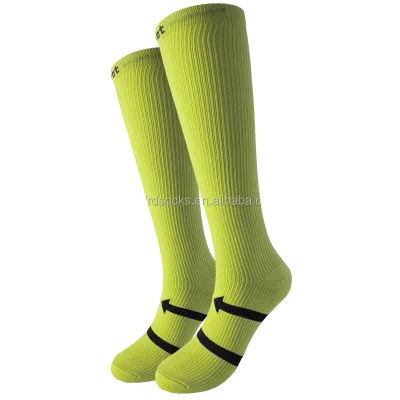

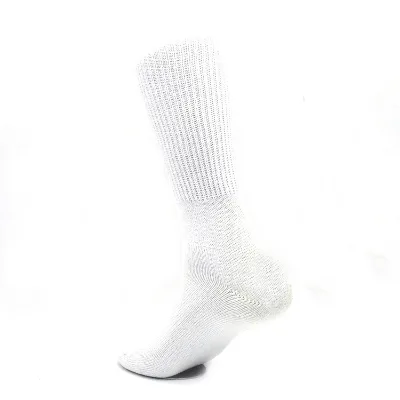
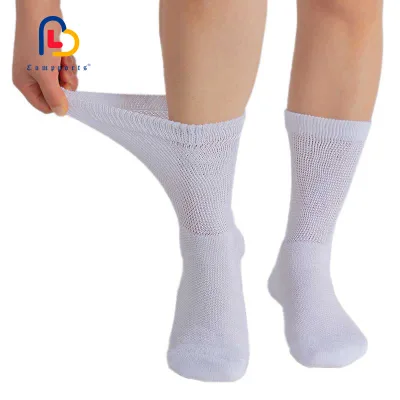
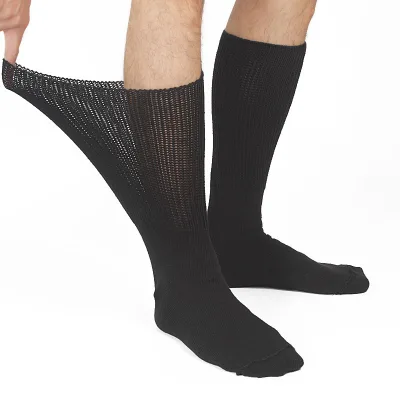
Wide Cuff Non Binding Patient Hospital Knitted Pattern Medical Diabetic Socks
$0.88 - $2.71
MOQ: 100 Pairs


Comprehensive Sourcing Guide
Silver Conductive Diabetic Socks Sourcing Guide
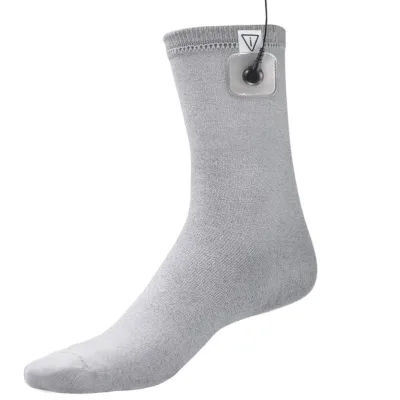
Sourcing Silver Conductive Diabetic Socks requires a nuanced understanding of both medical-grade comfort and specialized material engineering. These products are designed to address the unique needs of individuals with diabetes, particularly those experiencing peripheral neuropathy or circulation issues. The inclusion of silver fiber or conductive materials is intended to provide antibacterial properties and temperature regulation, which are critical for preventing infections and maintaining foot health in diabetic patients. Buyers must distinguish between marketing claims and verified material compositions, as the term "silver conductive" can refer to various levels of silver ion infusion or actual metallic fiber integration.
The procurement landscape for these specialized socks is characterized by a mix of OEM services and in-stock items, primarily originating from manufacturing hubs in Zhejiang, China. Suppliers often offer extensive customization options, including logo placement on the cuff, body, or bottom, and the ability to create custom designs for private labeling. However, the diversity in product specifications means that buyers must carefully verify the exact material blend, such as the common combination of cotton, polyester, nylon, and spandex, alongside the specific type of silver infusion used. This guide provides a structured approach to evaluating suppliers, verifying technical specifications, and ensuring compliance with safety standards for this sensitive product category.
Product Scope and Observed Listing Signals
The observed market signals indicate a wide range of product variations, with prices ranging from $0.5 to $13.8 per unit and minimum order quantities (MOQs) varying significantly from 2 to 1,000 pieces. This disparity suggests that the market includes both low-cost, high-volume basic items and premium, highly customized medical-grade socks. Listings frequently highlight features such as "unstimulating," "non-binding," and "arch support," which are crucial for diabetic users who require loose-fitting socks to avoid constriction and pressure points. The presence of terms like "bariatric" and "extra wide calf" indicates a specific focus on larger body types, a common demographic in diabetic care, requiring specialized sizing and construction techniques.
Material composition is a key differentiator, with some listings specifying "nylon/silver fiber infused" while others list "85% cotton + polyester + nylon + spandex" as the main material. It is essential to note that some product attributes list "copper" as a material, which may indicate a broader category of conductive socks or potential data inconsistencies in supplier listings. Buyers should prioritize suppliers who clearly define the silver content and its distribution within the fabric, as this directly impacts the antibacterial efficacy and durability of the socks. The "silver sock" feature is often highlighted as a primary selling point, but verification of the actual silver fiber percentage is necessary to ensure the product meets medical expectations for conductivity and hygiene.
Technical Specifications to Verify
Technical verification must begin with the sock type and construction details. Listings indicate a preference for "casual" and "regular" styles, with thickness described as "standard." However, for diabetic socks, the absence of tight elastic bands is critical, and buyers should verify that the "non-binding" claim is backed by specific design features, such as seamless toes or loose-knit cuffs. The size range is often listed as "customer choice" or specific ranges like "S/M," but for bariatric or extra-wide calf applications, detailed size charts are mandatory. Buyers must ensure that the supplier can accommodate the specific circumference and length requirements of their target demographic, as standard sizing may not suffice for patients with significant swelling or larger calf measurements.
The knitting technique and material blend are equally important for performance. The "knitted" technic is standard, but the integration of silver fiber must be uniform to ensure consistent antibacterial properties throughout the sock. Buyers should request samples to test the "snagging resistance" and "breathability" claims, as these are vital for daily wear. Additionally, the "needle detection" attribute is listed as "no" in some contexts, which may refer to the absence of metal needles in the final product to prevent injury, a critical safety feature for diabetic patients with reduced sensation. Verification of the single gross weight, typically around 0.046-0.050 kg, can also help assess the density and quality of the fabric, ensuring it is neither too thin nor excessively heavy.
Compliance and Safety Documentation
Compliance and safety are paramount when sourcing medical-adjacent products like diabetic socks. Buyers must verify that the supplier adheres to relevant textile safety standards, particularly regarding chemical residues and physical safety. The "needle detection" attribute suggests a focus on physical safety, but buyers should also inquire about chemical safety certifications, such as OEKO-TEX Standard 100, which ensures the absence of harmful substances in the fabric. While specific certification statuses are not provided in the observed listings, reputable suppliers should be able to provide test reports confirming that the silver infusion process does not introduce toxic chemicals into the textile.
Documentation should also cover the antibacterial claims associated with the silver fiber. Buyers must request laboratory test results that validate the antibacterial efficacy of the silver conductive material, ensuring it meets industry benchmarks for reducing bacterial growth. This is particularly important for diabetic patients who are at higher risk of foot infections. Additionally, the "customized logo" and "custom design" options should be reviewed to ensure that any added inks or materials do not compromise the safety or comfort of the sock. Buyers should also verify the "port of dispatch" and packaging details to ensure that the products are stored and shipped in conditions that maintain their integrity and hygiene.
Cost Drivers and Commercial Terms
Cost drivers for Silver Conductive Diabetic Socks include the complexity of the material blend, the level of customization, and the order volume. The observed price range of $0.5 to $13.8 reflects these variables, with lower prices likely corresponding to basic cotton blends with minimal silver content and higher prices for premium, fully customized medical-grade socks. MOQs ranging from 2 to 1,000 pieces allow for flexibility, but buyers should be aware that lower MOQs may come with higher per-unit costs. The "OEM service" and "customized brand" options add value but also increase production complexity and cost, so buyers should clearly define their customization requirements to avoid unexpected charges.
Commercial terms such as lead time and payment conditions are critical for supply chain planning. The "7 days sample order lead time" indicates a relatively quick turnaround for prototypes, which is beneficial for quality testing and design approval. However, bulk production lead times are not specified, so buyers must negotiate these terms explicitly with suppliers. The "supply ability" of 1,000,000 pairs per week suggests that large suppliers have the capacity to handle significant orders, but buyers should confirm this capacity aligns with their specific delivery schedules. Packaging details, such as "1 pair/opp bag or customer packing," also impact costs, so buyers should specify their preferred packaging to ensure it meets their retail or distribution requirements.
Supplier Qualification and Quality Control
Supplier qualification involves assessing the manufacturer's expertise in producing specialized medical textiles. Buyers should prioritize suppliers with a proven track record in diabetic or bariatric sock production, as these require specific knitting techniques and material handling to ensure comfort and safety. The "place of origin" in Zhejiang, China, is a major textile hub, but buyers must verify the supplier's specific capabilities and quality control processes. Requesting references or case studies from other medical or healthcare clients can provide insight into the supplier's reliability and product consistency.
Quality control measures should include rigorous testing of the silver fiber integration and the overall durability of the socks. Buyers should implement a sampling plan that includes testing for "anti-slip" properties, "breathability," and the integrity of the "customized logo" placement. The "single package size" and "gross weight" should be monitored to ensure consistency across batches, as variations may indicate production issues. Additionally, buyers should establish clear acceptance criteria for defects, such as snagging or uneven knitting, and communicate these standards to the supplier to minimize the risk of receiving substandard products.
Long-Term Procurement Checks
Long-term procurement success depends on continuous monitoring of supplier performance and product quality. Buyers should establish a regular review process to assess the consistency of the silver conductive properties and the durability of the socks over time. This includes tracking customer feedback and return rates to identify any emerging issues with comfort, fit, or performance. Regular audits of the supplier's quality control processes can help ensure that they maintain high standards and address any deviations promptly.
Supply chain resilience is also crucial, so buyers should diversify their supplier base to mitigate risks associated with production delays or quality issues. Maintaining open communication with suppliers regarding design updates and material innovations can help buyers stay competitive and meet evolving customer needs. Finally, buyers should periodically re-evaluate the cost structure and commercial terms to ensure they remain competitive and aligned with market conditions, adjusting their procurement strategy as necessary to optimize value and reliability.
FAQs
What material is used for these diabetic socks?
The socks are constructed from a blend of 85% cotton, polyester, nylon, and spandex, with some variants infused with silver fiber. This composition ensures durability and comfort while providing the necessary antibacterial properties for diabetic care.
Can I customize the logo and brand on these socks?
Yes, fully customized branding and logos are accepted on the cuff, body, or bottom of the socks. Buyers can choose their own brand name and design, making these products suitable for private label manufacturing and specific corporate needs.
What is the minimum order quantity for these socks?
The standard minimum order quantity is 1000 pieces for most configurations. However, some listings indicate a lower MOQ of 2 pieces for specific sample or in-stock items, depending on the supplier's current inventory and stock availability.
How long does it take to receive a sample order?
Sample orders can be supported with a lead time of 7 days for production. This quick turnaround allows buyers to verify the quality, fit, and silver fiber infusion before committing to larger bulk orders for their distribution channels.
Are these socks suitable for unisex or specific genders?
The product line includes options for unisex, men, and women, with specific designs like extra wide calf bariatric oversize crew socks. Sizes are available as customer choices, ensuring a proper fit for various foot shapes and medical requirements.
What features do these silver conductive socks offer?
These socks feature antibacterial properties, breathability, and snagging resistance due to the silver fiber infusion. They are designed with non-binding tops and arch support to prevent irritation, making them ideal for diabetic patients requiring gentle foot care.