Source Jewellery Display Stand for Retail Shops, Malls, and Exhibitions
Compare 30 verified options for the Jewellery Display Stand suitable for retail shops, shopping malls, and exhibition shows. Buyers can evaluate metal and leather materials, custom sizes, and LED lighting features to find the right solution.
Key considerations
Products List

Jewelry Display Rack Jewellery Shop Counter Design Watch Display Showcase
$1098.00 - $2999.00
MOQ: 1 Pieces






Modern Glass Display Compact Wide Modular Spacious Jewelry Display Stand
$180.00 - $280.00
MOQ: 5 Sets

Bag Cabinet Handbag Showroom Display Stand Shop Clothes Jewelry Display Cabinet
$55.00 - $199.00
MOQ: 1 Square Meters


Comprehensive Sourcing Guide
Strategic Sourcing Guide for Jewellery Display Stands
Understanding Product Variants and Core Specifications
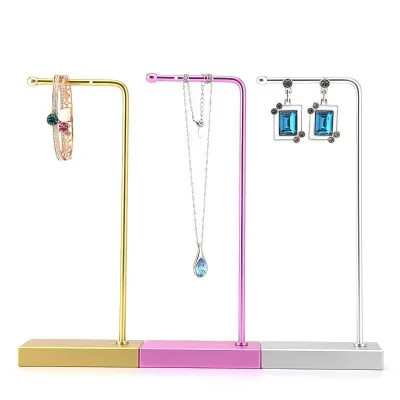
When sourcing jewellery display stands, buyers must first navigate the distinct variations in product architecture that define their utility. The market offers a spectrum of solutions ranging from compact, single-item holders to large-scale showcase units. Based on observed market data, a primary category includes metal-based display stands designed for rings, bracelets, earrings, and necklaces. These units often feature a "Noble silver" or "Rose Gold" finish, with specific model identifiers such as DB-291. The material composition is a critical differentiator; while metal stands provide durability and a premium aesthetic, other segments utilize leather or glass for specific display needs, such as jade pendant props or necklace stands.
The physical dimensions of these units vary significantly based on their intended capacity. A metal display stand might have a single package size of 62x57x35 cm and a gross weight of 21 kg, indicating a robust, heavy-duty construction suitable for high-traffic retail environments. In contrast, a leather or glass-based stand for pendants may have a much smaller footprint, with package dimensions of 8x5x12.5 cm and a gross weight of only 0.1 kg. Buyers must align these specifications with their shelf space and logistics capabilities. Furthermore, the shape of the stand is a functional variable; some units are designed with a square profile to maximize surface area, while others offer custom shapes to fit unique jewellery collections. The "Single package size" and "Single gross weight" are essential data points for calculating shipping costs and warehouse storage requirements, as these figures directly impact the landed cost of the goods.
Material Composition and Aesthetic Customization
The choice of material dictates not only the visual appeal but also the longevity and maintenance requirements of the display stand. Metal stands are frequently highlighted for their structural integrity and ability to support heavier jewellery pieces. These units often come in a variety of finishes, including Noble silver, Rose Gold, and Golden options, allowing retailers to match the display to their brand identity or current fashion trends. The "Environmental protection" and "no odor" features associated with certain metal and composite materials are significant for indoor retail environments, ensuring that the display itself does not negatively impact the customer experience or the quality of the jewellery.
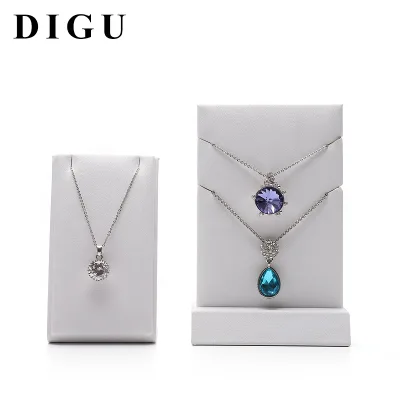
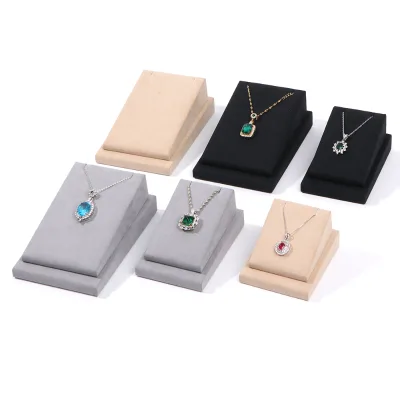
For applications requiring a softer or more tactile presentation, leather and glass materials offer distinct advantages. Leather stands, often used for jade pendants or delicate necklaces, provide a non-slip surface and a luxurious feel that complements high-value items. Glass stands are frequently specified for their clarity and ability to showcase the intricate details of the jewellery without visual obstruction. When evaluating material options, buyers should verify the specific "Product name" and "Material" attributes for each supplier listing. Customization is a prevalent feature in this sector; many suppliers accept OEM and ODM requests, allowing buyers to modify the "Furniture Back" type, "Color," and "Logo" placement. This flexibility is crucial for retailers aiming to create a cohesive brand environment. The "Style" of the stand, often described as "Modern," should also be considered to ensure it aligns with the overall interior design of the retail space.
Compliance, Certification, and Safety Standards
In the realm of B2B procurement, verifying compliance and safety standards is paramount, particularly for products intended for public display. While specific certification data may vary by supplier, buyers should be vigilant in requesting documentation regarding material safety and structural integrity. For instance, the "Environmental protection" claim observed in certain product listings suggests that the materials used may adhere to specific environmental standards, though buyers must confirm the exact nature of these claims through supplier documentation.
Safety is also a critical consideration for display units used in high-traffic areas like shopping malls and supermarkets. Some product listings explicitly mention "Antitheft" features, which are essential for protecting high-value inventory. Buyers should inquire about the specific mechanisms employed for security, such as locking systems or integrated sensors. Additionally, the "Standard" attribute for larger showcase units may reference dimensions or construction protocols, such as the 1000cm550cm950cm specification noted in some data points. However, these figures often represent custom configurations rather than universal standards. Therefore, procurement teams must verify that any claimed standards meet local building codes and safety regulations for the intended place of use, whether it be a specialty store, an exhibition show, or a retail shop.
The "prod_standard" field in supplier data often indicates whether a product is "customized" or adheres to a specific manufacturing protocol. Buyers should not assume that a "customized" standard implies a lack of quality; rather, it suggests that the product is tailored to specific client requirements. In cases where certifications like ISO 9001 are mentioned in broader market contexts, buyers should request valid, current certificates from the specific supplier to ensure that their quality management systems are up to date. Relying on general market knowledge without verifying specific supplier credentials can lead to compliance gaps.
Cost Drivers and Pricing Dynamics
The pricing of jewellery display stands is influenced by a complex interplay of factors, including material costs, customization levels, and order volume. The observed price range in the market spans from $0.20 to $10,000, reflecting the vast difference between a simple single-item stand and a large, illuminated showcase unit. Several key drivers contribute to these cost variations. The "Material" is a primary factor; metal stands with premium finishes like Rose Gold or Noble Silver typically command higher prices than basic leather or glass alternatives. The complexity of the "Model Number" and the associated engineering also play a role; units with integrated "LED" lighting or "Antitheft" mechanisms will inherently cost more due to the additional components and assembly required.
Order volume is another significant cost driver. The "MOQ" (Minimum Order Quantity) observed in the market ranges from 1 piece to 1000 pieces. Suppliers often offer tiered pricing structures where the unit cost decreases as the order quantity increases. For buyers with smaller requirements, the "Selling Units" may be listed as "Single item," but the per-unit cost will be higher. Conversely, bulk orders for "Jewelry Packaging & Display Type" units like cases and displays can benefit from economies of scale. The "Single package size" and "Single gross weight" also impact logistics costs; larger, heavier units like the 21 kg metal stands will incur higher shipping fees compared to lightweight 0.1 kg leather stands.
Buyers must also consider the cost of customization. While "Custom" and "OEM/ODM" services are widely available, they often incur additional setup fees or higher per-unit costs. The "Logo" customization and specific "Color" selections can further influence the final price. It is essential for procurement teams to request detailed quotations that break down these variables to understand the true cost of ownership. Comparing the "Recommended Use" and "Display Place" against the price can help identify the most cost-effective solution for a specific retail environment.
Typical Applications and Placement Strategies
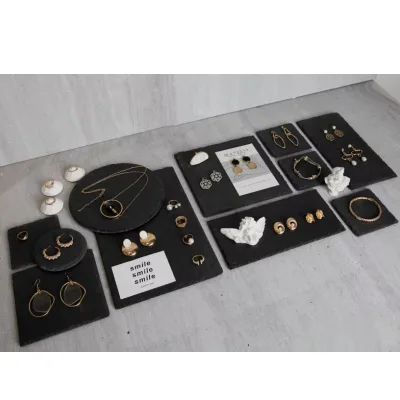
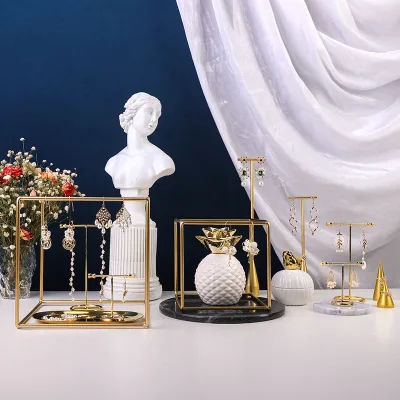
The versatility of jewellery display stands allows them to be deployed across a wide range of retail and exhibition settings. The "Usage" attributes observed in product listings highlight several key applications, including "Supermarkets and Stores," "Exhibition Shows," "Speciality Stores," and "Shopping Malls." The choice of display stand should be dictated by the specific environment and the type of jewellery being showcased. For instance, "Jewelry display holders" made of metal with a "Modern" style are well-suited for high-end retail shops and perfume shops where a sleek, professional aesthetic is required.
In contrast, "Jade pendant display props" made of leather or glass are ideal for specialty stores focusing on gemstones or delicate necklaces. The "Display Place" attribute, which includes "Indoor" locations, suggests that these units are primarily designed for controlled environments. However, the "Antitheft" feature is particularly relevant for high-traffic areas like supermarkets or exhibition shows where security is a concern. The "Light" attribute, specifically "LED" integration, is a valuable feature for retail shops and shopping malls, as it enhances the visual appeal of the jewellery and draws customer attention.
Buyers should also consider the "Recommended Use" and "Furniture Back" type when planning their store layout. Customizable back types allow for seamless integration into existing shelving units or standalone displays. The "Shape" of the stand, such as the "Square" profile, can influence how products are arranged and viewed by customers. By aligning the "Keywords" of the product, such as "Ring /bracelet/ earrings /necklace display stand," with the specific inventory needs of the store, buyers can optimize their display strategy to maximize sales and customer engagement.
Supplier Evaluation and Quality Control Protocols
Evaluating suppliers for jewellery display stands requires a rigorous approach to ensure consistency and reliability. The "Place of Origin" is a common attribute, with many suppliers located in regions like Guangdong, China, known for their manufacturing capabilities. Buyers should verify the supplier's capacity to meet the "MOQ" requirements and their ability to handle "Custom" orders. The "Brand Name" associated with the product, such as "DIGU," can serve as an indicator of the supplier's market presence, but buyers should not rely solely on brand recognition. Instead, they should request samples to assess the quality of the "Material," "Color," and "Finish."
Quality control should focus on the structural integrity of the stand, the accuracy of the "Model Number" specifications, and the durability of the "Single package size" and "Single gross weight" during transit. Buyers should verify that the "prod_packing" method, whether "Wooden Case" or "Flatted Packed," ensures the product arrives in pristine condition. The "Feature" of "Environmental protection" and "no odor" should be validated through material safety data sheets or third-party testing reports. Additionally, the "Customization" process should be closely monitored to ensure that the final product matches the design specifications, including the "Logo" placement and "Color" accuracy.
For large-scale orders, buyers should establish clear communication channels with the supplier to track production progress and address any potential issues. The "Standard" attribute, whether "customized" or specific dimensional requirements, should be agreed upon in the purchase order to avoid discrepancies. By maintaining a proactive approach to supplier evaluation and quality control, buyers can mitigate risks and ensure a steady supply of high-quality jewellery display stands.
Long-Term Procurement and Scalability Considerations
Sourcing jewellery display stands is not merely a transactional activity but a strategic decision that impacts long-term retail operations. Buyers should consider the scalability of their supply chain to accommodate future growth or seasonal fluctuations. The "MOQ" range of 1 to 1000 pieces offers flexibility, allowing buyers to start with small orders and scale up as demand increases. However, buyers must also consider the lead times associated with "Custom" orders, which may be longer than standard stock items.
The "Type" of the display stand, such as "Jewelry display holders" or "Jewelry necklace display," should be evaluated for its longevity and adaptability. A modern, versatile design can remain relevant for years, reducing the need for frequent replacements. The "Recommended Use" and "Display Place" attributes should be reviewed to ensure the stands can be easily reconfigured or relocated as the retail environment evolves. Furthermore, the "Custom" and "OEM/ODM" capabilities of the supplier should be leveraged to create a unique brand identity that distinguishes the retailer from competitors.
In the long term, buyers should build strong relationships with suppliers who demonstrate reliability, quality, and responsiveness. Regular audits and performance reviews can help maintain high standards and ensure that the supply chain remains resilient. By focusing on these strategic considerations, buyers can secure a sustainable supply of jewellery display stands that support their business objectives and enhance the customer experience.
FAQs
What materials are used for jewellery display stands?
Jewellery display stands are commonly made from metal, leather, or glass depending on the specific model. Metal stands often feature finishes like noble silver or rose gold, while leather options suit jade pendants and glass units offer clarity for necklaces.
Can I customize the logo and color of the display stand?
Yes, customization is available for logos, colors, and furniture back types. Buyers can select from options like noble silver, rose gold, or golden finishes, and request specific branding to match their retail environment or brand identity.
What is the minimum order quantity for these display stands?
The minimum order quantity can be as low as one piece for certain items. Some suppliers accept single item orders, while others may have higher thresholds depending on the specific model and customization requirements requested.
Where are these jewellery display stands manufactured?
These products originate from Guangdong, China, which is a known manufacturing hub. The location ensures access to established supply chains for metal, leather, and glass components used in various display stand models.
Do these stands include security features like anti-theft mechanisms?
Some models include anti-theft features suitable for supermarkets and exhibition shows. These security measures are designed to protect high-value inventory in high-traffic retail environments while maintaining an attractive display appearance.
What is the typical packaging method for shipping these stands?
Packaging methods vary by product type, ranging from flat-packed boxes to wooden cases. Heavy metal units may require wooden cases for protection, while smaller leather or glass items often come in standard protective packaging.
Are these display stands suitable for indoor retail environments?
Yes, these stands are designed for indoor use in shopping malls, specialty stores, and supermarkets. They feature modern styles and environmental protection properties to ensure they are safe and odorless for customer-facing retail spaces.