Source Jewelry Making Clown Pendant for Crafts, Gifts, and Decor
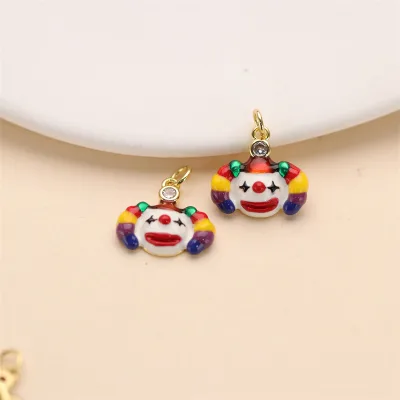
Source 30 Jewelry Making Clown Pendant options from China. Compare brass, stainless steel, and titanium materials with zircon inlays. Evaluate sizes, plating, and customization for charms and accessories.
Key considerations
Products List






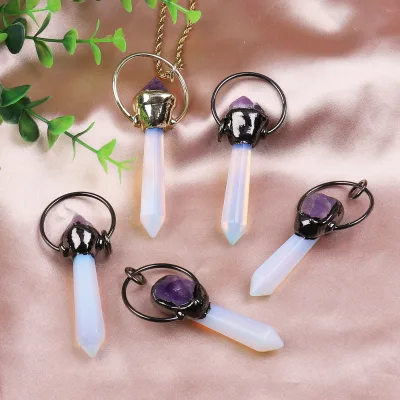
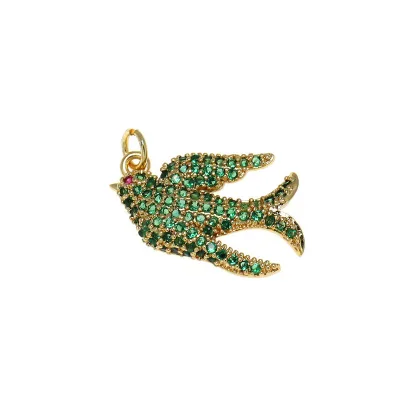
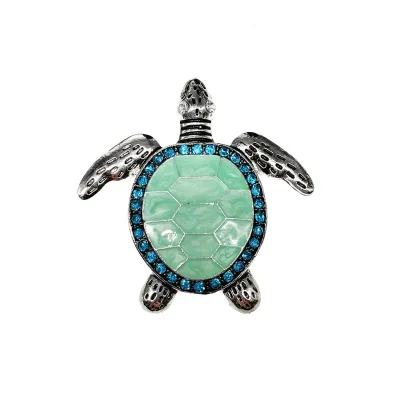


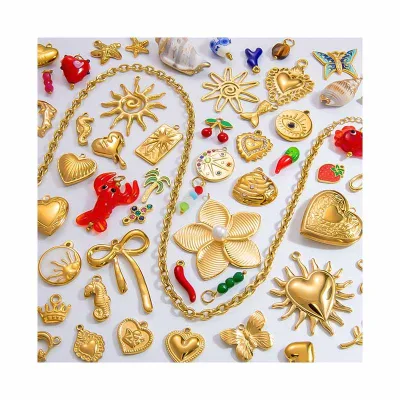


Comprehensive Sourcing Guide
Jewelry Making Clown Pendant Sourcing Guide
Sourcing decorative pendants for jewelry making requires a nuanced understanding of material properties, aesthetic consistency, and supply chain reliability. The market for novelty items, such as clown-themed charms, often intersects with fashion accessories that prioritize visual appeal and affordability over heavy-duty durability. Buyers must navigate a landscape where aesthetic variations are common, and material compositions can range from base metals to stainless steel or titanium, depending on the target demographic and price point. This guide provides a structured approach to evaluating listings, verifying technical specifications, and ensuring compliance with safety standards for these specific decorative components.
The procurement process for these items involves balancing creative design requirements with practical manufacturing constraints. Observations from current market listings indicate a wide variance in product attributes, including shape, plating, and stone inclusions. While some items are marketed with specific themes like "clown" or "cute" styles, others may be generic round charms with silver or gold plating. Understanding these distinctions is critical for aligning supplier capabilities with your brand’s identity. This guide focuses on evidence-based verification steps to help buyers mitigate risks associated with inconsistent quality, unclear material definitions, and potential compliance gaps in the decorative jewelry sector.
Product Scope and Observed Listing Signals
The current market for decorative pendants exhibits significant diversity in design themes and material compositions. Listings frequently feature novelty shapes, including clown figures, alongside more traditional geometric forms like round charms. These items are often categorized under broader jewelry types such as pendants or charms, intended for use in DIY jewelry making, keychains, or fashion accessories. The observed product range includes variations in size, with dimensions ranging from approximately 15x8x8 cm packages to specific charm sizes like 19x16mm or 25.5x19.5mm. Buyers should note that "clown" or "cute" designations are aesthetic descriptors rather than standardized industry terms, requiring careful visual verification of supplier samples.
Material specifications vary widely across listings, with brass, stainless steel, and titanium being commonly cited options. Plating options such as silver and gold are prevalent, often applied to enhance the visual appeal of the base metal. Some listings highlight the inclusion of zircon stones using micro-insert inlay technology, adding a layer of complexity to the manufacturing process. It is essential to distinguish between the core material and the surface finish, as these attributes directly impact durability, weight, and cost. The presence of multiple material types in a single supplier’s catalog suggests a flexible manufacturing capability, but it also necessitates rigorous specification checks to ensure the delivered goods match the ordered material exactly.
Technical Specifications to Verify
Verifying the physical and technical attributes of pendants is crucial for ensuring they meet your design and functional requirements. Key specifications to confirm include the exact dimensions, weight, and rod diameter if the pendant is designed for attachment to chains or cords. For instance, some listings specify a rod diameter of 1.2mm, which is critical for compatibility with standard jewelry findings. Buyers should request detailed technical drawings or precise measurements for each size variant, as nominal descriptions like "No.1" or "No.2" can be ambiguous without corresponding millimeter dimensions. Consistency in size and weight is particularly important for bulk orders to ensure uniformity in the final assembled jewelry pieces.
The manufacturing process and surface treatment also require close scrutiny. Techniques such as polishing and micro-insert inlay affect both the aesthetic quality and the structural integrity of the pendant. Buyers should verify the plating thickness and adhesion quality, especially for items marketed with claims of "no discoloration" or "no irritation." These claims imply a certain level of quality control, but they must be validated through sample testing. Additionally, the packaging specifications, such as OPP bags or specific carton dimensions, should be confirmed to ensure they align with your logistics and storage requirements. Clear communication of these technical details with the supplier can prevent misunderstandings and reduce the risk of receiving non-conforming products.
Compliance and Safety Documentation
Compliance with safety standards is paramount when sourcing jewelry components, particularly those intended for personal wear. Buyers should request relevant certification documents, such as SGS or BV reports, to verify that the materials and finishes meet international safety regulations. These certifications often cover aspects like heavy metal content, lead levels, and nickel release, which are critical for preventing skin irritation and ensuring consumer safety. While some listings mention certifications, buyers must verify the validity and scope of these documents to ensure they apply to the specific materials and products being ordered.
In addition to material safety, buyers should consider the environmental and ethical implications of their sourcing decisions. Some listings highlight features such as "eco-friendly" materials or processes, which may appeal to environmentally conscious consumers. However, these claims should be substantiated with verifiable evidence, such as material safety data sheets or third-party environmental certifications. Buyers should also ensure that the supplier adheres to responsible manufacturing practices, including proper waste management and labor standards. By prioritizing compliance and sustainability, buyers can mitigate reputational risks and align their procurement strategies with global market trends.
Cost Drivers and Commercial Terms
The cost of decorative pendants is influenced by several factors, including material type, plating quality, and manufacturing complexity. Brass and stainless steel are generally more cost-effective than titanium, while the inclusion of zircon stones and micro-insert inlay technology can increase production costs. Buyers should analyze the price-to-quality ratio carefully, considering that lower prices may correlate with thinner plating or less durable materials. Understanding these cost drivers allows buyers to make informed decisions about budget allocation and product positioning.
Commercial terms, such as minimum order quantities (MOQ) and payment conditions, also play a significant role in the procurement process. Observed MOQs can range from small quantities suitable for sampling to larger volumes for bulk production. Buyers should negotiate terms that align with their inventory management strategy and cash flow requirements. Additionally, shipping methods and lead times should be clearly defined to ensure timely delivery. Flexibility in customization options, such as OEM/ODM services, may incur additional costs but can provide a competitive advantage by allowing for unique product designs.
Supplier Qualification and Quality Control
Evaluating supplier qualifications is essential for establishing a reliable supply chain. Buyers should assess the supplier’s manufacturing capabilities, quality control processes, and track record in producing decorative jewelry components. Suppliers with experience in handling multiple materials and complex designs are often better equipped to meet diverse customer requirements. Verification of the supplier’s location, such as Guangdong or Guangzhou in China, can provide insights into their proximity to raw material sources and manufacturing hubs, which may impact lead times and logistics costs.
Implementing a robust quality control process is critical to ensuring product consistency and meeting quality standards. Buyers should request pre-production samples for approval and conduct random inspections during production. Establishing clear acceptance criteria for defects, such as plating imperfections or dimensional inaccuracies, helps maintain quality standards. Regular communication with the supplier regarding quality issues and feedback can foster a collaborative relationship and drive continuous improvement. By prioritizing supplier qualification and quality control, buyers can reduce the risk of receiving substandard products and enhance customer satisfaction.
Long-Term Procurement Checks
Sustaining a successful procurement strategy for decorative pendants requires ongoing monitoring and evaluation of supplier performance. Buyers should regularly review key performance indicators, such as on-time delivery rates, product quality consistency, and responsiveness to issues. Establishing a long-term partnership with reliable suppliers can lead to better pricing, priority production slots, and improved service levels. Continuous engagement with suppliers to discuss market trends, new materials, and design innovations can also provide opportunities for product differentiation and growth.
Adapting to changing market demands and regulatory requirements is essential for long-term success. Buyers should stay informed about updates in safety standards, environmental regulations, and consumer preferences. Regularly updating product specifications and compliance documentation ensures that the sourced items remain relevant and compliant. By maintaining a proactive approach to procurement management, buyers can mitigate risks, optimize costs, and build a resilient supply chain that supports their business objectives in the competitive jewelry making market.
FAQs
What materials are used for the clown pendant charms?
The clown pendant charms are crafted from brass, stainless steel, and titanium. These materials ensure durability and resistance to discoloration or irritation. The design features micro insert inlay technology with zircon stones for added aesthetic appeal.
Can I customize the size and plating of the pendants?
Yes, customization is available for size and plating options. The product offers silver plating and various dimensions such as 19x16mm or 25.5x19.5mm. Buyers can request specific sizes like 1.2mm rod diameter or customized gold finishes to meet unique design needs.
Which certifications do the jewelry making clown pendants hold?
The pendants hold SGS and BV certifications to ensure quality and safety standards. These certifications verify the material integrity and manufacturing processes. Buyers can rely on these documented standards when sourcing for commercial or retail jewelry projects.
How is the single package size and weight defined?
Each single item is packaged in an OPP bag with dimensions of 15x8x8 cm. The single gross weight is recorded at 0.500 kg per package. This packaging ensures safe transport while maintaining the structural integrity of the pendant charms during shipping.
What is the minimum order quantity for these charms?
The minimum order quantity ranges from 2 to 300 units depending on the specific supplier and customization level. Buyers can negotiate based on their volume needs while ensuring the product meets the required specifications for jewelry making projects.
Where are the jewelry making clown pendants manufactured?
The pendants are manufactured in Guangdong and Guangzhou, China. These locations are known for their established jewelry production capabilities. Buyers can expect efficient logistics and reliable supply chains from these established manufacturing hubs.
Which shipping methods are available for delivery?
Available shipping methods include DHL, FedEx, TNT, and UPS Express. These carriers ensure fast and secure delivery of the pendant charms to global destinations. Buyers can select the most suitable option based on their urgency and budget requirements.