Source Jewelry Making Glass Beads for Garment and Handbag Use
Find 30 options for Jewelry Making Glass Beads in various sizes and styles. Compare crystal and lampwork materials, toothed wheel and faceted shapes, and packaging details to select the right craft supplies for your artistic projects.
Key considerations
Products List


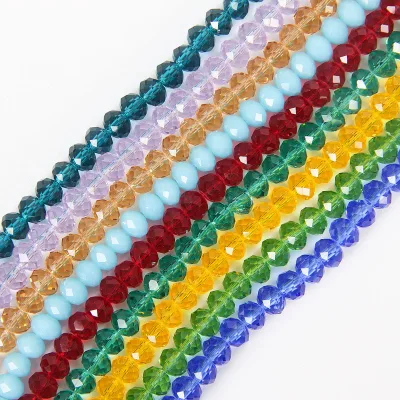
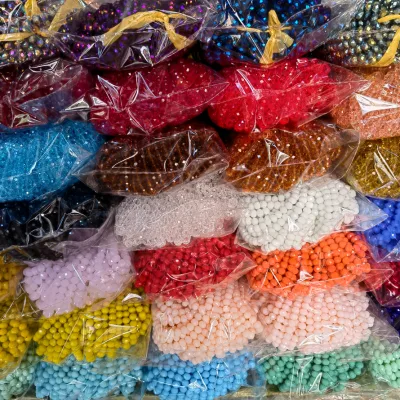


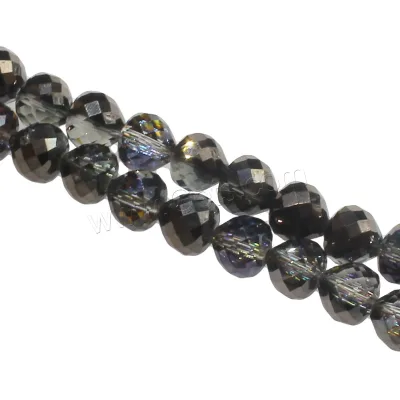
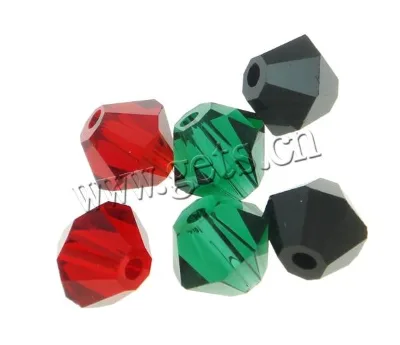






Comprehensive Sourcing Guide
Jewelry Making Glass Beads Sourcing Guide
Sourcing high-quality glass beads for jewelry making requires a nuanced understanding of material properties, manufacturing techniques, and commercial terms. The global market for these components is vast, with suppliers primarily located in China, particularly in regions like Jiangsu and Zhejiang, which are known for their established glassware and bead manufacturing clusters. Buyers must navigate a landscape where "glass" and "crystal glass" are often used interchangeably in listings, yet represent distinct quality tiers and price points. Understanding these distinctions is critical for aligning procurement with the final product’s market positioning, whether it targets mass-market fashion accessories or high-end artisanal jewelry.
The procurement process involves verifying specific technical attributes that directly impact the usability and aesthetic appeal of the beads. Factors such as shape, size standardization, and surface finish determine how the beads perform during stringing, weaving, or setting. Furthermore, the availability of customization options allows brands to tailor components to specific design needs, but this introduces complexity in quality control and lead time management. This guide provides a structured approach to evaluating suppliers, ensuring that the selected beads meet both functional requirements and aesthetic expectations while maintaining commercial viability.
Product Scope and Observed Listing Signals
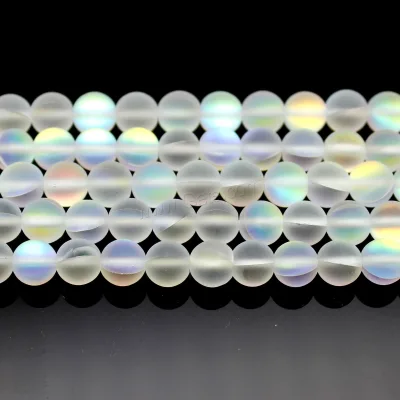
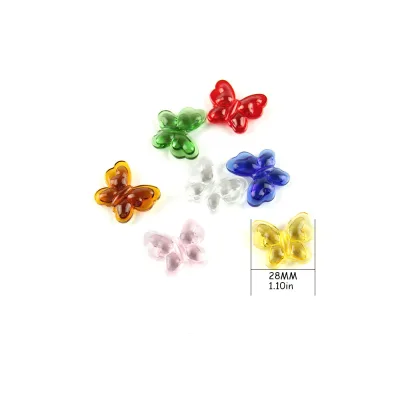
The observed product scope for Jewelry Making Glass Beads encompasses a wide variety of forms, including round, square, faceted, and toothed wheel styles. Listings indicate that these beads are categorized as crafts or decorative items, with applications extending beyond jewelry to include garment accessories, handbag embellishments, and general artistic decoration. The material composition is predominantly glass, with some listings specifying "crystal glass" or "lampwork & glass" for loose beads, suggesting a range from standard soda-lime glass to higher-refractive-index lead-free or leaded crystal alternatives. Buyers should note that while the core material is consistent, the visual and tactile qualities can vary significantly based on the specific glass formulation and finishing techniques employed by the manufacturer.
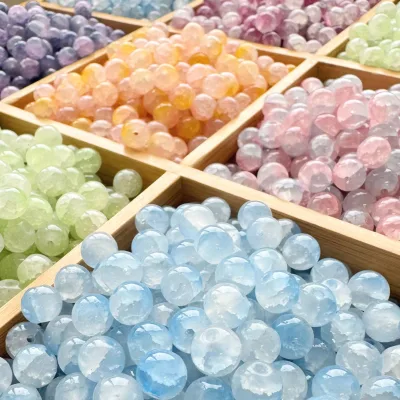
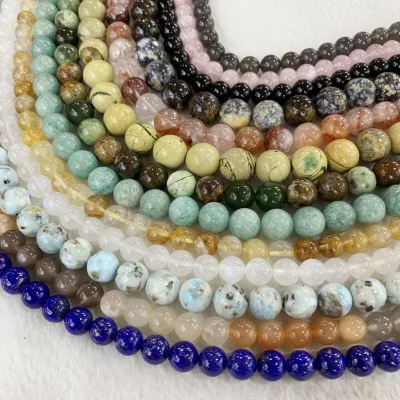
Size and standardization are critical signals in product listings, with common standards including 15/0, 12/0, 8/0, and 6/0, which correspond to specific millimeter diameters such as 1.5mm, 1.9mm, 3.0mm, and 3.6mm respectively. Additionally, non-standard sizes like 2mm, 3mm, and 10mm are frequently available, catering to diverse design requirements. The color palette is extensive, ranging from solid colors like black, white, and various shades of blue and green to multi-color assortments and specialized finishes like jade, aquamarine, and metallic peach tones. Buyers must carefully review the "Choose Colors" or specific color lists provided in listings, as availability can fluctuate based on production batches and supplier inventory levels.
Technical Specifications to Verify
Verifying the precise dimensions and shape consistency is paramount for ensuring uniformity in finished jewelry pieces. The technical specifications often list sizes in both fractional standards (e.g., 8/0) and metric measurements (e.g., 3.0mm), but discrepancies can occur between listed and actual dimensions. Buyers should request physical samples to measure the actual diameter and hole size, particularly for small sizes like 15/0 or 12/0, where tolerance variations can affect stringing ease and final appearance. The shape, whether round, faceted, square, or toothed wheel, must also be inspected for symmetry and sharpness, as irregularities can lead to snagging during assembly or an uneven look in the final product.
Surface finish and material clarity are other key technical aspects that require verification. Faceted beads should exhibit consistent cut angles to maximize light reflection, while round beads should be smooth and free of bubbles or inclusions that detract from their aesthetic value. The distinction between "crystal glass" and standard "glass" should be clarified, as crystal glass typically offers higher brilliance and weight. Additionally, the hole size and drilling quality are crucial; poorly drilled holes can cause beads to break during stringing or result in uneven spacing. Buyers should confirm whether the beads are drilled through the center or if alternative drilling methods are used, as this impacts the bead's structural integrity and visual balance.
Compliance and Safety Documentation
While specific certification statuses are not universally guaranteed for all glass beads, buyers must ensure that the materials comply with relevant safety standards for consumer products, particularly if the jewelry is intended for children or sensitive skin. In the European Union, compliance with EN 1423 for glass articles is a relevant benchmark, though buyers should verify if this standard applies to their specific product category and target market. For international sales, adherence to REACH regulations regarding restricted substances is essential, ensuring that the glass and any coatings or dyes used do not contain harmful levels of lead, cadmium, or other heavy metals.
Documentation should also cover the safety of the packaging materials, especially if the beads are packed in polybags or cartons that come into direct contact with the product. Buyers should request material safety data sheets (MSDS) or declarations of conformity from suppliers to confirm that the glass beads are free from toxic substances. Additionally, if the beads are marketed as "crystal" or "lead crystal," buyers must verify the actual lead content, as mislabeling can lead to regulatory penalties and reputational damage. Clear communication with suppliers regarding compliance requirements and the provision of necessary test reports is a critical step in mitigating legal and safety risks.
Cost Drivers and Commercial Terms
The cost of Jewelry Making Glass Beads is influenced by several factors, including material quality, size, color complexity, and order volume. Smaller sizes like 15/0 and 12/0 often command higher prices per unit due to the increased labor and precision required in their manufacturing. Multi-color assortments and specialized finishes, such as jade or metallic tones, may also carry a premium compared to standard solid colors. Buyers should analyze the price range observed in listings, which can vary from low-cost bulk items to higher-priced artisanal beads, to determine the appropriate budget for their specific product line.
Commercial terms, including minimum order quantities (MOQ) and packaging details, significantly impact the total cost of ownership. MOQs can range from as low as 10 strands for small orders to 10,000 units for bulk purchases, allowing flexibility for both small businesses and large manufacturers. Packaging options, such as polybags, bubble bags, or loose cartons, affect shipping costs and handling efficiency. Buyers should negotiate terms that balance cost efficiency with quality assurance, considering factors like delivery time, which can range from 3-7 days for standard items to longer periods for customized orders. Understanding these variables helps in forecasting total landed costs and optimizing inventory management.
Supplier Qualification and Quality Control
Qualifying suppliers for glass beads involves assessing their manufacturing capabilities, quality control processes, and reliability. Buyers should prioritize suppliers with established production facilities in known manufacturing hubs like Jiangsu or Zhejiang, as these regions often have mature supply chains and experienced workforces. Verification of the supplier’s ability to handle customization requests, such as specific colors or shapes, is essential for brands seeking unique product offerings. Requesting references or case studies from previous clients can provide insights into the supplier’s consistency and responsiveness.
Quality control measures should be clearly defined and agreed upon before placing orders. This includes establishing acceptable tolerance levels for size and shape, as well as criteria for surface defects and color consistency. Buyers should implement a sampling process, where initial orders are thoroughly inspected before full-scale production begins. Regular audits or third-party inspections can further ensure that the supplier maintains consistent quality over time. Clear communication channels and defined escalation procedures for quality issues are also vital for maintaining a productive and reliable supplier relationship.
Long-Term Procurement Checks
Long-term procurement success with glass beads requires ongoing monitoring of supplier performance and market trends. Buyers should regularly review supplier delivery times, order accuracy, and responsiveness to issues to ensure that the partnership remains beneficial. Tracking changes in material costs and market availability can help in anticipating price fluctuations and adjusting procurement strategies accordingly. Additionally, staying informed about emerging trends in jewelry design, such as new color palettes or bead shapes, allows buyers to proactively source innovative components that meet evolving consumer demands.
Sustainability and ethical sourcing practices are increasingly important in the jewelry industry. Buyers should inquire about the environmental impact of the glass production process and the supplier’s efforts to minimize waste and energy consumption. Verifying that the supplier adheres to ethical labor practices is also crucial for maintaining brand integrity. By integrating these long-term checks into their procurement strategy, buyers can build resilient supply chains that support both business growth and responsible sourcing practices.
FAQs
What materials are used for these Jewelry Making Glass Beads?
The beads are primarily made from crystal glass and standard glass materials. Some listings also include lampwork glass as a component. These materials support various artistic and garment applications.
Which shapes are available for the glass beads?
Available shapes include toothed wheel style, square style, faceted, and round shapes. Specific sizes range from 2mm to 10mm depending on the product model. Buyers can choose from multiple geometric configurations.
Can I customize the color of the glass beads?
Yes, customization is available for the bead colors. Options include multi-colors, black, white, purple, and various jade tones. Buyers can select specific shades to match their design requirements.
What is the minimum order quantity for these beads?
The minimum order quantity varies by product, ranging from 1 to 10,000 units. Some specific items require a minimum of 10 strands. Buyers should check individual product pages for exact MOQ values.
How are the glass beads packaged for shipment?
Packaging options include polybags, cartons with polybags, and loose packages weighing 25kg. Specific items may be packed as 450g or 500g per bag. Standard export cartons are also used for bulk orders.
Where are these Jewelry Making Glass Beads manufactured?
The products originate from China, specifically from Jiangsu and Zhejiang provinces. These regions are known for producing glass beads with various specifications. Buyers can expect consistent manufacturing standards from these locations.
What are the standard sizes for the glass beads?
Standard sizes include 12/0, 8/0, 6/0, 15/0, and metric measurements like 2mm or 3mm. Some products also offer 10mm diameters. The size selection depends on the specific product model and intended use.