Source Jeweled Plated Candle Pin for Home Decor, Gifts, and Events
Source Jeweled Plated Candle Pin options from 30 verified listings. Compare zinc alloy butterfly and rabbit designs with antique silver or gold finishes. Evaluate MOQs, packaging details, and customization capabilities for home decoration gifts and event supplies; compare the available evidence and request quotations based on your requirements.
Key considerations
Products List


Comprehensive Sourcing Guide
Jeweled Plated Candle Pin Sourcing Guide
Sourcing jeweled plated candle pins requires a nuanced understanding of decorative hardware that bridges functional utility with aesthetic appeal. These items serve as both practical accessories for securing fabric or paper and as standalone decorative elements for home interiors. Buyers must distinguish between standard metal pins and those enhanced with plating or embedded embellishments, as the latter often involve more complex manufacturing processes. The visual impact of the plating and any attached jewels dictates the final retail value, making material selection a critical first step in the procurement strategy.
The market for these specialized pins is diverse, ranging from simple vintage-style designs to intricate animal or butterfly motifs. Procurement teams should evaluate the intended end-use, whether for fashion accessories, gift packaging, or home decor, to determine the appropriate level of finish and durability. Understanding the specific aesthetic requirements, such as antique silver or gold tones, helps in filtering suppliers who possess the necessary die-casting and stamping capabilities. This initial alignment ensures that the selected products meet both functional standards and brand identity expectations.
Product Scope and Observed Listing Signals
Current market listings reveal a wide variance in product attributes, indicating a fragmented supplier base with differing specializations. Observed data shows a price range from $0.15 to $15 USD, reflecting differences in material quality, plating thickness, and decorative complexity. Minimum order quantities (MOQs) vary significantly, starting from as low as 5 pieces for sampling or small boutique orders up to 20,000 pieces for large-scale industrial procurement. This disparity suggests that buyers can access flexible supply chains but must carefully match their volume requirements with supplier capabilities to avoid excessive per-unit costs.
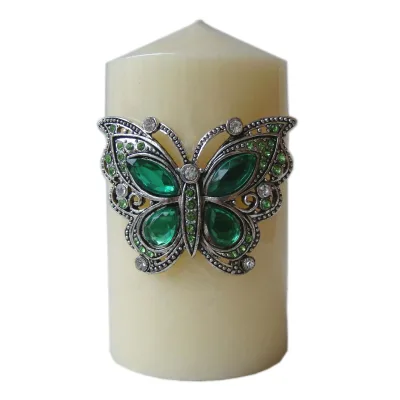
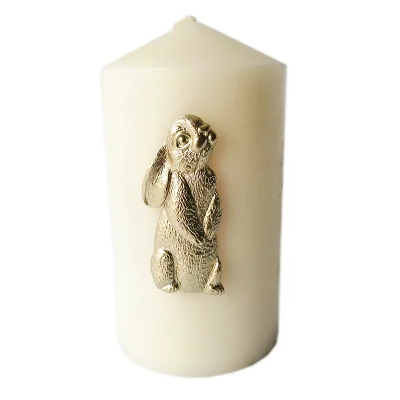
Specific product examples highlight the diversity in design and specification. For instance, one observed model features a butterfly shape with antique silver plating and digital printing, while another presents a rabbit motif with nickel plating and painted details. These variations underscore the importance of verifying exact specifications, as attributes like shape, color, and technique are not uniform across all listings. Buyers should treat these observed attributes as specific examples rather than industry-wide standards, ensuring that their procurement contracts explicitly define the desired aesthetic and functional characteristics.
Technical Specifications to Verify
Material composition is a primary technical factor, with zinc alloy and metal being common substrates for these decorative pins. Buyers must verify the specific alloy grade and thickness to ensure durability and resistance to bending or breaking under normal use. The plating process, whether antique silver, gold, or nickel, significantly affects both appearance and corrosion resistance. It is essential to confirm the plating method, such as electroplating or physical vapor deposition, as this influences the longevity of the finish and its resistance to tarnishing over time.
Dimensional accuracy and packaging details are equally critical for logistics and retail readiness. Observed sizes range from compact 2.7cm heights to larger 6.4cm lengths, requiring precise measurement verification to ensure compatibility with intended applications. Packaging methods, including white boxes, bubble bags, and polyfoam inserts, protect the delicate plating and jewels during transit. Buyers should specify single gross weights and inner carton quantities to optimize shipping costs and ensure that the final product arrives in pristine condition, ready for immediate display or distribution.
Compliance and Safety Documentation
Safety compliance is paramount, particularly regarding the use of heavy metals in plating and any attached decorative elements. Buyers must request documentation confirming that the products adhere to relevant chemical restrictions, such as REACH regulations in the European Union or similar standards in other markets. This includes verifying limits on lead, cadmium, and nickel release, which are common concerns in plated metal goods. Ensuring that the supplier provides up-to-date test reports from accredited laboratories is essential to mitigate regulatory risks and protect brand reputation.
Additionally, general product safety certifications, such as CE marking where applicable, should be reviewed to confirm adherence to broader safety directives. While specific test results may vary by supplier, buyers should establish a baseline requirement for third-party verification of material safety. This due diligence helps prevent potential recalls or legal issues associated with non-compliant materials. Procurement teams should also consider the environmental impact of the plating process, seeking suppliers who employ eco-friendly practices to align with growing consumer demand for sustainable manufacturing.
Cost Drivers and Commercial Terms
Several factors influence the final cost of jeweled plated candle pins, including material costs, plating complexity, and order volume. Zinc alloy prices fluctuate with global metal markets, directly impacting the base cost of the product. The addition of plating, especially in antique or multi-tone finishes, adds significant labor and chemical costs. Furthermore, any custom logo application, such as soft enamel, hard enamel, or laser engraving, introduces additional setup and production expenses that must be factored into the total budget.
Commercial terms, including lead times and payment structures, vary widely among suppliers. Typical sample delivery times range from 7 to 15 days, while production lead times can extend from 12 to 15 days or longer depending on order size. Buyers should negotiate clear terms for sample approval and bulk production schedules to avoid delays. Supply ability, observed at rates like 576 or 1008 pieces per day, indicates production capacity but should be validated against current order backlogs to ensure timely delivery.
Supplier Qualification and Quality Control
Evaluating supplier qualifications involves assessing their manufacturing capabilities, particularly in die casting and stamping techniques. Buyers should verify that the supplier has experience in producing intricate shapes, such as animals or butterflies, which require precise tooling and skilled labor. OEM/ODM acceptance is a positive indicator of flexibility, but it is crucial to confirm their ability to maintain consistency across large batches. Requesting references or case studies of similar projects can provide insight into their reliability and quality standards.
Quality control processes must be rigorously defined to ensure product consistency. Key inspection points include checking for plating defects, such as uneven coverage or peeling, and verifying the secure attachment of any jewels or decorative elements. Buyers should implement a pre-shipment inspection protocol that includes random sampling from production batches. Establishing clear acceptance criteria for cosmetic and functional defects helps minimize the risk of receiving substandard goods and ensures that the final products meet the specified aesthetic and durability requirements.
Long-Term Procurement Checks
Building a sustainable supply chain requires ongoing monitoring of supplier performance and market trends. Regular audits of production facilities can help identify potential issues before they impact delivery schedules or product quality. Buyers should maintain open communication with suppliers to stay informed about changes in material costs or manufacturing techniques that could affect pricing or availability. This proactive approach allows for better planning and negotiation of long-term contracts with favorable terms.
Continuous improvement in product design and compliance is also essential for long-term success. As consumer preferences evolve, buyers should work with suppliers to innovate on materials and finishes, such as introducing more durable plating or eco-friendly packaging. Staying updated on regulatory changes ensures that products remain compliant in target markets. By fostering a collaborative relationship with qualified suppliers, buyers can secure a reliable source of high-quality jeweled plated candle pins that meet both current and future business needs.
FAQs
What materials are used for jeweled plated candle pins?
These candle pins are primarily crafted from zinc alloy or metal, ensuring durability and a premium feel. The surface features antique silver or nickel plating, often enhanced with digital or UV printing techniques. Some variants include painted or embossed details, providing a vintage aesthetic suitable for home decoration gifts and secure attachment via safety pins.
Can I customize the logo on these candle pins?
Yes, customized logos are acceptable for these products. Manufacturers typically offer options such as soft enamel, hard enamel, embossed, or laser engraving to match your brand identity. This customization is available for both butterfly and rabbit-shaped designs, allowing for unique branding on home decoration gifts while maintaining the high-quality plated finish and durable metal construction.
What is the typical lead time for production?
The standard delivery time is 12-15 days for production after sample approval. Sampling itself usually takes 7-15 days to complete. This timeline allows for quality checks on the plated finish and printing details. Buyers should plan accordingly, as the supply ability varies by design, with some items producing up to 1008 pieces per day depending on the specific model and complexity.
How are the candle pins packaged for shipping?
Each piece is individually protected with white polyfoam and a bubble bag before being placed in a white box. Inner cartons typically hold 12 pieces, while master cartons contain 144 pieces. This robust packaging ensures the delicate plated surfaces and 3D shapes remain undamaged during transit, making it suitable for bulk orders of home decoration gifts and retail distribution.
What shapes and colors are available for these pins?
Available shapes include butterfly and rabbit designs, catering to animal-style aesthetics. Colors range from gold, green, and purple to silver options. The butterfly variant often features antique silver plating with digital printing, while the rabbit style may use nickel plating with painted details. These variations allow buyers to select specific styles that best fit their target market preferences.
What is the minimum order quantity for these items?
The minimum order quantity is generally 500 pieces, though some listings indicate a range from 5 to 20,000 pieces depending on the supplier. This flexibility allows for both small trial orders and large bulk purchases. Buyers should verify the specific MOQ with the manufacturer, as it may vary based on the chosen customization options, packaging requirements, and production capacity.