Source Kids Surf Poncho for Beach, Sports, and Home Use
Compare 30 verified listings for Kids Surf Poncho featuring quick-dry microfiber and custom printing options. Buyers can evaluate sizes, GSM weights, and packaging styles from suppliers in China to find suitable options for beach, sports, and hotel applications; compare the available evidence and request quotations based on your requirements.
Key considerations
Products List


Customized Hooded Surfing Poncho with Design Printing Recycled Beach Poncho
$3.30 - $8.88
MOQ: 300 Pieces

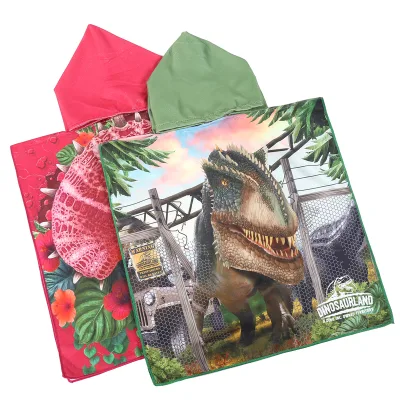

Adult Girls Beach Towel Quick Dry Surf Poncho for Surfing Beach Swimming
$3.50 - $5.00
MOQ: 100 Pieces


Custom Logo Keep Warm Adult Kids Surf Beach Swim Changing Robe Waterproof Poncho
$26.00 - $32.00
MOQ: 100 piece

Wholesale Custom Printed Suede Micforfiber Hooded Kids Beach Towel Poncho
$5.20 - $6.30
MOQ: 100 Pieces


Custom Adult Kids Long Sleeve Waterproof Beach Surf Poncho Swim Dry Changing Robe
$27.00 - $32.00
MOQ: 50 Pieces

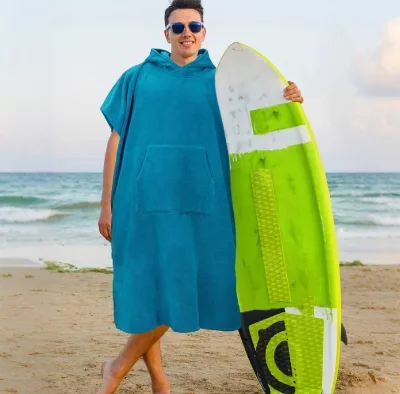


Comprehensive Sourcing Guide
Kids Surf Poncho Sourcing Guide
Sourcing children’s surf ponchos requires balancing rapid moisture management with durable, child-safe construction. The market offers distinct variations, ranging from plain dyed microfiber options to printed polyester models featuring ultra-soft towel textures. Buyers must distinguish between standard beach towels and specialized poncho designs that provide coverage and warmth after water activities. Understanding these material and style differences is critical for selecting products that meet specific brand positioning and functional requirements.
Procurement teams should evaluate customization capabilities alongside basic product attributes. Many suppliers support logo printing, embroidery, and custom jacquard designs, allowing for strong brand integration. Size ranges typically include standard dimensions like 50x110cm or 60x120cm, with custom sizing available for specialized fits. Verifying the gram weight, often between 300-400 GSM, ensures the product provides adequate absorbency without becoming overly heavy when wet, which is essential for young users.
Product Scope and Observed Listing Signals
The current market landscape includes products explicitly labeled as children’s poncho towels, often marketed for beach, hotel, and home use. Observed listings highlight features such as quick-dry technology, mothproof properties, and hypoallergenic materials. These signals indicate a focus on hygiene and comfort, which are paramount for pediatric products. Buyers should note that while some items are described as "plain," others offer printed patterns or custom designs, catering to diverse aesthetic preferences in the youth apparel sector.
Commercial signals reveal a wide price range and flexible minimum order quantities, suggesting a competitive and accessible supply base. Products are frequently packed in OPP bags, mesh bags, or paper boxes, indicating readiness for retail display or bulk shipping. The presence of OEM/ODM support and sample availability allows buyers to validate quality before committing to large orders. These factors collectively suggest a mature supply chain capable of handling both small boutique orders and large-scale corporate procurement needs.
Technical Specifications to Verify
Material composition is a primary technical consideration, with microfiber and 100% polyester being the most common choices. Microfiber variants often emphasize eco-friendly and antimicrobial traits, while polyester options may focus on durability and colorfastness. Buyers must verify the specific fabric weight, typically ranging from 300 to 600 GSM, to ensure the poncho is neither too thin nor excessively bulky. Confirming the exact GSM helps predict drying time and thermal retention, which are key performance indicators for surf gear.
Dimensional accuracy and construction techniques also require strict verification. Standard sizes like 70x70cm or larger rectangular formats are common, but custom dimensions are frequently requested. Technical specs should include details on edging, hood construction, and closure mechanisms if applicable. Additionally, verifying the single package size and weight aids in calculating logistics costs and storage requirements. Ensuring that the product meets the stated standard, whether it is a fixed size or a customized specification, prevents fulfillment errors.
Compliance and Safety Documentation
Safety compliance is non-negotiable for children’s products, requiring rigorous documentation from suppliers. Buyers must request test reports that verify the absence of harmful substances, such as heavy metals or formaldehyde, in the fabrics and dyes. While some listings mention general certifications, specific standards like GOTS or regional safety regulations must be confirmed through official documentation. Relying on unverified claims can expose brands to significant legal and reputational risks in international markets.
Environmental and ethical certifications add value but require independent verification. Claims of eco-friendly materials should be backed by recognized standards to avoid greenwashing accusations. Buyers should inquire about the dyeing processes used, particularly for printed or plain dyed items, to ensure they meet environmental discharge regulations. Establishing a clear compliance framework early in the sourcing process ensures that all products meet the safety expectations of parents and regulatory bodies alike.
Cost Drivers and Commercial Terms
Several factors influence the final cost of kids surf ponchos, including material type, GSM, and customization complexity. Higher GSM fabrics and intricate jacquard or embroidered designs typically command higher prices due to increased material and labor costs. Buyers should analyze the cost structure relative to the desired quality level, balancing budget constraints with product performance expectations. Understanding these drivers helps in negotiating more effectively and forecasting accurate landed costs.
Commercial terms such as MOQ, lead times, and payment conditions vary significantly among suppliers. While some suppliers offer low MOQs for sampling or small batches, larger orders may require higher commitments. Buyers should clarify packing options, such as OPP bags or custom paper boxes, as these can impact per-unit costs and shipping efficiency. Establishing clear terms for sample availability and production timelines ensures smoother project management and reduces the risk of delays.
Supplier Qualification and Quality Control
Supplier qualification involves assessing manufacturing capabilities, quality control systems, and past performance. Buyers should verify the supplier’s location, with many originating from regions like Jiangsu or Guangdong, known for textile expertise. Requesting references or case studies can provide insight into the supplier’s reliability and consistency. A robust quality control process, including pre-production and pre-shipment inspections, is essential to maintain product standards across large orders.
Quality control checks should focus on critical attributes such as stitching integrity, color consistency, and fabric softness. For printed items, verifying the durability of the print after washing is crucial. Buyers should establish clear acceptance criteria and communicate them to the supplier before production begins. Implementing a structured QC protocol helps identify and rectify defects early, minimizing waste and ensuring that the final products meet the brand’s quality expectations.
Long-Term Procurement Checks
Long-term success in sourcing kids surf ponchos depends on continuous supplier relationship management and market adaptation. Buyers should regularly review supplier performance metrics, including on-time delivery rates and defect percentages. Maintaining open communication channels allows for timely resolution of issues and fosters a collaborative partnership. Regular audits and feedback loops help ensure that suppliers remain aligned with the buyer’s evolving quality and compliance standards.
Market trends and consumer preferences in children’s apparel are dynamic, requiring proactive adjustments to product offerings. Buyers should stay informed about emerging materials, such as new eco-friendly fibers, and shifting design trends. Periodically revisiting the product portfolio and supplier base ensures competitiveness and relevance. By integrating long-term strategic checks into the procurement process, buyers can sustain growth and maintain high customer satisfaction in the children’s surf gear market.
FAQs
What materials are used for Kids Surf Poncho towels?
The poncho towels are primarily made from 100% polyester or microfiber materials. These fabrics ensure the product is ultra soft, quick dry, and highly water absorbent for children using them at the beach or after sports activities.
Can I customize the logo and design on the poncho?
Yes, customization is available for logo printing or embroidery. Buyers can choose from plain dyed patterns or request their own design printed on the product. OEM and ODM services are supported to meet specific branding needs.
What sizes are available for the children poncho towel?
Standard sizes include 50x110cm, 60x120cm, and 80x110cm. Custom sizes are also available upon request. The product fits various age groups, ensuring a proper fit for children and adults depending on the selected dimensions.
How much does a Kids Surf Poncho weigh?
The gram weight typically ranges from 300 to 600 GSM. This weight range ensures the towel is heavy enough for good water absorption while remaining lightweight and quick drying for easy use during sports or beach activities.
Is the poncho towel suitable for all seasons?
Yes, the product is designed for all-season use. It features quick-dry technology and is suitable for everyday use, making it ideal for beach trips, hotel stays, or home use regardless of the current weather conditions.
What packaging options are provided for the poncho?
Packaging options include OPP bags, mesh bags, or paper boxes. Each unit is typically packed as one piece in a polybag. Custom packaging solutions are available to meet specific shipping or retail requirements for bulk orders.
Where are these poncho towels manufactured?
The products originate from China, specifically from Jiangsu and Guangdong provinces. These locations are known for producing high-grade microfiber and polyester textiles that meet international standards for softness and durability in towel manufacturing.