Source Kindergarten Kids Sofa for Classrooms, Homes, and Playrooms
Explore 30 options for Kindergarten Kids Sofa designs, including genuine leather, fabric, and synthetic materials. Compare features like armrests, back heights, and customization services from manufacturers in China to find the right fit for educational or home environments.
Key considerations
Products List


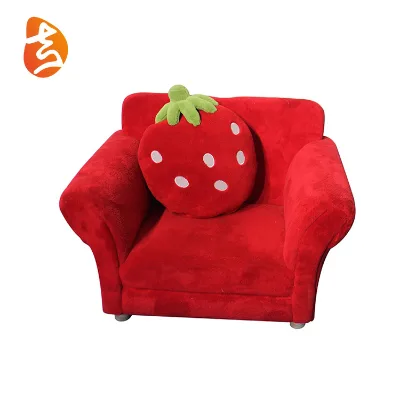
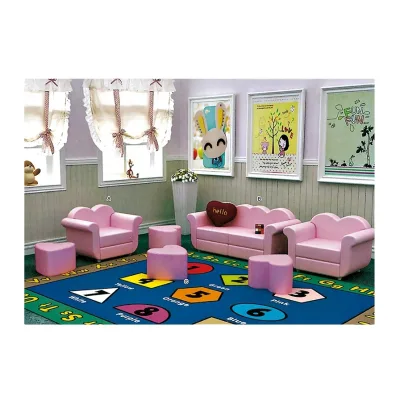
Playroom Pink Kids Armchair Small Size Kids Couches Sofa Children's Sofa
$22.00 - $23.00
MOQ: 100 pieces




Comprehensive Sourcing Guide
Kindergarten Kids Sofa Sourcing Guide
Sourcing kindergarten kids sofas requires a careful balance between child safety, durability, and the specific aesthetic needs of early education environments. The market offers a diverse range of options, from genuine leather pieces with medium backs to synthetic leather models designed for high-traffic classrooms. Buyers must navigate a landscape where product attributes vary significantly, including frame materials ranging from wood to epoxy power-coated steel, and cushioning filled with sponge for comfort. Understanding these variations is the first step in selecting furniture that withstands daily use by young children while maintaining a safe and inviting atmosphere.
The procurement process for these items involves verifying critical specifications such as back height, armrest configuration, and surface finish. Listings indicate that some units are designed as "Kids Sofa" or "Kid Furniture" with specific models like SF-84C and SF-76C, each carrying distinct features like American or Chinese styles. Whether the requirement is for a non-washable genuine leather piece or a fabric option suitable for Grade 1 through Grade 12 usage, the buyer must align the product's physical characteristics with the intended classroom environment. This alignment ensures that the furniture not only fits the space but also meets the functional demands of a kindergarten setting.
Product Scope and Observed Listing Signals
The observed product scope for kindergarten kids sofas reveals a wide spectrum of conditions and customization levels, ranging from new units to used inventory. Buyers should note that while some listings specify "New" conditions, others may appear as "Used," necessitating a clear definition of acceptable quality before placing an order. The availability of customization is a significant signal in this market, with many suppliers offering OEM and ODM services to tailor dimensions, colors, and materials to specific institutional needs. This flexibility allows procurement teams to source furniture that matches existing decor or adheres to specific educational themes, such as American or Chinese styles.
Listing signals also highlight the importance of material composition and structural design in the selection process. The market includes options with genuine leather, synthetic leather, and fabric materials, each presenting different maintenance and durability profiles. For instance, sponge padding is a common feature, but the surface finish is described as "comfortable," suggesting a focus on tactile safety for children. Additionally, the presence or absence of armrests and the height of the backrest are critical differentiators; some models feature high backs for support, while others are designed with medium backs or no armrests to facilitate easier movement and interaction among students.
Technical Specifications to Verify
When evaluating technical specifications, the frame material and construction method are paramount for ensuring long-term stability and safety. The supplied data indicates that wood is a primary frame material, yet other listings mention epoxy power-coated frames, which may offer enhanced resistance to moisture and impact in a classroom setting. Buyers must verify the specific frame composition for each unit, as the structural integrity directly impacts the lifespan of the sofa. Furthermore, the size is generally listed as "Standard," but the exact dimensions should be confirmed against the physical space available in the kindergarten to ensure proper fit and accessibility for young children.
Padding and surface characteristics are equally critical technical factors that influence both comfort and hygiene. Most observed units utilize sponge padding, which provides the necessary softness for children, but the washability of the surface varies, with some options marked as non-washable. This distinction is vital for procurement decisions, as non-washable surfaces may require more rigorous cleaning protocols or protective covers. Additionally, the delivery time is typically around 15 days, and the packing method, whether in fabric and carton or standard export cartons, must be assessed to prevent damage during transit. Verifying these details ensures that the delivered product meets the functional requirements of the kindergarten environment.
Compliance and Safety Documentation
Safety compliance is a non-negotiable aspect of sourcing kindergarten furniture, requiring verification of fire retardant standards and hazardous substance tests. The market data references ISO standards for fire retardancy and hazardous substances, but buyers must confirm that the specific units they intend to purchase meet the local regulatory requirements of their region. While some listings mention certifications like ISO, RoHS, CE, and SGS, these should be treated as potential attributes rather than guaranteed facts for every item. Procurement teams should request current test reports to validate that the materials, particularly the leather and foam, do not contain harmful chemicals that could pose a risk to children.
Documentation regarding the product's origin and manufacturing standards also plays a crucial role in establishing trust and accountability. Many suppliers are located in Guangzhou, Guangdong, China, and claim adherence to ISO9001 quality management systems. However, the presence of a standard like ISO9001 on a listing does not automatically certify the specific batch of furniture; it indicates the supplier's general operational framework. Buyers should insist on seeing the actual certification documents for the specific models, such as SF-84C or SF-58K, to ensure that the manufacturing process consistently meets the required safety and quality benchmarks. This due diligence helps mitigate the risk of receiving non-compliant products that could lead to safety incidents or regulatory penalties.
Cost Drivers and Commercial Terms
The cost of kindergarten kids sofas is influenced by a complex interplay of material quality, customization options, and order volume. The observed price range spans from $16 to $5,880, reflecting the vast difference between basic fabric models and premium genuine leather units with extensive customization. Buyers must understand that higher prices often correlate with superior materials, such as genuine leather versus synthetic alternatives, and more robust construction methods like epoxy-coated frames. Additionally, the minimum order quantity (MOQ) varies from 1 to 200 units, meaning that smaller orders may incur higher per-unit costs or require special handling fees.
Commercial terms, including lead times and warranty provisions, are significant factors in the total cost of ownership. Most suppliers indicate a delivery time of around 15 days, but this can fluctuate based on the level of customization and current production capacity. A warranty period of 5 years is observed in some listings, which provides a strong assurance of product durability, but the specific terms of this warranty must be clearly defined in the contract. Buyers should also consider the packing requirements, as specialized packaging in fabric and cartons may add to the shipping cost. Negotiating these terms effectively can help manage the budget while ensuring that the furniture arrives on time and in perfect condition.
Supplier Qualification and Quality Control
Selecting a qualified supplier is essential for securing reliable kindergarten furniture, and the market data suggests that many vendors operate as manufacturers rather than trading companies. This distinction is important because manufacturers often have greater control over the production process, allowing for better quality control and more flexible customization options. Buyers should verify the supplier's type and request evidence of their manufacturing capabilities, such as factory audits or production line photos. The presence of a "Workmanship: Excellent" attribute in listings is a positive signal, but it should be corroborated by physical inspections or third-party quality assessments before finalizing the purchase.
Quality control measures must be integrated into the procurement process to ensure that the delivered sofas meet the specified standards. Suppliers should be required to provide pre-shipment inspections that verify the frame material, padding density, and surface finish against the agreed-upon specifications. Given the variation in conditions, from new to used, and the diversity of materials, a rigorous inspection protocol is necessary to catch any defects or inconsistencies. Additionally, buyers should confirm the supplier's ability to handle the specific packing requirements, such as standard export cartons, to prevent damage during shipping. Establishing a clear quality control framework with the supplier ensures that the final product is safe, durable, and suitable for a kindergarten environment.
Long-Term Procurement Checks
Long-term procurement success depends on establishing a relationship with suppliers who can consistently deliver high-quality products over time. Buyers should prioritize suppliers who offer a 5-year warranty and demonstrate a commitment to maintaining their ISO9001 standards throughout the production cycle. This long-term perspective involves regular follow-ups to ensure that the supplier continues to meet the evolving needs of the kindergarten, such as updating designs or materials to align with new safety regulations. A reliable supplier will also be responsive to any issues that arise post-delivery, providing timely support for repairs or replacements under the warranty terms.
Continuous monitoring of product performance and market trends is also crucial for maintaining a safe and effective learning environment. Buyers should track the condition of the sofas over time, noting any signs of wear or damage that may indicate a need for replacement or maintenance. The observed attributes, such as the "Comfortable" surface and "Sponge" padding, should be evaluated for their longevity in a high-traffic setting. By maintaining a proactive approach to procurement, schools can ensure that their furniture remains safe and functional, supporting the well-being and development of the children they serve. This ongoing vigilance helps build a resilient supply chain that can adapt to future challenges and requirements.
FAQs
What materials are used for Kindergarten Kids Sofa frames?
Frames are constructed from wood or epoxy power coated metal. Wood provides a traditional aesthetic for American or Chinese style designs. Metal options offer durability for classroom environments. These structural choices ensure stability for young children while supporting the upholstery and padding layers effectively.
Can I customize the design of a kids sofa?
Customization is available for most models. Suppliers accept OEM and ODM requests to tailor dimensions, colors, and materials. You can specify synthetic leather, genuine leather, or fabric upholstery. This flexibility allows buyers to match specific interior themes or educational facility requirements precisely.
What is the typical delivery time for these sofas?
Delivery time is around 15 days for standard orders. This timeline applies to manufacturing and initial packing processes. Expedited shipping may vary based on logistics. Buyers should confirm exact lead times with manufacturers, especially for customized orders requiring additional production steps or specific material sourcing.
Are these sofas suitable for classroom use?
Yes, many models are explicitly designed for classroom usage. They support students from Grade 1 through Grade 12. Features like medium or high backs and armrests provide comfort during long study sessions. The sturdy construction ensures they withstand frequent use in educational settings while maintaining a professional appearance.
What certifications do these products typically hold?
Products often hold ISO9001, ISO RoHS, CE, and SGS certifications. These standards verify quality management and safety compliance. Some items also meet specific hazardous substance tests. Buyers should verify the exact certification list for each model to ensure alignment with local regulatory requirements for children's furniture.
How are the sofas packed for shipping?
Packing methods include fabric and carton combinations or standard export cartons. This ensures protection during transit. The packaging is designed to prevent damage to the upholstery and frame. Proper packing also helps optimize container space, reducing overall shipping costs for bulk orders of kindergarten furniture.