Source Waterproof Marine VHF Radio for Boats, Ships, and Yachts
Compare 30 Waterproof Marine VHF Radio units from verified suppliers. These devices offer features like IP54 and IPX7 ratings, AES encryption, and multiple frequency ranges suitable for professional aquatic operations.
Key considerations
Products List


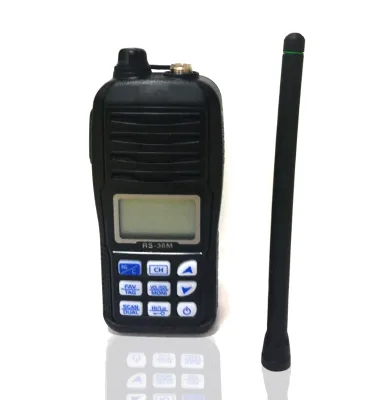
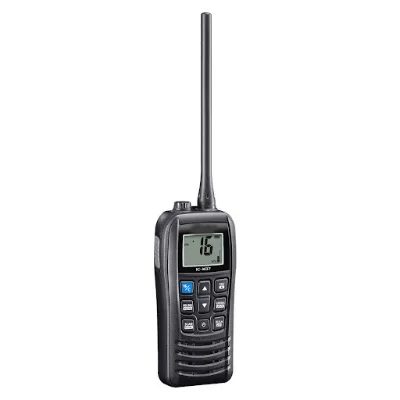
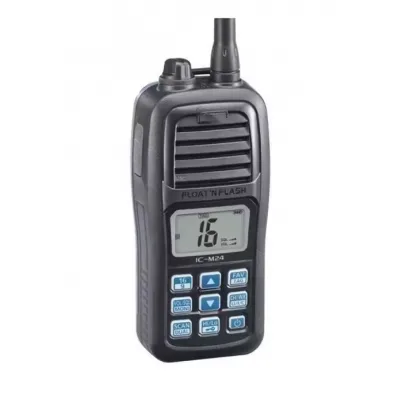

Rechargeable 5W High Power Floating Waterproof Marine Handheld VHF Radio
$98.00 - $120.00
MOQ: 20 Pieces
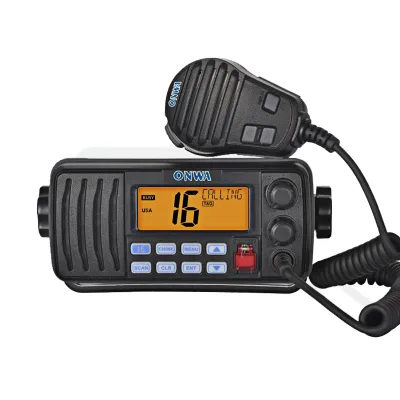


Comprehensive Sourcing Guide
Strategic Sourcing Guide for Waterproof Marine VHF Radios
Procuring waterproof marine VHF radios requires a disciplined approach that balances technical performance, regulatory compliance, and supply chain reliability. In the B2B sector, buyers often face a fragmented market where product attributes vary significantly between manufacturers. The following guide synthesizes observed market data and technical requirements to assist procurement professionals in selecting equipment that meets the rigorous demands of aquatic environments. The core objective is to ensure that every unit purchased delivers reliable communication while adhering to safety standards and operational constraints.
Technical Specifications and Performance Parameters
When evaluating waterproof marine VHF radios, the primary focus must be on frequency range, channel capacity, and output power. These parameters determine the radio's ability to maintain clear communication across various maritime distances. Based on observed market data, specific models operate within the VHF band ranging from 136 to 174 MHz, while others are tuned to the maritime VHF spectrum of 154 to 163 MHz. A critical specification to verify is the channel spacing, which is typically standardized at 25kHz in many professional units. This spacing ensures that channels are distinct and do not interfere with one another, a vital factor for safety and operational clarity.
Output power is another decisive technical factor. Radios in this category often feature dual-power settings, such as 1W in low-power mode and 2.5W or 3.2W in high-power mode. This flexibility allows operators to conserve battery life during short-range communication while maximizing range for emergency situations. The frequency range for transmission and reception must be precise; for instance, some units specify a transmit range of 156.025-157.425MHz and a receive range of 156.050-163.275MHz. Buyers should verify that the selected model covers the necessary international maritime distress frequencies, including Channel 16, which is essential for emergency signaling.
Furthermore, the physical durability of the unit is paramount. Many observed products carry an IP54 rating, indicating protection against dust and water jets, while others claim IPX7 waterproofing, which implies the ability to withstand temporary immersion. The operating temperature range is also a critical specification, with many units designed to function between -20°C and +55°C. This ensures reliability in extreme weather conditions, from freezing polar waters to hot tropical climates. The weight of the device, often around 335g or up to 2kg depending on the model, influences portability and mounting options.
Compliance and Certification Verification
Navigating the regulatory landscape is a non-negotiable aspect of sourcing marine electronics. Certifications serve as proof that a product meets specific safety and performance standards. In the current market, buyers should look for a comprehensive list of certifications including CE, CCS, RoHS, ISO, GL/EC, FDA, FCC, and DOT. The presence of the CCS (China Classification Society) certification is particularly relevant for marine applications, as it validates the equipment's suitability for shipboard use.
Explosion-proof ratings are another critical compliance metric, especially for vessels carrying hazardous materials. Some observed models carry an "Ex Ib Iib T4 GB" sign, indicating they are safe for use in potentially explosive atmospheres. This certification is not merely a feature but a mandatory requirement for specific industrial and commercial vessels. Additionally, encryption standards such as AES Encryption should be verified if secure communication is a priority, although this is more common in specialized professional equipment.
Buyers must also ensure that the product origin aligns with the regulatory requirements of the destination market. Products originating from Malaysia or China are common, but the specific certifications attached to each batch must be validated. The absence of a specific certification should not be assumed to be a minor oversight; it may indicate a lack of compliance with international maritime safety standards. Therefore, procurement teams should request certification documents for every batch before finalizing a purchase order.
Cost Drivers and Pricing Structures
Understanding the cost drivers for waterproof marine VHF radios is essential for budgeting and negotiation. The observed price range in the market spans from 35 USD to 1000 USD, reflecting a wide disparity in features, build quality, and brand positioning. Several factors influence where a specific unit falls within this range. First, the complexity of the communication system plays a significant role. Units with 32 channels, advanced encryption, and long communication distances of up to 9km will naturally command a higher price than basic 16-channel models.
Material composition is another cost determinant. While many units utilize plastic housings for weight reduction and corrosion resistance, the quality of the plastic and the engineering behind the waterproof seals affect the final cost. High-end models often incorporate superior materials and more robust internal components to withstand harsh marine environments. Additionally, the level of customization available can drive up costs. Products offering "Customization: Available" allow buyers to tailor features to specific needs, but this flexibility often comes with a premium.
The Minimum Order Quantity (MOQ) also impacts the effective unit cost. The observed MOQ range is between 1 and 20 units. Buyers purchasing small quantities may face higher per-unit costs, while bulk orders can leverage economies of scale. However, the lead time for delivery, typically ranging from 2 to 7 days, must be factored into the total cost of ownership. Faster delivery times may incur expedited shipping fees, while longer lead times might require inventory buffering. Packaging standards, such as "Original Packaging" or "Carton or as Per Customer Request," can also influence logistics costs and the final price.
Typical Applications and Operational Use Cases
Waterproof marine VHF radios are designed for a diverse range of applications, primarily centered around aquatic environments. The "Using Field: Aquatic" designation highlights their primary utility in maritime settings, including commercial shipping, fishing vessels, and recreational boating. The "Application: Professional Equipment" tag suggests that these radios are suitable for serious operational use rather than casual hobbyist activities.
The suitability for "Adult" users indicates that the interface and physical design are optimized for adult hands, which is standard for professional equipment. However, the specific use case dictates the required features. For instance, vessels operating in hazardous zones require explosion-proof models, while those in open waters need radios with extended communication distances and high output power. The "Portable and Waterproof" feature makes these units ideal for lifeboats and emergency stations where mobility and durability are critical.
In professional scenarios, the ability to switch between different frequency ranges and channel spacings is vital. A radio with a frequency range of 156.025-157.425MHz is specifically tuned for maritime distress and safety communications, whereas a unit covering 136-174MHz might be used for broader terrestrial or specialized maritime communication. The choice of application also influences the required display type; an LED Display is common for providing clear visibility in various lighting conditions, from bright sunlight to dark nights.
Supplier Evaluation and Origin Considerations
Evaluating suppliers requires a careful analysis of their product origin and standardization practices. The market data indicates that products originate from locations such as Malaysia and Ningbo, China. While these are established manufacturing hubs, the specific origin does not guarantee quality; rather, it is the supplier's adherence to standards that matters. Buyers should verify the "prod_standard" details, which can range from fixed dimensions like 252015mm to custom requests.
Supplier reliability is often reflected in their packaging and delivery practices. Observed packaging options include "Original Packaging," "Carton Packaging," and "Transport Package." The ability to provide "Carton or as Per Customer Request" suggests a flexible supplier capable of meeting specific logistical needs. Furthermore, the delivery time of 2-7 days indicates a responsive supply chain, but buyers should confirm if this applies to all models or only specific SKUs.
When evaluating a supplier, it is crucial to check their product model consistency. The market lists various models such as IC-M605, M37, IC-M412, IC-M510E, TH38, Cy-Vh03, and Maine Radio Transceiver. A supplier offering a diverse range of models may have broader capabilities, but buyers must ensure that the specific model they are purchasing matches their technical requirements. The presence of a "Maine Radio Transceiver" or "VHF Radio Telephone" model suggests specialized inventory, which can be a positive indicator of expertise in this niche.
Quality Control and Long-Term Procurement
Quality control in the marine electronics sector is critical due to the life-safety implications of communication failures. Buyers should implement a rigorous inspection process that verifies the IP rating, battery type, and overall build quality. The use of Lithium-ion batteries is common, and their condition upon arrival must be checked to ensure they are not degraded. The single gross weight of 2kg for some units serves as a baseline for quality; significant deviations might indicate substandard materials or missing components.
Long-term procurement considerations extend beyond the initial purchase. Buyers should assess the availability of spare parts and the supplier's ability to provide consistent quality over time. The "Customization: Available" attribute suggests that suppliers may offer ongoing support for specific requirements, which is valuable for long-term contracts. Additionally, the standard packaging and transport methods should be evaluated to ensure that products arrive in pristine condition, ready for immediate deployment.
In conclusion, sourcing waterproof marine VHF radios requires a comprehensive understanding of technical specifications, regulatory compliance, and supplier capabilities. By focusing on verified attributes such as frequency ranges, certification lists, and operational parameters, buyers can make informed decisions that ensure safety and reliability. The market offers a wide array of options, from basic portable units to advanced professional equipment, and the key to successful procurement lies in matching these options to the specific needs of the intended application.
FAQs
What certifications do waterproof marine VHF radios typically have?
Many units carry CE, CCS, RoHS, ISO, and FCC certifications. Some models also include GL/EC, FDA, and DOT approvals. Buyers should verify specific certification documents for each batch to ensure compliance with international maritime safety standards before purchasing.
Which frequency ranges are available for these radios?
Models operate in ranges like 136-174 MHz or 154-163 MHz. Specific units may have transmit ranges of 156.025-157.425MHz and receive ranges of 156.050-163.275MHz. Verify that the selected model covers necessary international maritime distress frequencies for safety.
How long is the delivery time for these products?
The typical delivery time ranges from 2 to 7 days. This lead time applies to responsive supply chains but may vary by specific SKU. Buyers should confirm if expedited shipping fees apply for faster delivery within this window.
Can I customize the packaging for these radios?
Yes, customization is available for packaging options like carton or original packaging. Some suppliers offer packaging as per customer request to meet specific logistical needs. This flexibility often comes with a premium cost compared to standard packaging.
What is the minimum order quantity for these radios?
The minimum order quantity ranges from 1 to 20 units depending on the supplier. Purchasing small quantities may result in higher per-unit costs. Bulk orders can leverage economies of scale to reduce the effective unit price significantly.
Which materials are used to construct these radios?
Most units are constructed from plastic for weight reduction and corrosion resistance. The quality of the plastic and waterproof seals affects durability and cost. High-end models often incorporate superior materials to withstand harsh marine environments effectively.
What is the output power capacity of these devices?
Output power often features dual settings like 1W in low mode and 2.5W or 3.2W in high mode. This flexibility allows operators to conserve battery life during short-range communication while maximizing range for emergency situations. Verify specific power ratings for your model.