Source Knitted Olive Net with UV Resistance for agriculture, fruit collection, and packaging
Find 30 listings for Knitted Olive Net with UV Resistance tailored for olive picking, fruit collection, and agricultural textiles. Buyers can compare specifications like mesh style, weight, and customization options from verified Chinese manufacturers.
Key considerations
Products List
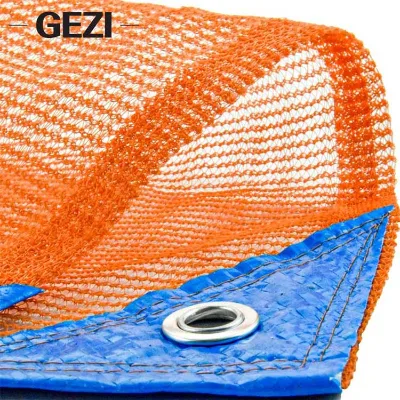
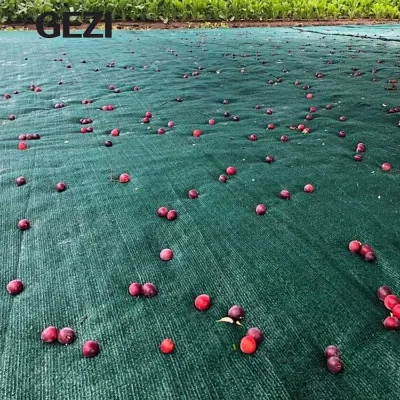
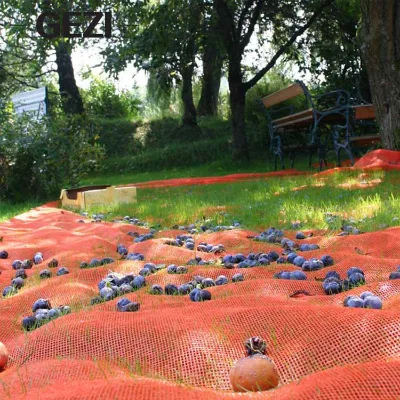


100% Pure HDPE Woven and Knitted Olive Harvesting Nets with UV Protection
$0.10 - $0.30
MOQ: 2000 Square Meters


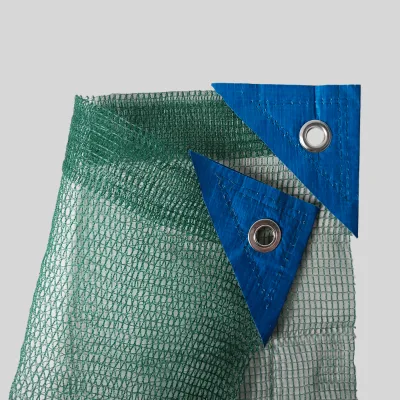
Comprehensive Sourcing Guide
Strategic Sourcing Guide for Knitted Olive Nets with UV Resistance
Understanding the Core Product and Material Composition
The acquisition of knitted olive nets with UV resistance requires a precise understanding of the material science and structural design that define this agricultural textile. Based on the available market data, the primary raw material for these products is High-Density Polyethylene (HDPE). This material is frequently cited as "100% Virgin HDPE," indicating a preference for non-recycled inputs to ensure consistent tensile strength and durability in outdoor environments. The manufacturing process is predominantly knitted, a specific technique that creates a flexible, interlocking loop structure distinct from woven or mesh styles. This knitted architecture allows the net to stretch slightly under the weight of harvested fruit without tearing, a critical feature for olive harvesting operations where branches are shaken or combed.
The product is often categorized under "Agriculture Textiles" with a specific function designated as "Olive Picking" or "Fruit Collection." While the base material is consistent, the specific application dictates the required performance metrics. The nets are designed to be laid beneath olive trees to catch falling fruit, minimizing ground contact and reducing contamination. The "knitted" nature of the fabric is a key differentiator, offering superior flexibility compared to rigid woven alternatives. Buyers must verify that the supplier explicitly states the technology as "Knitted" rather than "Woven" or "Weaving Knitted" if the specific structural integrity of a true knit is required for the intended harvest method. The material composition is the foundation of the product's longevity, and any deviation from virgin HDPE could compromise the UV resistance and tear resistance essential for a multi-year agricultural cycle.
Technical Specifications and Performance Parameters
When evaluating a knitted olive net, the technical specifications must be scrutinized against the specific requirements of the orchard. The size of the net is a primary variable, with observed market offerings ranging from standard dimensions like 4x6 meters, 6x6 meters, and 6x10 meters to larger custom configurations such as 8x8 meters, 12x12 meters, and even continuous rolls up to 100 meters in length. The width can vary significantly, typically spanning from 1 meter to 12 meters, allowing for customization based on tree canopy spread. The weight of the net is another critical specification, with observed ranges varying from 33 grams per square meter (GSM) to as high as 360 GSM. A common range for high-performance olive nets appears to be between 60g and 120g per square meter, though heavier variants up to 360g are available for demanding applications.
The mesh style is another technical attribute to consider. The market data indicates a prevalence of "Knotless Plain Mesh" designs, which prevent fruit from snagging on knots and facilitate easier cleaning. The edge treatment is equally important for installation; reinforced edges and grommet holes are standard features to allow for secure tying and tensioning. The inclusion of accessories such as assistant ropes and grommets is often part of the standard offering to ensure easy installation. Furthermore, the treatment process is a vital differentiator. The product must be treated "with UV" to ensure longevity, as the untreated alternative would degrade rapidly under solar exposure. The expected using life for these nets is typically cited as around 3 years, though this is contingent on the quality of the UV treatment and the specific environmental conditions of the orchard. Buyers should verify the specific UV treatment method used, as the standard is often "as customer required," necessitating a clear definition of the UV resistance level in the purchase order.
Compliance, Certification, and Standard Verification
In the realm of agricultural textiles, compliance and standard verification are often less about rigid international certifications and more about adherence to specific customer requirements and material safety. The supplied data indicates that the product standard is frequently listed as "As customer required," "Customized," or "Custom." This suggests that the market operates on a bespoke basis where the buyer defines the performance criteria rather than relying on a single universal standard. Consequently, the buyer must explicitly define the required standard in the procurement contract. This includes specifying the UV resistance level, the exact GSM weight, and the tensile strength requirements.
While specific certification names are not universally mandated in the provided context, the origin of the product is a significant factor in compliance. The majority of the observed supply originates from China, with specific manufacturing hubs noted in Shandong and Jinan. Buyers should verify the supplier's capacity and location to ensure logistical feasibility. The production capacity is noted to be around 500 tons per month, which serves as a benchmark for supplier capability. Regarding material safety, the use of "100% Virgin HDPE" is a positive indicator, as it implies the absence of recycled contaminants that could leach into the soil or fruit. However, buyers should request documentation confirming the virgin status of the resin, especially if the harvest is for organic certification or high-value export markets where chemical residues are strictly monitored. The "Standard" field often allows for customization, meaning the buyer must act as the certifier of the product's suitability by defining the acceptance criteria for UV stability and tear resistance in the technical annex of the contract.
Cost Drivers and Economic Factors
The pricing of knitted olive nets is influenced by a complex interplay of material costs, customization levels, and order volume. The observed price range in the market is extremely broad, spanning from $0.10 to $2,200. This wide variance is not indicative of a single product but rather reflects the difference between small sample orders, standard roll sizes, and large-scale custom projects. The Minimum Order Quantity (MOQ) is another significant cost driver, with observed ranges from 1 unit to 6,000 units. A typical MOQ for bulk agricultural orders appears to be around 3 tons, which aligns with the production capacity of 500 tons per month.
The cost is heavily dependent on the customization of the product. Standard sizes and colors like Green, Red, Black, Beige, or White are likely to be more cost-effective than custom colors or non-standard dimensions. The weight of the net is a direct cost factor; heavier nets (e.g., 360 GSM) require more raw material and thus command a higher price per square meter than lighter variants (e.g., 33 GSM). The inclusion of UV treatment is a standard requirement for longevity but may add a processing cost compared to untreated nets. Packaging also influences the final cost; options include plastic rolls, cartons, bales, or pallets, with "Plastic Bag Per Roll" being a common standard. Buyers should be aware that the "Competitive Price" feature often cited by suppliers is relative to the customization level and volume. For large-scale procurement, negotiating based on the 3-ton MOQ and leveraging the 500-ton monthly capacity can yield better unit economics. However, buyers must avoid assuming that the lowest price point corresponds to the highest quality, as the material composition (virgin vs. recycled HDPE) and UV treatment quality are the primary determinants of long-term value.
Typical Applications and Operational Context
The primary application for knitted olive nets with UV resistance is agricultural, specifically for fruit collection in olive orchards. The nets are designed to be deployed beneath the canopy of olive trees to catch falling fruit during the harvest season. This application requires the net to withstand the weight of the fruit, the tension of installation, and the harsh environmental conditions of the orchard, including direct sunlight, wind, and rain. The "Function" is explicitly listed as "Olive Picking," and the "Usage" is defined as "for Agricultural." The nets are also sometimes categorized under "Packaging Net" or "Safety Net" in broader classifications, but their core utility remains in the harvesting process.
The operational context demands high durability. The "Using Life" is estimated at 3 years, meaning the net must maintain its structural integrity and UV resistance through multiple harvest seasons. The "Feature" list highlights "Anti-UV," "Anti-Aging," and "Tear Resistant" as critical attributes. These features are essential because the nets are often left in the field for extended periods and must resist degradation from solar radiation. The "Mesh Style" of "Knotless Plain Mesh" is particularly suited for this application as it prevents fruit from getting trapped in the net, facilitating easier collection and reducing fruit damage. The inclusion of "Assistant Rope and Grommets" supports the operational need for quick and secure installation, allowing farm workers to set up the nets efficiently before the harvest begins. While the primary use is olive picking, the versatility of the product allows for potential adaptation to other fruit collection scenarios, provided the mesh size and weight are appropriate for the specific crop.
Supplier Evaluation and Quality Control Protocols
Evaluating a supplier for knitted olive nets requires a rigorous approach to verifying their capabilities and quality control measures. The supply base is concentrated in China, with specific mentions of Shandong and Jinan as production hubs. Buyers should verify the supplier's stated capacity, which is observed to be around 500 tons per month, to ensure they can meet the volume requirements of the procurement. The delivery time is typically "Within 30 Days After Receiving The Deposit," which serves as a benchmark for logistical planning. However, buyers must confirm this lead time in the context of their specific order volume and customization needs.
Quality control should focus on the verification of the raw material and the manufacturing process. Buyers must request samples to test the "Knitted" structure and verify the "100% Virgin HDPE" claim. The UV resistance should be validated through visual inspection of the color retention and, if possible, through accelerated aging tests. The "Weight" specification is a key quality metric; buyers should weigh a sample area to ensure it matches the ordered GSM (e.g., 60g-120g/Sqm). The "Edge" reinforcement and the presence of grommets should be inspected for durability. Since the "Standard" is often "Custom," the buyer must define the acceptance criteria clearly. This includes specifying the color (Green, Black, Beige, etc.), the dimensions (Width 1m-12m, Length 10m-100m), and the packaging (Plastic Rolls, Cartons, Pallets). The supplier's ability to provide "Customized" solutions is a positive indicator of flexibility, but it requires clear communication to avoid discrepancies between the ordered specifications and the delivered product.
Long-Term Procurement and Lifecycle Management
Long-term procurement of knitted olive nets involves more than just the initial purchase; it requires a strategy for lifecycle management and replacement planning. Given the "Using Life" of approximately 3 years, buyers should plan for a replacement cycle that aligns with their budget and operational schedule. The "Anti-Aging" and "Anti-UV" features are designed to extend this lifespan, but the actual duration will depend on the intensity of solar exposure and the mechanical stress placed on the nets during harvest. Buyers should consider the "Customization" aspect as a long-term asset; investing in nets that are specifically tailored to their orchard's layout and tree density can reduce waste and improve efficiency over multiple seasons.
The "Packing" method, such as "Rolls" or "Bales," impacts storage and handling costs. Buyers should evaluate the most efficient packaging for their logistics to minimize damage during transport and storage. The "MOQ" of 3 tons suggests that bulk purchasing is the norm, which can lead to economies of scale but requires adequate storage space. The "Delivery Time" of 30 days after deposit allows for planning, but buyers should account for potential delays in custom orders. Finally, the "Feature" of "High Quality" and "Competitive Price" should be balanced against the total cost of ownership. A slightly higher initial cost for a net with superior UV resistance and tear strength may result in significant savings over the 3-year lifecycle by reducing the frequency of replacement and minimizing fruit loss due to net failure. Buyers should maintain a relationship with suppliers who offer consistent quality and are responsive to customization requests, ensuring a steady supply of reliable agricultural textiles for future harvest seasons.
FAQs
What material is used for knitted olive nets with UV resistance?
The primary raw material is 100% Virgin HDPE or PE, ensuring consistent tensile strength. This virgin composition prevents contaminants from leaching into the soil while providing the necessary durability for outdoor agricultural use.
How long does a Knitted Olive Net with UV Resistance typically last?
The expected using life is approximately 3 years under normal conditions. This lifespan depends heavily on the quality of the UV treatment and the specific environmental exposure of the orchard where the net is deployed.
Which mesh style is best for olive picking applications?
A Knotless Plain Mesh style is preferred to prevent fruit from snagging during collection. This design facilitates easier cleaning and reduces fruit damage compared to knotted alternatives, making it ideal for efficient harvesting operations.
Can I customize the size and weight of the knitted olive net?
Yes, customization is available for both dimensions and weight specifications. Buyers can request widths from 1 to 12 meters and weights ranging from 33 GSM to 360 GSM based on their specific orchard requirements.
What is the typical minimum order quantity for these nets?
The typical minimum order quantity is 3 tons for bulk agricultural orders. This threshold aligns with the standard production capacity of 500 tons per month offered by major manufacturers in the region.
How are knitted olive nets with UV resistance packaged for shipment?
Products are commonly packaged in plastic rolls, cartons, bales, or pallets. Specific packaging like plastic bags per roll can be arranged according to the customer's request to ensure safe transport and handling.
Where are the manufacturers of these nets located?
Manufacturers are primarily located in China, with specific hubs in Shandong and Jinan. These regions host facilities capable of meeting the high production volumes required for global agricultural textile demands.