Source Knitted Embroidered Cat Ear Hat for Travel, Outdoor, and Casual
Compare 30 Knitted Embroidered Cat Ear Hat options from verified suppliers. Explore variations in material, size, and customization to find the right headwear for your needs.
Key considerations
Products List
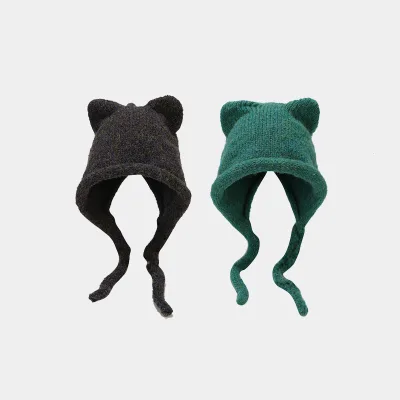
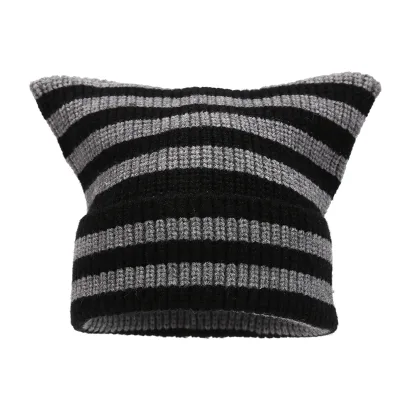
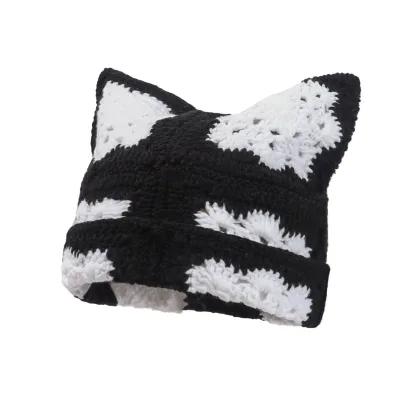
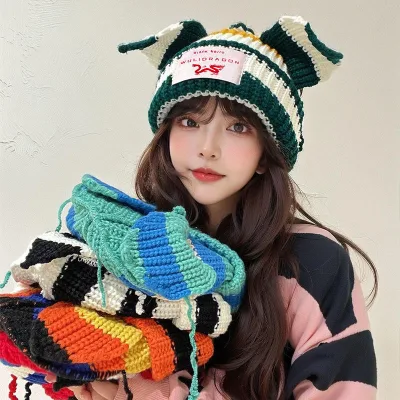
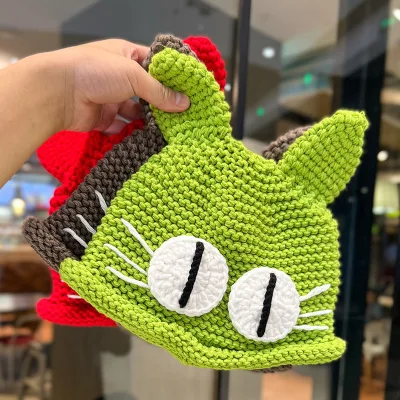
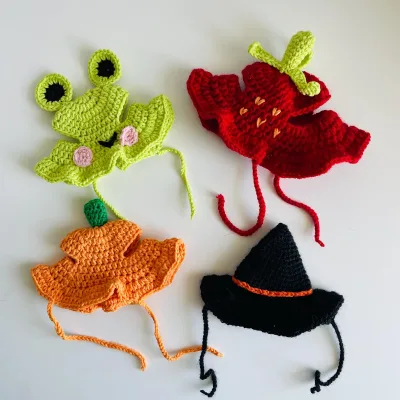
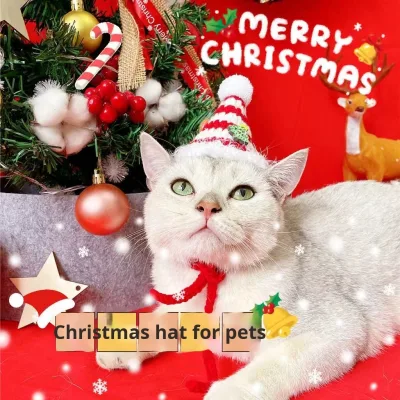
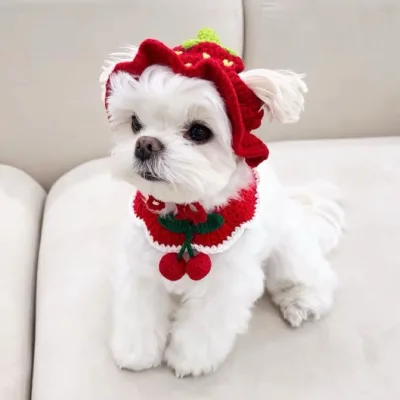
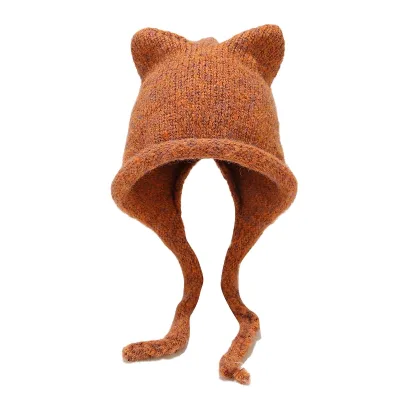
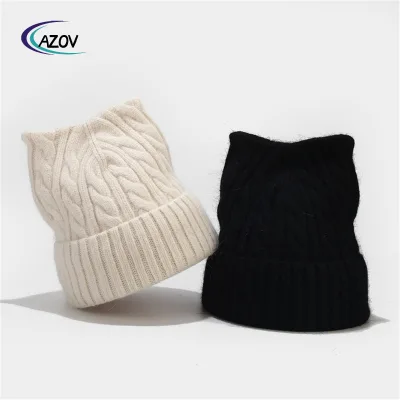
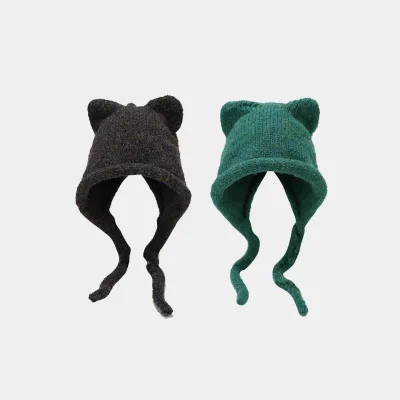
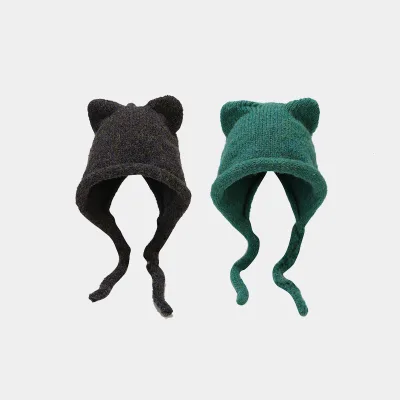
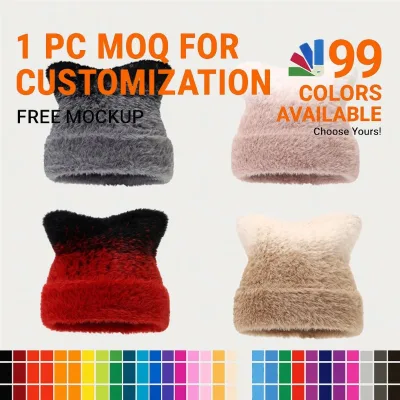
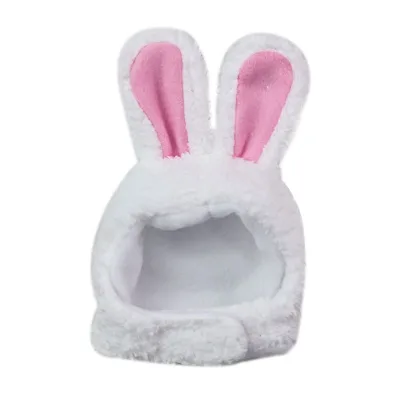


Pet Hat Pet Crochet Hat Pet Cute Frog Hat Cat Knit Cap Cat Costume Hat Esg16269
$2.73 - $3.28
MOQ: 100 Pieces




Comprehensive Sourcing Guide
Strategic Sourcing Guide for Knitted Embroidered Cat Ear Hats
Understanding Product Specifications and Material Variations
When sourcing knitted embroidered cat ear hats, buyers must first navigate the diverse landscape of product specifications found in the current market. The core keyword suggests a specific aesthetic—cat ears combined with embroidery—but the underlying technical construction varies significantly between suppliers. Based on observed product data, the material composition is a primary differentiator. Some listings specify 100% Acrylic fibers, while others indicate a Polyester/cotton blend or 100% Wool. These material choices directly impact the thermal properties, texture, and durability of the final garment. For instance, a product described with the feature "Keep warm and windproof" likely utilizes a denser knit or a specific fiber blend like wool, whereas standard acrylic options may offer a softer, more casual feel suitable for spring and autumn wear.
The construction techniques also vary. While the core keyword implies embroidery, observed data lists Hand Embroidery as a specific technical attribute for certain models, alongside Embossed printing methods. Buyers should verify whether the "cat ear" element is a sewn-on appliqué, a knitted-in shape, or an embroidered detail on a standard beanie. The Pattern Type observed in the market ranges from Letter designs to Stripes and Checked styles, indicating that the "cat ear" motif may be integrated into various pattern families. Furthermore, the Style attributes observed include "Checked" and "Striped," suggesting that the cat ear design might be a secondary feature on a patterned base rather than the sole design element.
Size and fit are critical technical parameters. The observed Head Circumference ranges from 56-58CM to 58-60CM, with some specifications noting a broader range of 54-60cm. This variation necessitates precise communication with suppliers regarding the target demographic. While some products are explicitly labeled for Female or Unisex markets, others are categorized under Adults. The Single package size also fluctuates dramatically, from compact 10x10x10 cm boxes to larger 30x30x30 cm or 32x28x8 cm packages, which directly influences logistics planning and shipping costs. Buyers must ensure the physical dimensions of the hat and its packaging align with their retail requirements before placing orders.
Compliance, Certification, and Safety Standards
In the global textile trade, compliance and certification are non-negotiable, particularly for headwear worn close to the skin. While the supplied product data does not explicitly list specific certification numbers or test results, buyers must treat these as verification points rather than assumed attributes. The Place of Origin for many of these items is identified as Zhejiang, China, a major manufacturing hub. Sourcing from this region requires rigorous due diligence regarding local and international safety standards.
Buyers should request documentation confirming that the Acrylic Fibers, Wool, or Polyester/cotton blends meet the flammability and chemical safety standards of the destination market. For example, in the United States, the Consumer Product Safety Commission (CPSC) has specific regulations regarding the flammability of children's sleepwear and general apparel, though adult headwear generally falls under broader textile safety guidelines. In the European Union, compliance with REACH regulations regarding restricted substances in textiles is mandatory. The Fabric Feature listed as "COMMON" in some descriptions does not imply a lack of safety standards; rather, it suggests a standard grade of material that must still be vetted for formaldehyde content, pH levels, and colorfastness.
Furthermore, the Technics of Hand Embroidery introduce specific quality control challenges. Loose threads or poorly secured embroidery elements can pose a choking hazard or cause skin irritation. Buyers must verify that the embroidery process adheres to safety guidelines regarding thread strength and attachment security. If the product is marketed for children or infants, even if the general category is "Adults," additional testing for small parts and mechanical hazards is required. The Brand Name and Logo acceptance policies also touch on intellectual property compliance; suppliers offering Customized Logo services must ensure that the buyer has the legal right to use the requested designs to avoid infringement issues.
Cost Drivers and Pricing Dynamics
The pricing structure for knitted embroidered cat ear hats is influenced by a complex interplay of material costs, labor intensity, and order volume. The observed MOQ (Minimum Order Quantity) ranges widely from 1 piece to 1000 pieces, with some specific listings indicating an MOQ of 10pcs. This variability allows for different procurement strategies, from small-batch testing to large-scale inventory building. The Selling Units are typically listed as Single item, which simplifies the unit cost calculation but requires attention to bulk pricing tiers.
Material composition is a primary cost driver. 100% Wool products generally command a higher price point than 100% Acrylic or Polyester/cotton blends due to the raw material cost and processing requirements. Similarly, Hand Embroidery is a labor-intensive process that increases the unit cost compared to machine embroidery or printed designs. The Single gross weight also impacts shipping costs; observed weights range from 0.200 kg to 1.000 kg per unit. A heavier hat, potentially due to thicker wool or larger packaging, will incur higher freight charges, which must be factored into the landed cost analysis.
The Service offerings, such as OEM Service, add value but may come with a premium. Customization of the Logo, Design, and Color (observed ranges include options like 1,2,3,4,5,6) requires setup fees and minimum run thresholds. Buyers should analyze the trade-off between the cost of customization and the potential for brand differentiation. The Applicable Season also affects pricing; items designed for Winter with features like "Keep warm and windproof" may be priced higher than those for Spring Autumn due to the perceived value of thermal protection. Understanding these drivers helps buyers negotiate effectively and avoid hidden costs in the final invoice.
Typical Applications and Market Segmentation
The versatility of knitted embroidered cat ear hats makes them suitable for a wide array of applications, as evidenced by the diverse Applicable scene data. The observed usage scenarios include Travel, Outdoor, Casual, Party, Traveling, and Home Use. This broad applicability suggests that the product can serve multiple market segments, from fashion-forward consumers seeking trendy accessories to outdoor enthusiasts needing practical headwear. The Design attribute of Custom Desgin further expands the potential applications, allowing brands to create themed hats for corporate events, promotional campaigns, or specific community gatherings.
The Gender classification varies, with some products listed as Female and others as Unisex. This distinction is crucial for targeting the right audience. A "cat ear" aesthetic often appeals to a younger demographic or those seeking a playful, cute style, which aligns with the Pattern Type observations of Letter and Stripes. However, the Style variations like Checked and Striped also cater to a more mature or classic fashion sense. The Applicable Season data indicates that while some hats are specifically for Winter, others are suitable for Four Seasons or Spring Autumn Winter, allowing buyers to stock inventory that remains relevant year-round.
The Usage category is explicitly defined as Headwear, but the specific Feature of being "Keep warm and windproof" elevates the product from a purely fashion item to a functional garment. This dual nature allows for marketing strategies that highlight both style and utility. For example, a hat with Hand Embroidery and a Checked pattern could be marketed as a premium winter accessory for outdoor activities, while a simple Acrylic beanie with a Letter pattern might be positioned as a casual, everyday item for school or office wear. Understanding these segmentation nuances helps buyers align their procurement with their specific sales channels and customer expectations.
Supplier Evaluation and Verification Protocols
Evaluating suppliers for knitted embroidered cat ear hats requires a systematic approach to verify their capabilities and reliability. The Brand Name field in the data shows entries like BLD and FEINADE, indicating that some suppliers operate with established brand identities while others may be private label manufacturers. Buyers should verify the Service capabilities, particularly the OEM Service and Logo customization options. The ability to accept Customized Logo and Custom Desgin suggests a level of flexibility, but buyers must confirm the supplier's capacity to handle these requests without compromising quality or lead times.
The Model Number variations, such as BH-202506002, 3594, 2089, and winni-240415-1, serve as unique identifiers for specific product lines. When communicating with suppliers, using these model numbers ensures clarity and reduces the risk of ordering the wrong specification. Buyers should also scrutinize the Place of Origin to confirm the manufacturing location. While Zhejiang, China is a common origin, verifying the specific factory location can provide insights into the local supply chain and potential logistics advantages.
Quality control during the supplier evaluation phase should focus on the Technics and Fabric Type. For Hand Embroidery products, requesting samples is essential to assess the precision of the stitching and the durability of the Cat Ear attachment. Buyers should also check the Fabric Feature and Material consistency across different batches. The Single package size and Single gross weight data should be cross-referenced with the supplier's actual shipping documents to ensure accuracy in logistics planning. Finally, verifying the MOQ flexibility is critical; while some suppliers offer low MOQs like 10pcs, others may require 1000 units, which impacts the buyer's inventory risk and cash flow.
Quality Control and Long-Term Procurement Strategy
Establishing a robust quality control (QC) framework is essential for maintaining product integrity in the knitted hat market. The Feature of "Keep warm and windproof" must be validated through physical testing, as claims in product descriptions are not guarantees. Buyers should implement pre-shipment inspections that check for Fabric Type consistency, ensuring that 100% Acrylic or 100% Wool matches the ordered specification. The Head Circumference must be measured to confirm it falls within the stated range of 56-58CM or 58-60CM, ensuring a proper fit for the intended demographic.
Long-term procurement considerations involve building a sustainable relationship with suppliers who can consistently deliver on Design and Quality. The Logo position on the brim/visor or other areas requires precise alignment, which can be difficult to maintain across large production runs. Buyers should establish clear quality standards for Embroidery and Printing Methods to prevent issues like fading, peeling, or misalignment. The Applicable scene data suggests that hats may be subjected to various conditions, from Outdoor activities to Home Use, so durability testing is crucial.
To mitigate risks, buyers should diversify their supplier base and avoid over-reliance on a single source. The MOQ flexibility observed in the market allows for smaller, more frequent orders, which can help manage inventory levels and reduce the impact of demand fluctuations. Additionally, maintaining open communication regarding Custom Desgin changes and Color variations ensures that the product remains aligned with market trends. By focusing on these long-term strategies, buyers can secure a reliable supply chain for knitted embroidered cat ear hats that meets both quality standards and business objectives.
Comparative Analysis of Product Attributes
To facilitate decision-making, the following table summarizes key attribute variations observed in the market for knitted embroidered cat ear hats. This comparison highlights the diversity in specifications that buyers must navigate.
| Attribute | Observation A | Observation B | Observation C | Observation D |
|---|---|---|---|---|
| Material | Acrylic Fibers | 100% Acrylic | 100% Wool | Polyester/cotton |
| Technics | Hand Embroidery | Embossed | N/A | N/A |
| Head Circumference | 58-60CM | 56-58CM | 54-60cm | 56-58cm |
| Style | Checked | Striped | Striped | N/A |
| Gender | Female | Unisex | Unisex | N/A |
| Season | Spring Autumn Winter | Winter | Four Seasons | N/A |
| MOQ | 1-1000 | 10pcs | N/A | N/A |
| Package Size | 32x28x8 cm | 10x10x10 cm | 30x30x30 cm | N/A |
| Gross Weight | 0.200 kg | 0.500 kg | 1.000 kg | N/A |
| Logo | Accept Customized | N/A | N/A | N/A |
This table illustrates that no single product profile dominates the market. Buyers must carefully match their specific requirements—such as material preference, size constraints, and order volume—with the available product attributes. The variation in Single gross weight and Package size also underscores the importance of logistics planning, as heavier items with larger packaging will incur higher shipping costs. By understanding these differences, buyers can make informed decisions that optimize both cost and quality.
FAQs
What materials are used for knitted embroidered cat ear hats?
These hats are commonly made from 100% Acrylic fibers, 100% Wool, or Polyester cotton blends. Buyers should verify the specific material composition for each model to ensure it meets thermal and texture requirements for their target season.
How can I customize the logo on these hats?
Suppliers offer OEM services that accept customized logos and designs for these products. The logo position can vary, such as on the brim or visor, and customization is available for various styles including checked and striped patterns.
Which head circumference sizes are available for these hats?
Available head circumferences range from 54-60cm, with specific models offering 56-58cm or 58-60cm fits. Buyers must confirm the exact size specification to ensure proper fit for their intended adult or unisex customer demographic.
Can I find suppliers with low minimum order quantities?
Yes, some suppliers offer minimum order quantities as low as 10 pieces or even single items. However, other listings may require orders up to 1000 units, so buyers should check specific MOQ policies before placing bulk orders.
What are the typical package dimensions for these hats?
Single package sizes vary significantly, ranging from compact 10x10x10 cm boxes to larger 32x28x8 cm or 30x30x30 cm packages. These dimensions directly impact shipping costs and logistics planning for international buyers.
How does the production technique affect the final product?
Production techniques include hand embroidery and embossed printing methods, which influence the texture and durability. Hand embroidery adds labor costs but offers unique designs, while embossed methods provide a different aesthetic finish.
What seasonal usage is recommended for these hats?
These hats are suitable for spring, autumn, winter, or four seasons depending on the material and thickness. Wool options often provide windproof warmth for winter, while acrylic blends may be lighter for transitional seasons.