Source Knitted Long Sleeve Infant Bodysuit for newborns, toddlers, and winter wear
Find 30 verified options for the Knitted Long Sleeve Infant Bodysuit, comparing materials like merino wool and organic cotton, seasonal suitability, and customization services. Buyers can evaluate features such as anti-bacterial properties and closure types across multiple suppliers.
Key considerations
Products List


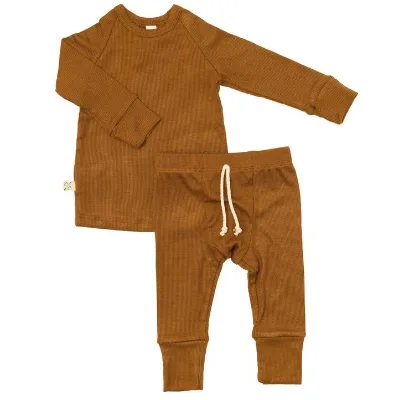
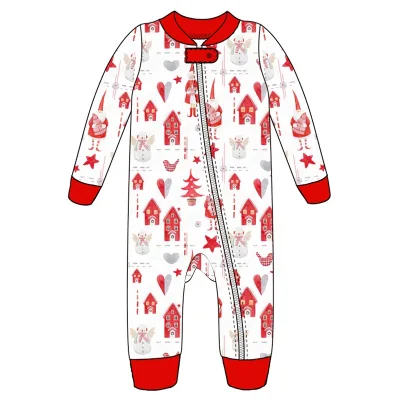
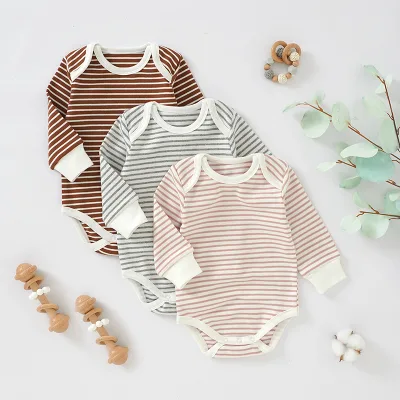
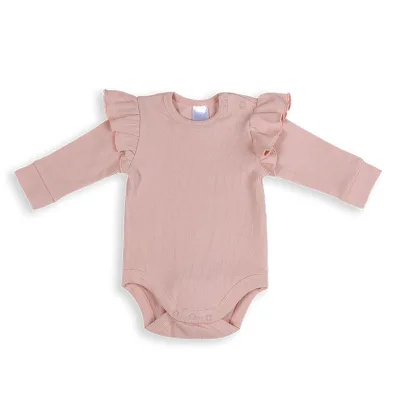


Soft Baby Onesie Long Sleeve High Collar Bodysuit for Newborns and Infants
$1.65 - $2.10
MOQ: 100 Pieces


Baby Romper – Cotton Newborn Outfit, Short Sleeve Unisex Onesie Bodysuit
$2.00 - $3.00
MOQ: 1000 Pieces

Infant Baby Girl Boy Onesie Cotton Newborn Outfit Bodysuit Jumpsuit Long Sleeve Romper
$2.00 - $3.00
MOQ: 1000 Pieces


Unisex Baby Short-Sleeve Bodysuit, Organic Cotton Baby Clothes for Infant
$2.00 - $3.00
MOQ: 1000 Pieces


Comprehensive Sourcing Guide
Strategic Sourcing Guide for Knitted Long Sleeve Infant Bodysuits
The global market for infant apparel has seen a sustained shift toward high-quality, natural fiber-based garments that prioritize safety and comfort. For procurement professionals specializing in the "Knitted Long Sleeve Infant Bodysuit" category, the sourcing landscape is defined by a complex interplay of material science, manufacturing capabilities, and rigorous compliance requirements. This guide synthesizes observed market data and technical specifications to provide a disciplined framework for evaluating potential supply chain partners. The focus remains on objective analysis of product attributes, supply chain logistics, and quality assurance protocols without relying on unverified marketing claims.
Technical Specifications and Material Composition
The foundation of a successful procurement strategy for infant bodysuits lies in a precise understanding of technical specifications. The core product category, knitted long sleeve infant bodysuits, is characterized by specific construction methods and material properties that directly impact performance and safety. Based on current market observations, the primary material drivers include Merino Wool and 100% Organic Cotton. These materials are selected for their inherent ability to regulate temperature and provide a soft hand feel, which is critical for newborn and infant skin.
The knitting technique is another pivotal specification. The "Yarn Dyed" and "Knitted" attributes observed in the market indicate a production process where the yarn is colored before the fabric is constructed. This method often results in superior colorfastness and a more durable fabric structure compared to piece-dyed alternatives. Furthermore, the fabric type is frequently identified as "interlock" or general "knitted" structures, which offer excellent stretch recovery and shape retention. This is essential for bodysuits that must accommodate rapid infant growth while maintaining a secure fit.
Closure mechanisms vary significantly between product lines, influencing both the manufacturing complexity and the end-user experience. Common specifications include "Lace-up" and "Button" closures. Lace-up designs may offer a customizable fit but require more labor-intensive assembly, whereas button closures are standard for ease of dressing and diaper changes. The sleeve length is consistently specified as "Full," ensuring complete coverage for warmth and protection. Additionally, the product models observed, such as TSS2504-06-08, 23CFNM2301-1, and BR87F, suggest a highly fragmented market with numerous SKUs tailored to specific seasonal and size requirements.
Compliance, Certification, and Safety Standards
When sourcing infant apparel, compliance is not merely a regulatory hurdle but a fundamental component of product viability. The "Low-confidence background" section of the market data references OEKO-TEX, a widely recognized standard for textile safety. However, buyers must exercise caution and verify the actual certification status of any specific supplier rather than assuming compliance based on general market trends. The absence of a confirmed certification status in the provided data means that procurement teams must explicitly request valid test reports from potential suppliers.
Safety standards for infant clothing typically focus on the absence of harmful substances, such as azo dyes, formaldehyde, and heavy metals. The observed product attributes, including "Skin-friendly," "Anti-Bacterial," and "Breathable," are functional claims that should be substantiated by third-party laboratory testing. Buyers should require evidence that the "100% Organic Cotton" or "Merino Wool" used meets the specific organic certification standards required in their target market, such as GOTS (Global Organic Textile Standard) or equivalent regional regulations.
Furthermore, the "Anti-Shrink" and "Anti-Wrinkle" features noted in product descriptions indicate specific chemical or mechanical treatments applied during manufacturing. While these are desirable for maintaining the garment's appearance after washing, they must be evaluated for potential skin irritation risks. Procurement guidelines should mandate that any chemical finishes used are non-toxic and compliant with the safety regulations of the destination country. The "Made in China" origin, a common attribute in the data, does not inherently imply non-compliance, but it does necessitate a robust verification process to ensure that local factories adhere to international safety benchmarks.
Cost Drivers and Pricing Dynamics
Understanding the cost structure of knitted long sleeve infant bodysuits is essential for budgeting and negotiation. The observed price range in the market spans from 1 to 22.9 USD, a wide variance that reflects differences in material quality, production complexity, and order volume. The primary cost drivers include the raw material source, with organic cotton and Merino wool commanding a premium over conventional fibers. The "Yarn Dyed" technique also adds to the cost due to the additional processing steps required before knitting.
Order volume plays a decisive role in pricing. The Minimum Order Quantity (MOQ) ranges from 15 to 3000 pieces, with a specific observation of 300 PCS for certain models. Suppliers offering lower MOQs, such as 15 pieces, may charge a higher unit price to cover setup costs, while larger orders benefit from economies of scale. The "ODM" and "OEM" service types available in the market suggest that customization costs will be factored into the final price. Custom embroidery, custom sizes, and specific color selections from a color card will increase the unit cost compared to standard stock items.
Packaging and logistics also contribute to the total landed cost. The standard packaging observed is "Normal Polybag Package" or "OPP bag," with a single package size of approximately 30x32x4 cm or 35x35x3 cm. The single gross weight is recorded at 0.400 kg or 0.500 kg. These dimensions and weights are critical for calculating freight costs, particularly for sea freight where container utilization is key. Buyers should negotiate packaging specifications that balance protection with cost-efficiency, as over-packaging can significantly inflate shipping expenses.
Supplier Evaluation and Manufacturing Capabilities
Evaluating suppliers for infant bodysuits requires a deep dive into their operational capabilities and service offerings. The market data indicates a strong presence of suppliers offering "ODM, Oem Service" and "OEM 0r ODM" capabilities. This flexibility allows buyers to either source from existing designs or collaborate on custom development. The ability to support "Custom Sample" orders and "Custom size" production is a significant indicator of a supplier's technical maturity and responsiveness.
Geographic location is another critical factor. While "Made in China" is a general observation, specific data points to "Henan, China" as a place of origin for certain products. Buyers should verify the specific factory location to assess the local supply chain ecosystem, labor availability, and logistical infrastructure. A supplier with a dedicated facility in a textile hub may offer better quality control and faster turnaround times.
The "7 days sample order lead time" is a notable performance metric. This suggests that some suppliers have streamlined their sampling processes, which is crucial for accelerating the product development cycle. However, buyers must distinguish between sample lead times and mass production lead times. The "Normal Polybag Package" and "One piece in one poly bag" specifications indicate a standardized packing process, but buyers should confirm if the supplier can accommodate custom branding or specialized packaging requirements for their specific market.
Quality Control and Inspection Protocols
Implementing a rigorous quality control (QC) protocol is non-negotiable for infant apparel. The "Fabric Type: Knitted" and "Fabric type: interlock" attributes require specific inspection points to ensure consistency. Buyers should verify that the knitting gauge is uniform and that there are no dropped stitches or uneven tension that could compromise the garment's integrity. The "Closure Type" mechanisms, whether buttons or lace-ups, must be tested for durability and security to prevent choking hazards or garment failure.
Visual inspection should focus on the "Skin-friendly" and "Breathable" claims. This involves checking for loose threads, uneven dyeing, or visible defects that could irritate an infant's skin. The "Anti-Shrink" and "Anti-Wrinkle" properties should be validated through pre-production wash tests to ensure the garment maintains its dimensions and appearance after multiple laundering cycles. The "Single gross weight" of 0.400 kg or 0.500 kg serves as a benchmark for weight consistency; significant deviations may indicate material substitution or filling inconsistencies.
A comprehensive QC plan should also include checks on packaging accuracy. The "Single package size" and "Carton packaging" specifications must be adhered to strictly to prevent damage during transit. Random sampling of finished goods should be conducted to verify that the "Color: Ivory" or other specified colors match the approved color card. Additionally, the "Brand Name" and labeling must be accurate to avoid compliance issues in the destination market.
Long-Term Procurement Considerations and Scalability
Sourcing for the infant apparel market requires a long-term perspective that accounts for scalability and supply chain resilience. The "Supply Type: ODM, Oem Service" and "Service: OEM 0r ODM" options suggest that suppliers are equipped to handle growth, but buyers must assess their capacity to scale production without compromising quality. The "Custom embroidery" and "Custom size" support indicate a willingness to adapt, but the lead times for these customizations must be clearly defined to avoid delays in product launches.
Seasonality is a major consideration, with products observed for "Spring / Autumn," "Spring," and "Winter" seasons. Buyers should plan their orders to align with these seasonal cycles, ensuring that inventory levels are sufficient to meet demand peaks. The "Age" specifications, ranging from "0-3 months" to "4T," highlight the need for a diverse product portfolio. A supplier capable of producing a wide range of sizes and styles can help buyers diversify their offerings and mitigate the risk of stockouts.
Finally, the "Sample: Support Custom Sample" feature is a valuable tool for building a sustainable supply chain. By investing time in the sampling phase, buyers can identify potential issues early and refine the product before mass production. This proactive approach reduces the risk of costly recalls or returns. Buyers should also consider the environmental impact of their sourcing decisions, prioritizing suppliers who demonstrate a commitment to sustainable practices, such as the use of organic materials and eco-friendly packaging.
Comparative Analysis of Product Attributes
To facilitate decision-making, the following table summarizes key product attributes observed in the market, highlighting the variations that buyers should consider during the sourcing process.
| Attribute | Observation A | Observation B | Observation C |
|---|---|---|---|
| Material | Merino Wool | 100% Organic Cotton | Knitted (General) |
| Season | Spring / Autumn | Spring | Winter |
| Closure Type | Lace-up | Button | Button |
| Model Number | TSS2504-06-08 | 23CFNM2301-1 | BR87F |
| MOQ | 300 PCS | 15 - 3000 (Range) | 300 PCS |
| Package Size | 30x32x4 cm | 35x35x3 cm | 30x32x4 cm |
| Gross Weight | 0.400 kg | 0.500 kg | 0.400 kg |
| Features | Skin-friendly, Anti-Bacterial | Warm, Soft, Breathable | Skin-friendly, Anti-Wrinkle |
| Origin | Made in China | Henan, China | Made in China |
This comparison underscores the diversity within the "Knitted Long Sleeve Infant Bodysuit" category. Buyers must align their specific product requirements with the capabilities of their chosen supplier, ensuring that the material, seasonality, and construction details match the intended market needs. By adhering to these evidence-based guidelines, procurement professionals can navigate the complexities of the infant apparel market with confidence and precision.
FAQs
What materials are used for knitted long sleeve infant bodysuits?
The primary materials observed are Merino Wool and 100% Organic Cotton. These natural fibers are selected for their ability to regulate temperature and provide a soft hand feel suitable for newborn skin.
Can suppliers support custom sample orders for these bodysuits?
Yes, suppliers support custom sample orders with a lead time of 7 days. This capability allows buyers to verify product quality and fit before committing to mass production runs.
Which closure types are available for knitted long sleeve infant bodysuits?
Common closure types include Lace-up and Button mechanisms. These options influence manufacturing complexity and ease of dressing, with buttons being standard for diaper changes and lace-ups offering a customizable fit.
How does the Minimum Order Quantity vary for these products?
The Minimum Order Quantity ranges from 15 to 3000 pieces, with specific observations of 300 PCS for certain models. Lower MOQs may incur higher unit prices to cover setup costs compared to larger orders.
What seasonal variations exist for knitted long sleeve infant bodysuits?
Products are designed for Spring, Autumn, and Winter seasons. Buyers should plan orders to align with these cycles to ensure inventory levels meet specific seasonal demand peaks effectively.
Where are these infant bodysuits typically manufactured?
The products are made in China, with specific origins noted in Henan. Buyers should verify the specific factory location to assess local supply chain ecosystems and logistical infrastructure.
What packaging specifications are standard for these items?
Standard packaging includes one piece in a poly bag or OPP bag within carton packaging. Dimensions are typically around 30x32x4 cm or 35x35x3 cm with a gross weight of 0.400 to 0.500 kg.