Source Korean Collagen Whitening Facemask for Home, Salon, and Retail
Explore 30 verified listings for the Korean Collagen Whitening Facemask featuring hydrating and anti-aging benefits. Buyers can compare OEM options, herbal ingredients like aloe vera and vitamin C, and pricing details from Guangdong suppliers.
Key considerations
Products List


Aloe Essence Face Mask Skin Care Whitening Moisturizing Korean Facial Mask
$0.36 - $1.28
MOQ: 1000 Pieces


Korean Skincare Rose Beauty Facial Mask with Collagen Hydro for Dry Skin
$2.11 - $2.39
MOQ: 1000 Pieces



Comprehensive Sourcing Guide
Strategic Sourcing Guide for Korean Collagen Whitening Facemask Procurement
The global demand for facial masks, particularly those marketed with "Korean" aesthetics and whitening efficacy, has surged as a critical segment in the B2B beauty supply chain. Buyers searching for a "Korean Collagen Whitening Facemask" must navigate a complex landscape where marketing terminology often outpaces verified product specifications. This guide provides a disciplined approach to sourcing these items, relying strictly on observable product attributes, verified supply chain data, and essential compliance checks. The objective is to equip procurement professionals with the ability to distinguish between genuine high-quality offerings and products that merely utilize buzzwords without substantive backing.
Technical Specifications and Formulation Analysis
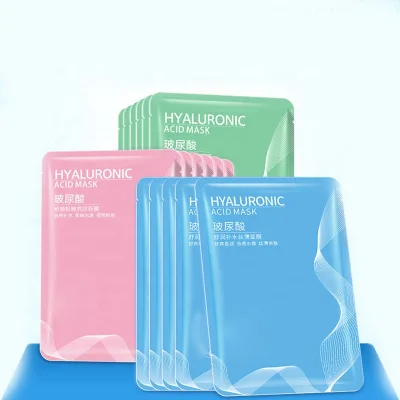
When evaluating a potential supplier for a whitening facemask, the primary focus must be on the technical composition of the product. The term "Korean" in this context often implies a specific formulation style, typically involving sheet masks with high serum absorption and specific active ingredients. Based on observed market data, successful products in this category frequently list Hyaluronic Acid, Vitamin C, and Aloe Vera as core ingredients. These components align with the functional requirements of hydration, brightening, and soothing, which are central to the "whitening" and "anti-aging" claims often associated with the category.
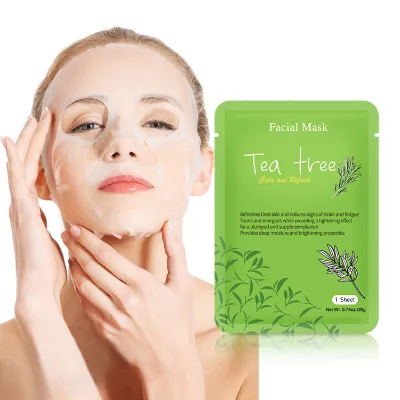
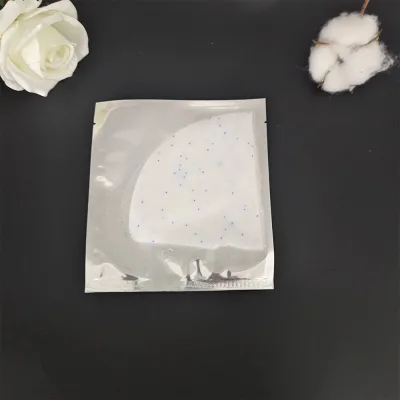
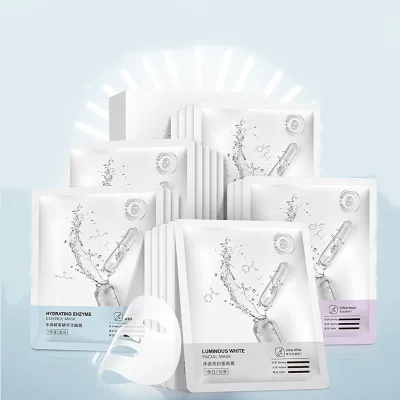
The physical form of the mask is equally critical. The standard specification for this product type is a Sheet Mask, which allows for even distribution of the serum across the face and neck. The packaging details observed in the market indicate a robust structure, often utilizing 3 layers of corrugated paper for the inner box and 5 layers for the outer box to prevent damage during transit. The typical single package size ranges around 12.5 x 2.3 x 18.5 cm, with a gross weight of approximately 0.300 kg per unit. Buyers should verify that the supplier can consistently meet these dimensional and weight specifications, as deviations can indicate a change in the sheet material or serum volume, directly impacting the user experience.
Furthermore, the ingredient profile must be scrutinized for safety and efficacy. While some listings mention Herbal or Vegan ingredients, the presence of Vitamin C is a strong indicator of whitening potential. The fragrance profile, often noted as Aloe, suggests a focus on natural soothing properties rather than heavy synthetic perfumes. A critical technical attribute to verify is the absence of alcohol, as many high-quality formulations in this sector explicitly state "No alcohol" to prevent skin irritation, especially for those with sensitive or dry skin types.
Compliance, Certification, and Regulatory Standards
In the B2B beauty sector, compliance is not merely a formality but a prerequisite for market access. Buyers must rigorously verify that suppliers possess valid GMP (Good Manufacturing Practice) and MSDS (Material Safety Data Sheet) certifications. These documents confirm that the manufacturing facility adheres to hygiene standards and that the chemical composition of the product is fully disclosed and safe for handling. Without these certifications, the risk of regulatory rejection in target markets increases significantly.
While some industry standards like ISO 22716 are often referenced in general beauty manufacturing contexts, buyers should not assume a supplier is compliant unless specific documentation is provided. The procurement process must include a request for current, valid certificates from the specific manufacturing batch. Additionally, the product's intended use must align with local regulations; for instance, claims regarding "whitening" or "pigmentation correctors" are subject to strict scrutiny in many jurisdictions. Suppliers offering OEM (Original Equipment Manufacturer) or ODM (Original Design Manufacturer) services must be able to demonstrate that their formulations can be adapted to meet the specific regulatory requirements of the buyer's destination country.
The supply chain transparency is also a component of compliance. The place of origin for many of these products is identified as Guangdong, China, with a primary port of dispatch being GuangZhou. Buyers should ensure that the logistics partners and the supplier can provide accurate documentation regarding the origin of raw materials, particularly for key ingredients like Hyaluronic Acid and Vitamin C, to verify the authenticity of the "Korean" or "Herbal" marketing claims.
Cost Drivers and Pricing Structures
Understanding the cost structure of a whitening facemask is essential for budgeting and margin analysis. The observed price range for these products in the market spans from $0.02 to $4.68 USD per unit. This wide variance is driven by several factors, including the quality of the sheet material, the concentration of active ingredients, and the complexity of the packaging. Products at the lower end of the spectrum may utilize simpler sheet materials and lower concentrations of active compounds, while those at the higher end likely feature premium hydrogel or bio-cellulose sheets and higher potency serums.
The Minimum Order Quantity (MOQ) is another significant cost driver. The observed MOQ range extends from 1 unit to 30,000 units. For buyers testing the market, suppliers offering low MOQs or free samples are advantageous, as they reduce the financial risk of initial trials. However, as order volumes increase, the unit cost typically decreases. Buyers must negotiate based on the Supply Ability, which for many suppliers is capped at 10,000 pieces per month. If a buyer's demand exceeds this capacity, they must plan for staggered deliveries or identify suppliers with higher production capabilities to avoid stockouts.
Packaging costs also play a role in the final price. The use of multi-layer corrugated boxes adds to the material cost but is necessary for protecting the product. Buyers should evaluate whether the packaging specifications meet their branding needs or if they require custom Private Label solutions, which may incur additional setup fees but offer long-term brand equity.
Supplier Evaluation and Service Capabilities
Selecting the right supplier requires a deep dive into their service capabilities and flexibility. The market data indicates a strong prevalence of OEM Brand and Private Brand services, allowing buyers to customize the product with their own logos and branding. The ability to offer Privare Label OEM ODM services is a key differentiator, enabling buyers to create unique product lines that stand out in a crowded market.
When evaluating suppliers, buyers should look for those who explicitly state Free sample availability. This allows for a physical assessment of the product's quality, texture, and scent before committing to a large order. The supplier's Supply Type is also crucial; while some operate as OBM (Original Brand Manufacturing), others focus on contract manufacturing. For buyers seeking a "Korean Collagen Whitening Facemask," a supplier with a proven track record in OEM/ODM is preferable, as they are more likely to have the technical expertise to formulate products that meet specific whitening and anti-aging requirements.
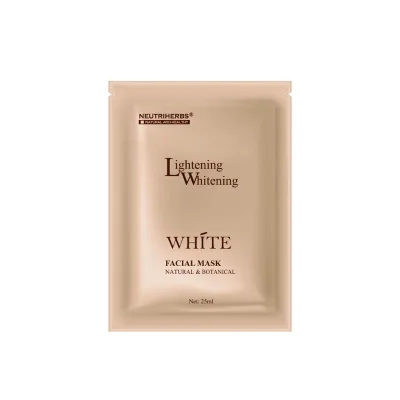
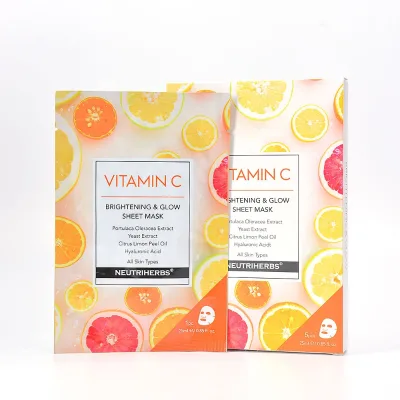
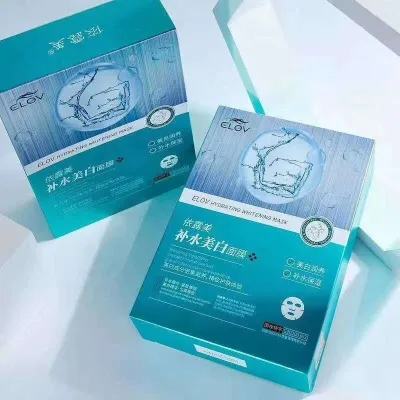
The Brand Name listed on the product page can vary, with examples including Neutriherbs and ELOV, but many suppliers operate under OEM Brand or Customer Private Label. Buyers should be cautious of suppliers who claim to be the original manufacturer of a specific brand if they are actually acting as a middleman. Verifying the Brand Name against the Place of Origin and Certification documents helps ensure the supplier is the direct source of the product.
Quality Control and Performance Verification
Quality control (QC) is the backbone of a successful procurement strategy. Buyers must establish clear criteria for what constitutes a "high-quality" whitening facemask. Based on the observed attributes, a high-quality product should exhibit Whitening, Anti-Wrinkle, Firming, and Nourishing effects. The ingredient list should prominently feature Vitamin C, Hyaluronic Acid, and Aloe Vera, with a clear indication that the product is suitable for All Skin Types, including Normal, Dry, and Oily skin.
The Function of the mask should be explicitly stated as Whitening Lightening or Brightening, and the Effect should include Skin Perfect Moisturizing. Buyers should request test results or performance data to verify these claims, although such data is not always publicly available. Instead, buyers can rely on the Free sample to conduct their own sensory and efficacy tests. The color of the mask is typically White, and the fragrance should be consistent, often Aloe, without overpowering synthetic scents.
The packaging details serve as a proxy for quality control. The use of 3 layers of corrugated paper for the inner box and 5 layers for the outer box indicates a commitment to protecting the product integrity. Buyers should inspect the packaging for durability and ensure that the Carton size (e.g., 4619.520.5 cm for 3 pcs/box) matches the supplier's specifications to avoid logistical issues.
Long-Term Procurement Considerations and Scalability
For buyers looking to establish a long-term partnership, scalability and supply chain stability are paramount. The Supply Ability of 10,000 pieces per month is a common benchmark, but buyers with higher volume needs must verify if the supplier can scale up production. The Lead Time and Port of Dispatch (e.g., GuangZhou) are critical factors in planning inventory levels and managing cash flow.
The Selling Units are typically listed as Single item, which simplifies the ordering process but may require bulk packaging for retail distribution. Buyers should consider the Packaging Details and whether the supplier can accommodate custom packaging requirements for their specific market. The Gender of the target audience is often listed as Female or Male, but the product is generally suitable for All Skin Types, making it a versatile option for a broad customer base.
Finally, buyers should consider the Application of the product, which is typically For Home Use. This distinction is important for marketing and regulatory compliance, as products intended for professional use may require different formulations or certifications. By focusing on these long-term considerations, buyers can build a resilient supply chain that supports their brand growth and ensures consistent product quality.
Comparative Analysis of Product Attributes
To facilitate a clearer understanding of the market landscape, the following table summarizes key attributes observed in the sourcing of Korean collagen whitening facemasks. This comparison helps buyers identify the essential features that define a high-quality product in this category.
| Attribute Category | Key Observation | Relevance to Procurement |
|---|---|---|
| Core Ingredients | Vitamin C, Hyaluronic Acid, Aloe Vera | Indicates whitening and hydrating efficacy. |
| Product Form | Sheet Mask | Standard format for even serum application. |
| Primary Functions | Whitening, Anti-Wrinkle, Firming, Nourishing | Defines the marketing claims and target benefits. |
| Skin Type Suitability | All Skin Types (Normal, Dry, Oily) | Ensures broad market appeal and inclusivity. |
| Packaging Structure | Inner: 3-layer, Outer: 5-layer corrugated | Protects product integrity during shipping. |
| Certifications | GMP, MSDS | Essential for regulatory compliance and safety. |
| Service Model | OEM, ODM, Private Label | Allows for brand customization and flexibility. |
| Origin & Logistics | Guangdong, China; Port: GuangZhou | Determines shipping costs and lead times. |
| Price Range | $0.02 - $4.68 USD | Reflects variations in quality and volume. |
| MOQ Range | 1 - 30,000 units | Influences initial investment and risk. |
By adhering to these guidelines and focusing on verified attributes, buyers can navigate the complex market for Korean collagen whitening facemasks with confidence. The key is to prioritize transparency, verify certifications, and ensure that the product specifications align with the intended market needs. This disciplined approach minimizes risk and maximizes the potential for a successful, long-term procurement relationship.
FAQs
What ingredients are commonly found in these masks?
Common ingredients include Vitamin C, Hyaluronic Acid, and Aloe Vera. These components support whitening, hydration, and soothing effects suitable for all skin types.
Can I get a free sample before placing a large order?
Yes, many suppliers offer free samples to verify product quality. This allows buyers to test the sheet mask texture and serum absorption before committing to bulk purchases.
Which certifications should I verify for safety compliance?
You should verify GMP and MSDS certifications for safety and hygiene. These documents confirm the manufacturing facility adheres to standards and the chemical composition is safe for use.
How is the packaging structured to protect the product?
Packaging typically uses three layers of corrugated paper for the inner box and five layers for the outer box. This robust structure prevents damage during transit and maintains product integrity.
What is the typical minimum order quantity for these masks?
The minimum order quantity ranges from one unit up to thirty thousand units. This flexibility allows buyers to test the market with low volumes or scale up for bulk needs.
Where are these products typically manufactured and shipped from?
Products are typically manufactured in Guangdong, China, and shipped from the GuangZhou port. This location is a major hub for beauty product exports and supply chain logistics.
Can I customize the brand name and packaging design?
Yes, suppliers offer OEM and ODM services for private labeling and custom packaging. Buyers can add their own logos and adjust box specifications to match their brand identity.