Source Korean Red Ginseng Capsules for Immunity Energy and Wellness
Compare 30 listings for Korean Red Ginseng Capsules designed to support immunity, provide energy, and aid wellness. Buyers can review specifications, certifications, and customization options from verified manufacturers in China.
Key considerations
Products List
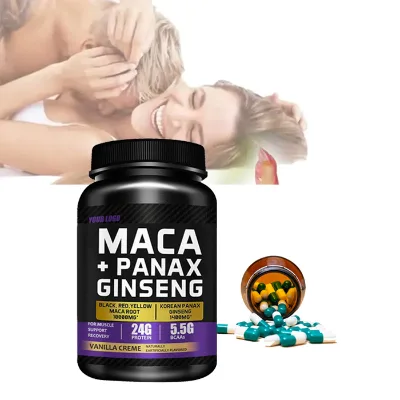


OEM Customized Korean Ginseng Capsule Ginseng Extract Powder Pure Natural
$3.90 - $5.99
MOQ: 500 Bottle


OEM Private Label Korean Red Ginseng Extract Ginsenosides Gisneng Capsules
$2.99 - $18.99
MOQ: 300 Bottle


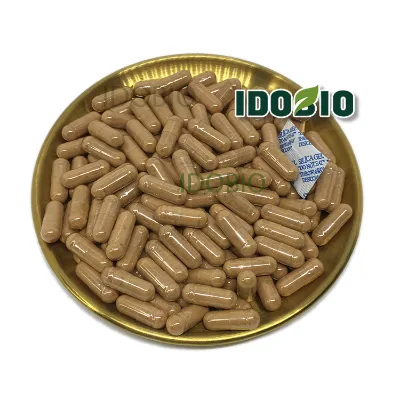


Natural 60PCS Ginseng Extract Softgel Ginseng Root Supplements Capsule for Men
$0.02 - $2.00
MOQ: 100000 Piece


OEM Private Label Natural Red Ginseng Capsules for Boosting Energy and Immunity
$1.70 - $3.90
MOQ: 100 bottles


Korean Red Ginseng Root Extract Skin Care Healthy Food Korean Ginseng Powder
$28.80 - $178.80
MOQ: 1 kg

Comprehensive Sourcing Guide
Strategic Sourcing Guide for Korean Red Ginseng Capsules
The global demand for herbal supplements has elevated the profile of ginseng varieties, with Korean red ginseng standing out for its specific processing methods and perceived potency. For procurement professionals navigating the B2B market, sourcing these capsules requires a disciplined approach that distinguishes between marketing claims and verifiable product attributes. The following guide outlines the critical technical, compliance, and operational factors necessary for a successful procurement strategy, grounded in the observable realities of the current supply landscape.
Technical Specifications and Formulation Analysis
When evaluating potential suppliers for ginseng capsules, the first step is a rigorous review of technical specifications. The market presents a variety of formulations, ranging from single-ingredient extracts to complex blends. Buyers must verify the specific active ingredients listed on the product data sheet. While some listings highlight "American ginseng" or general "ginseng" as the primary component, the specific request for Korean red ginseng requires confirmation that the source material matches this botanical origin. The standard dosage form is consistently the capsule, with typical serving sizes observed at two capsules per day.
The physical specifications of the product are equally critical for logistics and inventory planning. Suppliers often offer customizable bottle capacities, with common configurations including 60, 90, 120, or even 360 capsules per unit. The weight of individual capsules can vary, with standard specifications noting 0.5g per capsule, though bulk customizations may alter this metric. Packaging is typically delivered in bottles housed within cartons, with a single package size often cited around 15x20x30 cm. The gross weight of a single package unit is frequently recorded at approximately 1.5 kg, a figure essential for calculating freight costs and warehouse storage requirements.
Furthermore, the flavor profile is often customizable, allowing buyers to align the product with specific market preferences, though the natural taste of the herb remains a baseline characteristic. The product is generally marketed as low-fat and sugar-free, catering to health-conscious demographics. It is vital to distinguish between products labeled as "multivitamin mineral and ginseng" and those focusing solely on the ginseng extract, as the functional benefits and ingredient lists will differ significantly.
Compliance, Certification, and Regulatory Standards
In the B2B supplement sector, certification is not merely a marketing asset but a prerequisite for market entry in many regions. Buyers must verify that suppliers hold recognized quality management and safety certifications. The supply chain data indicates a prevalence of ISO certifications, specifically ISO9001 for quality management systems. Additionally, Good Manufacturing Practice (GMP) and cGMP compliance are standard expectations for facilities producing dietary supplements.
Beyond general quality management, specific food safety certifications are often required. The presence of HACCP (Hazard Analysis and Critical Control Points) is a common indicator of a robust safety protocol. For international trade, particularly into markets with strict religious dietary laws, Halal and Kosher certifications are frequently requested. Some suppliers also list Organic certification, which adds value for premium product lines.
It is important to note that certification status varies by supplier and batch. Buyers should not assume that a single listing covers all potential certifications. Instead, the procurement process must include a direct request for valid, current certificates for the specific production facility. The standard for the product itself often references specific manufacturing protocols, such as the 0.5g/capsule standard mentioned in technical data, which must be adhered to during production. Without these verifiable credentials, the risk of regulatory non-compliance in the destination market increases significantly.
Cost Drivers and Pricing Structures
Understanding the cost structure of ginseng capsules is essential for budgeting and margin analysis. The observed price range in the market is extensive, spanning from $0.02 to $178.80 USD per unit. This vast disparity is not indicative of quality alone but reflects differences in ingredient purity, extraction methods, packaging complexity, and order volume. The lower end of the spectrum typically corresponds to bulk raw materials or simple formulations with minimal packaging, while the higher end often includes premium branding, complex blends, or small-batch customizations.
Minimum Order Quantity (MOQ) is a primary driver of unit cost. The market data shows an MOQ range from 1 unit up to 100,000 units. However, specific product listings, particularly those for specialized organ-based or high-grade ginseng capsules, may enforce a minimum of 100 bottles. Adhering to these MOQ thresholds is crucial; ordering below the threshold often results in significantly higher per-unit costs or may not be feasible at all.
Other cost factors include the customization of the product. Services such as OEM (Original Equipment Manufacturer) and ODM (Original Design Manufacturer) allow for private labeling and formula adjustments, which incur additional costs. The inclusion of logo printing and custom packaging designs also adds to the final price. Buyers should anticipate that "Customized" specifications, such as unique bottle counts or specific milligram dosages, will command a premium over standard SKUs.
Typical Applications and Target Demographics
The application of ginseng capsules extends across various sectors of the health and wellness industry. The primary functional claims associated with these products include improving immunity and providing energy support. These benefits align with the needs of active adults seeking to maintain vitality and combat fatigue. The product is explicitly marketed for adults, with specific exclusions noted for newborns, ensuring that the target demographic is clearly defined.
Beyond general energy support, some formulations are positioned for specific physiological goals, such as muscle growth, although this claim should be verified against the specific ingredient profile. The product is generally classified as a herbal supplement, making it suitable for distribution through health food stores, pharmacies, and online wellness retailers. The "Unisex" gender classification broadens the potential market, allowing for mass-market appeal rather than niche targeting.
In terms of usage, the recommended application is for food and health-care purposes, serving as a dietary supplement rather than a replacement for medical treatment. The storage requirements are specific, necessitating a cool, dry place with moisture-proof conditions to maintain the integrity of the active ingredients over the product's shelf life, which is typically 24 months.
Supplier Evaluation and Service Capabilities
Selecting the right supplier involves more than just comparing prices; it requires an assessment of their service capabilities and operational flexibility. A key differentiator in the market is the availability of OEM and ODM services. Suppliers offering these services can assist buyers in developing unique products, from customizing the formula to designing the packaging. The availability of samples is another critical factor; most reputable suppliers indicate that samples are available, allowing buyers to test the product quality before committing to a large order.
The service scope also includes private label options, where the supplier manufactures the product under the buyer's brand. This is a common requirement for retailers looking to build brand loyalty. Buyers should verify the supplier's capacity to handle large-scale orders, given the observed MOQs can reach high volumes. Additionally, the location of the manufacturing facility impacts logistics. While some data points to origins in Shaanxi or Guangzhou, China, buyers must confirm the specific production site to assess shipping times and potential tariffs.
Quality Control and Testing Protocols
Quality control is the backbone of a reliable supply chain for herbal supplements. Buyers must insist on rigorous testing protocols to ensure product safety and efficacy. The use of High-Performance Liquid Chromatography (HPLC) is a standard test method mentioned in the industry for analyzing the chemical composition of the capsules. This method allows for the precise quantification of active compounds, ensuring that the product meets the specified potency levels.
In addition to chemical testing, physical attributes such as appearance and dosage form must be consistent. The product should appear as uniform capsules with no signs of degradation. The shelf life of 24 months or 2 years is a standard benchmark, but buyers should verify the stability data that supports this claim. Storage notes emphasizing moisture-proof conditions are critical; any deviation from these storage requirements during transit or warehousing can compromise the product.
Long-Term Procurement Considerations
Sourcing ginseng capsules is a long-term commitment that requires strategic planning. The shelf life of the product dictates inventory turnover rates; with a 24-month shelf life, buyers have flexibility but must still manage stock levels to prevent expiration. The customization options available, such as specific bottle counts and logo printing, offer opportunities for brand differentiation but require lead time for setup and production.
Buyers should also consider the scalability of their supplier. As the business grows, the ability to increase order volumes without compromising quality or lead times is essential. The wide range of observed MOQs suggests that suppliers can accommodate both small startups and large enterprises, but the transition between these tiers should be planned carefully. Finally, maintaining a strong relationship with the supplier regarding certification renewals and standard updates will ensure that the product remains compliant with evolving global regulations.
| Feature Category | Standard Observation | Procurement Verification Point |
|---|---|---|
| Dosage Form | Capsule | Confirm serving size (e.g., 2 capsules) |
| Shelf Life | 24 Months / 2 Years | Check stability data and storage requirements |
| Certifications | ISO, HACCP, GMP, Halal, Kosher | Request current valid certificates |
| MOQ | 1 - 100,000 (Varies by SKU) | Confirm specific MOQ for target SKU |
| Origin | Shaanxi or Guangzhou, China | Verify specific factory location |
| Testing | HPLC | Request recent test reports |
| Packaging | Bottle in Carton | Confirm dimensions and gross weight |
By adhering to these structured evaluation criteria, procurement professionals can navigate the complexities of the ginseng capsule market, ensuring that the final product meets both quality standards and business objectives. The focus on verified data, rather than unconfirmed claims, remains the most effective strategy for sustainable sourcing.
FAQs
What certifications do Korean Red Ginseng Capsules suppliers typically hold?
Suppliers typically hold ISO, HACCP, GMP, Halal, and Kosher certifications. These credentials verify quality management and food safety protocols required for international trade and market entry in regulated regions.
How is the dosage form and serving size defined for these capsules?
The standard dosage form is a capsule with a serving size of two capsules per day. Individual capsules often weigh 0.5g, though custom specifications like 500mg or 800mg per bottle are available.
Can buyers customize the packaging and branding for these supplements?
Yes, customization is available for bottle counts, logo printing, and private labeling. Suppliers offer OEM and ODM services to create unique product specifications and packaging designs tailored to buyer needs.
What is the typical shelf life and storage requirement for these products?
The shelf life is typically 24 months or 2 years when stored correctly. Products must be kept in a cool, dry place with moisture-proof conditions to maintain ingredient integrity and safety.
Which minimum order quantities apply to korean red ginseng capsule orders?
MOQs range from 1 unit up to 100,000 units depending on the specific product listing. Some specialized listings enforce a minimum of 100 bottles, while others allow single item purchases.
Where are the manufacturing facilities for these capsules located?
Manufacturing facilities are located in China, specifically in Shaanxi and Guangzhou regions. Buyers should verify the specific factory location to assess shipping times and potential import tariffs accurately.