Source Korea Style Ceramic Mug for Daily Use, Gifts, and Weddings
Compare 30 Korea Style Ceramic Mug options from Chinese manufacturers. Buyers can evaluate customization, capacity, and pricing for daily use, gifts, and promotional events.
Key considerations
Products List

Ceramic Custom Mug Korean Ceramic Mug Ceramic Mug
$4.00 - $8.00
MOQ: 1000 Pieces
Chaozhou City Cha'an District Fengtang Town Sai Si Ceramics Factory


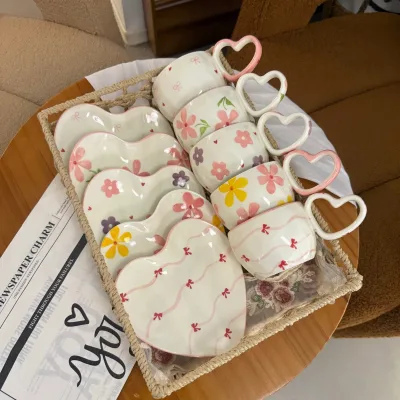


$1.50 - $2.30
MOQ: 1000 Pieces


Comprehensive Sourcing Guide
Korea Style Ceramic Mug Sourcing Guide
Sourcing ceramic mugs that align with Korean aesthetic principles requires a nuanced understanding of both material properties and design intent. The "Korea style" designation typically refers to minimalist forms, earthy or soft pastel color palettes, and functional elegance rather than a specific technical standard. Buyers must recognize that this is a stylistic category rather than a regulated classification. Consequently, the primary challenge lies in distinguishing between genuine artisanal quality and mass-produced items that merely mimic the visual language of Korean design. The procurement strategy must therefore focus on verifying the tactile and visual authenticity of the ceramic body, ensuring that the glaze application and form factor meet the expected standards of simplicity and durability.
This guide provides a structured approach to evaluating suppliers and products within this niche. It draws upon observed market signals, such as the availability of customization services and specific material compositions like porcelain and single-layer ceramic. By focusing on verifiable attributes—such as heat resistance, eco-friendly claims, and packaging standards—buyers can mitigate the risks associated with vague stylistic descriptions. The following sections detail the technical, commercial, and operational considerations necessary to secure a reliable supply chain for these specialized drinkware items.
Product Scope and Observed Listing Signals
The current market landscape for ceramic mugs indicates a strong emphasis on customization and brand integration. Observed listings reveal that customization is widely available, with suppliers accepting customized logos, shapes, and designs. This flexibility is critical for buyers seeking to embed Korean-inspired aesthetics into their brand identity. The presence of "Customized Logo Acceptable" and "Accept Customized Designs" attributes suggests that manufacturers are equipped to handle bespoke orders, allowing for the integration of specific motifs, typography, or minimalist patterns that define the Korean style. Buyers should leverage this capability to ensure that the final product aligns precisely with their visual guidelines, rather than settling for generic stock items.
Material composition and functional features are also key differentiators in this segment. The observed data highlights the use of porcelain and single-layer ceramic structures, which are often preferred for their lightweight feel and elegant appearance. Features such as "Withstand High Temperatures" and "Eco-Friendly" materials are frequently cited, indicating a focus on both durability and sustainability. Additionally, the availability of "Color Changing" and "Multicolor" options, alongside "Bicolor" and "Simple" styles, offers a range of visual possibilities. Buyers must carefully evaluate these features against their target market’s preferences, ensuring that the chosen aesthetic does not compromise the functional integrity of the mug, particularly regarding heat retention and ease of cleaning.
Technical Specifications to Verify
Verifying technical specifications is paramount to ensuring product consistency and quality. Buyers should request detailed dimensional data for each model, as observed listings provide specific measurements such as "T8B7H8.2cm" and "T10.7B9.6H9.4cm." These dimensions are crucial for determining shelf space, packaging efficiency, and user ergonomics. Furthermore, capacity specifications, such as "10oz" or "12 oz," must be confirmed to ensure they meet the intended use case, whether for daily coffee consumption or promotional giveaways. Inconsistent sizing can lead to customer dissatisfaction and logistical challenges, so precise verification of these parameters is essential before placing large orders.
The manufacturing techniques and surface finishes also require close scrutiny. Attributes such as "Hand-painted" and "Glaze" indicate different production methods that affect both the aesthetic appeal and the durability of the mug. Hand-painted items may offer unique artistic value but can suffer from higher variability in quality, while glazed finishes provide a more uniform and washable surface. Buyers should request samples to assess the quality of the glaze application, checking for defects such as cracking, peeling, or uneven coloring. Additionally, the "Single-layer Ceramic Cup" structure should be evaluated for its thermal properties, ensuring that it provides adequate heat insulation for the user while maintaining the lightweight characteristic associated with Korean-style ceramics.
Compliance and Safety Documentation
While specific certification statuses are not explicitly detailed in the observed listings, buyers must proactively request relevant safety documentation. Ceramic products intended for food and beverage contact must comply with international standards for heavy metal leaching, particularly for lead and cadmium, which can be present in glazes and pigments. Buyers should verify that suppliers adhere to regulations such as FDA (USA) or LFGB (Europe) standards, depending on the target market. Although the listings mention "Eco-Friendly" features, this claim must be substantiated by third-party testing reports or material safety data sheets (MSDS) to ensure that the products are free from harmful substances.
Packaging standards also play a role in compliance and product safety. The observed "Standard Export Carton" and "1PCS/Box" packaging options suggest a focus on protecting the fragile ceramic items during transit. Buyers should ensure that the packaging materials are non-toxic and recyclable, aligning with the "Eco-Friendly" claims. Additionally, the structural integrity of the packaging, such as the "442736cm" carton dimensions, should be evaluated to prevent breakage during shipping. Proper packaging not only reduces loss rates but also enhances the unboxing experience, which is particularly important for gift-oriented products. Buyers should request packaging samples to assess their durability and environmental impact.
Cost Drivers and Commercial Terms
Cost structures for ceramic mugs are influenced by several factors, including material quality, customization complexity, and order volume. The observed MOQ range of "3-10000" pieces indicates significant flexibility, allowing buyers to start with smaller test orders or scale up for larger campaigns. However, lower MOQs often come with higher per-unit costs due to setup fees and reduced production efficiency. Buyers should negotiate pricing based on volume tiers, leveraging the "OEM: Yes" capability to secure better rates for customized designs. Understanding the cost breakdown, including material, labor, and packaging, can help buyers identify areas for potential savings without compromising quality.
Commercial terms, including payment methods and lead times, are critical for effective supply chain management. While specific lead times are not provided, buyers should establish clear timelines for sample approval, production, and shipping. The "No Stock" attribute suggests that all orders are made-to-order, which can impact delivery schedules. Buyers should negotiate favorable payment terms, such as a deposit followed by balance upon shipment, to mitigate financial risk. Additionally, the availability of "Custom Box" packaging may incur additional costs, so buyers should factor this into their budget planning. Clear communication regarding these terms can prevent misunderstandings and ensure a smooth procurement process.
Supplier Qualification and Quality Control
Supplier qualification is a crucial step in mitigating risks associated with ceramic procurement. Buyers should conduct thorough due diligence on potential suppliers, verifying their manufacturing capabilities, quality control processes, and past performance. The "China" origin of the products indicates a robust manufacturing ecosystem, but buyers must ensure that suppliers adhere to consistent quality standards. Requesting references or case studies from previous clients can provide insights into the supplier’s reliability and professionalism. Additionally, verifying the supplier’s ability to handle "Customized Designs" and "Customized Logo" requests is essential to ensure they can meet specific aesthetic requirements.
Quality control measures should be implemented throughout the production process, from raw material inspection to final product testing. Buyers should establish clear quality criteria, including checks for dimensional accuracy, glaze quality, and structural integrity. Implementing pre-shipment inspections can help identify and rectify defects before the products are dispatched. The "Washable" and "Withstand High Temperatures" features should be validated through practical testing to ensure durability. By maintaining rigorous quality control standards, buyers can minimize the risk of receiving subpar products and protect their brand reputation.
Long-Term Procurement Checks
Long-term procurement success depends on continuous monitoring and relationship management with suppliers. Buyers should establish regular communication channels to discuss performance metrics, feedback, and potential improvements. The "Customization" capabilities of suppliers should be periodically reviewed to ensure they remain aligned with evolving market trends and design preferences. Building a strong partnership with suppliers can lead to better pricing, priority production, and access to new innovations. Additionally, staying informed about changes in regulations and standards can help buyers proactively address compliance issues.
Sustainability and ethical sourcing are increasingly important considerations for long-term procurement strategies. Buyers should evaluate suppliers’ environmental practices, such as waste reduction and energy efficiency, to ensure alignment with corporate sustainability goals. The "Eco-Friendly" claims observed in listings should be regularly verified through audits or certifications. By prioritizing sustainable and ethical sourcing, buyers can enhance their brand value and meet the growing consumer demand for responsible products. Continuous improvement and adaptation to market changes are key to maintaining a competitive edge in the ceramic mug industry.
FAQs
Can I customize the logo and shape of the ceramic mug?
Yes, you can customize the logo and shape of the ceramic mug. The product supports customized logos, shapes, and designs, allowing you to create unique items for promotions, gifts, or daily use without requiring stock inventory.
What is the minimum order quantity for these ceramic mugs?
The minimum order quantity varies by model, ranging from 500 to 1008 pieces for specific items. Some listings indicate a broader range of 3 to 10000 pieces, so you should verify the specific MOQ for your chosen model before placing an order.
How are the ceramic mugs packed for export?
The mugs are packed in standard export cartons or custom boxes depending on the model. Specific configurations include 36 pieces per carton with dimensions of 44 by 27 by 36 centimeters, or 1 piece per custom box for individual packaging needs.
What materials and features do these mugs have?
These mugs are made of porcelain or ceramic and feature eco-friendly properties. They are designed to withstand high temperatures, are washable, and often include patterns or color-changing capabilities suitable for various occasions like weddings and birthdays.
Where are these ceramic mugs manufactured?
These ceramic mugs are manufactured in China. The products originate from Chinese factories that offer OEM services and can customize sizes, ensuring that the final goods meet your specific design and functional requirements for global distribution.
What are the standard dimensions for the ceramic mugs?
Standard dimensions vary by model, with examples including 10 by 9 centimeters or 10.7 by 9.6 by 9.4 centimeters. Some models specify a capacity of 10 ounces or 12 ounces, while others provide exact measurements like 3.15 by 3.75 by 3.15 inches.