Source Korean Style Ceramic Coffee Cup for Gifts, Daily Use, and Weddings
Compare 30 listings for the Korean Style Ceramic Coffee Cup featuring heat preservation, high-temperature resistance, and customizable designs. Buyers can evaluate options with single-layer ceramic construction, eco-friendly materials, and various handle styles for promotion, daily use, or gifting occasions.
Key considerations
Products List
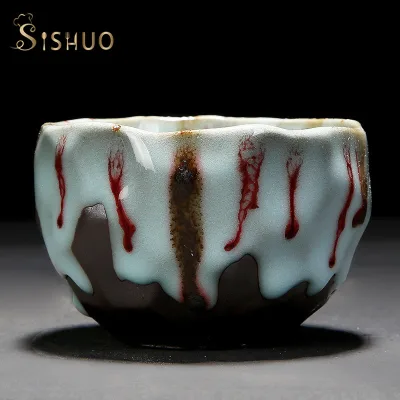


Ceramic Cup Tea Cup Middle East Coffee Cup
$2.00 - $4.00
MOQ: 1000 Pieces
Chaozhou City Cha'an District Fengtang Town Sai Si Ceramics Factory


Classic Ceramic Coffee Cup OEM Eco-Friendly Porcelain Tea Cup for Promotion
$0.30 - $1.50
MOQ: 5000 Pieces


Comprehensive Sourcing Guide
Strategic Sourcing Guide for Korean-Style Ceramic Coffee Cups
Understanding the Product Category and Design Philosophy
When sourcing ceramic coffee cups under the descriptor "Korean style," buyers must first align their expectations with the specific technical and aesthetic attributes observed in the current market inventory. The core product identified in the supply chain is a single-layer ceramic cup, often classified technically as a porcelain mug. While the "Korean style" moniker often implies a specific aesthetic of minimalism and elegance, the actual product data reveals a diverse range of attributes that must be carefully filtered. The observed product types include mugs with a single-layer ceramic structure, available in materials ranging from standard porcelain to high-quality ceramic cups. The design philosophy in the current inventory leans heavily toward "Simple" and "Creative" styles, with a specific mention of "High-End" design styles that cater to modern sensibilities.
The physical dimensions of these cups vary significantly, which is a critical factor for procurement planning. The data indicates specific standard specifications such as a top diameter of 9.4cm, a bottom diameter of 9.7cm, and a height of 10.5cm, holding a capacity of 575ml. Conversely, other listings suggest a more compact profile with a top diameter of 7.9cm, a bottom diameter of 7cm, and a height of 10.4cm. Buyers must verify which of these dimensional standards aligns with their target market's preference for cup size. The "Korean style" aesthetic is often achieved through specific color palettes observed in the inventory, including pure white, soft neutrals, and earth tones, alongside multicolor options. The surface finish is a defining characteristic, with available options including gloss glaze, matte glaze, and satin finish, which directly influence the tactile experience and visual appeal of the final product.
Technical Specifications and Material Composition
The technical foundation of these ceramic cups is built upon high-quality porcelain and ceramic materials. The production techniques observed include hand-painted methods and glaze application, which are essential for achieving the desired aesthetic finish. The structure is consistently described as a single-layer ceramic cup, which differentiates it from double-walled insulated mugs often associated with heat retention in other contexts. However, the functional attributes listed include "Heat Preservation" and the ability to "Withstand High Temperatures," suggesting that despite being single-layer, the material density and glaze formulation provide sufficient thermal resistance for daily use.
Capacity is another variable that requires precise verification. While one data point explicitly states a capacity of 125ml, another standard specification lists a volume of 575ml. This discrepancy highlights the importance of defining the exact volume requirement before engaging with suppliers. The handle design is equally diverse, ranging from classic loop handles to modern angular designs and ear-shaped handles. These structural elements must be evaluated for ergonomics, especially if the target demographic prefers a specific grip style. The microwave safety feature is confirmed as "Yes" in the provided data, a critical technical specification for modern consumers who expect their drinkware to be versatile in both kitchen and dining environments.
Compliance, Certification, and Quality Standards
In the realm of B2B procurement, compliance and quality assurance are paramount. The supplied data indicates that the quality standard for these products can be categorized as "a-B Grade" or customized according to specific buyer requirements. This suggests a tiered quality system where buyers can negotiate the acceptable defect rate and finish quality. It is crucial for buyers to understand that "a-B Grade" is an internal or supplier-specific classification rather than a universally recognized international standard. Therefore, procurement teams must define their own acceptance criteria, potentially referencing international food safety standards for ceramic ware, such as lead and cadmium leaching limits, which are not explicitly detailed in the provided text but are industry norms.
The origin of these products is primarily China, with specific manufacturing hubs identified in Guangdong and Foshan. These regions are known for their ceramic clusters, yet the lack of specific certification names in the data means buyers cannot assume any particular third-party certification status without direct verification. The "Standard Export Carton" is the default packaging, but the option for customized packaging is available. When evaluating compliance, buyers should request documentation regarding the glaze materials used, ensuring they meet the safety requirements of the destination market. The "Eco-Friendly" feature is listed as an attribute, but without specific certification details, this should be treated as a marketing claim that requires validation through material safety data sheets or supplier declarations.
Cost Drivers and Pricing Dynamics
The pricing landscape for ceramic coffee cups is influenced by several key variables, including material quality, customization level, and order volume. The observed listed price range in the market is between 0.3 and 8 USD per unit. This wide range suggests that the base cost of a standard, non-customized porcelain mug is significantly lower, while prices increase with the addition of hand-painted techniques, custom logos, or unique shapes. The minimum order quantity (MOQ) ranges from 40 to 5000 units, indicating a flexible supply chain that can accommodate both small batch testing and large-scale distribution.
Several factors drive the cost upward. First, the "Hand-painted" technic is a labor-intensive process that commands a premium over machine-printed or standard glaze finishes. Second, customization options such as "Customized Logo," "Customized Shape," and "Custom Color" add to the production complexity and cost. The data notes that the stock status is "No," implying that these are made-to-order items, which can affect lead times and unit costs compared to ready-to-ship inventory. Buyers should anticipate that the lower end of the price range (0.3 USD) likely corresponds to standard, bulk-produced items with minimal customization, while the higher end (8 USD) reflects high-end, hand-finished, or highly customized units. Understanding these drivers allows buyers to budget effectively and negotiate based on the specific value-add they require.
Supplier Evaluation and Sourcing Strategy
Evaluating suppliers for ceramic coffee cups requires a focus on their capability to handle customization and maintain consistent quality. The data indicates that suppliers offer "OEM" design services and accept "Customized Designs," which is essential for buyers looking to brand their products. The "Customized" attribute is repeated, emphasizing that flexibility is a core competency of the available supply base. When vetting potential partners, buyers should prioritize suppliers who demonstrate a clear understanding of the "Simple" and "Creative" design styles observed in the inventory.
Geographic concentration in Guangdong and Foshan suggests a mature supply chain with established logistics networks. However, the lack of specific supplier names in the data means buyers must conduct their own due diligence. Key evaluation criteria should include the supplier's ability to meet the "a-B Grade" or higher quality standards, their experience with "Hand-painted" techniques, and their capacity to handle the full range of MOQs from 40 to 5000 units. Buyers should also verify the supplier's ability to provide "Standard Export Carton" packaging or custom packaging solutions that align with their branding needs. The "No Stock" status of the products implies a reliance on production schedules, making the supplier's communication and reliability in meeting lead times a critical factor in the selection process.
Typical Applications and Market Usage
The versatility of these ceramic cups makes them suitable for a wide array of applications. The observed usage categories include promotion, daily use, health care, gifts, weddings, and birthdays. This broad applicability allows buyers to target multiple market segments simultaneously. For promotional campaigns, the "Customized Logo" and "Customized Shape" features are particularly valuable, enabling brands to create unique merchandise that stands out. In the gift market, the "Eco-Friendly" attribute and the availability of "Multicolor" options enhance the product's appeal as a thoughtful present.
The "Health Care" usage category suggests that these cups may be marketed for their non-toxic materials and safe glaze finishes, appealing to health-conscious consumers. The "Microwave Safe" feature further expands their utility in daily life, making them practical for home and office environments. The "Wedding" and "Birthday" occasions indicate that these cups can be part of larger gift sets or personalized favors. The "Simple" and "High-End" design styles cater to different aesthetic preferences, allowing buyers to position the product as either an everyday essential or a luxury item depending on the target demographic. Understanding these diverse applications helps buyers tailor their marketing strategies and product selection to meet specific customer needs.
Quality Control and Long-Term Procurement Considerations
Maintaining high quality in ceramic procurement requires a robust quality control (QC) strategy. Given the "a-B Grade" standard and the potential for "Customized" variations, buyers should implement a clear QC protocol that includes visual inspections for glaze defects, handle stability checks, and dimensional accuracy verification. The "Gloss Glaze," "Matte Glaze," and "Satin Finish" options each present unique QC challenges, such as ensuring uniformity in finish and checking for cracks or chips that may occur during firing.
For long-term procurement, establishing a consistent relationship with suppliers who can replicate the "Hand-painted" quality and "Customized" designs is essential. The "Standard Specifications" and "Customized" options allow for scalability, but buyers must ensure that the supplier can maintain consistency across large orders. The "Standard Export Carton" packaging protects the product during transit, but buyers should consider the fragility of ceramic items and potentially upgrade packaging for high-value shipments. Additionally, the "No Stock" nature of the products means that supply chain disruptions can impact delivery schedules. Buyers should plan for lead times that accommodate the customization process and maintain open communication with suppliers to mitigate risks. By focusing on these long-term considerations, buyers can ensure a steady supply of high-quality ceramic coffee cups that meet their evolving market demands.
FAQs
What customization options are available for these ceramic cups?
Customization is available for logos, shapes, colors, and designs. Buyers can request specific dimensions like 575ml capacity or 125ml, along with hand-painted or glazed finishes to meet unique branding needs.
Can these single-layer ceramic cups withstand high temperatures?
Yes, the cups are designed to withstand high temperatures and provide heat preservation. Despite being single-layer porcelain, the material density and glaze formulation ensure safety for daily use and microwave applications.
What is the minimum order quantity for these ceramic mugs?
The minimum order quantity ranges from 40 to 5000 units depending on the supplier and customization level. Buyers should verify specific MOQs as stock is not available and production is made-to-order.
Which materials and finishes are used for these coffee cups?
These cups are made from high-quality porcelain with gloss, matte, or satin glaze finishes. The surface can be hand-painted or glazed, and handles may feature classic loop, modern angular, or ear-shaped designs.
Where are these ceramic cups manufactured and what is the origin?
The products originate from China, specifically from manufacturing hubs in Guangdong and Foshan. Buyers should expect standard export carton packaging unless customized packaging requirements are specified during the ordering process.
What are the standard dimensions and capacity options for these mugs?
Standard specifications include a 575ml capacity with a top diameter of 9.4cm and height of 10.5cm, or a 125ml variant. Dimensions can be customized to meet specific buyer requirements beyond these standard sizes.