Source Kunafa and Pancake Machine for Bread Pizza Cake
Compare 30 listings for the Kunafa and Pancake Machine designed for food processing applications. Buyers can evaluate specifications like voltage, material, and automation levels from suppliers in China.
Key considerations
Products List


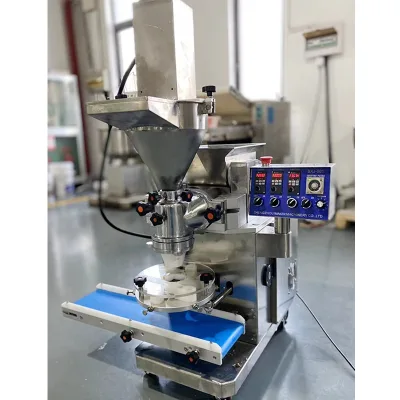
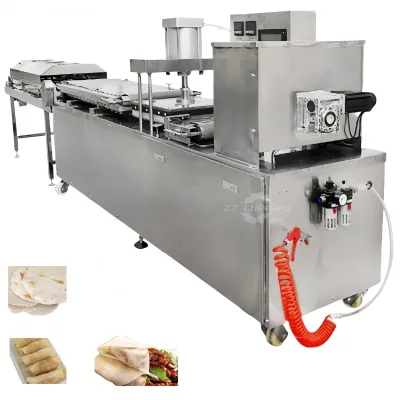
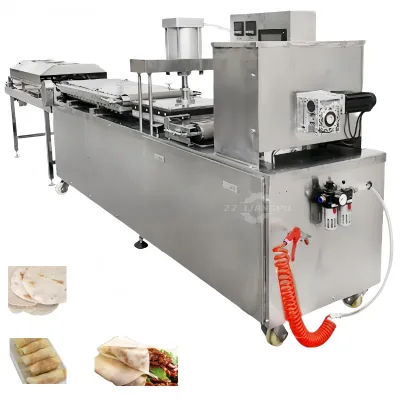
Fully Automatic Arabic Pancake Machine, Corn Pancake Production Line Machine
$3000.00 - $8000.00
MOQ: 1 Pieces


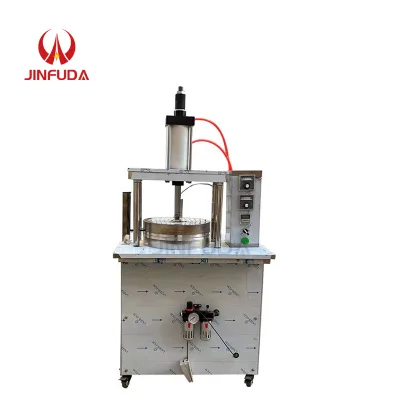
Mini Pancake Maker Machine Chapati/roti/pancake Making Machine Commercial Pancake Machine
$650.00 - $700.00
MOQ: 1 pieces

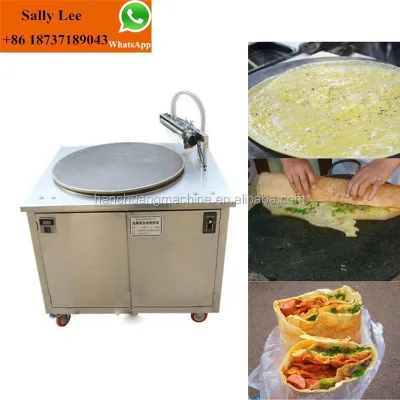
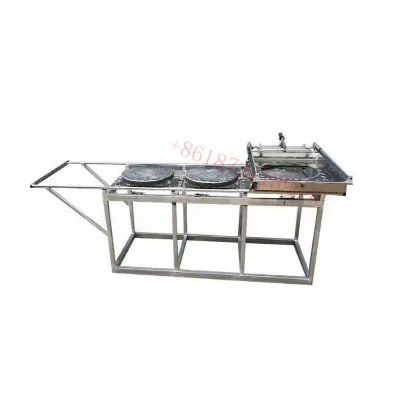
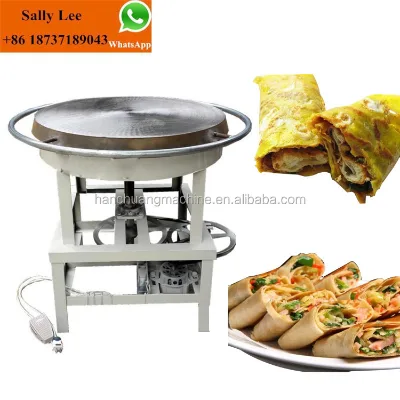


Pancake Production Line / Arabic Chapati Making Machine Fully Automatic
$23289.00 - $26780.00
MOQ: 1 Rolls



Comprehensive Sourcing Guide
Strategic Sourcing Guide for Kunafa and Pancake Machinery
Navigating the global market for specialized baking equipment, specifically machines designed for kunafa and pancake production, requires a disciplined approach to technical verification and supplier evaluation. The available inventory reveals a diverse range of industrial solutions, from fully automatic roasting units to semi-automatic multi-function processors. Buyers must distinguish between general-purpose baking equipment and machines specifically engineered for the unique textural and structural requirements of kunafa and pancake products. This guide synthesizes observed market data to provide a framework for procurement, focusing on material integrity, certification compliance, and operational efficiency without relying on unverified external claims.
Technical Specifications and Operational Capabilities
The core of any successful procurement decision lies in matching the machine's technical specifications to the intended production volume and product type. The observed market data indicates a significant variation in automation levels and power requirements. Buyers will encounter models ranging from fully automatic systems to semi-automatic units, each offering distinct advantages depending on labor availability and throughput needs. For instance, specific models are identified as "Fully Automatic" with "Multi-Function" capabilities, suitable for high-volume environments where consistency is paramount. Conversely, other listings highlight "Semi-Automatic" grades, which may offer flexibility for smaller batch productions or facilities with specific manual intervention requirements.
Power specifications are a critical variable in this sector. The data presents a clear dichotomy in voltage requirements, with observed values including 380V and 220V configurations. This distinction is vital for international buyers, as it dictates the necessary electrical infrastructure upgrades at the facility. A machine requiring 380V is typically designed for heavy industrial use in regions with three-phase power availability, whereas 220V models may be more adaptable to facilities with standard single-phase power or smaller operational scales. Furthermore, the "Automatic Grade" and the presence of a "Timing Device" are essential features for controlling the cooking process. For kunafa, which requires precise browning and structural integrity, the inclusion of a timing device ensures consistent product quality. The "Electrical Equipment" component, with "Chint" identified as a supplier in the observed data, suggests a preference for established electrical brands, though buyers should verify the specific component quality for each unit.
The physical dimensions and weight of the machinery also play a role in facility planning. Observed dimensions such as 6554145CM and weights around 150kg provide a baseline for space allocation and floor load calculations. However, these figures are not universal; different models like the KH-800 or DB-650 may possess varying footprints. Buyers must treat these dimensions as observations of specific listings rather than a standard for all kunafa and pancake machines. The "Special Feature" of "Large Capacity" is frequently cited, indicating that modern units are designed to maximize output per cycle, a crucial factor for commercial bakeries and food processing factories.
Material Integrity and Construction Standards
The longevity and food safety of the equipment are inextricably linked to the materials used in its construction. The observed data consistently highlights "Stainless Steel" as the primary material, with specific references to "304 Stainless Steel." This grade of stainless steel is widely recognized in the food industry for its corrosion resistance and ease of cleaning, making it suitable for environments involving flour paste and high-temperature roasting. The "Machine Material" is further specified as "Stainless Steel" in general terms, reinforcing the industry standard for food-grade machinery.
The raw material processed by these machines is identified as "Flour Paste," which necessitates a robust construction capable of handling viscous mixtures without degradation. The "Color" of the equipment is predominantly "Silver," a standard aesthetic for stainless steel industrial machinery. Beyond the main body, the "Product Name" often includes descriptors like "Snacks Food Machine" or "Japanese Pancake Machine," implying that the internal mechanisms are tailored for specific dough types. Buyers should verify that all food-contact surfaces meet the 304 stainless steel standard, as lower grades may corrode over time, leading to contamination risks. The "Type" of machine is generally categorized as a "Roasting Machine," which implies the use of heating elements designed for even heat distribution, essential for the uniform cooking of thin layers of dough found in pancakes and kunafa.
Compliance, Certification, and Safety Standards
In the B2B food machinery sector, compliance with international standards is non-negotiable. The observed listings provide a comprehensive array of certifications, including "LFGB," "TUV," "CE," "ISO," and "ISOCE." These certifications serve as third-party validations of the machine's safety, electrical compliance, and food safety standards. LFGB, specifically, is a German standard that is often stricter than general EU regulations, making it a valuable indicator of high-quality construction. The presence of "CE" marking confirms that the machine meets European health, safety, and environmental protection standards, which is a prerequisite for selling or operating machinery within the European Economic Area.
Buyers must approach these certifications with a critical eye. While the data lists these certifications as "High-confidence facts" for specific products, they are not automatically applicable to every machine in the category. The "Certification" field often varies by model; for example, one listing might emphasize "ISO" while another highlights "LFGB." It is the buyer's responsibility to request valid, current certificates for the specific unit being purchased. The "Standard" of the product is noted as "customizable" or "depends," indicating that manufacturers may adapt their compliance documentation based on the destination market. Therefore, procurement teams should explicitly request proof of certification for the specific model number, such as the "KH-400-1200" or "SL" series, before finalizing any transaction.
Cost Drivers and Economic Considerations
The economic landscape of sourcing industrial baking machinery is influenced by several key factors, including automation level, material quality, and customization options. The observed price range in the market spans from $419 to $100,000 USD. This vast disparity reflects the difference between small-scale semi-automatic units and large, fully automated production lines. The "Advantages" listed for these machines often include "Automate," "High Efficiency," and "Energy Saving," which directly impact the total cost of ownership. While a higher initial investment in a fully automatic, energy-efficient model may seem significant, the long-term savings in labor and electricity can justify the expenditure for high-volume producers.
The "MOQ" (Minimum Order Quantity) observed is consistently "1," suggesting that suppliers are generally willing to sell single units, which is favorable for small to medium enterprises. However, the "Customization" feature is marked as "Available" and "Customized," implying that bespoke configurations may incur additional costs or longer lead times. The "Warranty" period is typically listed as "1 Year," which serves as a baseline for after-sales support. Buyers should note that "After Warranty Service" is provided via "Online Support," but for complex machinery, the availability of on-site engineering support is a critical differentiator. The "Installation Services" option, where "Engineers Can Be Sent to Install on Site," represents a significant value-add that can reduce downtime and ensure proper setup, though it may affect the overall project budget.
Typical Applications and Production Versatility
Understanding the specific applications of these machines is essential for ensuring they meet production goals. The "Usage" field in the data lists "Bread, Pizza, Cake, Biscuit," indicating that many of these units are versatile roasting machines capable of handling a wide range of baked goods. However, the core keyword of "Kunafa and Pancake Machine" suggests a need for specialized functionality. Some listings explicitly mention "Japanese Pancake Machine" and "Snacks Food Machine," confirming that the market includes dedicated units for these specific products. The "Process" is identified as "Thermal Processing," which is the fundamental mechanism for cooking these items.
The "Applicable Industries" are broadly categorized as "Food & Beverage Factory," but the specific "Product Name" and "Function" suggest a niche application for snack production and breakfast items. The "Keyword" "Circular" may refer to the shape of the cooking surface or the motion of the machine, which is particularly relevant for pancake production where circular molds are standard. For kunafa, the ability to handle "Flour Paste" and achieve a specific texture is crucial. Buyers should verify that the machine's "Timing Device" and temperature controls are calibrated for the specific viscosity and cooking time required for kunafa dough, which differs significantly from standard pancake batter. The "Special Feature" of "Large Capacity" is particularly relevant for commercial bakeries aiming to produce high volumes of these items efficiently.
Supplier Evaluation and Quality Assurance
Evaluating suppliers requires a focus on their ability to provide comprehensive support and adhere to quality standards. The "Location" of the products is consistently listed as "China," with specific origins in "Shandong China" and "Shanghai, China." These regions are known for their manufacturing clusters, but buyers must verify the specific factory capabilities. The "Video Outgoing-Inspection" being "Provided" is a positive indicator of transparency, allowing buyers to visually inspect the machine before shipment. This feature helps mitigate the risk of receiving non-compliant or damaged goods.
The "Condition" of the products is listed as "New," which is standard for industrial machinery, but buyers should confirm the age of the components and the freshness of the manufacturing date. The "Key Selling Points" such as "High Productivity" should be validated through performance data or case studies provided by the supplier. When evaluating a supplier, the "After Warranty Service" model is critical. While "Online Support" is common, the availability of "Engineers Can Be Sent to Install on Site" is a strong differentiator that indicates a higher level of commitment to customer success. Buyers should prioritize suppliers who offer a combination of video inspection, on-site installation, and clear communication channels to ensure a smooth procurement process.
Long-Term Procurement and Maintenance Strategy
Sourcing industrial machinery is not a one-time transaction but the beginning of a long-term operational relationship. The "Warranty" of "1 Year" is a standard starting point, but buyers should negotiate extended coverage for critical components. The "Customized" nature of the "Standard" and "Product Model" means that spare parts availability may vary. Buyers must ensure that the supplier can provide a reliable supply chain for replacement parts, especially for specialized components like heating elements or timing devices.
The "Advantages" of "Energy Saving" and "High Efficiency" suggest that the machine will have a lower operational cost over time, but this depends on proper maintenance. The "Material" of "304 Stainless Steel" requires regular cleaning to prevent buildup and corrosion, which can affect performance. Buyers should develop a maintenance schedule that includes regular inspections of the electrical equipment, such as the "Chint" components, and checks on the "Timing Device" accuracy. The "Product Packing" being "Woodern Packing" or "Wooden Crate" indicates robust shipping protection, but buyers should also plan for proper storage upon arrival to prevent moisture damage. Ultimately, a successful procurement strategy for kunafa and pancake machines relies on a balance of technical due diligence, supplier reliability, and a proactive approach to long-term maintenance and support.
FAQs
What certifications do kunafa and pancake machines typically have?
Machines often carry LFGB, TUV, CE, and ISO certifications to ensure safety and compliance. These standards validate electrical safety and food-grade material integrity, though specific models may vary in their documented certification status.
Can I customize the voltage for my facility?
Yes, customization is available for various voltage requirements including 380V and 220V configurations. Buyers must specify their electrical infrastructure needs to ensure the machine matches the local power supply safely.
Which material is used for the machine construction?
The primary construction material is 304 Stainless Steel, ensuring corrosion resistance and hygiene. This grade is standard for food processing equipment to handle flour paste and high-temperature roasting processes effectively.
How is the after-warranty service provided?
After-warranty service is primarily delivered through online support channels. For complex installations, some suppliers offer on-site engineering services to assist with setup and ensure proper operational functionality.
What is the minimum order quantity for these machines?
The minimum order quantity is typically one unit, allowing flexibility for small to medium enterprises. This low MOQ enables buyers to test specific models without committing to large bulk orders immediately.
Can engineers be sent to install the machine on site?
Installation services are available where engineers can be dispatched to install the equipment on site. This service ensures correct setup and operation, though it may vary depending on the specific supplier agreement.
What is the typical warranty period for these machines?
The standard warranty period is one year from the date of purchase. This coverage protects against manufacturing defects, while extended support options may be negotiated based on the specific supplier terms.