Source Laboratory Reactor for Chemical, Pharmaceutical, and Research Uses
Find 30 Laboratory Reactor options for chemical processing, pharmaceutical synthesis, and research applications. Compare specifications including stainless steel construction, jacketed heating, and various agitator types to identify suitable pressure vessels for your operational needs.
Key considerations
Products List


Stainless Steel Mini Chemical Reactor High Pressure Laboratory Autoclave Reactor
$1000.00 - $1200.00
MOQ: 1 Pieces


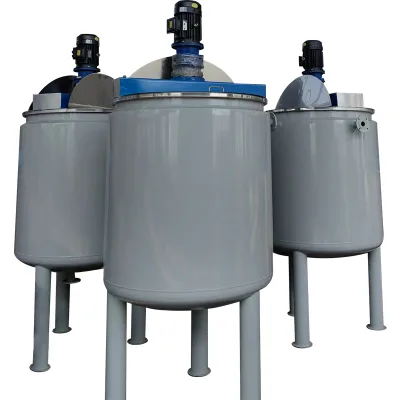


Stainless Steel 304 316 3 Liter Small Laboratory Lab Reactor with Mixer
$1999.00 - $3999.00
MOQ: 1 Pieces


Comprehensive Sourcing Guide
Laboratory Reactor Sourcing Guide
Procuring a Laboratory Reactor requires a precise understanding of the vessel's intended function, whether it serves as a reaction, separation, or storage unit for specific chemical processes. The market offers a diverse range of configurations, from standard stainless steel reactors to specialized units designed for highly toxic or moncombustible media. Buyers must first define the operational pressure requirements, noting that observed listings frequently feature medium-pressure vessels ranging from 1.6MPa to just under 10.0MPa, with specific models capable of handling operation pressures up to 5MPa.
The selection process is further complicated by the variety of agitator types and heating structures available, which directly impact process efficiency and safety. Suppliers typically offer paddle, frame, anchor, turbine, and screw-type agitators, with stirring speeds generally observed between 60 and 100rpm for standard applications. Heating mechanisms vary from electric heating to coil tube or jacket systems, and the choice of cylinder material—ranging from stainless steel to carbon steel, titanium, or duplex steel—must align with the chemical compatibility of the mixture being processed.
Product Scope and Observed Listing Signals
When evaluating product listings, buyers should look for clear indicators of the reactor's primary function, as the same equipment may be marketed as a reaction pressure vessel, a separation vessel, or a storage pressure vessel depending on the specific configuration. The observed data indicates that these units are predominantly new condition equipment originating from China, with capacities spanning from small laboratory scales of 0.25L up to industrial volumes of 50m3. It is critical to verify the nominal diameter, which is often standardized at 400mm for certain models, while other units may be customized to specific project requirements.
Listing signals also reveal significant variability in the storage medium compatibility, with some units explicitly rated for highly toxic substances while others are designed for moncombustible or nontoxic applications. The voltage and power specifications are consistent across many listings, typically operating at 220/380V with a power consumption around 0.6kw, though larger capacity units exceeding 1000L may require different electrical configurations. Buyers must scrutinize the "Customization" attribute, as many suppliers offer tailored models where the product model, standard, and packing are defined by the specific client requirement rather than a fixed catalog entry.
Technical Specifications to Verify
The mechanical integrity of the reactor is paramount, particularly regarding the design pressure and the material composition of the cylinder and liner. While many units are constructed from stainless steel, the presence of a PTFE liner or specific gasket materials like Silicone, FKM, or PTFE is essential for handling corrosive mixtures. Buyers must verify the Minimum Design Metal Temperature (MDMT), which is observed at -20 in some listings, to ensure the vessel can withstand the thermal conditions of the intended process without becoming brittle or failing under stress.
Agitator performance and heating structure are equally critical technical parameters that must be validated against the process needs. The agitator model, such as a frame agitator, and the stirring direction, including options for reverse stirring or high-speed micronization, must match the mixing requirements of the specific mixture. Additionally, the heat transfer structure, often a jacketed design, must be confirmed to ensure efficient thermal control, as the heating type can range from electric heating to jacket or coil heating, directly influencing the reaction kinetics and safety profile of the operation.
Compliance and Safety Documentation
Safety documentation for pressure vessels must be rigorous, especially when the equipment is designed to handle highly toxic or pressurized mixtures. Buyers should request evidence of compliance with relevant pressure vessel standards, noting that while some listings mention ISO 9001 certification, the specific product standard is often listed as "as per requirement" or customized to the client's needs. It is vital to verify that the manufacturer can provide detailed design pressure calculations and material certificates that confirm the cylinder material meets the necessary strength and corrosion resistance requirements for the specific application.
Documentation regarding the sealing system and gasket materials is also a key component of safety verification. The choice of gasket material, whether Silicone, FKM, or PTFE, must be supported by chemical compatibility charts provided by the supplier to prevent leaks during operation. Furthermore, buyers should ensure that the supplier provides clear instructions for the operation of the agitator and heating systems, including safety protocols for handling the vessel at its maximum operating pressure of 5MPa or the design pressure limit of less than 10MPa.
Cost Drivers and Commercial Terms
The cost of a Laboratory Reactor is heavily influenced by the customization level, material selection, and the complexity of the agitator and heating systems. While the observed price range in the market spans from 1 to 50,000 USD, the final price is often determined by the specific capacity, the type of cylinder material (e.g., titanium or duplex steel being more expensive than carbon steel), and the inclusion of specialized liners or gaskets. Buyers should anticipate that units with custom models, specific standards, and tailored packing solutions will command a premium over standard catalog items.
Commercial terms such as Minimum Order Quantity (MOQ) and lead times are variable, with observed MOQs ranging from 1 to 150 units depending on the supplier and the degree of customization required. The packing method, typically described as a standard or standard export package, can also impact shipping costs and insurance requirements, particularly for heavy pressure vessels. Buyers must clarify the after-warranty service terms, which often include online support or video assistance, to ensure that long-term operational costs are accounted for in the total cost of ownership.
Supplier Qualification and Quality Control
Supplier qualification should focus on the manufacturer's ability to produce customized pressure vessels that meet specific industry standards. The presence of ISO 9001 certification is a positive indicator of a quality management system, but buyers must also verify the supplier's experience with the specific type of reactor, such as packed tower reactors or tank reactors, and their capability to handle the required pressure levels. The origin of the product, often Jiangsu, China, should be considered in the context of the supplier's logistical capabilities and their track record in exporting pressure vessels.
Quality control processes must be robust, covering the entire manufacturing lifecycle from material selection to final assembly. Buyers should request inspection reports that verify the nominal diameter, the integrity of the agitator model, and the performance of the heating structure under pressure. The supplier's ability to provide a customized product model and standard is a testament to their flexibility, but this must be balanced with strict quality assurance protocols to ensure that every unit, whether a 0.25L laboratory unit or a 50m3 industrial vessel, meets the specified design and safety criteria.
Long-Term Procurement Checks
Establishing a long-term procurement relationship requires ongoing verification of the supplier's ability to maintain product consistency and provide reliable after-sales support. Buyers should monitor the supplier's responsiveness to warranty claims, which typically include online support or video assistance, and ensure that spare parts for agitators, gaskets, and heating elements are readily available. The ability to customize the product model and standard for future orders is a significant advantage, but it requires clear communication channels to ensure that modifications do not compromise the vessel's safety or performance.
Regular audits of the supplier's manufacturing processes and quality control systems are essential to mitigate risks associated with pressure vessel procurement. Buyers should verify that the supplier continues to adhere to the specified standards and that any changes in material sourcing or production methods are communicated and approved in advance. By maintaining a proactive approach to supplier management, organizations can ensure that their laboratory reactors remain safe, efficient, and compliant with evolving industry regulations over the long term.
FAQs
What materials are used for Laboratory Reactor cylinders?
Cylinders are constructed from stainless steel, carbon steel, titanium, or duplex steel. These materials ensure durability and resistance against various chemical environments while meeting standard industrial requirements for pressure vessels.
Can the agitator type be customized for specific needs?
Yes, the agitator type is fully customizable to suit specific process requirements. Available options include paddle, frame, anchor, turbine, and screw types to ensure optimal mixing efficiency for different mixture viscosities.
What is the operating pressure range for these vessels?
The operating pressure typically falls within the medium pressure range of 1.6MPa to less than 10MPa. Specific models may operate at 5MPa, ensuring safety and reliability for high-pressure reaction processes.
How is the heating system configured in the reactor?
Heating is provided via coil tubes or jacket structures, with electric heating options available. This design ensures efficient heat transfer and temperature control during chemical reactions or storage processes.
Which certifications do the manufacturers typically hold?
Manufacturers often hold ISO9001 certification to ensure quality management standards are met. This certification validates the production process and product reliability for international buyers seeking compliant industrial equipment.
What is the standard capacity range for these reactors?
Capacity ranges from 0.25 liters up to 50 cubic meters depending on the model. Larger units exceeding 1000 liters are available for industrial-scale applications requiring significant reaction volumes.
Are gaskets available in different material options?
Gaskets are available in silicone, FKM, or PTFE materials to match chemical compatibility needs. These options provide reliable sealing performance across a wide range of operating temperatures and pressures.